Malbec has two homes. Most drinkers know it from Argentina, but its roots are in south-west France, around the town of Cahors on the River Lot. It suits anyone who likes deep, dark, fruity reds, and Cahors makes a peaceful, uncrowded wine weekend.
What it tastes like
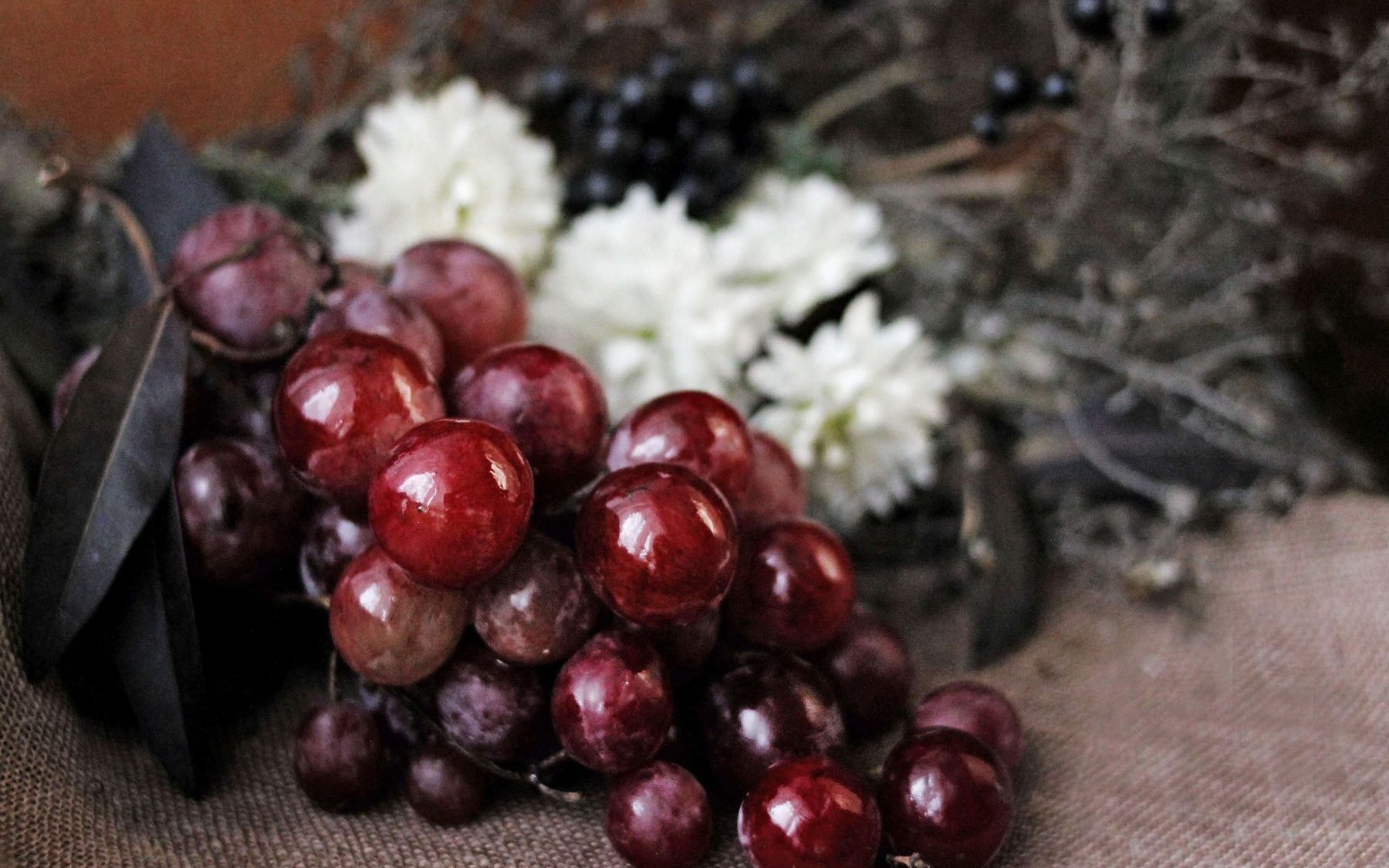
Malbec is inky purple, almost black in the glass. On the nose, expect plum, blackberry and black cherry, with violet, cocoa and sometimes tobacco. The style depends a lot on where it’s grown.
- Argentina: ripe, plush and juicy, with soft tannins and a smooth feel.
- Cahors: firmer and more savoury, with fresh acidity, grippy tannins and earthy, almost iron-like notes. Top Cahors needs time.
Modern Cahors producers have moved towards fresher, fruit-led styles too, so there’s something for most tastes.
Where it grows in Europe
Cahors, France
Cahors is the cradle of Malbec. The appellation sits in the Lot valley in south-west France, and its rules require that Malbec makes up at least 70% of the blend. The rest can be Merlot or Tannat. Locally the grape is often called Côt or Auxerrois.
The vineyards follow the loops of the river, with terraces on the valley sides and higher limestone plateaus above. Cahors was famous for centuries. Its so-called "black wine" was shipped down the river to Bordeaux and on to England. The old wine trade faded, phylloxera and frost hit hard, and the region rebuilt itself in the 20th century.
Bordeaux, France
Malbec was once common in Bordeaux. Today it’s an auxiliary grape there, grown in small amounts alongside Petit Verdot and Carménère.
The Loire and elsewhere
The Loire’s Touraine grows a little Côt for light, fruity reds. Small plantings also exist in other parts of south-west France.
Argentina
Malbec arrived in Argentina in the 19th century and found its perfect match in the high-altitude vineyards of Mendoza. It’s now the country’s signature grape and the reason Malbec became famous worldwide.
How to choose a bottle
Cahors labels name the place first, and many producers now add Malbec on the front too. Wines from the gravel terraces near the river tend to be softer and fruitier, made to drink young. Those from the higher limestone plateaus are firmer and need time. For a first taste, look for a younger, unoaked bottling. If you like structure, try an older vintage from a well-known estate and decant it before dinner.
What to eat with it
- Grilled beef: from Argentine asado to a French entrecôte.
- Duck confit and cassoulet: south-west France on a plate.
- Lamb with garlic: the grape’s dark fruit loves it.
- Walnuts and Rocamadour goat’s cheese: both local to the Lot.
Tip: Cahors is one of the best-value classic French reds. Older vintages from good producers are worth trying if you see them on a list.
Where to taste it on a weekend
Go to Cahors. The town sits inside a tight loop of the Lot, and its fortified medieval bridge, the Pont Valentré, is one of France’s most photographed. The nearest major airports are Toulouse and Brive, and Cahors has a railway station on the line between Paris and Toulouse.
- Day 1: Explore Cahors’s old town and cross the Pont Valentré. Visit wine estates on the hills just outside town.
- Day 2: Follow the Lot upstream to Saint-Cirq-Lapopie, a medieval cliff-top village, or downstream through the vineyards towards Puy-l’Évêque, tasting as you go.
The Lot is quiet compared with Bordeaux, so you’ll often meet the grower. Call ahead, especially outside summer.
Tip: Rent a canoe on the Lot for a morning. The vineyards look best from the water.
For another south-west French wine trip, read Bordeaux: the wine and the region. Browse the best wine regions in Europe and the best castles in Europe to add stops.
FAQ
Where does Malbec come from?
South-west France, around Cahors. It travelled to Argentina in the 19th century and became its signature grape.
Is Cahors wine Malbec?
Yes. Cahors must be at least 70% Malbec, and many wines are 100%.
What is the difference between French and Argentine Malbec?
Argentine Malbec is riper and softer. Cahors is firmer, more savoury and fresher in acidity.
What food goes with Malbec?
Grilled red meat, duck, lamb and hearty stews are all classic matches.