Cabernet Sauvignon is the most famous red grape in the world, grown from France to Chile, California and Australia. Its spiritual home is still Bordeaux’s left bank, where it makes structured, long-lived reds. It suits anyone who likes bold, dry reds with real grip, and it makes a fine excuse for a weekend in Bordeaux.
What it tastes like
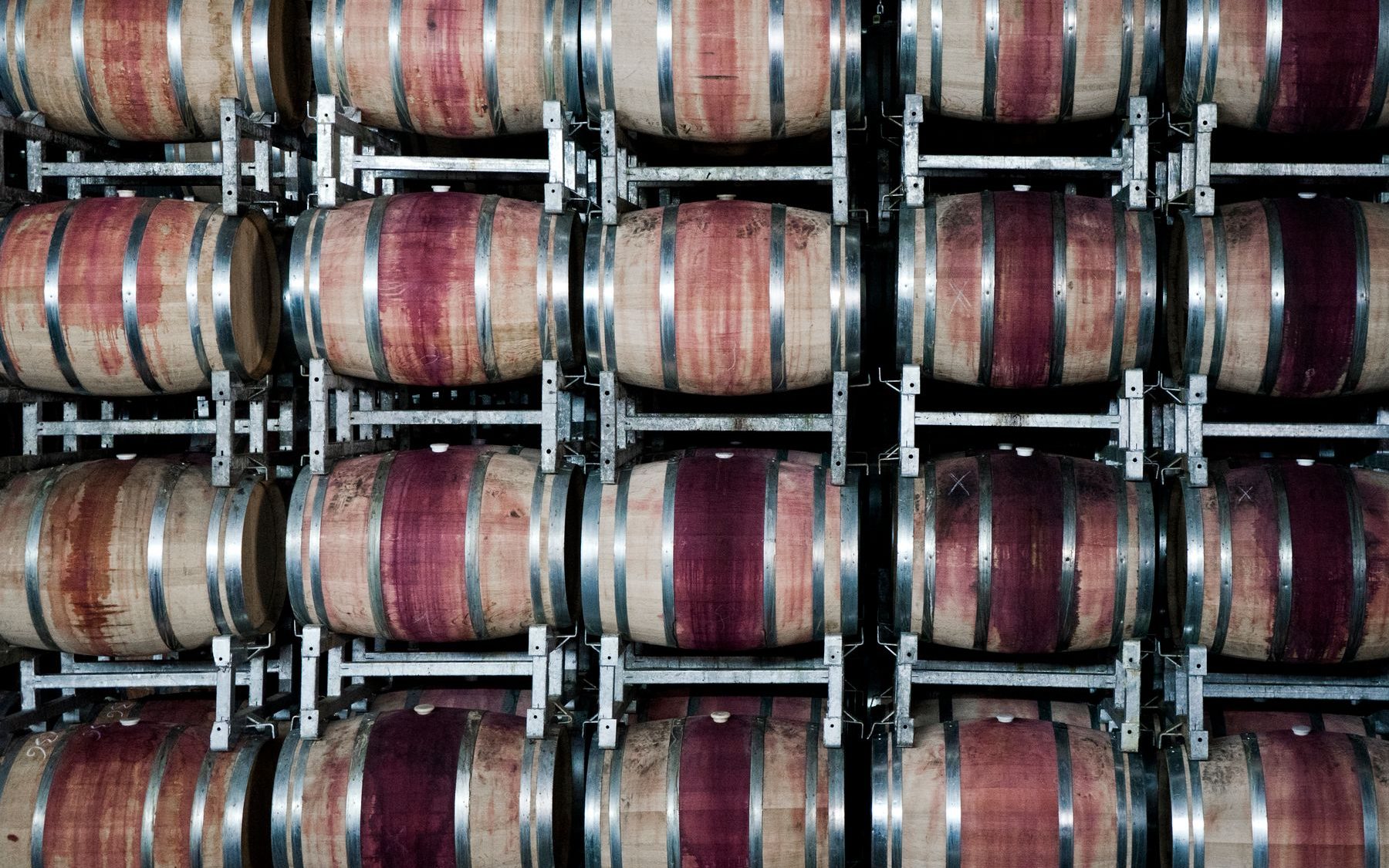
The classic signature is blackcurrant, or cassis, with blackberry, cedar, tobacco and a touch of mint or green pepper. Oak ageing adds vanilla, spice and pepper. Cabernet Sauvignon has thick skins, so the wine is deep in colour, high in tannin and fresh in acidity.
Young Cabernet can feel firm, even austere. Given time, the tannins soften and the wine develops pencil-lead, cigar-box and leather notes. That’s why top Bordeaux is famous for ageing for decades.
Cabernet Sauvignon was born from a natural crossing of Cabernet Franc and Sauvignon Blanc, probably in Bordeaux several centuries ago.
Where it grows in Europe
Bordeaux’s left bank, France
In the Médoc and Graves, west of the Garonne and Gironde, warm gravel soils help this late-ripening grape reach full ripeness. Famous villages include Margaux, Saint-Julien, Pauillac and Saint-Estèphe. Most of the châteaux ranked in the 1855 classification are here. The wines are blends, but Cabernet Sauvignon usually leads, with Merlot and Cabernet Franc in support.
Across all of Bordeaux, Cabernet Sauvignon is the second most planted red grape, at around a fifth of red vines according to the Bordeaux wine council. Merlot is first.
Italy
Tuscany’s coast, around Bolgheri, made Cabernet famous in Italy through the Super Tuscans, wines that broke the old rules by blending it with or instead of Sangiovese. It’s also used in some Chianti blends in small amounts.
Spain and beyond
Spain uses it in Penedès and Navarra. You’ll find it in southern France, Portugal and across eastern Europe, from Bulgaria to Moldova.
Beyond Europe
Chile, California’s Napa Valley and Australia’s Coonawarra and Margaret River all make celebrated, riper versions. Expect more fruit and less of the herbal edge than in Bordeaux.
How to choose a bottle
Left-bank Bordeaux labels name the château and the appellation, not the grape. As a rule of thumb, Pauillac is the most powerful and structured, Margaux the most perfumed, Saint-Julien sits neatly between the two and Saint-Estèphe is firm and earthy. For drinking now, look for a château’s second wine, made from younger vines and released to be enjoyed sooner. Haut-Médoc and Médoc labels are also friendlier when young.
What to eat with it
- Steak and roast beef: the tannins love protein and fat.
- Lamb with rosemary: a Bordeaux classic, especially from Pauillac.
- Aged hard cheeses: Comté, Gruyère, aged Cheddar.
- Mushroom and lentil dishes: for a vegetarian pairing with enough weight.
Tip: Young, top-end Cabernet benefits from decanting an hour or two before dinner to soften the tannins.
Where to taste it on a weekend
Base yourself in Bordeaux city. It has an airport, fast trains from Paris and a walkable riverside centre. The Médoc starts just north of the city.
- Day 1: Explore Bordeaux’s old town and riverfront, then visit wine bars that pour by the glass.
- Day 2: Drive the Route des Châteaux (D2) north through Margaux, Saint-Julien and Pauillac. The scenery is flat but the châteaux are spectacular.
Book Médoc château visits well ahead, especially for the classified growths. Some don’t open to the public. Group tours from Bordeaux save you from driving after tastings.
Tip: Go early in the day. Morning tastings are quieter, and your palate is fresher.
Read Bordeaux: the wine and the region for the full picture, including the 1855 classification. Compare it with Italy’s take in Tuscany: the wine and the region, and browse the best wine regions in Europe. Plan more trips with the best city breaks in Europe.
FAQ
Is Cabernet Sauvignon from Bordeaux?
Yes, it most likely originated there from a natural crossing of Cabernet Franc and Sauvignon Blanc.
What does Cabernet Sauvignon taste like?
Blackcurrant, blackberry, cedar and sometimes mint, with firm tannins and fresh acidity.
Is Bordeaux mostly Cabernet Sauvignon?
Only on the left bank. Across Bordeaux as a whole, Merlot is planted far more widely.
How long can Cabernet Sauvignon age?
Everyday bottles are made to drink within a few years. Top Bordeaux can age for decades.