Riesling is Germany’s classic white grape and one of the most misunderstood wines in the world. Many people still assume it’s sweet, yet much of what’s made today is dry. It suits anyone who likes crisp, aromatic whites, and its home valleys make some of Europe’s prettiest wine weekends.
What it tastes like
Riesling’s signature is acidity: bright, mouth-watering and long. Around it sit flavours of green apple, lime, white peach and apricot, often with a floral note. Wines from slate soils can taste almost smoky or stony. As Riesling ages, it can develop a note people describe as petrol or kerosene. It sounds strange, but lovers of the grape prize it.
The real point is range. Riesling can be bone dry, off-dry or lusciously sweet, and the high acidity keeps even the sweet ones from feeling heavy. It’s rarely aged in new oak, so what you taste is the grape and the place.
Reading a German label
- Trocken: dry.
- Feinherb or halbtrocken: off-dry.
- Kabinett, Spätlese, Auslese: levels of ripeness at harvest. Kabinett is light and often a touch sweet, and the scale climbs from there.
- Beerenauslese, Trockenbeerenauslese, Eiswein: rare, sweet dessert wines.
Where it grows in Europe
Germany
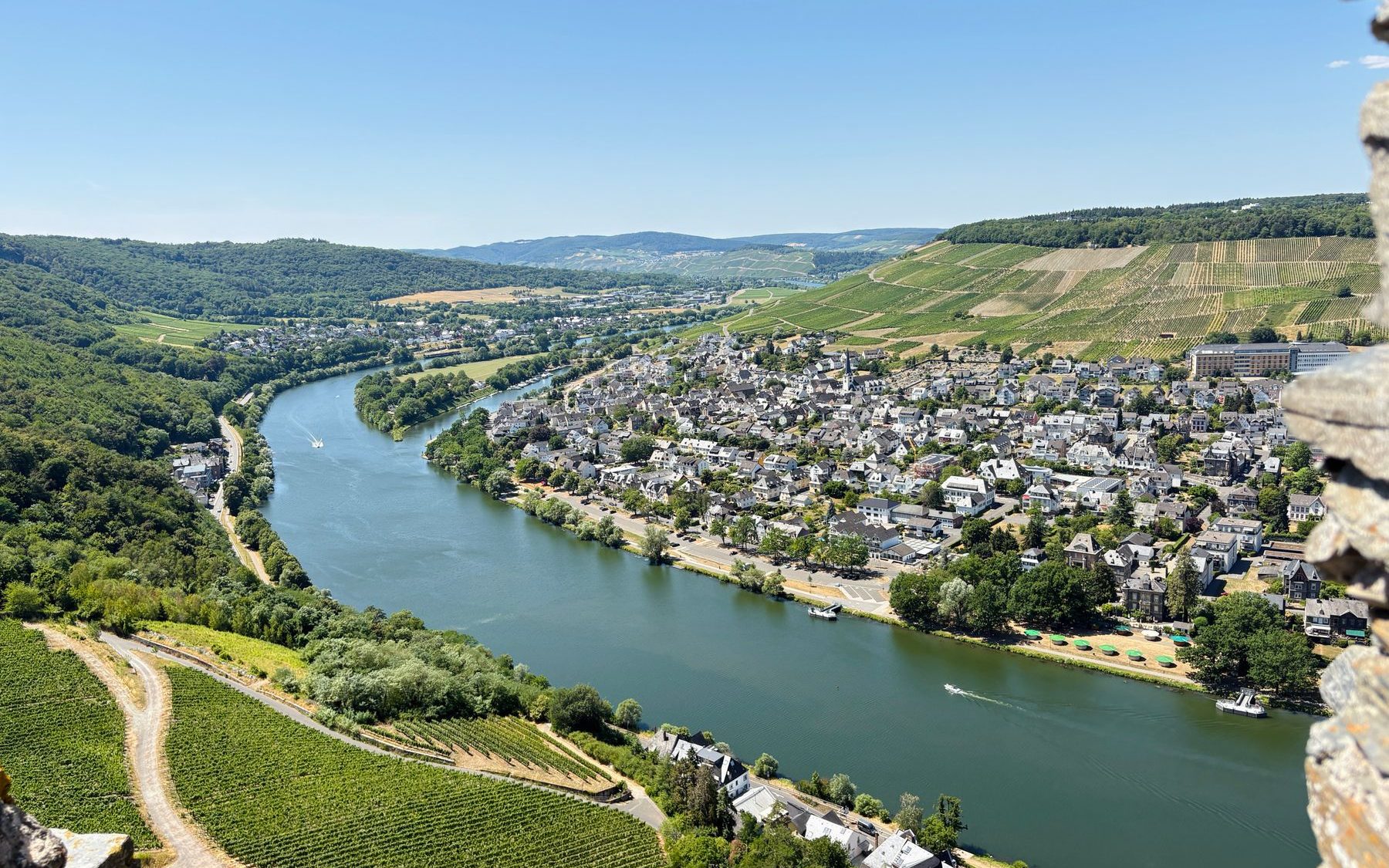
Riesling is Germany’s most planted grape. The Mosel is the most famous region, with vines clinging to some of the steepest slopes anywhere. Its wines are light, low in alcohol and fragrant. The Rheingau, west of Wiesbaden, makes fuller, drier styles. The Pfalz, warmer and sunnier, makes rounder dry Rieslings, and the Nahe sits somewhere in between.
Alsace, France
Just across the Rhine, Alsace makes Riesling that is usually dry and a little fuller than German versions. The region has 51 Grands Crus, and Riesling is one of the grapes allowed to carry the name.
Austria
The Wachau, Kremstal and Kamptal along the Danube make powerful, dry Rieslings with real precision, often alongside Grüner Veltliner.
How to choose a bottle
German labels name the producer, village and often the vineyard, followed by the grape. For dry Riesling, look for trocken or the VDP’s Grosses Gewächs, the top dry wines from the best sites. For a lighter, slightly sweet style, a Mosel Kabinett is a good start. In Alsace, the grape is on the label, and Grand Cru bottles name the vineyard.
What to eat with it
- Pork and sauerkraut: acidity slices through fat.
- Asian dishes: an off-dry Riesling handles chilli heat and sweetness well.
- Trout and freshwater fish: a classic river-valley pairing.
- Choucroute and tarte flambée in Alsace: order a dry Riesling.
Tip: If a German Riesling label doesn’t say trocken and lists alcohol of around 9% or less, expect some sweetness.
Where to taste it on a weekend
Go to the Mosel. Frankfurt and Luxembourg airports are both within easy driving distance, and Koblenz and Trier have rail links. The valley runs between the two cities in loops lined with vines.
- Day 1: Start in Trier, Germany’s oldest city, with Roman ruins and wine stands on the market square. Drive downstream to Bernkastel-Kues, a half-timbered wine town, and taste in its cellars.
- Day 2: Follow the river towards Traben-Trarbach and Cochem, stopping at village wineries. The vineyard walking paths give big views over the river loops.
Plenty of family wineries open for tastings at weekends, but call or book ahead outside the main season. River cruises run in the warmer months, and a short one is a relaxed way to see the slopes.
Tip: Visiting in late summer or autumn? Many Mosel villages hold wine festivals. Check the regional site for this year’s dates.
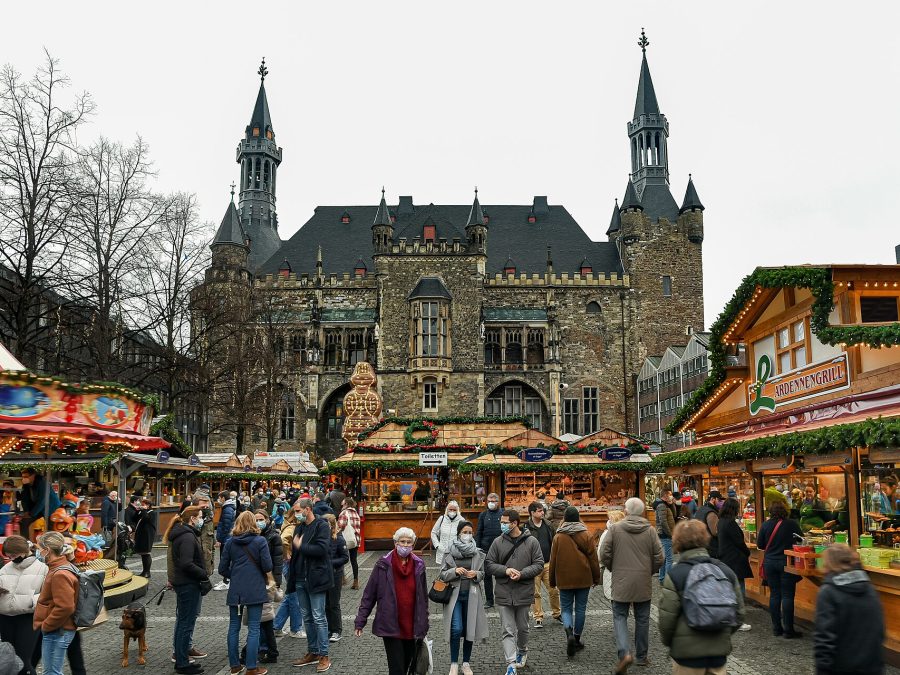
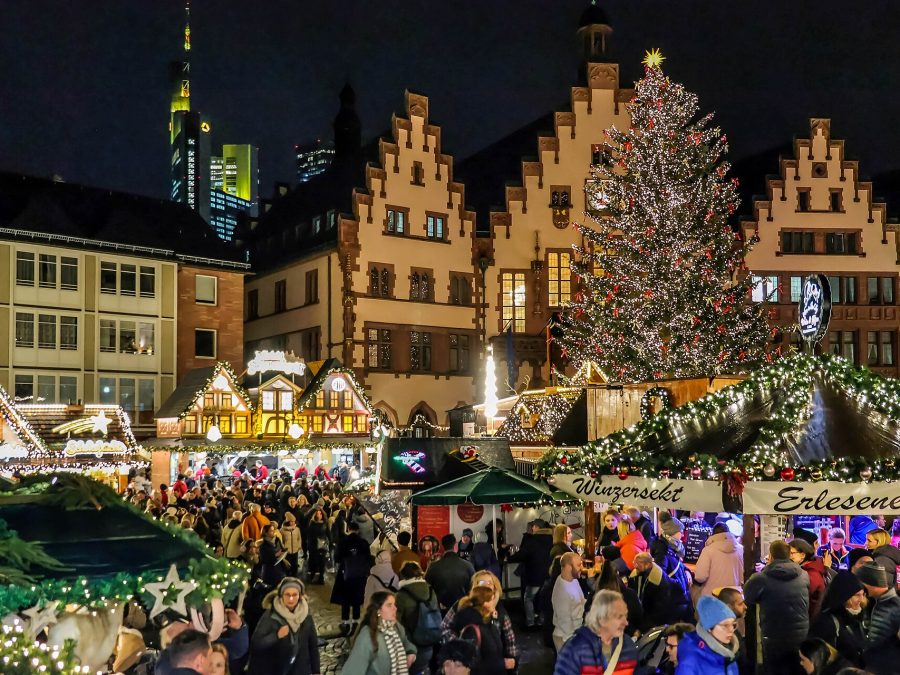
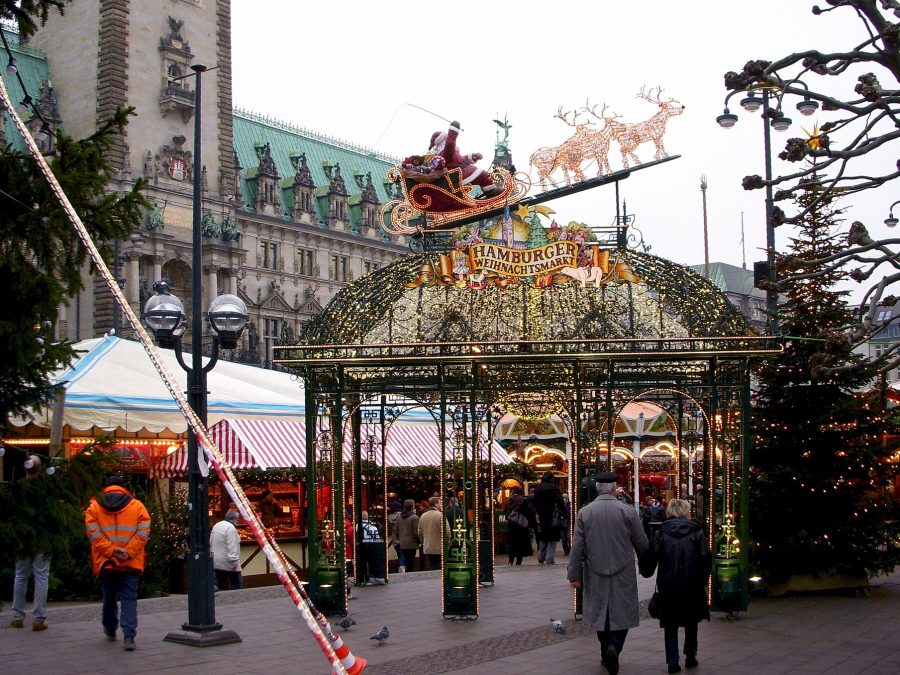
Alsace makes an excellent alternative, with its Route des Vins linking villages such as Riquewihr and Kaysersberg. Pair it with a Christmas trip using our guide to the best Christmas markets in Germany or the best Christmas markets in Europe. For more ideas, see the best wine regions in Europe and our Berlin guide.
FAQ
Is Riesling sweet or dry?
Both. Today much German and almost all Alsace and Austrian Riesling is dry. Look for trocken on German labels if you want dry.
Why does Riesling smell like petrol?
It comes from a compound that develops as the wine ages, especially in sunny years. It’s a normal trait of the grape, not a fault.
What is the best region for Riesling in Germany?
The Mosel is the most famous for light, fragrant wines. The Rheingau and Pfalz are known for drier, fuller styles.
Does Riesling age well?
Yes. Its high acidity lets good examples, dry and sweet, develop for many years.