Sauvignon Blanc is the white you reach for on a warm evening: crisp, aromatic and easy to love. It started in France, and the Loire Valley and Bordeaux still make its most classic versions. It suits anyone who likes fresh, zesty whites, and it gives you a reason to visit some of France’s most relaxed wine country.
What it tastes like
Expect high acidity and bold aromas. In cooler places that means gooseberry, lime, green apple, freshly cut grass and elderflower. In warmer spots it leans towards passion fruit and grapefruit. Loire versions from flinty soils can have a smoky, mineral edge.
Most Sauvignon Blanc is made in stainless steel and drunk young, which keeps it bright. Some producers ferment or age it in oak, which adds texture and a rounder feel. In Bordeaux it’s often blended with Sémillon for extra body.
Where it grows in Europe
The Loire Valley, France
The home of the purest styles. At the eastern end of the valley, Sancerre and Pouilly-Fumé face each other across the river and make some of the world’s most famous Sauvignon Blanc. Nearby Menetou-Salon, Quincy and Reuilly are worth seeking out. Further west, Touraine makes lighter, everyday versions.
Bordeaux, France
Sauvignon Blanc is Bordeaux’s most planted white grape, ahead of Sémillon. Entre-Deux-Mers makes crisp, fresh whites, and Pessac-Léognan makes richer, oak-aged blends. Sauvignon also plays a supporting role in sweet Sauternes.
Elsewhere in Europe
Austria’s Styria, in the south-east of the country, makes intense, vivid Sauvignon Blanc from steep hills near the Slovenian border. Italy’s Friuli and Alto Adige produce precise, aromatic styles. Slovenia’s Goriška Brda, just over the border from Friuli, is a quieter alternative.
How to choose a bottle
In France the label usually names the place, not the grape. Sancerre and Pouilly-Fumé are the benchmarks. Touraine Sauvignon is a lighter, everyday option, and many Touraine producers put the grape name on the front. In Bordeaux, look for Bordeaux Blanc or Entre-Deux-Mers for crisp styles, and Pessac-Léognan for richer, oak-aged blends with Sémillon. Austria’s Styria labels its wines by region and site, and they’re worth trying side by side with a Sancerre.
What to eat with it
- Goat’s cheese: the Loire pairing. Crottin de Chavignol is made right next to Sancerre.
- Seafood: oysters, prawns and white fish.
- Salads and green vegetables: asparagus, peas and herb-heavy dishes that defeat many other wines.
- Thai and Vietnamese food: lime, coriander and chilli meet the wine’s zing.
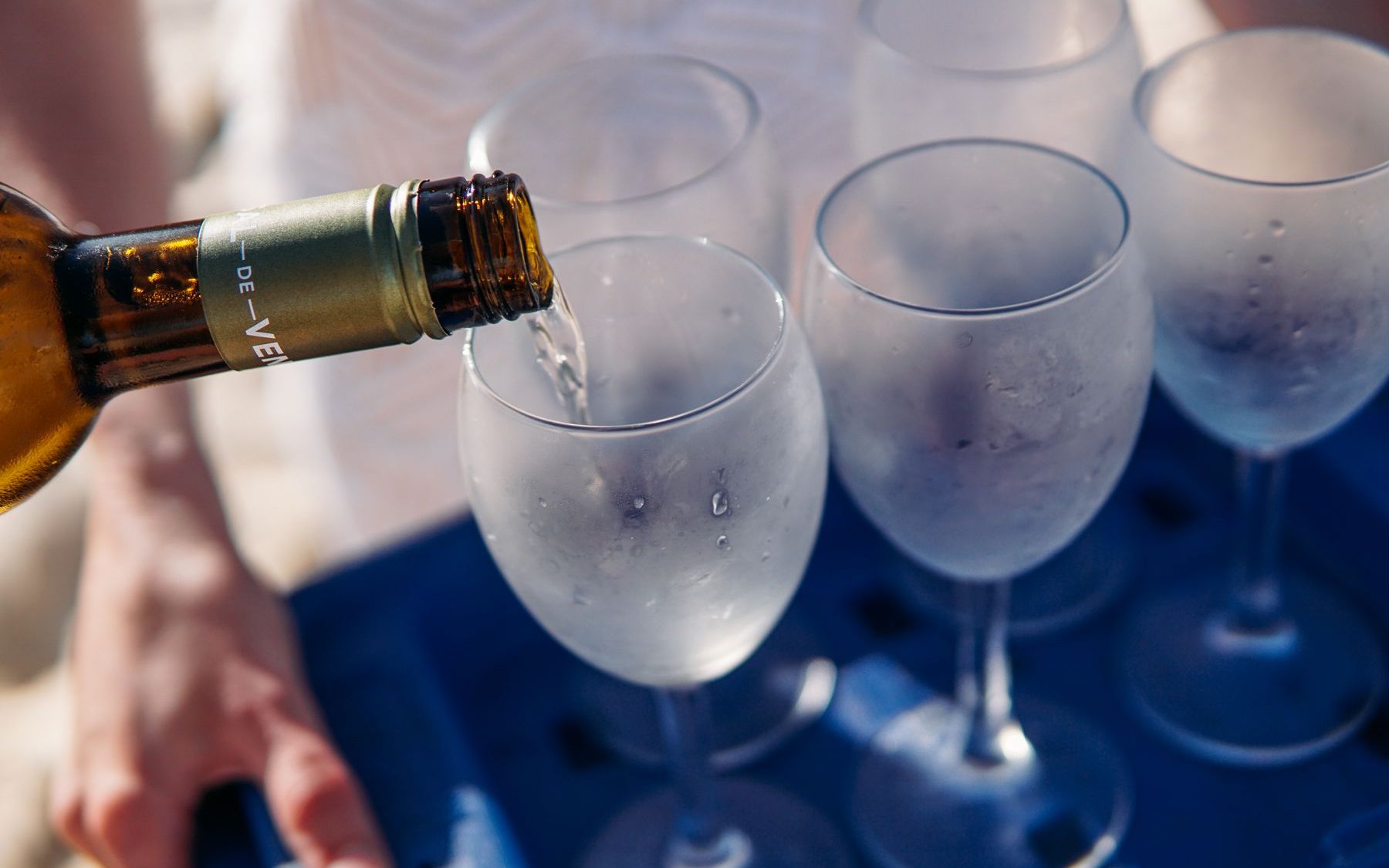
Tip: Drink it young and properly chilled. Most Sauvignon Blanc is at its best within a couple of years of the vintage.
Where to taste it on a weekend
Sancerre is the place. The hilltop town looks over its vineyards, and Pouilly-sur-Loire is just across the river. Trains from Paris run to Cosne-Cours-sur-Loire or Nevers, but a car makes exploring the villages much easier.
- Day 1: Explore Sancerre’s lanes and its panoramic views, then visit Chavignol, a small village known for both goat’s cheese and steep vineyards. Book a tasting at a family estate.
- Day 2: Cross to Pouilly-sur-Loire for Pouilly-Fumé, then follow the river for a lunch stop before heading home.
If you have longer, the Loire’s châteaux are a short drive west. For a Bordeaux angle, combine white tasting in Entre-Deux-Mers with a city weekend in Bordeaux. Many estates in both regions prefer appointments, especially out of season.
Tip: Ask for a vertical tasting, the same wine from different years. It’s the fastest way to see how much the vintage matters.
Read our Bordeaux: the wine and the region guide for more on the region’s whites and reds. Browse the best wine regions in Europe, or plan a Paris stop with where to eat in Paris and things to do in Paris.
FAQ
Is Sancerre a Sauvignon Blanc?
White Sancerre is made from 100% Sauvignon Blanc. Red and rosé Sancerre are made from Pinot Noir.
What is the difference between Sancerre and Pouilly-Fumé?
Both are Loire Sauvignon Blanc from either side of the river. Pouilly-Fumé is often described as slightly smokier, but soil and producer matter more than the name.
Is Sauvignon Blanc dry?
Almost always. The exception is sweet Bordeaux wines such as Sauternes, where it’s blended with Sémillon.
What food goes best with Sauvignon Blanc?
Goat’s cheese, seafood and green vegetables are the classic matches.