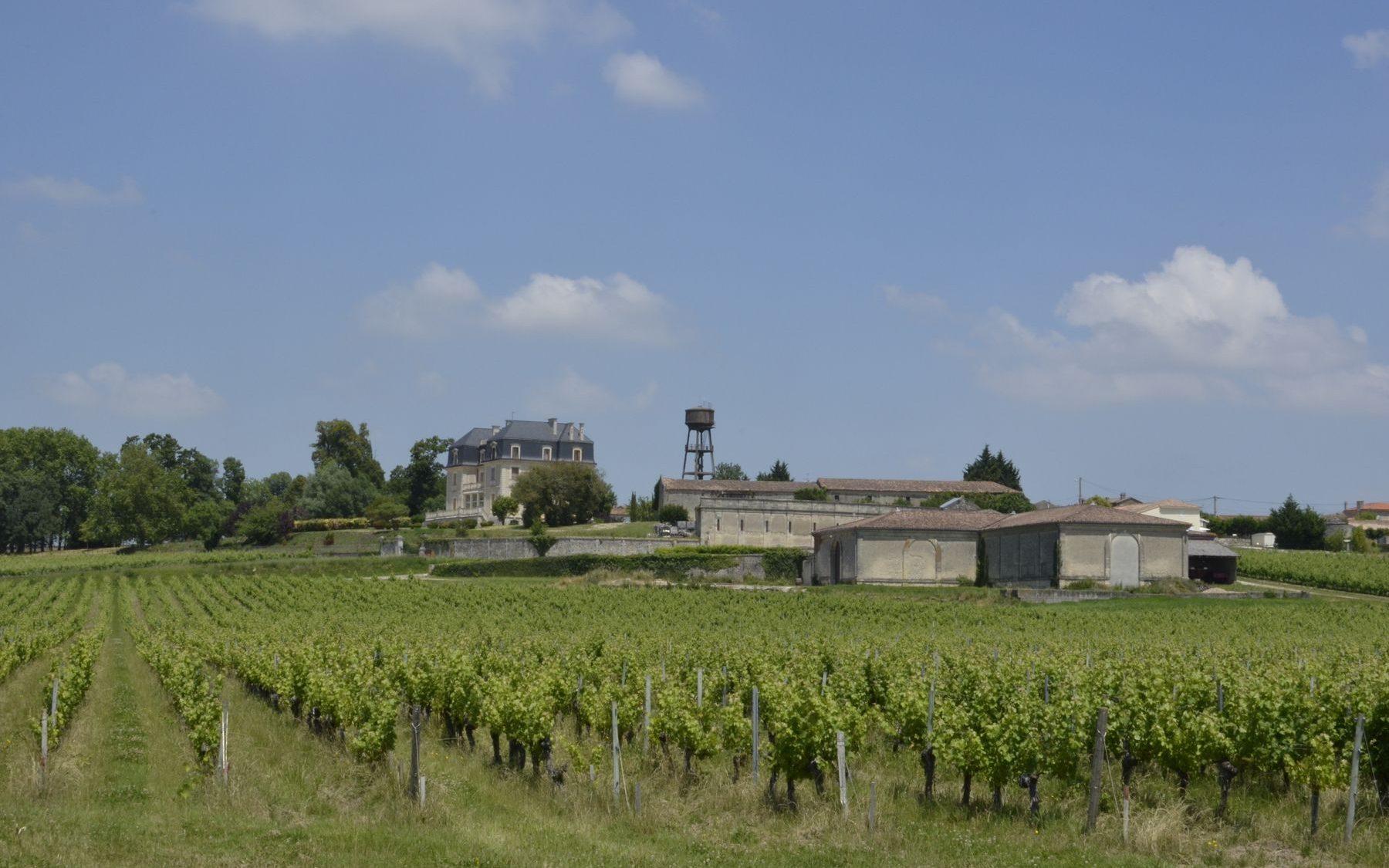
Bordeaux is the most famous wine name in the world, and it is easier to visit than its grand reputation suggests. The city itself is elegant and walkable, and the vineyards start within half an hour. A weekend suits wine lovers who want to understand the classics, and anyone who likes to eat well.
Bordeaux
Don’t miss
The places that make the trip, and why each one deserves your time.

PA / Wikimedia Commons, CC BY-SA 4.0 La Cité du Vin
The wine museum and cultural centre on the river is the ideal primer before the vineyards, explaining the grapes, banks and blends you are about to taste.
A good rainy-day stop before you head out.
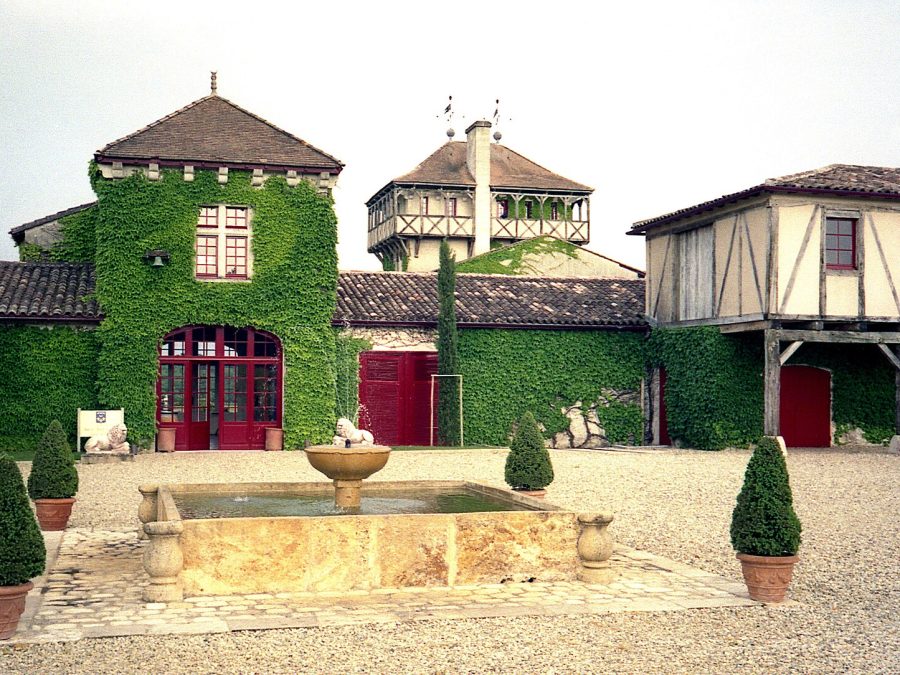
Benjamin Zingg, Switzerland / Wikimedia Commons, CC BY-SA 2.5 Château Smith Haut Lafitte
About 20 minutes south of the city, guided visits take in the barrel cellar and the estate's own cooperage, with Les Sources de Caudalie next door.
Guided visits are by appointment only.
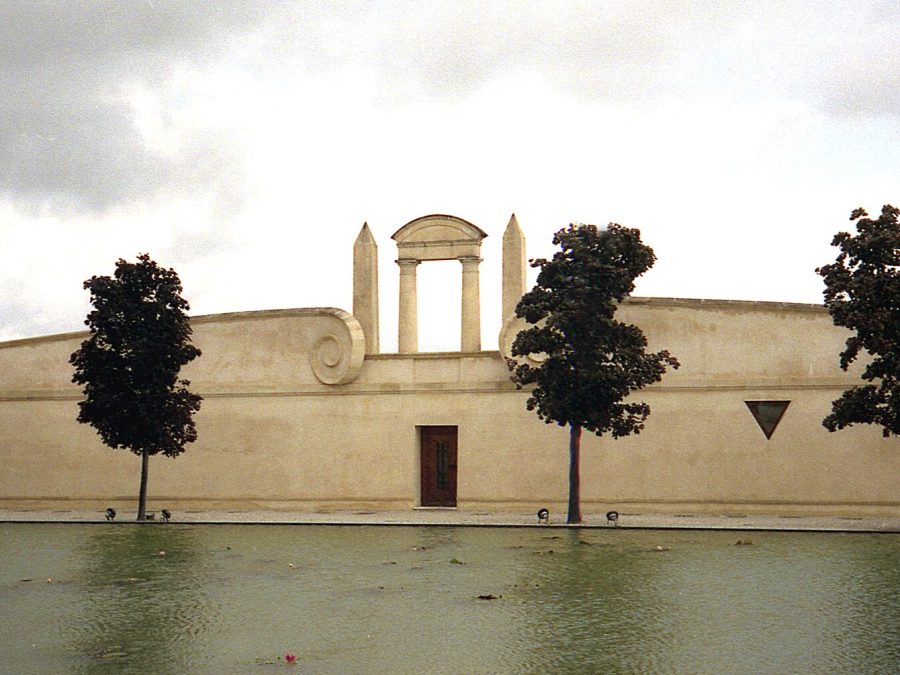
Benjamin Zingg, Switzerland / Wikimedia Commons, CC BY-SA 2.5 Château Pichon Baron
One of the most welcoming Second Growths in Pauillac, with a tour of the vineyard and cellars followed by a tasting of Cabernet-led Left Bank wine.
Open year-round, by appointment only.
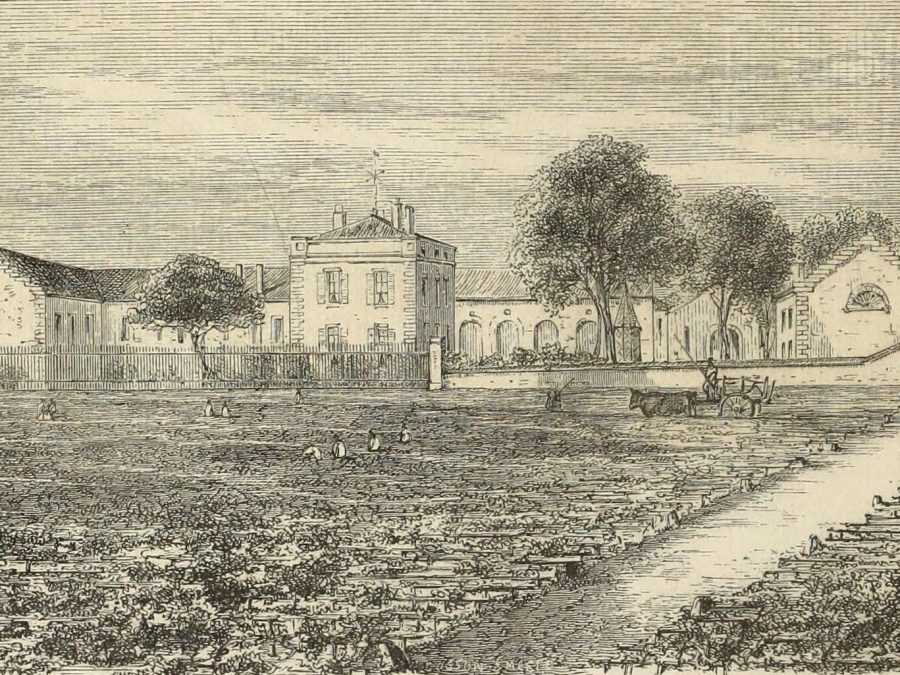
Charles Lallemand / Wikimedia Commons, CC0 Château Lynch-Bages and Bages
Cellar visits sit beside the little village of Bages, where a café, bakery and shops make a pleasant pause between Pauillac tastings.
Cellar visits by booking only.
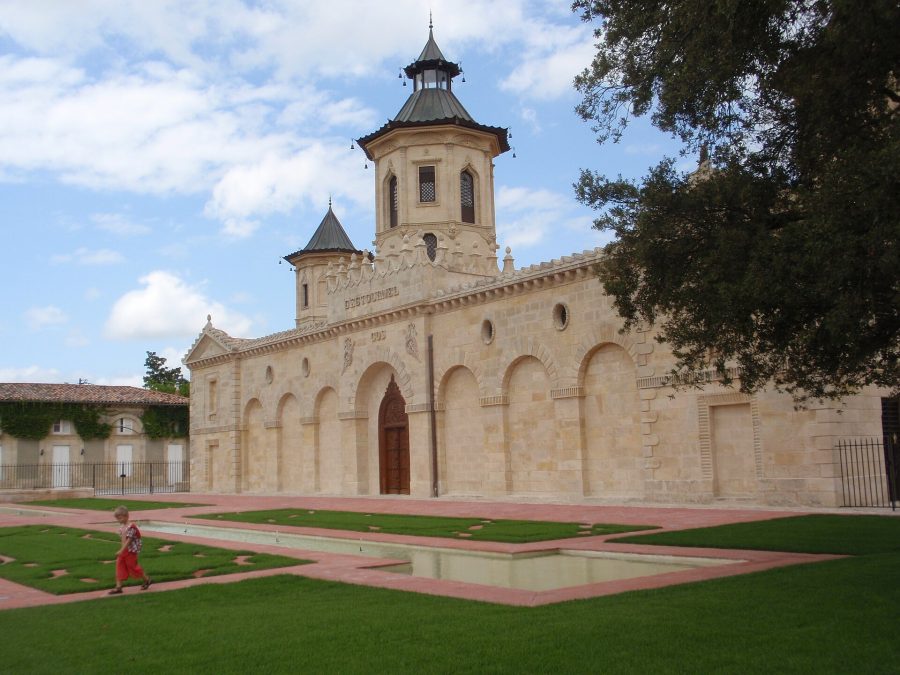
ThomasPusch / Wikimedia Commons, CC BY-SA 4.0 Château Cos d'Estournel
Its pagoda-topped cellars are among the most striking sights in the Médoc, and visits are structured and booked through the château.
Book through the château's own website before you travel.
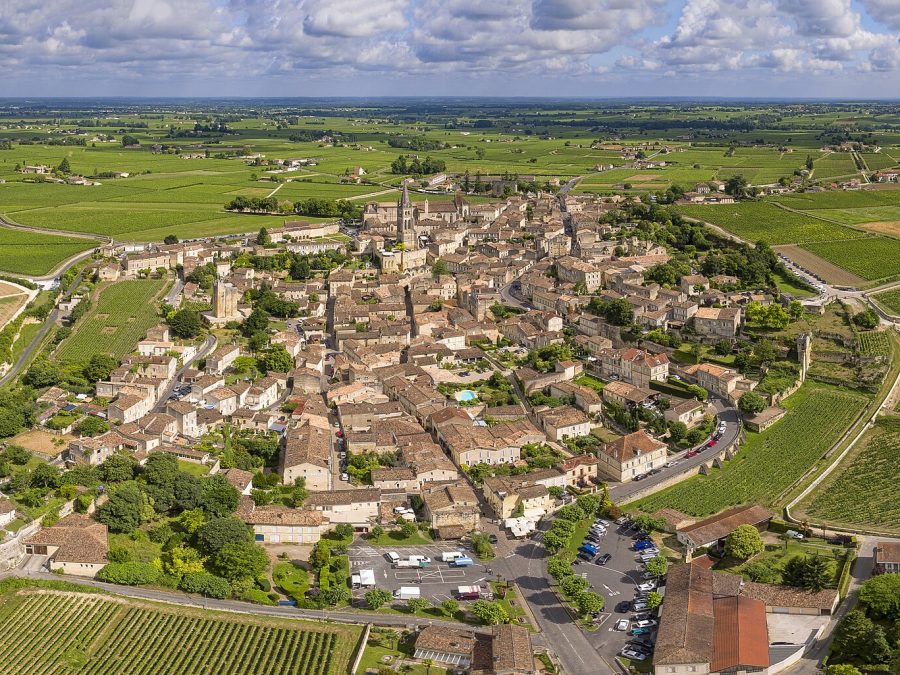
Chensiyuan / Wikimedia Commons, CC BY-SA 4.0 Saint-Émilion
A UNESCO-listed medieval village on a limestone hill, ringed by vines, where you can buy soft almond macarons made here for centuries.
Reachable by regional train and compact enough to walk.
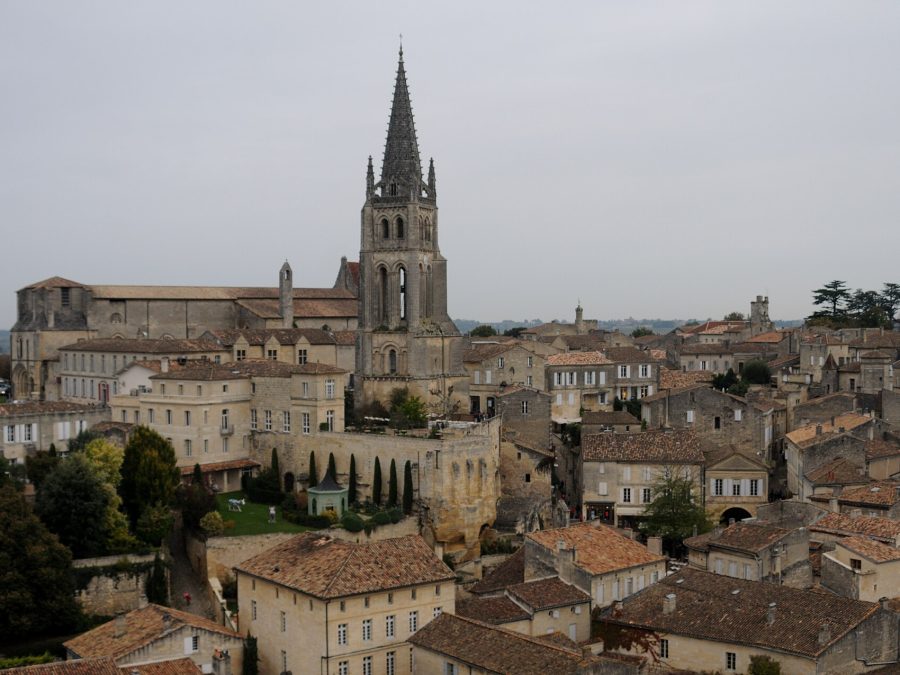
Josep M. Gracia / Wikimedia Commons, CC BY-SA 4.0 Monolithic Church of Saint-Émilion
An underground church carved out of the limestone beneath the village, the most remarkable sight in Saint-Émilion and an easy part of a day trip from Bordeaux.
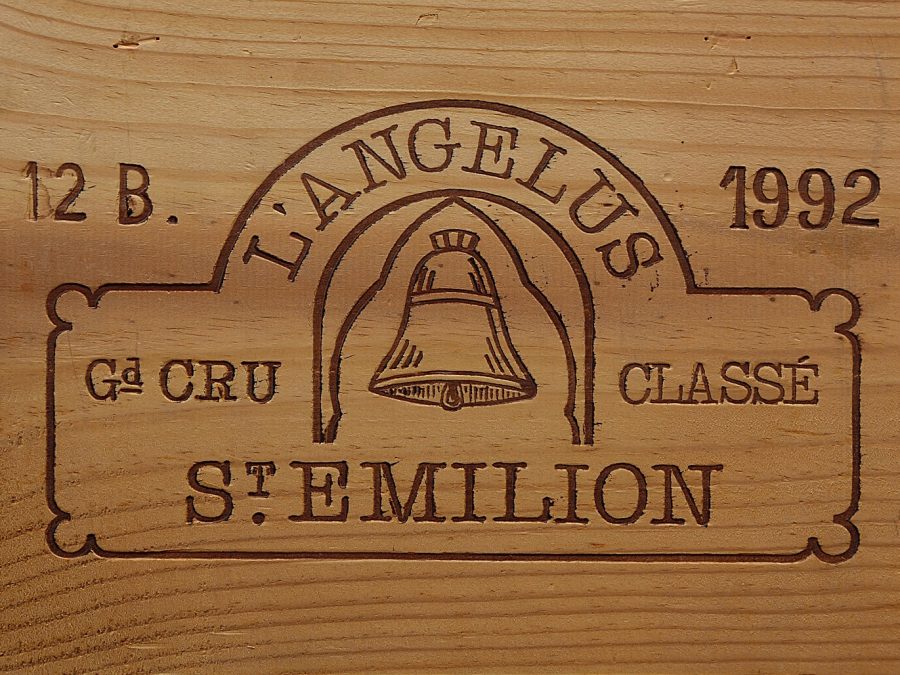
Jamain / Wikimedia Commons, CC BY-SA 3.0 Château Angélus
One of the Right Bank's grandest estates, where Merlot from clay and limestone soils shows a softer, plummy side of Bordeaux.
Visits by appointment, in French and English.

The wine in a glass
Bordeaux is a region of blends. Red wines are built on Cabernet Sauvignon and Merlot, with Cabernet Franc and smaller amounts of Petit Verdot and Malbec. Expect blackcurrant, cedar and graphite in the Cabernet-led wines, and softer plum and chocolate in the Merlot-led ones. The whites blend Sauvignon Blanc and Sémillon, and the sweet wines of Sauternes are among the world’s great dessert wines.
Left Bank and Right Bank
The Gironde estuary and its two rivers split the region. On the Left Bank, gravel soils suit Cabernet Sauvignon. This is the Médoc and Haut-Médoc, with the famous villages of Margaux, Saint-Julien, Pauillac and Saint-Estèphe, plus Pessac-Léognan and Graves south of the city, and Sauternes beyond. On the Right Bank, clay and limestone favour Merlot, in Saint-Émilion and Pomerol. Between the two rivers lies Entre-Deux-Mers, best known for crisp, good-value whites.
The 1855 Classification
Ahead of the 1855 Paris Exposition, Bordeaux’s merchants ranked the Médoc’s leading châteaux, plus Haut-Brion, into five growths (crus). It covered the sweet wines of Sauternes and Barsac too. It has barely changed since, and the "first growths" still sit at the top. Saint-Émilion has its own classification, revised regularly. For grape background, see our guides to Merlot and Cabernet Sauvignon.
Where to base yourself
- Bordeaux city: The best choice for a first visit. Stay in the old centre and do day trips by car, tour or train.
- Saint-Émilion: A medieval village on a limestone hill, ringed by vines and listed by UNESCO. Lovely for a quiet night or two.
- The Médoc: Rural and spread out, with a few château hotels. Pick it if you want to wake up among the vines.
Châteaux to visit
Very few great châteaux take walk-ins. Almost every visit is by appointment, and the most famous need weeks or even months of notice. Book through each château’s own website or by email before you travel.
- Château Pichon Baron, Pauillac: One of the most welcoming Second Growths, open year-round by appointment, with a tour of the vineyard and cellars and a tasting.
- Château Lynch-Bages, Pauillac: Cellar visits by booking, next to the village of Bages, which has a café, bakery and shops worth a stop.
- Château Cos d’Estournel, Saint-Estèphe: Known for its pagoda-topped cellars and structured visits booked through the château.
- Château Smith Haut Lafitte, Pessac-Léognan: About 20 minutes south of the city. Guided visits by appointment include the barrel cellar and the estate’s own cooperage. The neighbouring hotel, Les Sources de Caudalie, has a two-Michelin-star restaurant.
- Château Angélus, Saint-Émilion: Visits by appointment, in French and English, on one of the Right Bank’s grandest estates.
Tip: If you want to see a first growth such as Mouton Rothschild or Margaux, send your request two months or more ahead. Both open on weekdays only, and tastings at Margaux are mainly for the trade.
Back in the city, La Cité du Vin, the wine museum and cultural centre on the river, celebrated its tenth anniversary in June 2026. It is a good rainy-day primer before you head out to the vineyards.
What to eat
- Entrecôte à la bordelaise: Steak with a red wine and shallot sauce, sometimes grilled over vine cuttings.
- Canelés: Small caramelised cakes with a soft, rum-scented centre. Buy them warm.
- Arcachon Bay oysters: Best with a glass of chilled Entre-Deux-Mers.
- Saint-Émilion macarons: A soft almond biscuit, made in the village for centuries.
- Agneau de Pauillac: Milk-fed lamb from the Médoc, a natural match for its reds.
When to go
The harvest usually runs from September into October. It is the most atmospheric time, but some châteaux limit visits while they pick. Spring and early summer are quieter, with long evenings. In winter many estates keep shorter hours, though the city is lively all year.
Tip: Plan the Left Bank and the Right Bank on separate days. They lie on opposite sides of the city, and trying both in one day means more driving than tasting.
Getting around
Bordeaux’s trams cover the centre and the riverside. For the Médoc, hire a car with a designated driver, book a driver-guide or join a small-group tour. Saint-Émilion is reachable by regional train, and the village is compact enough to explore on foot.
FAQ
Can you visit Bordeaux châteaux without an appointment?
Rarely. Most châteaux only take visitors by appointment, so book before you travel, especially from May to October.
What is the difference between the Left Bank and the Right Bank?
Left Bank wines, such as those from Pauillac and Margaux, are mainly Cabernet Sauvignon. Right Bank wines, from Saint-Émilion and Pomerol, are mainly Merlot.
Is Saint-Émilion worth a day trip from Bordeaux?
Yes. The UNESCO-listed village, its underground monolithic church and the surrounding châteaux make an easy and rewarding day out.
When is the Bordeaux harvest?
Usually from September to early or mid-October, depending on the year and the grape.
Comparing regions? Read our weekends in La Rioja and Piedmont, or browse the best wine regions in Europe.