Grenache is a sun-lover. Called Garnacha in Spain, where it most likely originated, it makes juicy, spicy reds and some of Europe’s best rosés. It suits anyone who likes ripe, generous wines, and its homelands in the southern Rhône and north-east Spain make warm, relaxed wine weekends.
What it tastes like
Expect strawberry, raspberry and red cherry, with white pepper, dried herbs (the scrubland garrigue of southern France) and sometimes liquorice. Grenache is pale for a red but high in alcohol, with soft tannins and modest acidity. It feels warm and round.
Old vines, common in Spain and the Rhône, give smaller crops of more concentrated fruit, with real depth and structure.
White and pink cousins
Grenache Blanc is a white mutation of the grape and an important white variety in southern France and Spain. It makes full, round whites with pear and herb notes. Grenache Gris, with pinkish skins, goes into pale rosés and whites in Roussillon.
Where it grows in Europe
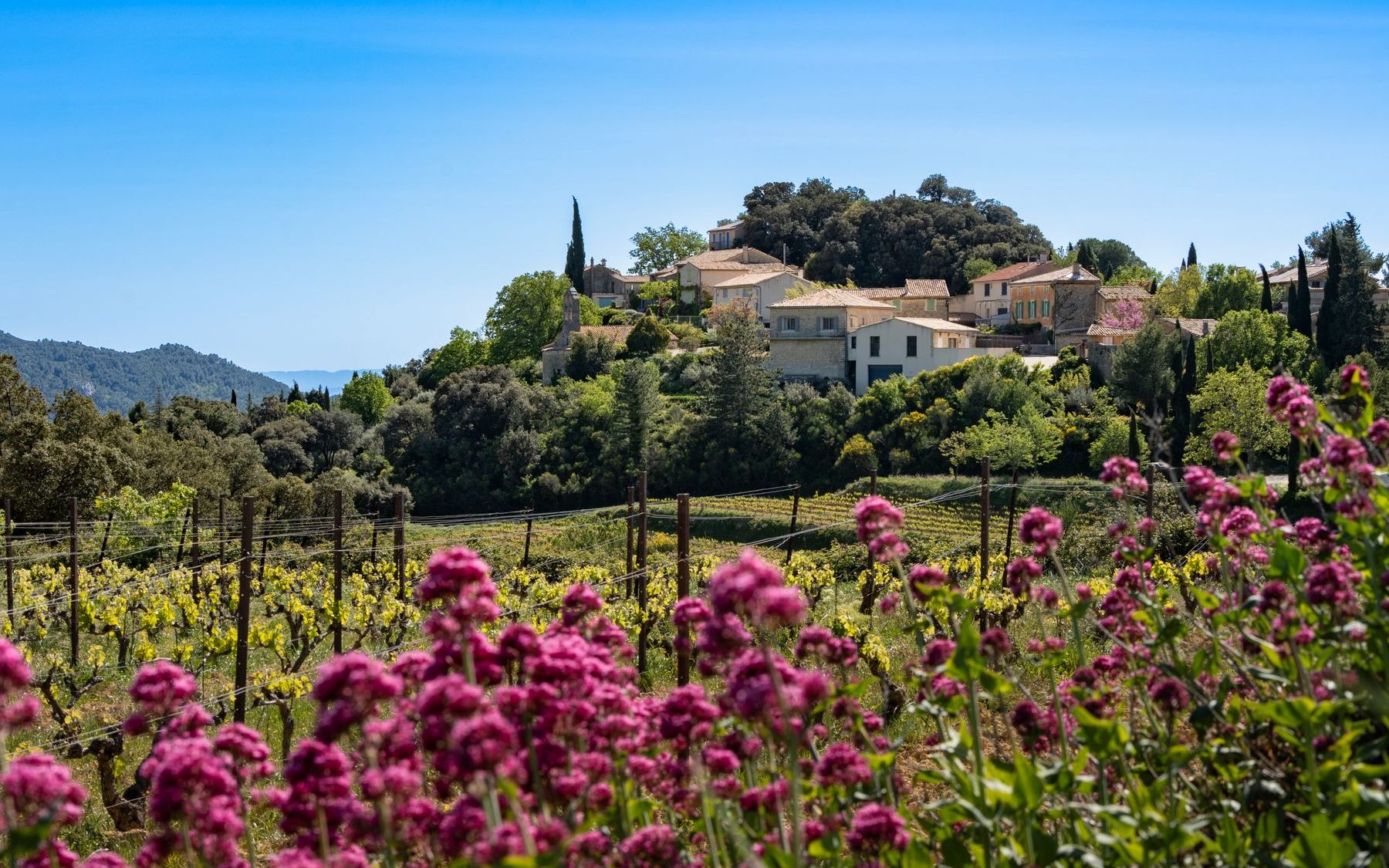
The southern Rhône, France
Grenache is the lead grape here. In Châteauneuf-du-Pape, 13 grape varieties are allowed, but Grenache dominates most of the wines, usually blended with Syrah and Mourvèdre. Gigondas, Vacqueyras and Côtes du Rhône also lean on it. Tavel and Lirac make Grenache-based rosés.
Provence and Roussillon, France
Grenache is central to Provence’s pale rosés. In Roussillon, near the Spanish border, it makes the sweet fortified wines of Banyuls and Maury, as well as dry reds.
Spain
Priorat, in the hills inland from Tarragona in Catalonia, holds Spain’s top DOQ (Qualified Denomination of Origin) status. Its old Garnacha vines grow on dark slate soils called llicorella and give intense, mineral reds. Aragón regions such as Campo de Borja, Calatayud and Cariñena make juicy, great-value Garnacha. In Rioja, Garnacha is mostly grown in Rioja Oriental and blended with Tempranillo.
Sardinia, Italy
Here it’s called Cannonau, and the island claims it as its own. It makes warm, spicy reds.
How to choose a bottle
French labels rarely name Grenache, so look for the place: Côtes du Rhône and Côtes du Rhône Villages for everyday drinking, Gigondas and Vacqueyras for more depth, and Châteauneuf-du-Pape for the region’s most famous reds. In Spain the grape is usually on the label as Garnacha. Old-vine bottlings, often marked viñas viejas or vieilles vignes, tend to be the most concentrated. For something lighter, Provence and Tavel rosés show the grape’s fresh, red-fruited side.
What to eat with it
- Grilled lamb and sausages: with a Côtes du Rhône.
- Provençal daube: a slow-cooked beef stew.
- Romesco and calçots: Catalan grilled onions with nut sauce, with a Priorat or Montsant.
- Chocolate desserts: with sweet Banyuls.
Tip: Grenache can taste hot when served warm. A short chill brings it back into balance.
Where to taste it on a weekend
Option 1: Châteauneuf-du-Pape. Fly to Marseille or take the fast train to Avignon. The village is about 20 minutes’ drive away, crowned by the ruins of the popes’ summer castle. Taste in its many cellars on Day 1, then explore Gigondas and the Dentelles de Montmirail on Day 2.
Option 2: Priorat. Fly into Barcelona or Reus. The region is about two hours’ drive from Barcelona. Base yourself in Falset or a small village such as Gratallops, and take in the dramatic terraces and the Siurana gorge.
Tip: Priorat’s roads are winding and steep. Allow plenty of time between visits, and book cellar tours ahead.
For a Rioja angle, read La Rioja: the wine and the region. Add a city break with Barcelona, and browse the best wine regions in Europe and the best holiday destinations in Spain.
FAQ
Does Grenache age well?
Most Grenache is made to drink within a few years. Old-vine wines from Châteauneuf-du-Pape and Priorat can age for a decade or more.
Is Grenache the same as Garnacha?
Yes. Garnacha is the Spanish name, Grenache the French, and Cannonau the Sardinian.
What is a GSM wine?
A blend of Grenache, Syrah and Mourvèdre, the classic southern Rhône recipe that Australia also made popular.
Is Châteauneuf-du-Pape made from Grenache?
Mostly. Thirteen grape varieties are allowed, but Grenache dominates most of the wines.
Is there a white Grenache?
Yes. Grenache Blanc is a white mutation of the grape, used for full, round whites.