Eating well in Paris is less about chasing the newest opening and more about knowing a few reliable addresses in each part of town. This guide covers the dishes to try first, then trusted places by neighbourhood, each one checked as trading in 2026. It suits weekenders who want one great meal a day without spending hours on research.
The dishes to try
Croissant and pain au chocolat
The test of a Paris bakery is its croissant: shatteringly crisp outside, soft and buttery in layers within. Buy one warm in the morning and eat it on the pavement, as everyone else does.
Steak frites
The bistro standard. Order it saignant (rare) or à point (medium) and expect a proper sauce on the side, often béarnaise or pepper.
Galettes and crêpes
Buckwheat galettes from Brittany are savoury, usually with egg, ham and cheese (complète). Follow with a sweet crêpe and drink cider from a ceramic bowl.
Onion soup, snails and other bouillon classics
Paris’s old working-class dining halls, the bouillons, serve the classics quickly: onion soup, snails in garlic butter, egg mayonnaise, blanquette de veau. Good for a first night.
Hot chocolate and pâtisserie
Parisian hot chocolate is thick enough to coat the spoon. Pair it with a Mont-Blanc, a meringue dome wrapped in chestnut cream, or an éclair from a good pâtisserie.
Cheese and natural wine
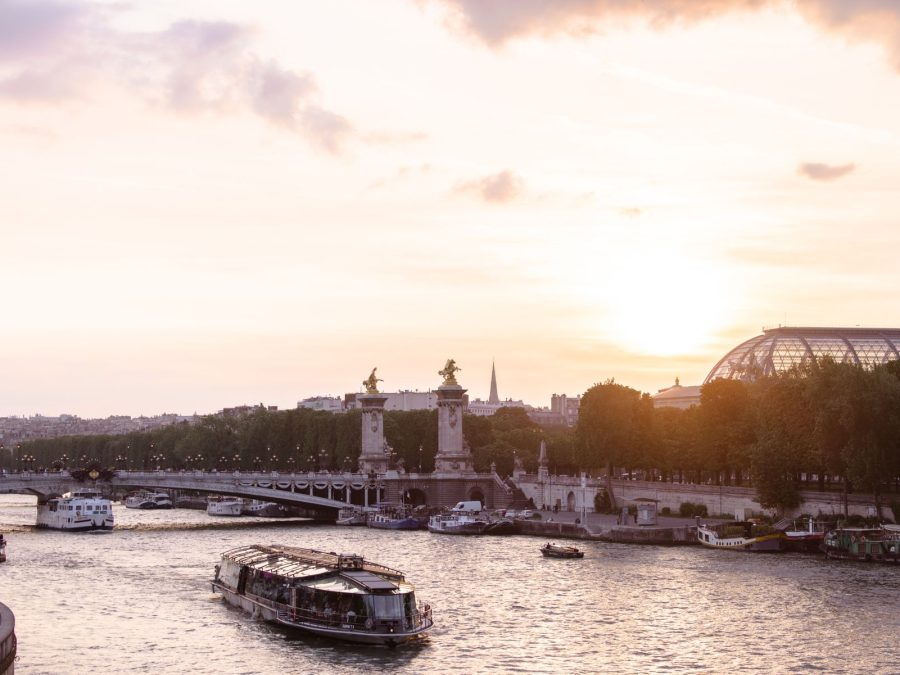
Buy cheese from a fromagerie, a baguette from the bakery next door, and a bottle from a wine shop. It’s the best picnic in Europe, and the Seine quays are the table.
Where to eat, by neighbourhood
Grands Boulevards (9th): Bouillon Chartier
The Chartier brothers opened this belle-époque dining hall in 1896, and the mirrors, brass rails and white-aproned waiters are still in place. It’s open every day with non-stop service and no reservations, so expect a short queue at peak times. Branches at Montparnasse and Gare de l’Est share the format. It’s one of the best-value classic French meals in the city.
Saint-Germain-des-Prés (6th): Café de Flore and Ze Kitchen Galerie
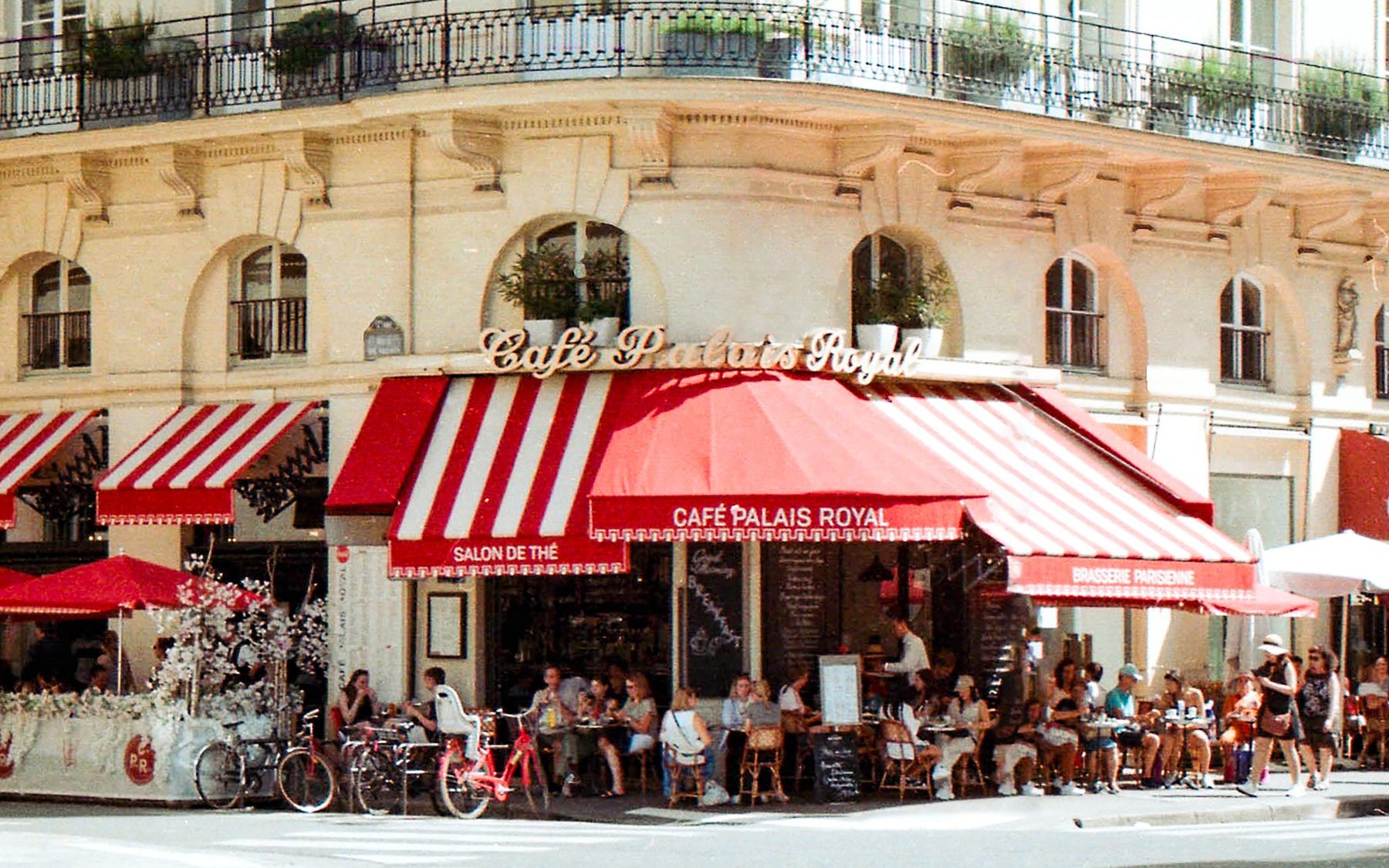
Café de Flore, on boulevard Saint-Germain since around 1887, is the Left Bank café institution: order a coffee or a hot chocolate on the terrace and watch the boulevard. For a special dinner nearby, Ze Kitchen Galerie on rue des Grands Augustins is chef William Ledeuil’s long-running modern French table, with Asian herbs, broths and spices. Book ahead.
Tuileries and rue de Rivoli (1st): Angelina
Founded in 1903, Angelina’s tea room on rue de Rivoli is famous for its hot chocolate and Mont-Blanc. The room is all mirrors and gilt, and it fits neatly between the Louvre and the Tuileries Garden.
Le Marais (3rd and 4th): Breizh Café
Breizh Café brings Breton galettes and crêpes to Paris with quality buckwheat, butter and a serious cider list. The Marais branch is the classic; there are now several others across the city.
Canal Saint-Martin (10th): Holybelly and Du Pain et des Idées
Holybelly on rue Lucien Sampaix has been a brunch favourite since 2013, with pancakes, eggs and good coffee. It opens daily from 9am to 5pm, takes no bookings and can’t seat groups larger than six, so go early or mid-afternoon. A few streets away, Du Pain et des Idées, founded in 2002, bakes some of the city’s best bread and its pastry escargots. The bakery opens Monday to Friday and closes at weekends.
Tip: Holybelly closes for set holiday periods, including 21–27 December 2026. Check its site before planning a festive brunch.
Bastille and Charonne (11th): Septime
Septime on rue de Charonne made the 11th a food destination, with seasonal, vegetable-led tasting menus. It opens for lunch and dinner Monday to Friday and is closed at weekends. Bookings open daily at 10am for the following three weeks, and tables go fast.
Tip: Plan your weekend around opening days. Septime and Du Pain et des Idées close at weekends, so if you arrive on a Friday, make that your day for both.
Ordering like a local
A few habits make every meal easier. At the bakery, ask for a baguette tradition: it’s made to a stricter recipe and is worth the small extra wait. In cafés, a coffee at the counter is quicker than a table, and un café means an espresso; ask for un crème if you want milk. Tap water comes free if you ask for une carafe d’eau. At lunch, many bistros chalk a formule (set menu) on a board, often the best-value way to eat well. And don’t rush: nobody will bring the bill until you ask for l’addition.
How to eat well on a weekend
Aim for one sit-down meal a day and fill the rest with bakeries, markets and cafés. Lunch is often the best-value time to try a serious restaurant. Book dinner a few days ahead for anywhere popular; walk-in places like Bouillon Chartier and Holybelly are your backup. For a two-day route that threads these places together, see our Paris weekend guide, and for sights to pair with them, try things to do in Paris.
If you’re planning a wider food trip, our best wine regions in Europe and Bordeaux guide make easy add-ons from Paris.
FAQ
Do I need to book restaurants in Paris?
For popular places, yes, especially for dinner at weekends. Bouillon Chartier and Holybelly don’t take bookings, so arrive early instead.
What food is Paris famous for?
Croissants and baguettes, steak frites, onion soup, crêpes, cheese and pâtisserie. Hot chocolate is a local speciality too.
Where can I eat a classic French meal without spending much?
Bouillon Chartier is the classic answer: belle-époque surroundings, traditional dishes and fast service, open every day.
Which Paris restaurants are closed at weekends?
Many independent places close on Saturday or Sunday. Septime and the bakery Du Pain et des Idées are both closed at weekends, so plan them for a weekday.
Is tipping expected in Paris restaurants?
Service is included in the bill. Leaving a little extra for good service is appreciated but not required.