Sicily is the Mediterranean’s biggest island and feels like a small country: Greek temples, Arab-Norman churches, baroque towns and an active volcano. It is too big for a single weekend, so the trick is to pick one side and do it well. It suits history lovers, food lovers and anyone who wants sun well into October.
Why go
Few places hold so many layers of history in so little space. Greeks, Romans, Arabs, Normans and Spaniards all ruled here, and each left something behind: temples in Agrigento, golden mosaics in Palermo and baroque façades across the south-east.
Then there is the food. Palermo is one of Europe’s great street-food cities, and every town has its own pastries, from cannoli to almond biscuits. Add volcanic wines from Etna and fish straight off the boats.
The landscape keeps changing too. You get black lava fields on Etna, white cliffs at Scala dei Turchi and clear blue water around the Egadi Islands.
Sicily
Don’t miss
The places that make the trip, and why each one deserves your time.

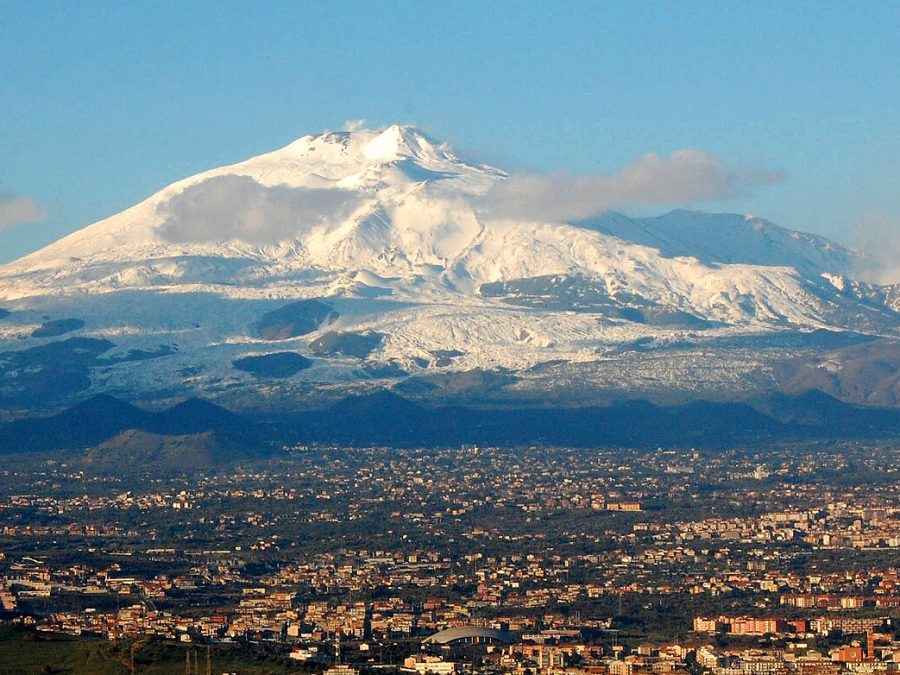
BenAveling / Wikimedia Commons, CC BY-SA 4.0 Mount Etna
Europe's most active volcano: walk the Silvestri Craters from Rifugio Sapienza, then ride the cable car and 4x4s up across black lava fields.
Bring a warm layer and proper shoes, even in summer.
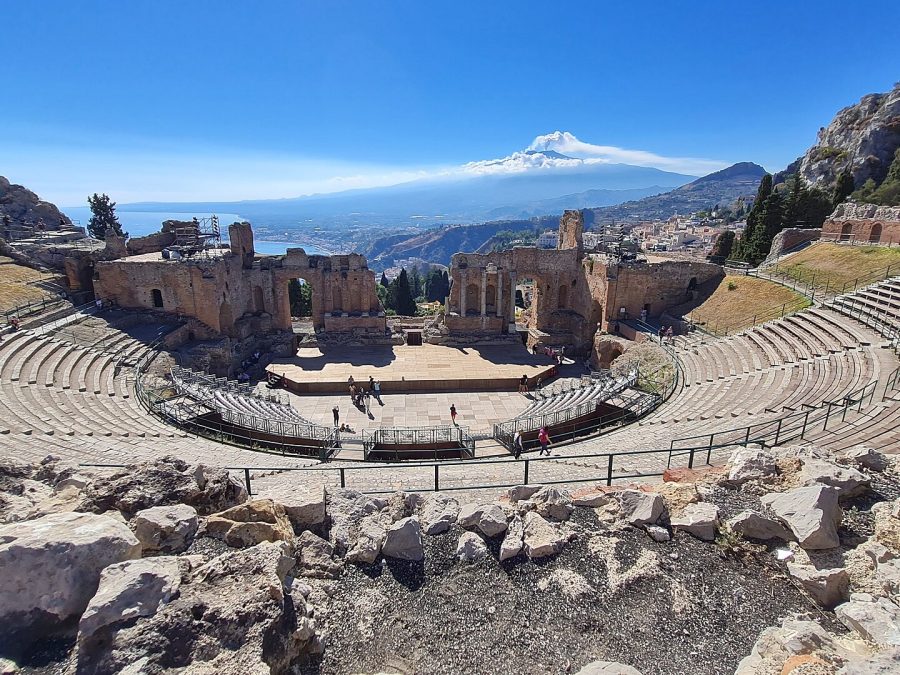
Derbrauni / Wikimedia Commons, CC BY 4.0 Ancient Theatre of Taormina
A Greek-Roman theatre on a terrace above the sea, framing Etna behind it in one of the most famous views in Italy.
Go early or late to avoid tour groups.
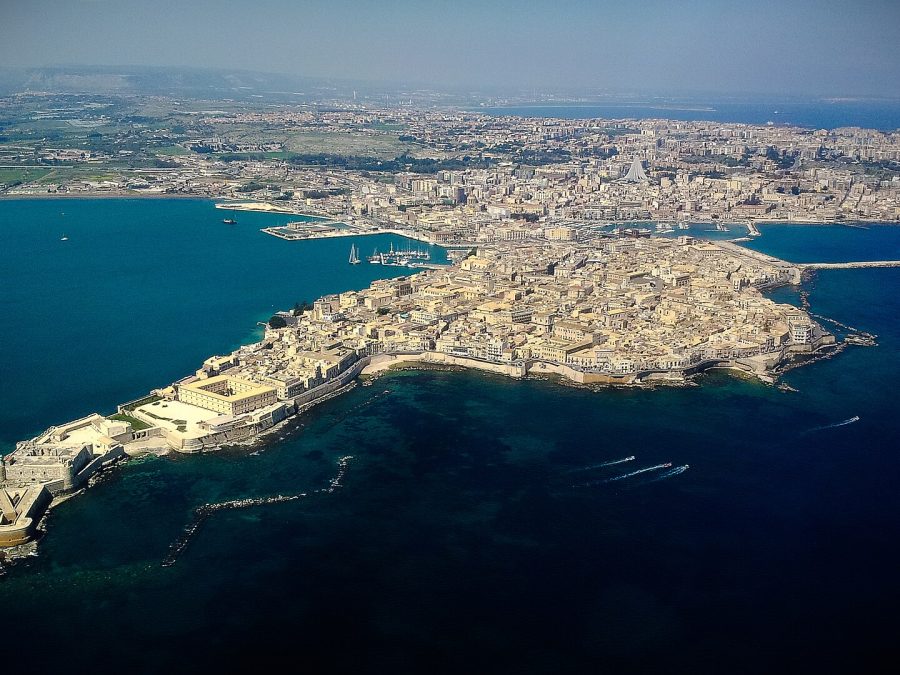
Agostino Artnoir Sella / Wikimedia Commons, CC BY-SA 2.0 Ortigia
Syracuse's island old town, where the baroque cathedral is built around Greek temple columns and the lanes lead down to the sea and a morning food market.
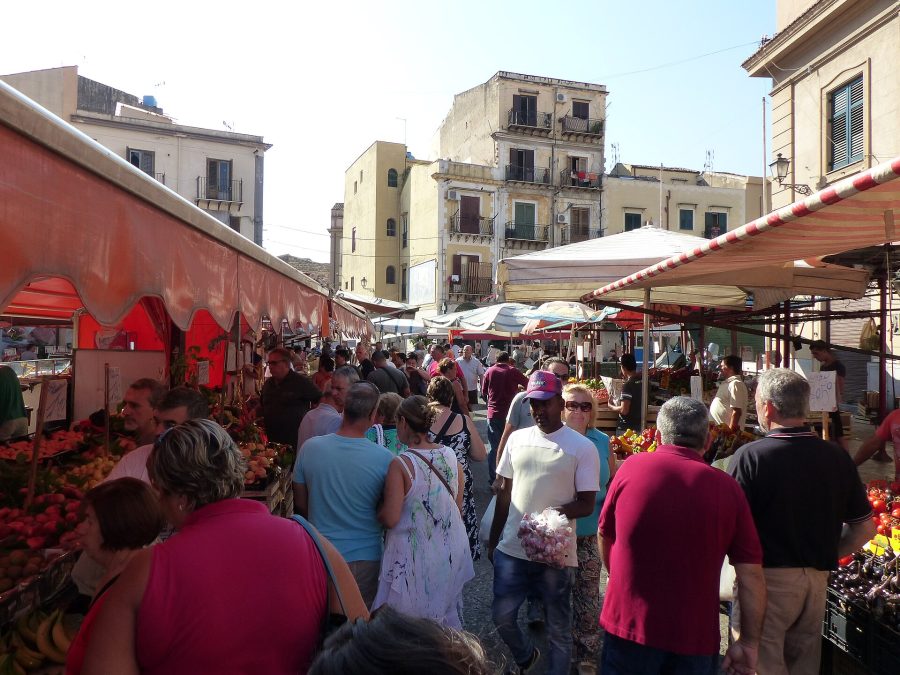
Benjamín Núñez González / Wikimedia Commons, CC BY-SA 4.0 Ballarò market, Palermo
Palermo at its loudest and best: stalls of produce and street snacks such as pane e panelle and arancine in the heart of the old town.
Go in the morning, ideally before 10am.
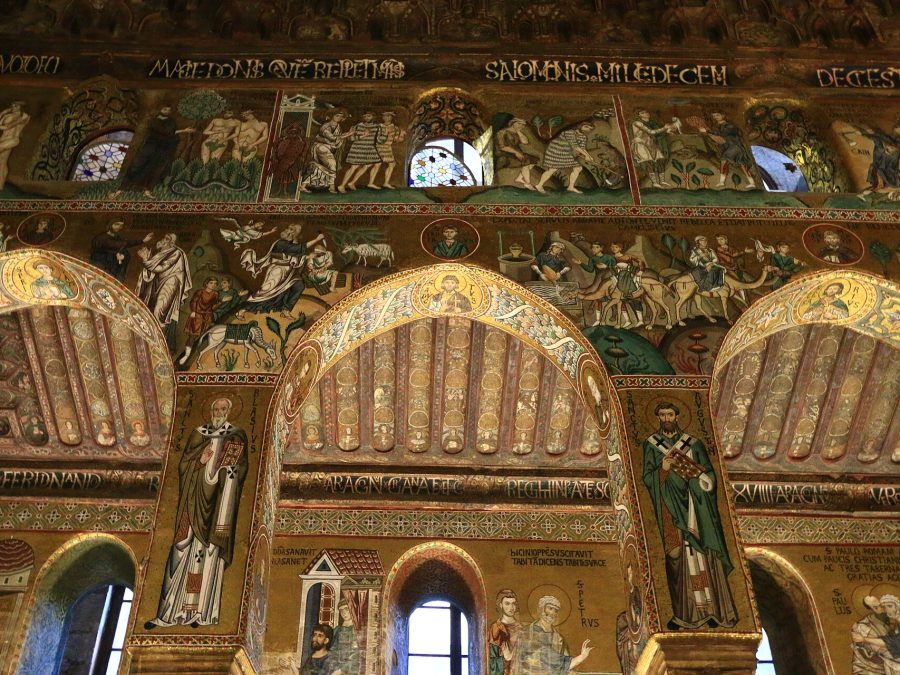
Benjamin Smith / Wikimedia Commons, CC BY-SA 4.0 Palatine Chapel
Inside the Norman Palace, golden mosaics among the finest in Europe cover the walls and ceilings in glittering light.
Book the palace online in July and August.
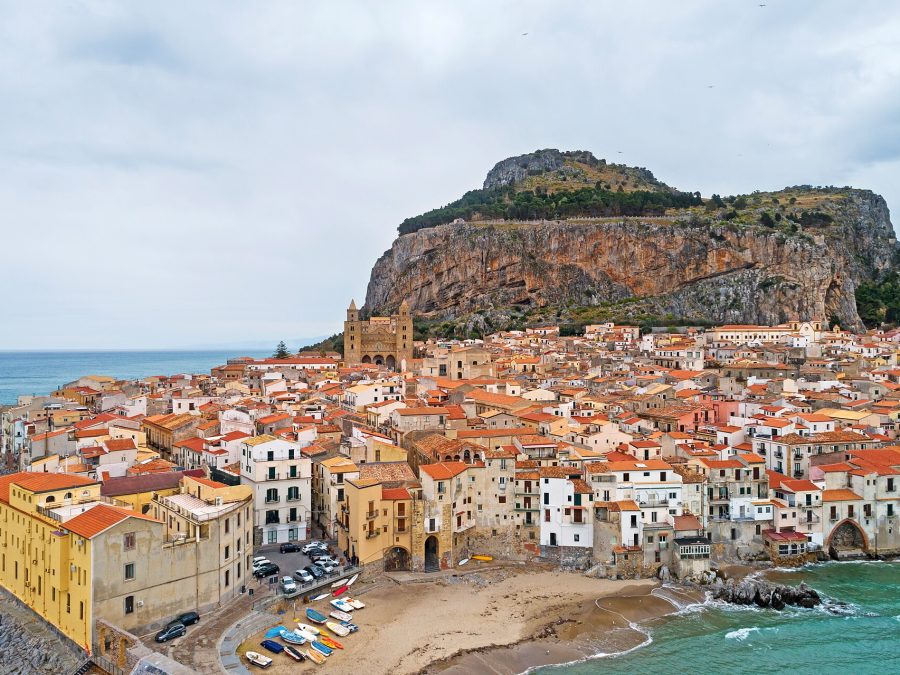
Ludvig14 / Wikimedia Commons, CC BY-SA 4.0 Cefalù
A seaside town with a Norman cathedral, a sandy beach and a great rock towering above it, an easy train ride from Palermo.
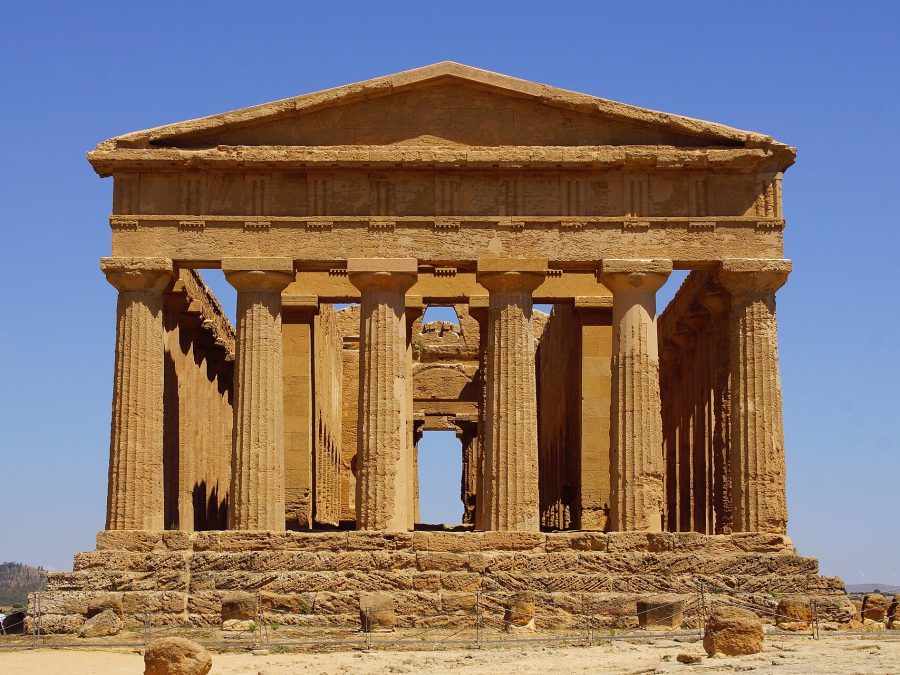
Wolfgang Pehlemann / Wikimedia Commons, CC BY-SA 3.0 de Valley of the Temples
One of the greatest Greek sites outside Greece, crowned by the Temple of Concordia, among the best-preserved Doric temples anywhere, with the Kolymbethra citrus garden below.
Go in the late afternoon, when the stone glows gold.
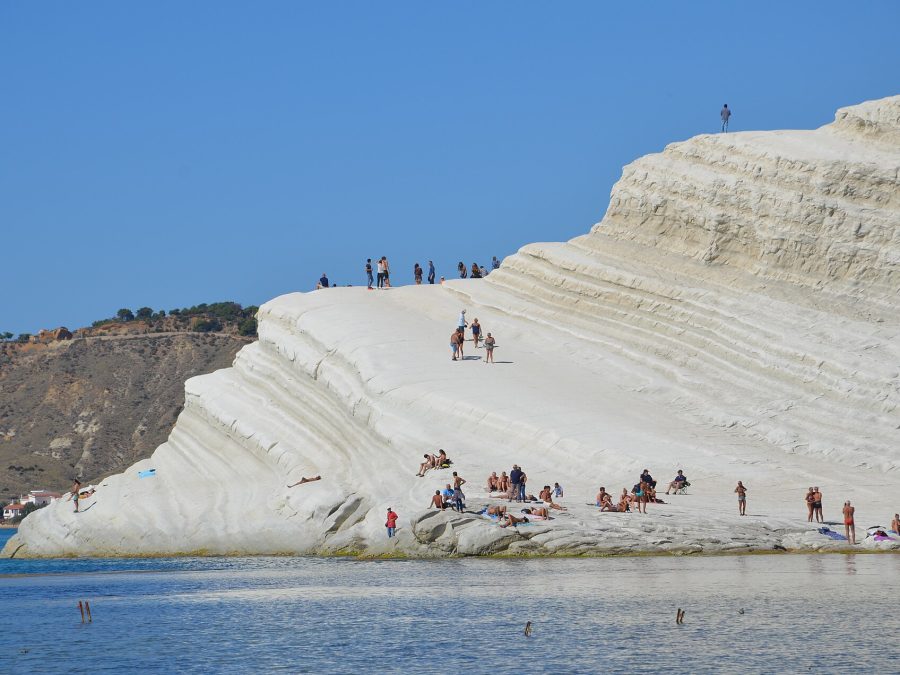
Monika Durickova / Wikimedia Commons, CC BY 2.0 Scala dei Turchi
A staircase of white marl cliffs above a blue sea near Realmonte, one of the most striking sights on the south coast.
Entry is capped and ticketed on site; arrive early.
East Sicily: a long weekend from Catania
Mount Etna
Europe’s most active volcano dominates the east. On the south side, start at Rifugio Sapienza and walk the Silvestri Craters, then take the cable car and 4×4 vehicles up to around 2,500–2,900 m. On the quieter north side, Piano Provenzana gives access to the Sartorius Mountains and lava from the 2002 eruption.
The summit craters are regulated by the civil protection authorities, and the most hazardous areas require an authorised volcano guide. Access changes with volcanic activity, so check conditions on the day.
Tip: Bring a warm layer and proper shoes for Etna, even in summer. It is much colder at altitude than on the coast, and the volcanic gravel is rough underfoot.
Taormina
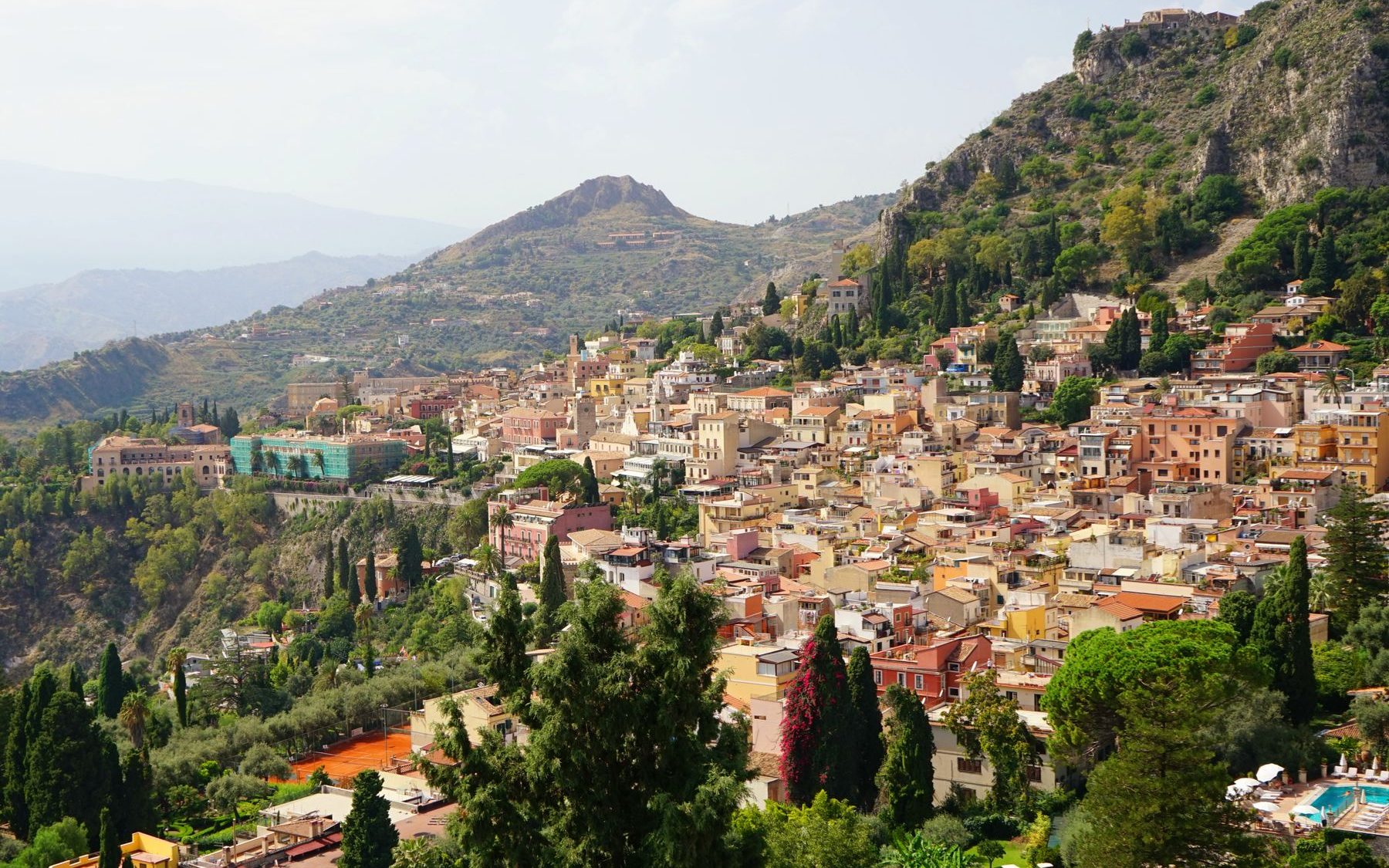
Taormina sits on a terrace above the sea with Etna behind it. Walk Corso Umberto, then visit the Ancient Theatre, a Greek-Roman theatre with one of the most famous views in Italy. Go early or late in the day to avoid tour groups.
Syracuse and Ortigia
Syracuse was once one of the great cities of the Greek world. Its archaeological park holds a vast Greek theatre and the Ear of Dionysius, a tall cave in the old quarries. The real joy, though, is Ortigia, the island old town. Its baroque cathedral is built around the columns of a Greek temple, and the lanes lead down to the sea and a morning food market.
Suggested route: Day 1 in Ortigia and Syracuse. Day 2 on Etna. Day 3 in Taormina before flying home from Catania.
West Sicily: a long weekend from Palermo
Palermo
Palermo is loud, beautiful and brilliant for food. Start at the Ballarò market in the morning, ideally before 10am, for produce and street snacks. Visit the cathedral, then the Norman Palace and its Palatine Chapel, whose golden mosaics are among the finest in Europe. Book the palace online in July and August. The Capo market behind Teatro Massimo closes on Sundays.
Cefalù
An easy train ride east along the coast from Palermo, Cefalù is a seaside town with a Norman cathedral, a sandy beach and a rock that towers above it. It makes an easy day trip or a relaxed base.
Valley of the Temples, Agrigento
On the south coast, the Valley of the Temples is one of the greatest Greek sites outside Greece. The Temple of Concordia is among the best-preserved Doric temples anywhere. The park opens daily, with late evening openings in summer. Ticket offices are at the Temple of Juno and Porta V, and buying online in advance is recommended. Allow time for the Kolymbethra Garden, a citrus garden in an ancient valley.
Scala dei Turchi
Near Realmonte, west of Agrigento, the Scala dei Turchi is a staircase of white marl cliffs above the sea. Access is controlled to protect the rock. From May 2026, the town moved to tickets sold on site, with entry capped at 1,800 visitors a day in groups every 20 minutes. Arrive early, and check the Comune di Realmonte site for current hours and rules.
Tip: Visit the Valley of the Temples in the late afternoon. It is cooler, the stone glows gold and you can stay into the evening in summer.
The islands: Egadi and Lampedusa
For more time, take a ferry from Trapani to the Egadi Islands. Favignana is flat, easy to cycle and ringed by clear coves. Lampedusa, far to the south, has some of Italy’s most celebrated beaches, including Rabbit Beach. It is a separate trip by plane, so treat it as a short break of its own.
Suggested route: Day 1 and 2 in Palermo, with a half-day trip to Cefalù. Day 3 by car to Agrigento for the temples and Scala dei Turchi.
Where to stay
- Ortigia (Syracuse): Best for a romantic base, with sea on three sides and great restaurants.
- Taormina: Best for views and a classic resort feel. It is busy in summer.
- Catania: Best for Etna trips and short-stay convenience near the airport.
- Palermo old town: Best for food lovers and culture, with everything walkable.
- Cefalù: Best for a beach stay within reach of Palermo.
What to eat and drink
- Arancine: Fried rice balls. In Palermo they are feminine (arancina); in Catania they are masculine (arancino).
- Pane e panelle: Chickpea fritters in a soft roll, a Palermo street-food staple.
- Cannoli: Crisp shells filled with sweet ricotta. Best filled to order.
- Pasta alla Norma: Aubergine, tomato and salted ricotta, the classic dish of Catania.
- Granita with brioche: The Sicilian summer breakfast, especially almond or pistachio.
- Etna wines: Mineral reds and whites from the volcano’s slopes.
Where to go in Palermo:
- Antica Focacceria San Francesco: A historic focacceria on Piazza San Francesco d’Assisi, serving Palermo street food since the 19th century, including the famous spleen sandwich (pani câ meusa).
- Pasticceria Cappello: A well-known pastry shop where cannoli are filled to order.
- Antico Caffè Spinnato: A classic café on Via Principe di Belmonte, good for arancine and pastries.
Getting around
A hire car gives you the most freedom, especially for Etna, Agrigento and Scala dei Turchi. Avoid driving in central Palermo and Catania, and use car parks outside historic centres with traffic restrictions.
Trains link Palermo with Cefalù and run along parts of the east coast. Coaches connect Catania, Syracuse and Taormina, and Palermo with Agrigento. Ferries run from Trapani to the Egadi Islands.
Good to know
- Pick one side: East (Catania, Etna, Taormina, Syracuse) and west (Palermo, Cefalù, Agrigento) each fill a long weekend.
- Etna rules: The summit areas are regulated, and the most dangerous zones need an authorised guide. Conditions change with activity.
- Scala dei Turchi: Numbers are capped and tickets are sold on site. Arrive early to avoid a wait.
- Heat: Inland Sicily is very hot in July and August. Plan sites for early morning or evening.
- Markets: Most morning markets wind down by early afternoon, and some close on Sundays.
FAQ
What is the best way to see Sicily in a weekend?
Choose one side. Fly to Catania for Etna, Taormina and Ortigia, or to Palermo for the capital, Cefalù and the Valley of the Temples.
Can you visit Scala dei Turchi?
Yes, with controlled access. Since May 2026, tickets are sold on site, and entry is capped at 1,800 visitors a day. Check the Comune di Realmonte site before you go.
Do you need a guide to climb Etna?
You can visit the lower craters and use the cable car without a guide. The most hazardous summit areas require an authorised volcano guide, and access depends on activity.
When is the Valley of the Temples open?
It opens every day, generally from 8:30am to 8pm, with late opening in summer. Buy tickets online in advance.
Is Sicily worth visiting in October?
Yes. The sea is still warm, the heat has eased and the main sites are quieter.
Continue your Italian trip with our Amalfi Coast guide or the best beaches in Italy. For more ancient sites, see the best Roman amphitheatres, and check this weekend’s picks.