Italy’s best beaches are as varied as its food. You get pebble coves under cliffside towns, long Tuscan sands lined with beach clubs and Sardinian water so clear it looks unreal. These are the best beaches in Italy for a short break, ten picks across six regions, each with a town or city close by for dinner.
Where are the best beaches in Italy?
The Amalfi Coast and the islands of the Bay of Naples have the drama, Tuscany and Liguria the easiest city-and-beach weekends, and the far south and the islands the clearest water. Use this table to jump to the right region.
| Beach | Region | Best for | Plan it with |
|---|---|---|---|
| Positano | Campania (Amalfi Coast) | A glamorous beach day with a view | Positano weekend |
| Atrani | Campania (Amalfi Coast) | A low-key swim close to Amalfi | Amalfi Coast guide |
| Capri | Campania | Deep-water swims and boat days | Capri guide |
| Ischia | Campania | Beach days and thermal pools | Naples ferries |
| Monterosso al Mare | Liguria (Cinque Terre) | A beach plus village-hopping | Cinque Terre trains |
| Forte dei Marmi | Tuscany | Beach clubs and a Tuscan city break | Lucca or Pisa |
| Baratti | Tuscany | Swimming with Etruscan history | The Etruscan Coast |
| Polignano a Mare | Puglia | A cliff-framed cove | Bari |
| Scala dei Turchi | Sicily | Photographers and road-trippers | Sicily guide |
| Lido di Orrì | Sardinia | Clear water and space | Eastern Sardinia |
Ten of the best beaches in Italy
1. Positano, Amalfi Coast
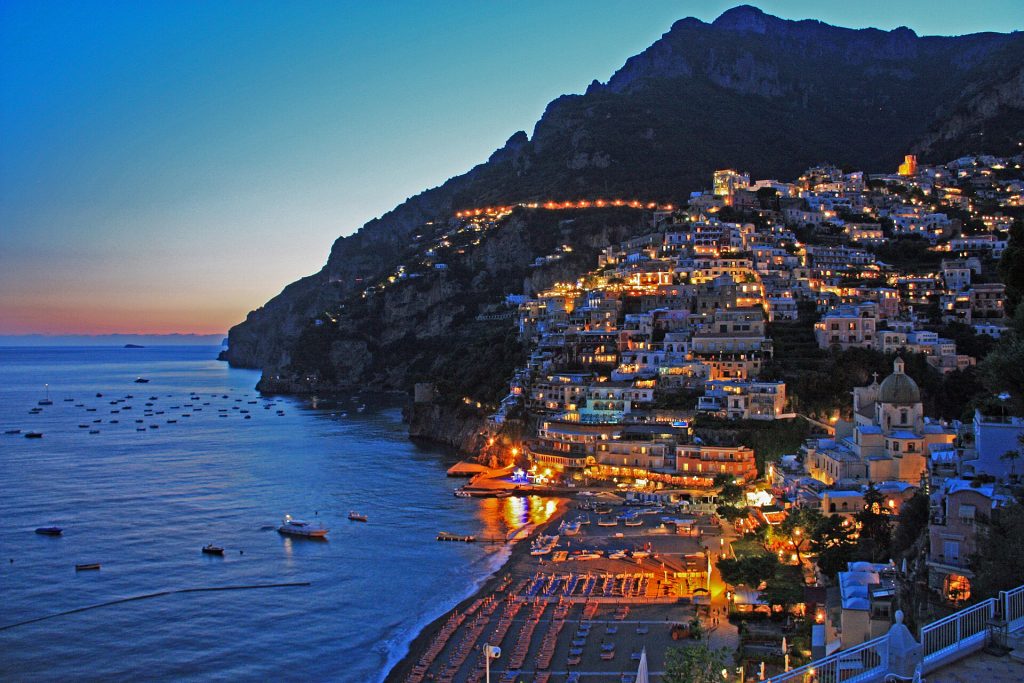
Spiaggia Grande is the Amalfi Coast’s postcard: grey pebbles, rows of striped umbrellas and pastel houses stacked up the cliff behind. Fornillo, a short cliff-path walk away, is calmer and more local. Positano holds a 2026 Blue Flag, and boats leave the beach for coves along the coast. Read our Positano weekend guide.
Best for: A glamorous beach day with a view.
2. Atrani, Amalfi Coast
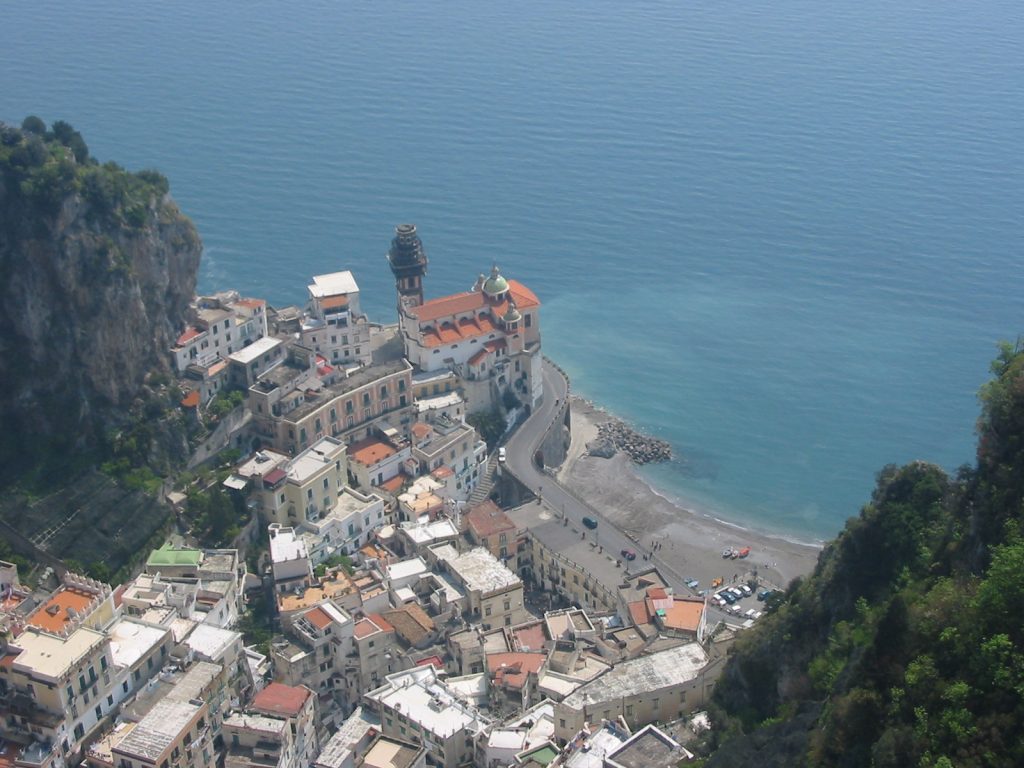
Atrani is one of Italy’s smallest towns, and its little beach sits right below the main square. It is a five-minute walk from Amalfi, but it feels far quieter. Swim, then eat in the piazza a few steps from the sand. See our Amalfi Coast guide.
Best for: A low-key swim close to Amalfi.
3. Capri, Campania
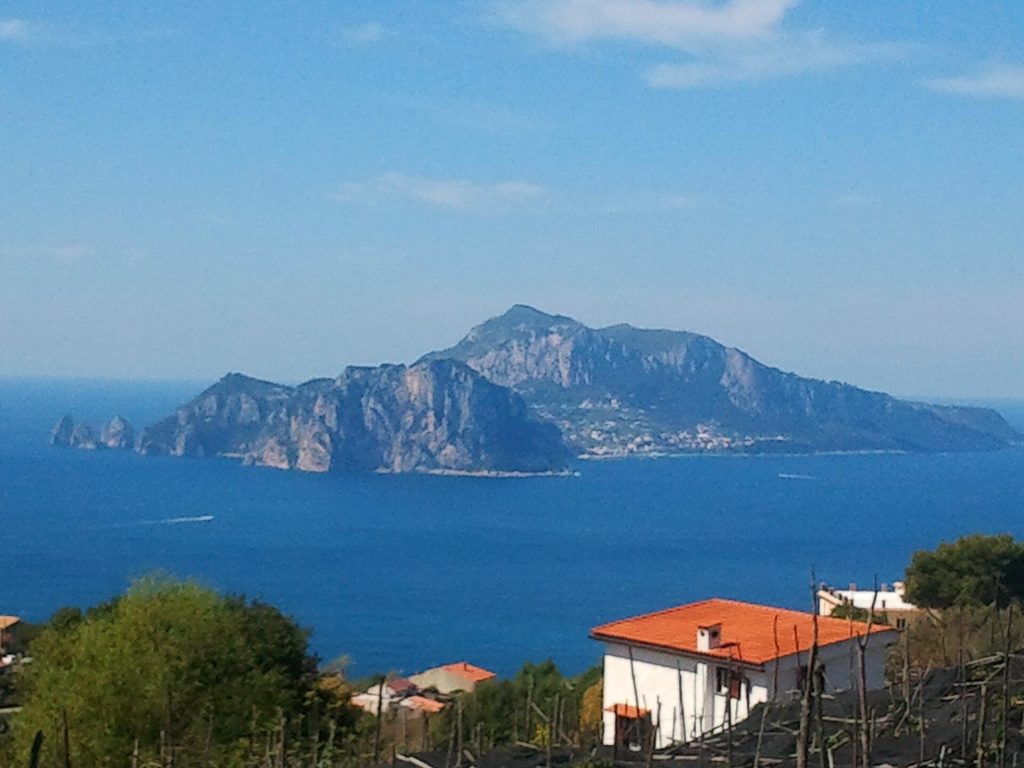
Capri has no sandy beaches, but it has some of Italy’s most dramatic swimming. Marina Piccola on the sheltered south side has pebble coves and beach clubs, and you can swim off the rocks by the Punta Carena lighthouse in Anacapri, which holds a 2026 Blue Flag. Ferries run from Naples and Sorrento all year. See our Capri guide.
Best for: Deep-water swims and boat days.
4. Ischia, Campania
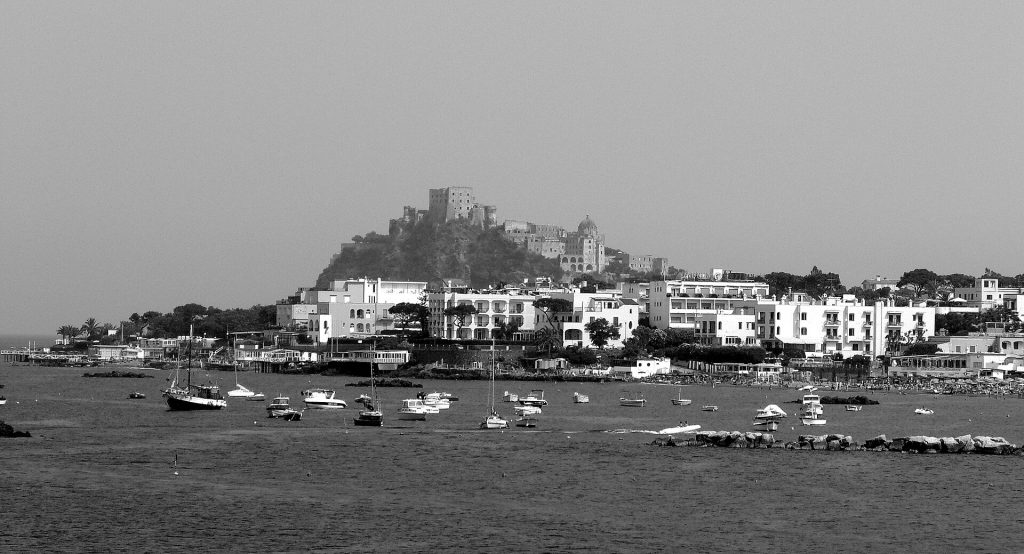
Ischia is greener and more relaxed than Capri, and it has proper sandy beaches. The long sweep of Maronti on the south coast is the best known. The island is famous for thermal springs, so mix sea swims with a spa afternoon. Ferries run from Naples.
Best for: Combining beach days and thermal pools.
5. Monterosso al Mare, Cinque Terre
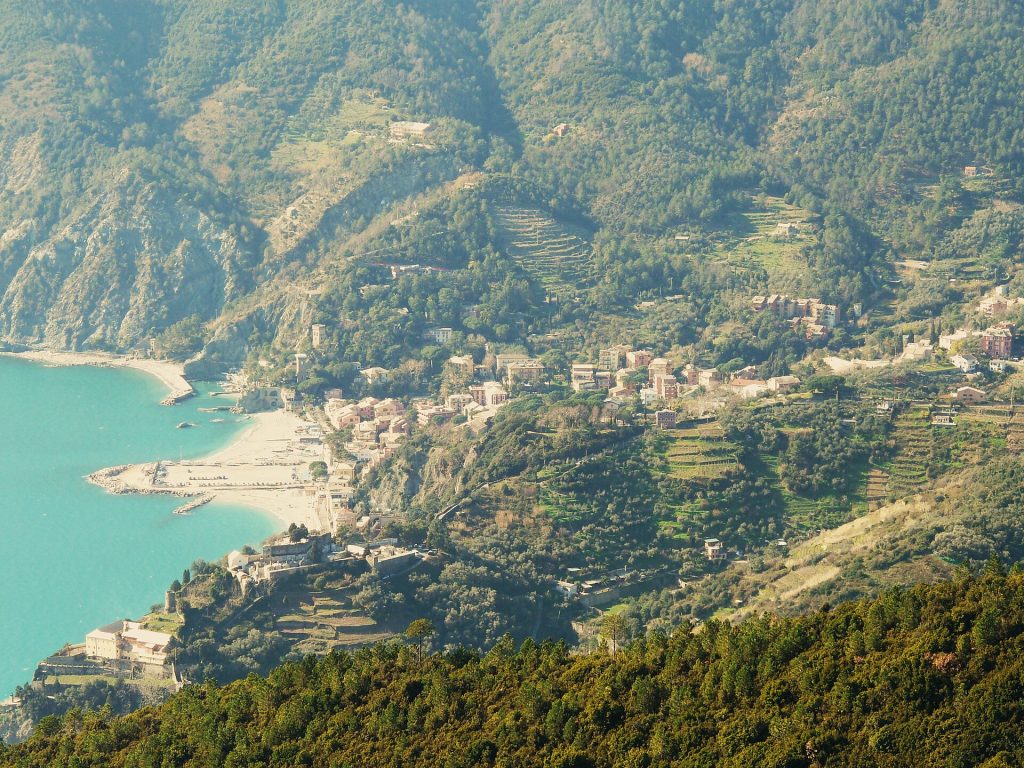
Monterosso has the Cinque Terre’s longest beach, Fegina, right by the station. In 2026 the 5 Terre Express runs about every half hour between the villages until 1 November, so it is easy to swim in Monterosso and dine in Vernazza or Manarola. For a more official stamp of approval, neighbouring Levanto holds a 2026 Blue Flag.
Best for: Pairing a beach with village-hopping.
6. Forte dei Marmi, Tuscany
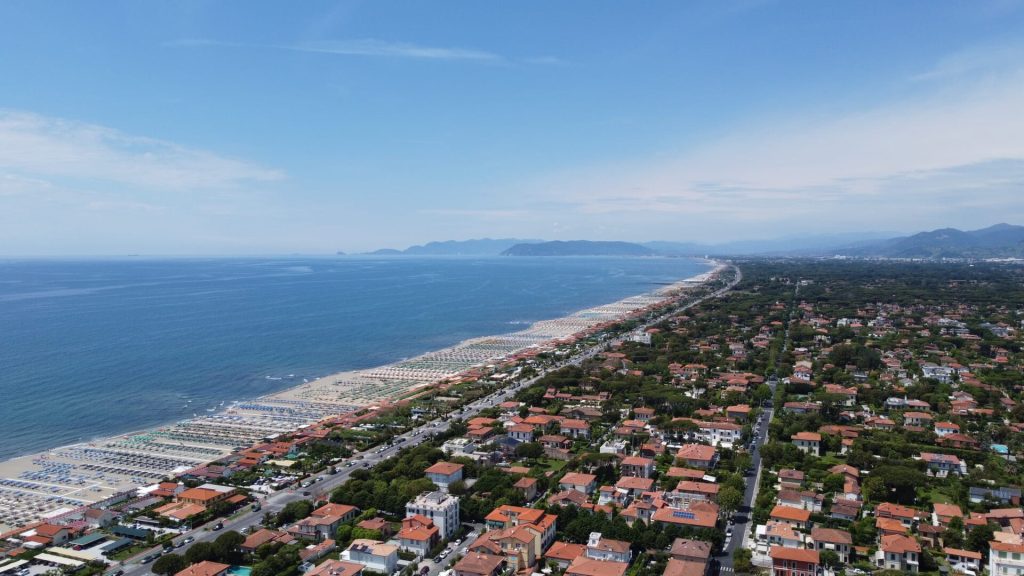
Forte dei Marmi is Tuscany’s classic seaside resort, with fine sand, smart beach clubs and the Apuan Alps behind. It holds a 2026 Blue Flag, and Lucca and Pisa are an easy trip away. Expect organised beach clubs rather than wild sand.
Best for: Elegant beach clubs and a Tuscan city break.
7. Baratti, Tuscany
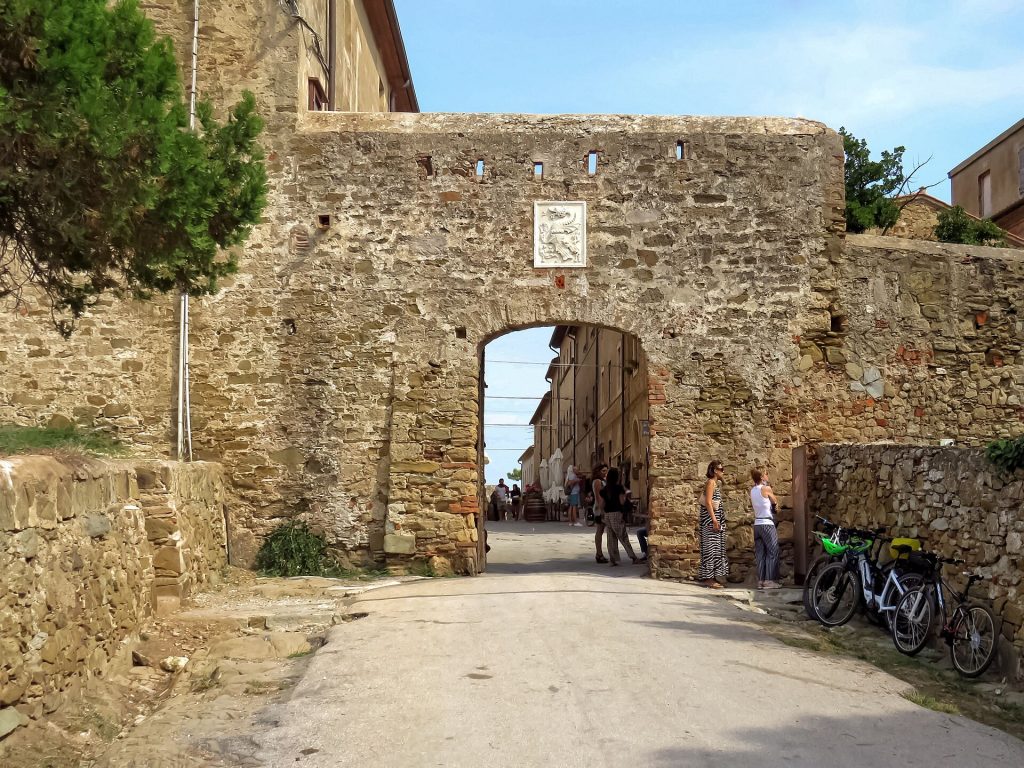
The Gulf of Baratti curves around a bay of golden sand and pine woods on the Etruscan Coast. Above it stands the medieval village of Populonia, and the Etruscan necropolis lies just behind the beach. It is a beach with history built in.
Best for: Combining swimming with Etruscan history.
8. Polignano a Mare, Puglia
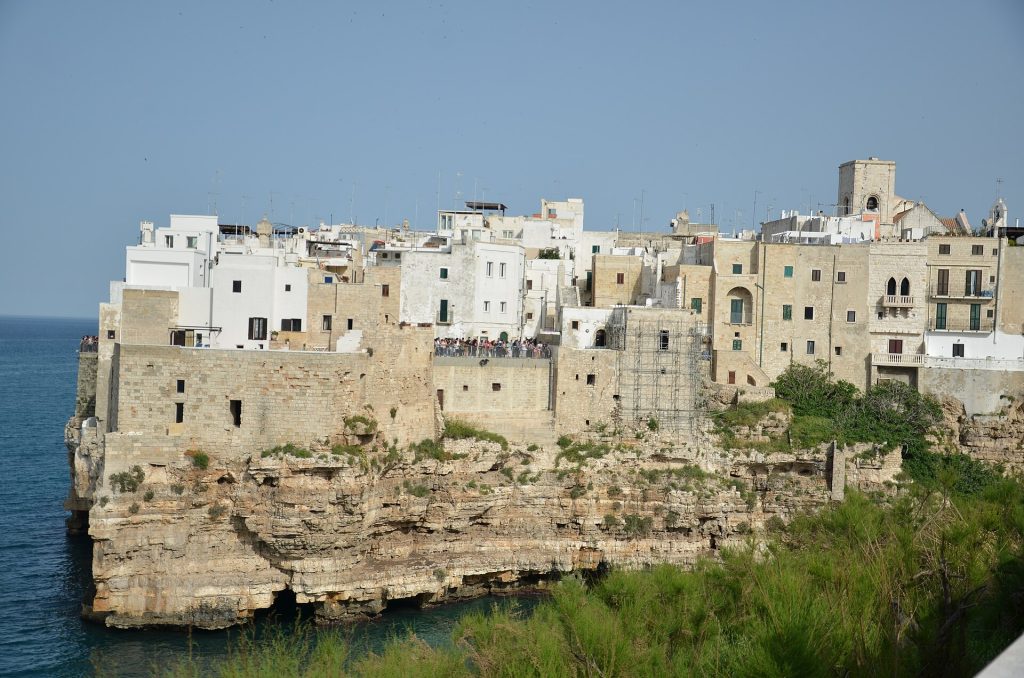
Lama Monachile is a narrow pebble cove wedged between the white cliffs of Polignano’s old town, crossed by a Roman-era bridge. Reach it by the stone staircase below the bridge, or by the gentler path near the Bastione di Santo Stefano. Polignano holds a 2026 Blue Flag. Arrive before 9am or after 5pm to avoid the crowds.
Best for: A spectacular swim in a cliff-framed cove.
9. Scala dei Turchi, Sicily
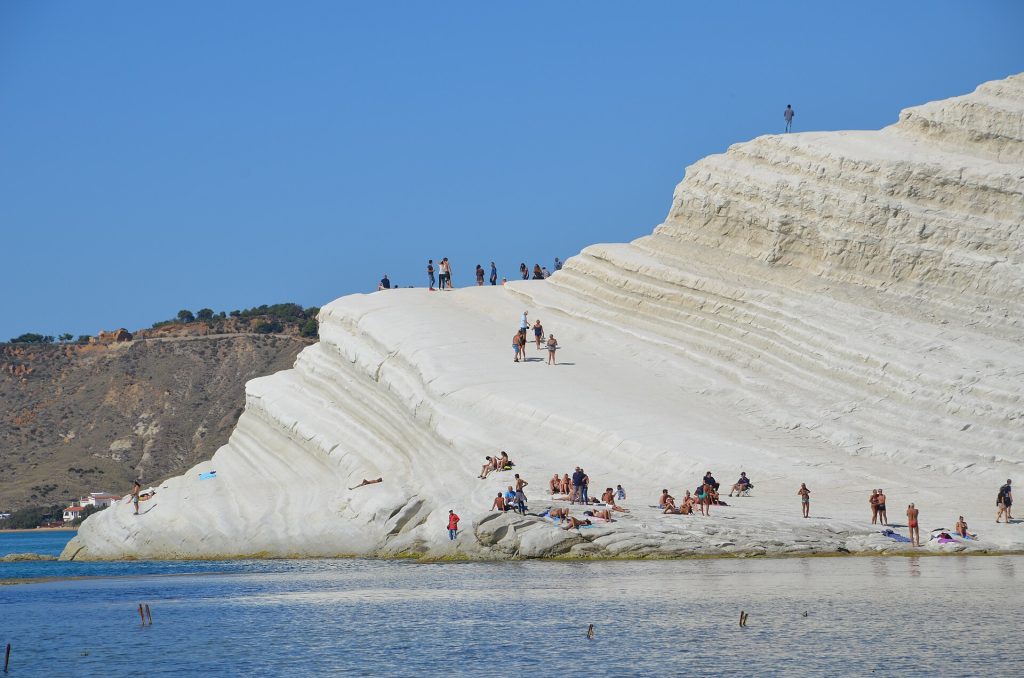
The Scala dei Turchi is a staircase of white marl cliffs above blue water near Agrigento. Access is controlled to protect the rock: from May 2026, tickets are sold on site and entry is capped at 1,800 visitors a day, in groups every 20 minutes. Combine it with the Valley of the Temples. Read our Sicily guide.
Best for: Photographers and Sicily road-trippers.
10. Lido di Orrì, Sardinia
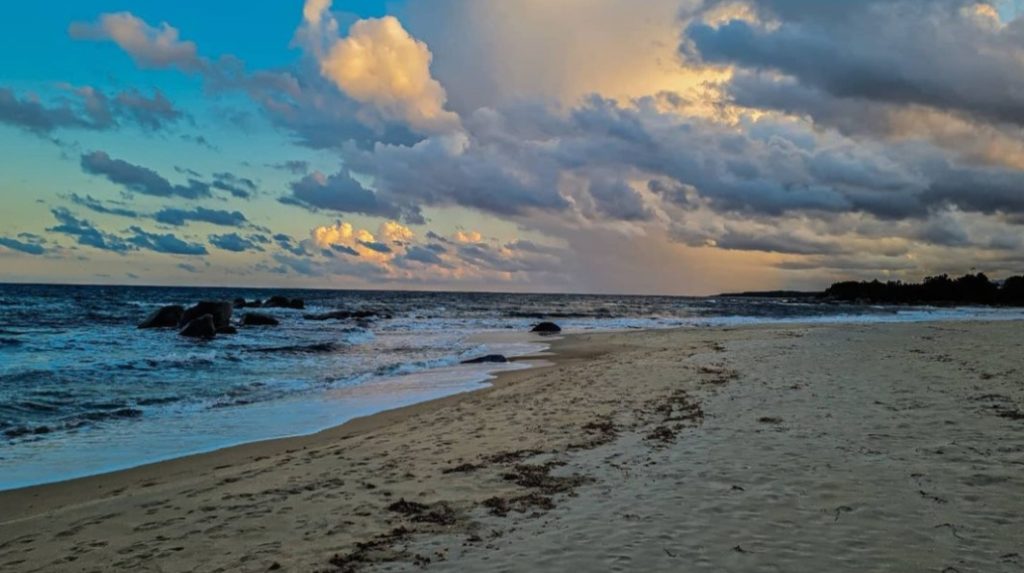
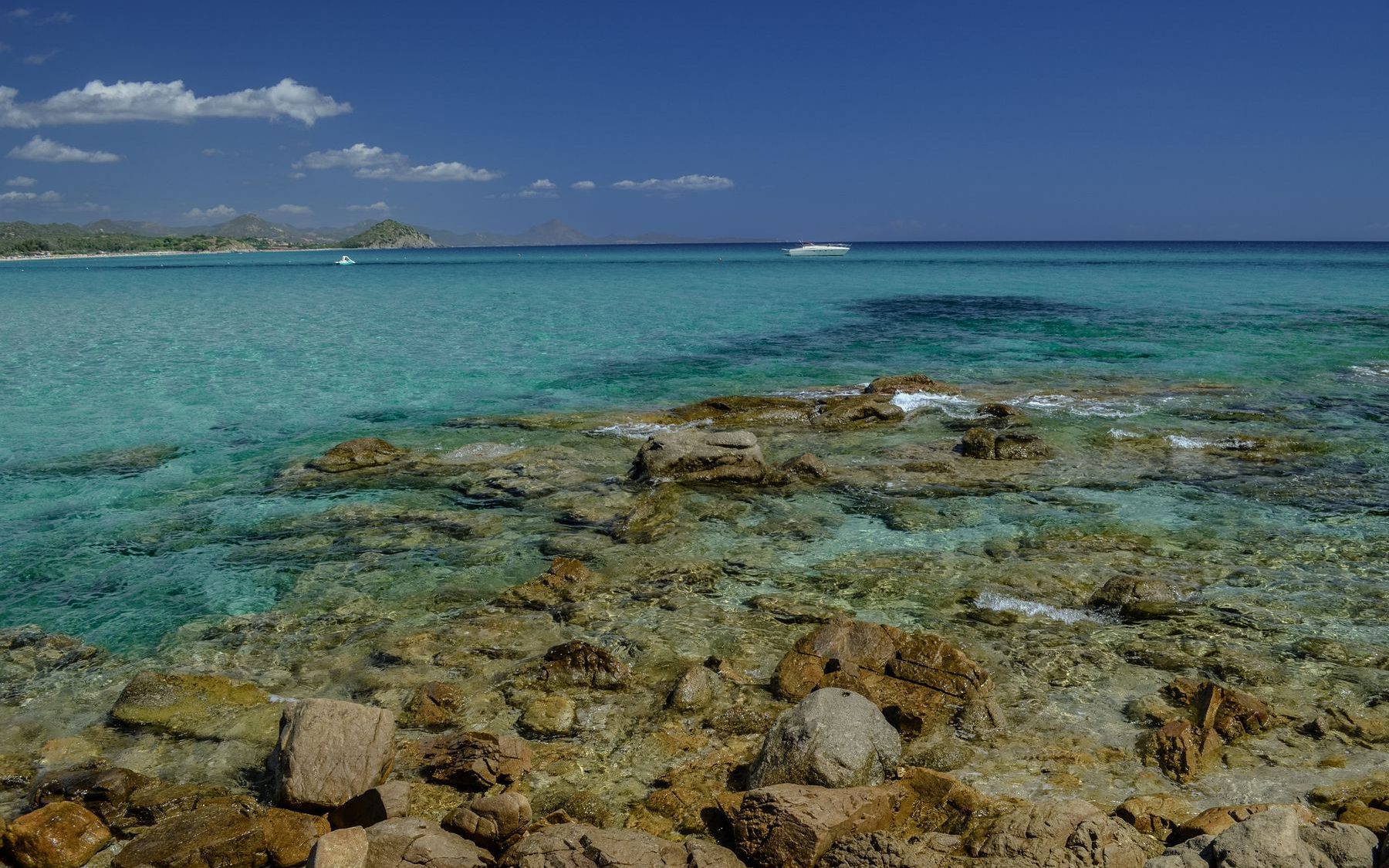
Near Tortolì on Sardinia’s east coast, Lido di Orrì is a long stretch of pale sand broken by granite rocks, with clear, shallow water. It holds a 2026 Blue Flag. It is quieter than the Costa Smeralda and good for families.
Best for: Clear water and space to spread out.
Beach basics
Most Italian beaches mix free public stretches (spiaggia libera) with stabilimenti, private beach clubs that rent loungers and umbrellas and usually have showers, a bar and a lifeguard in summer. On busy summer weekends, book a lounger the day before at popular clubs. Many stabilimenti pack up after the summer season, so autumn swims are often on the free sections. Bring water shoes for pebble and rock beaches, especially on the Amalfi Coast and Capri.
How to choose
- For a city-and-beach weekend: Forte dei Marmi or Monterosso, both close to Tuscan or Ligurian towns.
- For drama: Positano, Capri or Polignano a Mare.
- For quiet: Baratti, Atrani or Lido di Orrì.
- For history: Baratti or Scala dei Turchi, near the Etruscan and Greek sites.
- For autumn swims: Southern spots such as Sicily and Puglia keep warmer seas into October.
Tip: Check the flags at the beach before swimming. A red flag means no swimming, and conditions change quickly in rough weather.
FAQ
Which Italian beaches have a Blue Flag in 2026?
Of the beaches here, Positano, Forte dei Marmi, Polignano a Mare, Lido di Orrì at Tortolì and Anacapri hold 2026 Blue Flags. Italy has 257 Blue Flag municipalities in total.
What is the best beach in Italy?
There is no single winner. Positano is the most famous, Polignano a Mare the most dramatic, and Lido di Orrì in Sardinia and Baratti in Tuscany are the best for clear water and space.
What is the best time to visit Italian beaches?
June and September offer warm water and fewer crowds than July and August. Arrive early or late in the day at popular coves.
Are Italian beaches free?
Many beaches mix free public sections (spiaggia libera) with private beach clubs (stabilimenti), where you rent loungers and umbrellas. Look for the free section if you want to bring your own towel.
Can you swim at Scala dei Turchi?
Access to the white cliff area is controlled and capped. Check the Comune di Realmonte site for current rules before you go.
What is the best beach near the Amalfi Coast?
Positano’s Spiaggia Grande is the most famous, Fornillo is calmer, and Atrani is the quietest option near Amalfi.
For more coastal ideas, see our Amalfi Coast guide and this weekend’s picks.