Tuscany packs Renaissance cities, medieval hill towns and some of Italy’s best-loved wine country into one easy region. You can see Michelangelo’s David in the morning and drink Chianti among the vines by evening. It suits first-time Italy visitors, couples and anyone who plans holidays around lunch.
Why go
The variety is the draw. Florence is one of the world’s great art cities. Siena is a perfectly preserved medieval town built around a shell-shaped square. Lucca keeps its Renaissance walls intact, and San Gimignano still bristles with medieval towers.
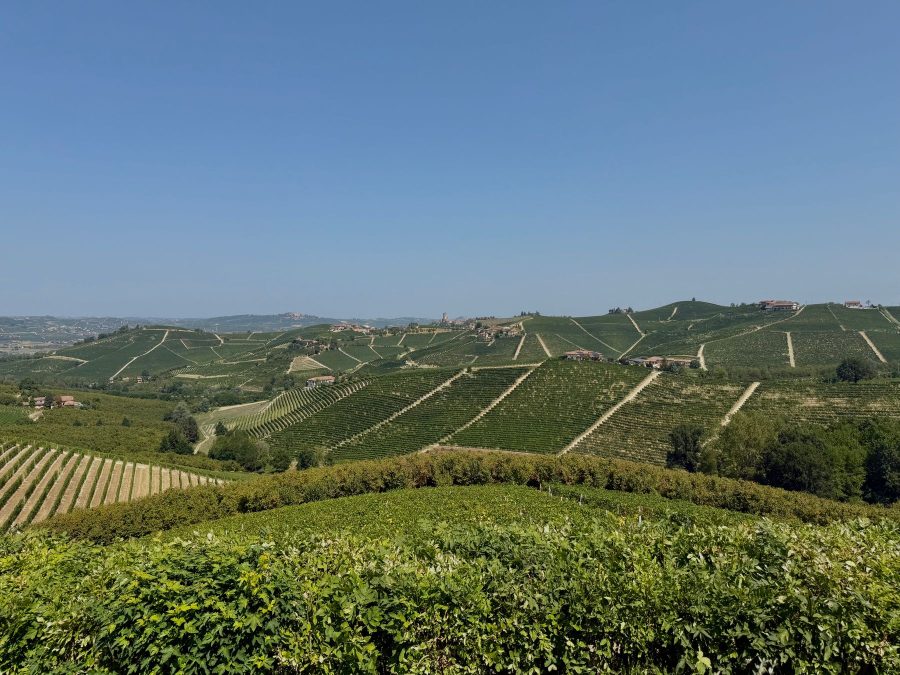
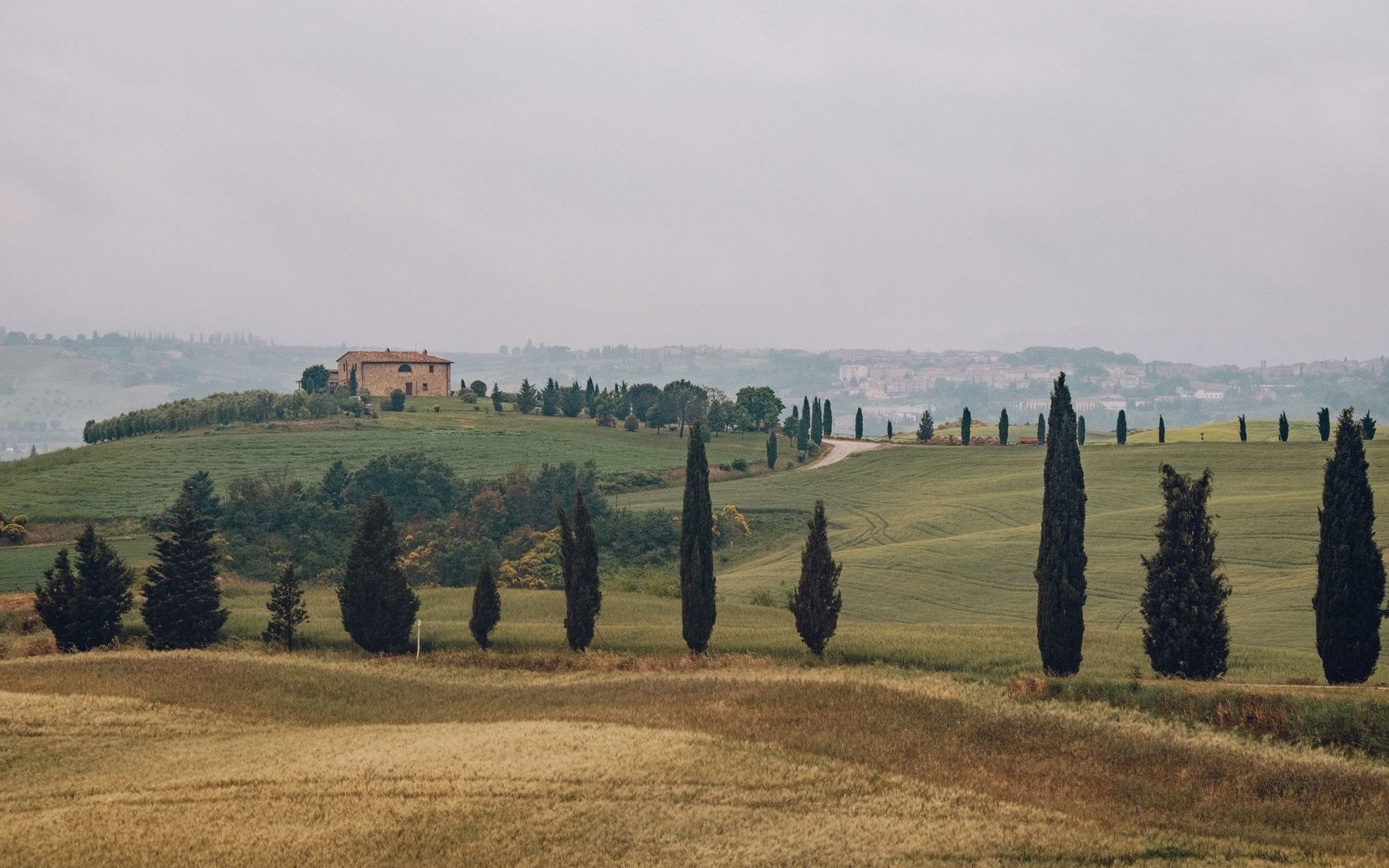
Between them lies the landscape everyone pictures: cypress-lined roads, olive groves and vineyards rolling towards stone farmhouses.
It also works brilliantly as a set of long weekends. Fly into Florence or Pisa, pick a base and use trains, buses or a car for day trips.
Tuscany
Don’t miss
The places that make the trip, and why each one deserves your time.

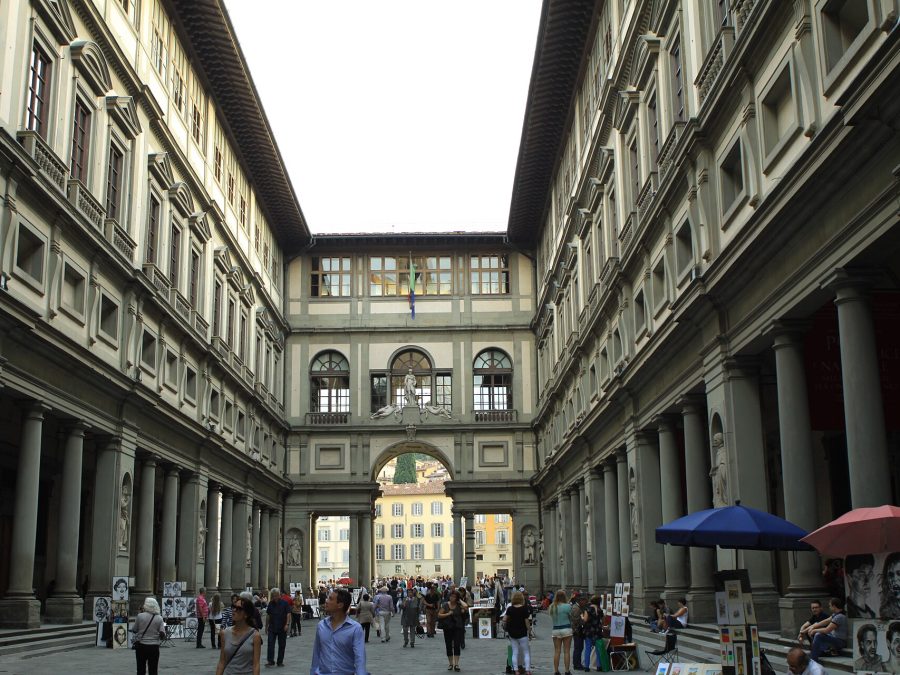
Arek N. / Wikimedia Commons, CC BY-SA 3.0 Uffizi Gallery
Botticelli's Birth of Venus hangs here among much of the Renaissance canon, room after room of the paintings that defined Western art.
Closed on Mondays; book well ahead from spring to autumn.
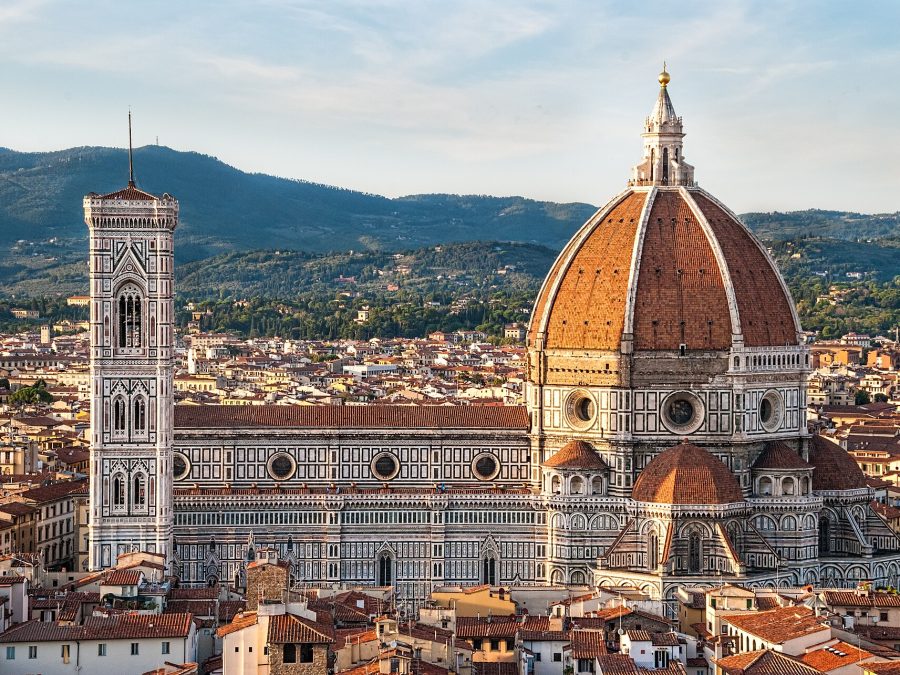
Gary Campbell-Hall / Wikimedia Commons, CC BY 2.0 Florence Cathedral and dome
The cathedral is free to enter, and the climb up Brunelleschi's dome rewards you with close views of the frescoes inside and the red roofs of Florence below.
Dome slots open about 45 days ahead and go first.
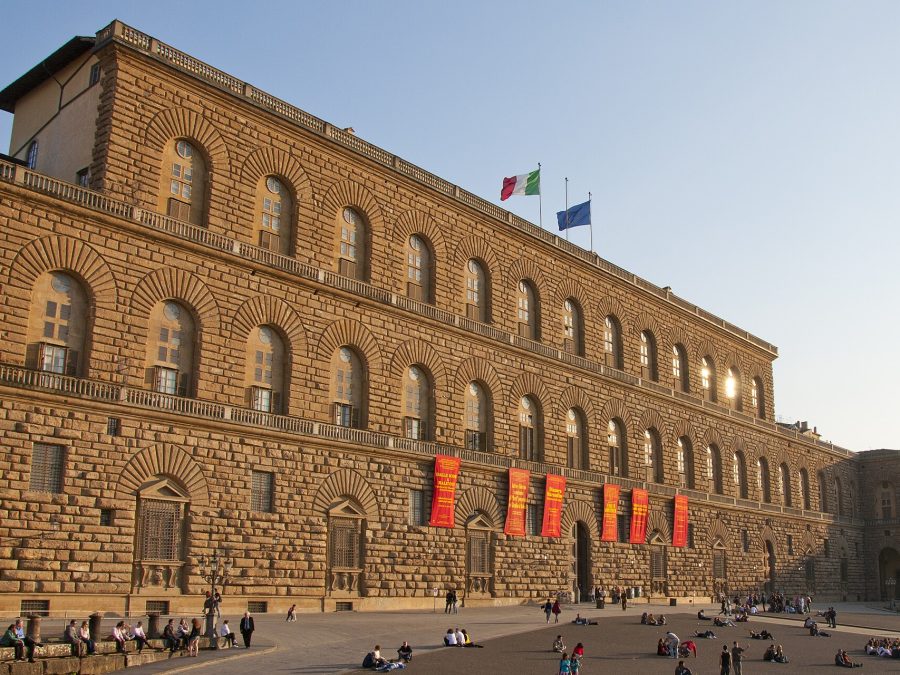
Almaak / Wikimedia Commons, CC BY-SA 3.0 Oltrarno
Cross the Ponte Vecchio to the quieter south bank for artisan workshops, then climb to Piazzale Michelangelo for the classic sunset view over the city.
Time the walk to reach Piazzale Michelangelo at sunset.
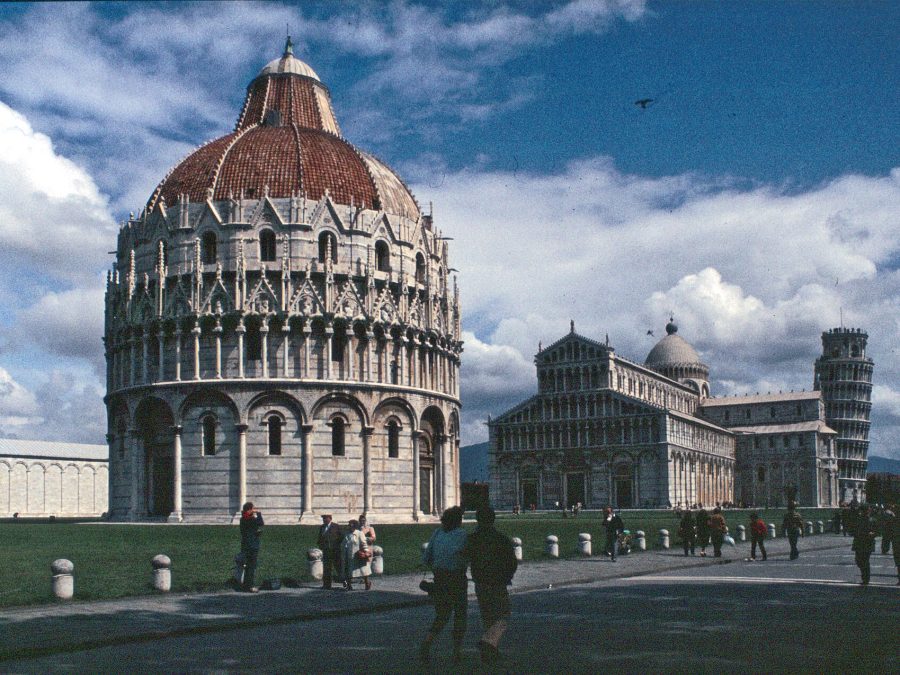
Gerd Eichmann / Wikimedia Commons, CC BY-SA 4.0 Leaning Tower of Pisa
The tilting white tower, cathedral and Baptistery stand together on the Field of Miracles, an easy train trip from Florence.
Book a timed climb; no bags, and no children under 8.
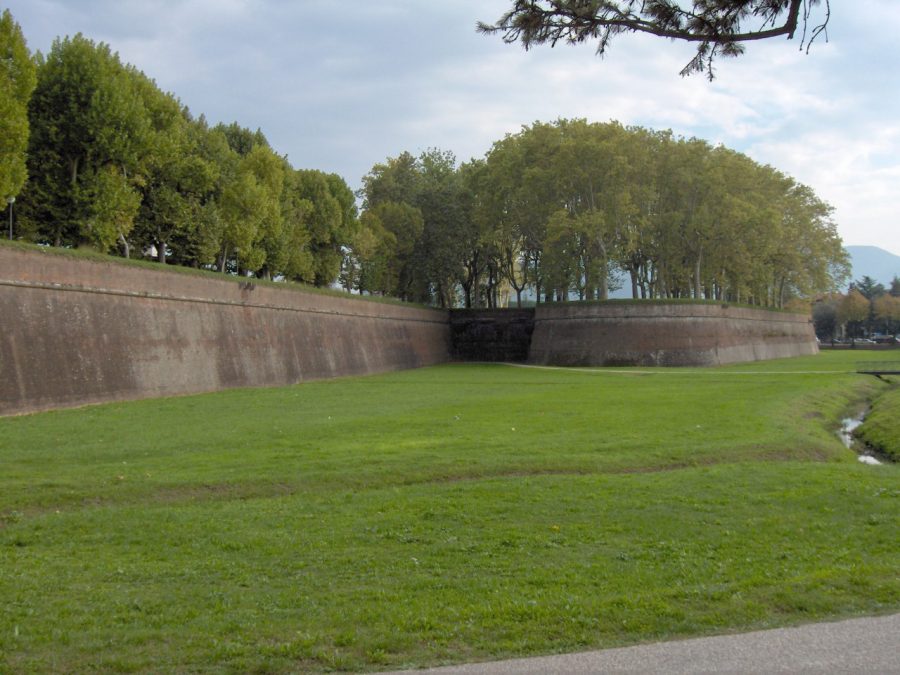
No machine-readable author provided. JoJan assumed (based… / Wikimedia Commons, CC BY-SA 3.0 Lucca's walls
Ride a hired bike along the tree-lined path on top of the 16th-century walls, then wander into the oval Piazza dell'Anfiteatro, built on a Roman amphitheatre.
Calmer than Florence and lovely for an overnight stay.
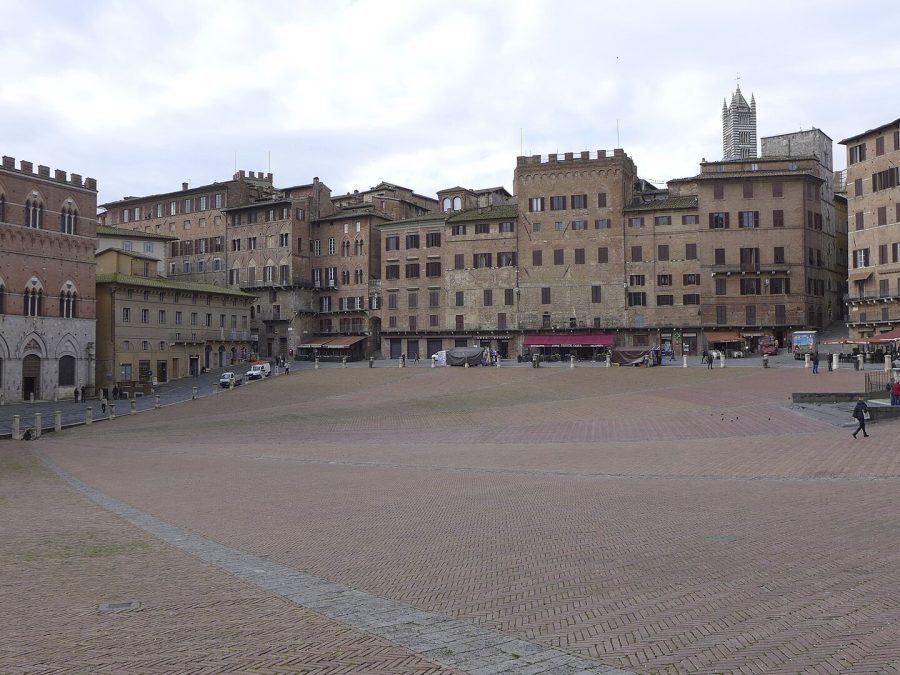
Patrick Nielsen Hayden from Brooklyn, NY / Wikimedia Commons, CC BY 2.0 Piazza del Campo, Siena
One of Europe's great squares, shaped like a shell and home to the Palio horse race, with the striped marble cathedral a short walk away.
Cathedral marble floor is uncovered until 15 November 2026.
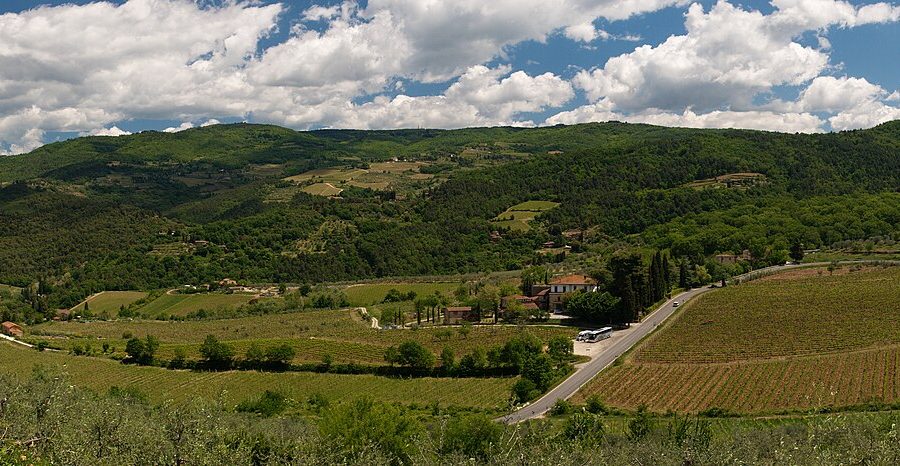
Michal Osmenda from Brussels, Belgium / Wikimedia Commons, CC BY-SA 2.0 Chianti
Between Florence and Siena, vineyard roads wind past wine estates and small towns such as Greve, Panzano and Radda. The vines are the whole point.
Book tastings ahead and appoint a driver or join a tour.
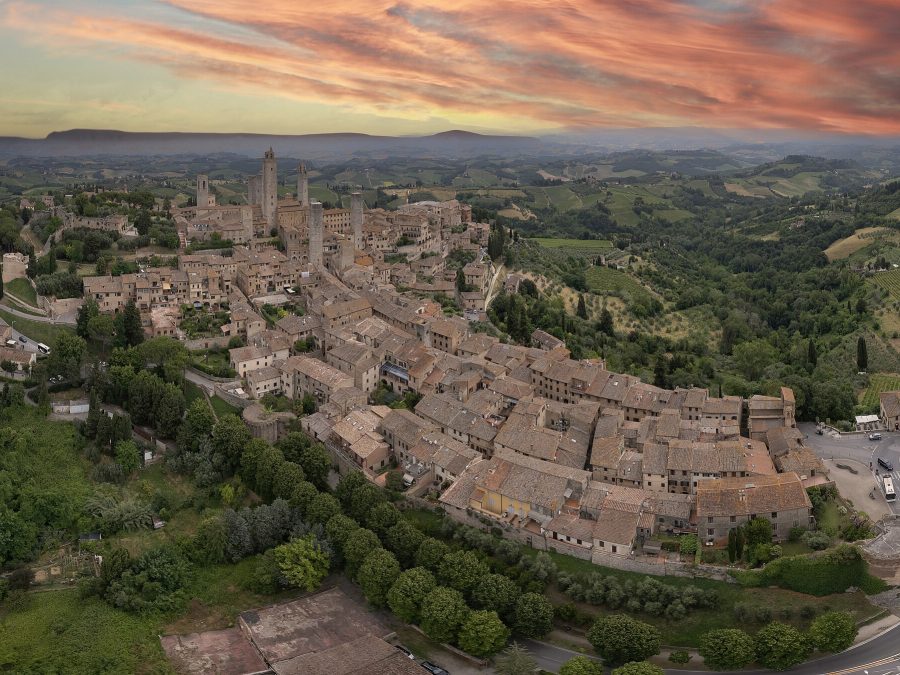
Chensiyuan / Wikimedia Commons, CC BY-SA 4.0 San Gimignano
Medieval towers rise above the countryside like a skyline, and from the hilltop near the Rocca the views stretch over the Vernaccia vineyards.
Walk the main street early or late, after the day-trippers leave.
Weekend 1: Florence and the north
Florence
Give Florence at least two full days. The Uffizi holds Botticelli’s Birth of Venus and much of the Renaissance canon. The Accademia has Michelangelo’s David. Both close on Mondays and need booking well ahead from spring to autumn.
The cathedral itself is free to enter, but climbing Brunelleschi’s dome requires a timed reservation, and slots sell out in peak season. Cross the Ponte Vecchio to the Oltrarno for artisan workshops, then climb to Piazzale Michelangelo at sunset for the classic view over the city.
Tip: Book the Uffizi, the Accademia and the dome climb before you travel. Dome slots open about 45 days ahead and are the first to go.
Pisa
Pisa is an easy train trip from Florence. The Leaning Tower climb runs on timed slots, and morning slots can sell out weeks ahead in summer. No bags are allowed, though there is a free cloakroom, and children under 8 cannot climb. After the tower, see the cathedral and Baptistery on the Field of Miracles.
Lucca
Lucca is a short train ride from Pisa. Hire a bike and ride the tree-lined path on top of its 16th-century walls, then explore the oval Piazza dell’Anfiteatro, built on the footprint of a Roman amphitheatre. It is calmer than Florence and lovely for an overnight stay.
Suggested route: Days 1 and 2 in Florence. Day 3 in Pisa and Lucca, returning to Florence or staying in Lucca.
Weekend 2: Siena, Chianti and the hill towns
Siena
Siena’s Piazza del Campo is one of Europe’s great squares, home to the Palio horse race each summer. The cathedral is a striped marble masterpiece. Its inlaid marble floor is usually covered to protect it, but in 2026 it is on view until 15 November.
Tip: If you visit Siena before 15 November 2026, prioritise the cathedral. The marble floor is uncovered only for limited periods, and seeing it complete is rare.
Chianti
Between Florence and Siena, the Chianti hills are dotted with wine estates and small towns such as Greve, Panzano and Radda. Book tastings ahead, and appoint a driver or join a tour. The roads are narrow and winding, and the vineyards are the whole point.
San Gimignano
San Gimignano’s towers rise above the countryside like a medieval skyline. Walk the main street early or late, when the day-trippers have gone. From the hilltop near the Rocca, the views stretch across the vineyards that make its white wine, Vernaccia.
Montepulciano and the Val d’Orcia
Further south, Montepulciano is a hilltop wine town known for Vino Nobile. From here, drive through the Val d’Orcia to Pienza for pecorino cheese and some of Tuscany’s most famous landscapes.
Suggested route: Day 1 in Siena. Day 2 driving through Chianti to San Gimignano. Day 3 south to Montepulciano and Pienza.
Where to stay
- Florence (around Santa Maria Novella or Santa Croce): Best for first-timers and car-free travel, with trains in every direction.
- Siena: Best for medieval atmosphere and access to Chianti and the south.
- Lucca: Best for a relaxed base close to Pisa and the coast.
- A Chianti agriturismo: Best for couples with a car who want vineyard views, pools and slow dinners.
- Montepulciano or Pienza: Best for wine lovers exploring the Val d’Orcia.
What to eat and drink
- Bistecca alla fiorentina: A thick T-bone steak, grilled rare and shared.
- Lampredotto: Florence’s classic street food, a tripe sandwich with green sauce.
- Ribollita and pappa al pomodoro: Hearty bread-based soups.
- Pici: Thick hand-rolled pasta from southern Tuscany.
- Pecorino di Pienza: Sheep’s cheese, fresh or aged.
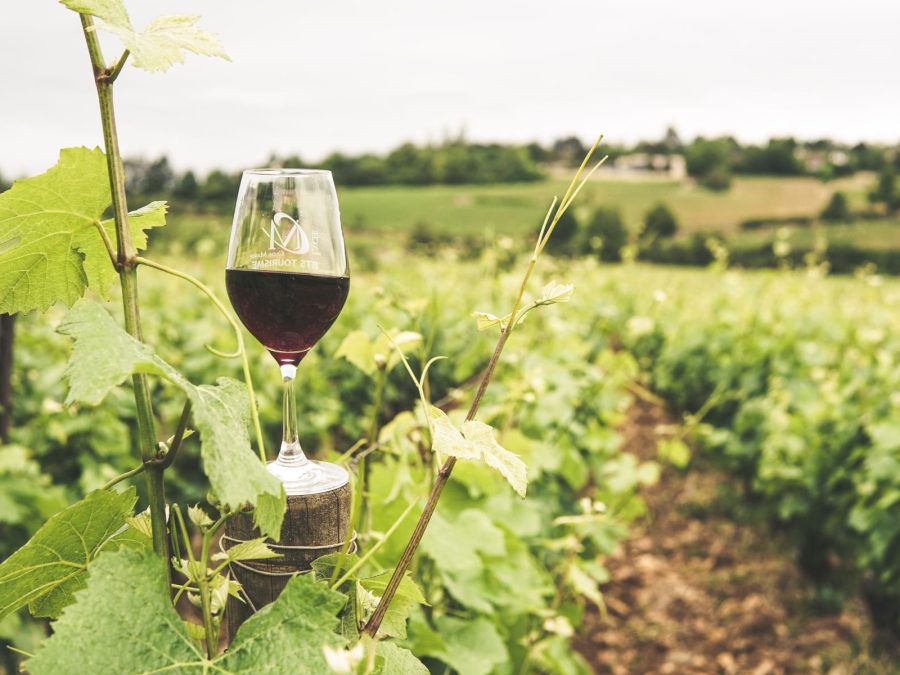
- Chianti Classico, Brunello di Montalcino and Vino Nobile: The region’s three great reds, all based on Sangiovese. Read more in our guide to Sangiovese.
Where to go in Florence:
- Trattoria Mario (San Lorenzo): A family-run lunch canteen since 1953, with shared tables and Florentine classics. Open for lunch Monday to Saturday.
- Da Nerbone (Mercato Centrale): A market stall serving lampredotto and boiled-beef sandwiches since 1872. Closed on Sundays.
- I Due Fratellini (centro storico): A tiny sandwich counter, ideal for a standing lunch between museums.
Getting around
Trains are easiest between Florence, Pisa and Lucca, with frequent services. Siena is reachable by train or coach from Florence, but the station is below the town.
For Chianti, San Gimignano and the Val d’Orcia, a hire car gives you freedom. Avoid driving into historic centres: most have ZTL limited-traffic zones with cameras, and fines arrive by post. Park outside the walls and walk in.
Both Pisa and Florence airports sit close to their city centres, so transfers are short.
Good to know
- Book ahead: The Uffizi, Accademia, dome climb and Leaning Tower all sell out in peak season.
- Monday closures: The Uffizi and Accademia close on Mondays, as do parts of Palazzo Pitti.
- Siena’s floor: The cathedral floor is uncovered until 15 November 2026. Outside the unveiling periods, it is covered.
- ZTLs: Don’t drive into historic centres unless your hotel has registered your car.
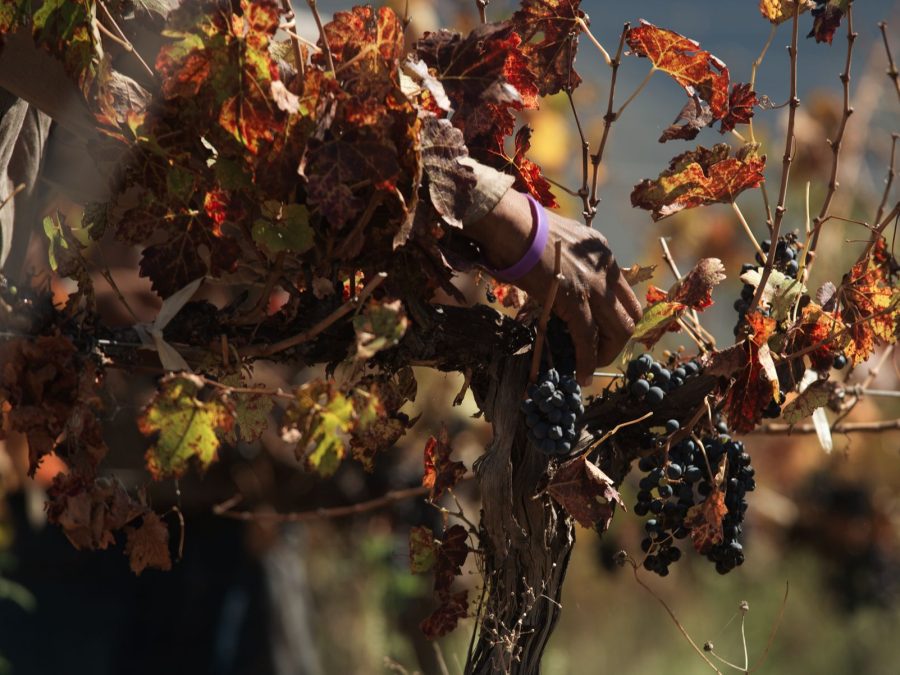
- Harvest: Late September and October is grape harvest season. Many estates are busy, so book tastings early.
FAQ
How many days do you need in Tuscany?
Allow at least three days for Florence plus one day trip. A week lets you add Siena, Chianti and the southern hill towns.
Do I need to book the Leaning Tower of Pisa in advance?
Yes, especially from April to October. Climbs run on timed slots, and children under 8 can’t go up.
Can you see Tuscany without a car?
Yes, for Florence, Pisa, Lucca and Siena, which are linked by train or bus. For Chianti and the Val d’Orcia, a car or tour is much easier.
When is the Siena Cathedral floor uncovered?
In 2026, the floor is on view until 15 November. Check the Opera del Duomo site for future dates.
What is the best area to stay in Tuscany for a first visit?
Florence works best for a first trip, thanks to its rail links. Add a night in Siena or a Chianti farmhouse for the countryside.
Dig deeper with our Florence guide and Tuscany wine guide, or compare the best wine regions in Europe. Check this weekend’s picks before you book.