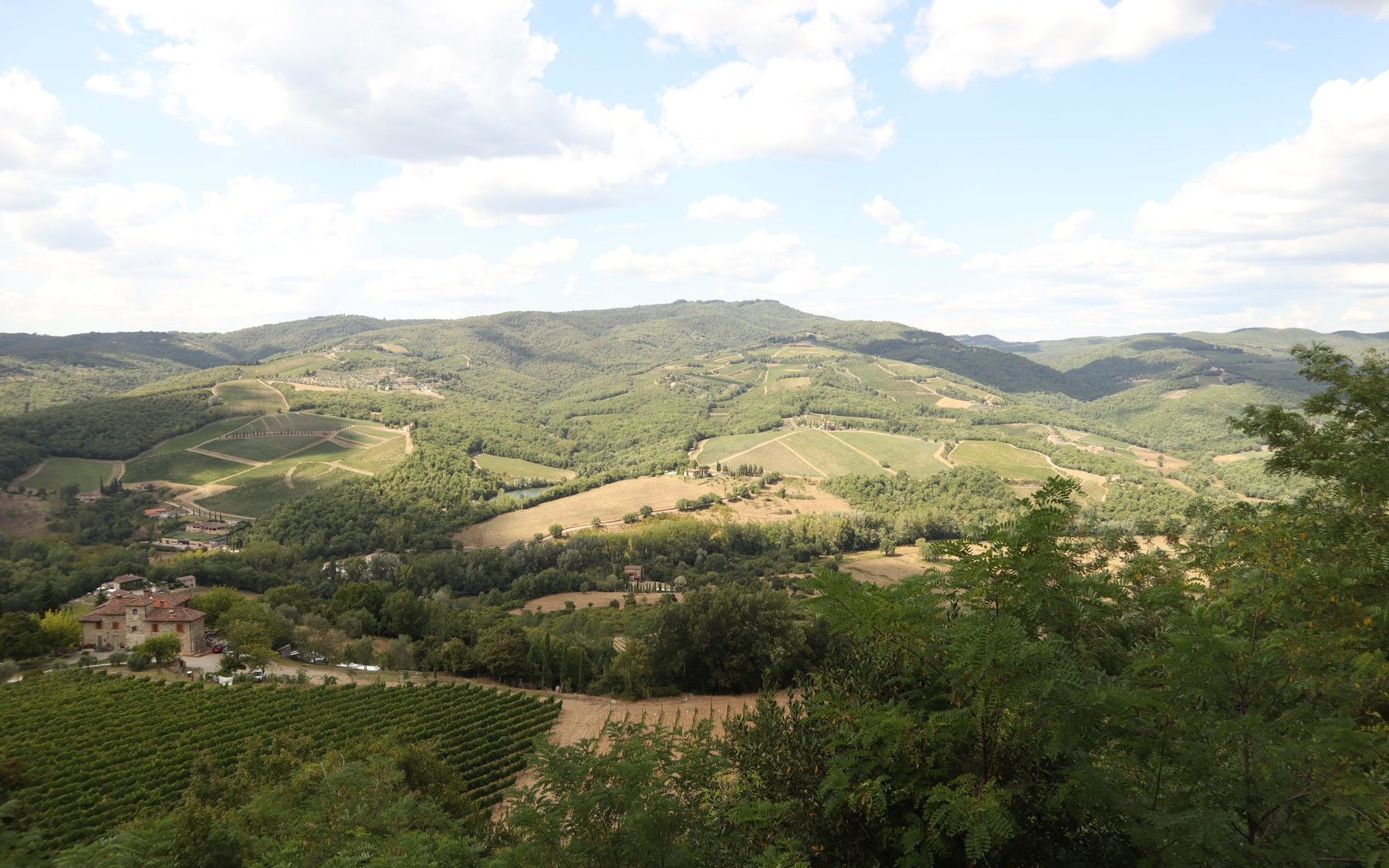
Tuscany is where many people fall for Italian wine. The hills between Florence and Siena are lined with vineyards, olive groves and castle estates that have made wine for centuries. A weekend in Chianti suits couples, food lovers and anyone who wants a wine trip with art cities close by.
From Sangiovese to Super Tuscans
Sangiovese, the backbone
Almost every great Tuscan red is built on Sangiovese. It gives sour cherry, red plum, dried herbs and a savoury, earthy edge, with bright acidity that makes it a natural partner for food. Read more in our Sangiovese guide.
The classic wines
- Chianti Classico: The historic heart of Chianti, between Florence and Siena, marked by the black rooster on the bottle. Mostly Sangiovese, fresh and savoury, with richer Riserva and Gran Selezione wines at the top.
- Brunello di Montalcino: 100% Sangiovese from the hill town of Montalcino, south of Siena. Powerful, long-lived and aged for years before release.
- Vino Nobile di Montepulciano: From the Renaissance town of Montepulciano, mostly Sangiovese, softer than Brunello and often good value.
- Vernaccia di San Gimignano: A crisp, slightly bitter white from the town of towers.
The Super Tuscans
From the late 1960s and 1970s, a handful of producers broke the rules. They used French grapes such as Cabernet Sauvignon and Merlot, or aged Sangiovese in small French barrels, and released wines that outranked the official categories. Sassicaia and Tignanello led the way. Many of the most famous come from Bolgheri, on the coast, but most of those estates rarely open to the public.
Where to base yourself
- Greve in Chianti: A market town with an arcaded square, about 40 minutes south of Florence. The most practical base for Chianti Classico.
- Radda or Gaiole in Chianti: Smaller villages in the hills, closer to the castle estates.
- Siena: A city base with great food, around 40 minutes from Gaiole. Good if you also want Montalcino.
- Montepulciano: A hill-town base for a southern weekend of Vino Nobile and Brunello.
Wineries to visit
Book every tour ahead on the estate’s own website. Peak-season slots fill one to two weeks in advance, and most estates close for part of August.
- Antinori nel Chianti Classico, Bargino: A striking, mostly underground winery about 30 minutes from Florence, with a rooftop olive grove. The Tinaia tour covers the cellars, barrel rooms and family history. It opens daily from April to October.
- Castello di Brolio, Gaiole in Chianti: The Ricasoli family castle, linked to the 19th-century origins of the Chianti recipe. Tours book online, and the enoteca is open for walk-ins.
- Castello di Ama, Gaiole in Chianti: An estate known for its contemporary art installations among the cellars and gardens. Visits by appointment.
- Castello di Volpaia, Radda in Chianti: A fortified medieval hamlet above Radda. Book visits by email or the website form; the osteria and shop take walk-ins.
- Castello Banfi, Montalcino: A large Brunello estate with regular tours, a castle museum and an enoteca.
- Avignonesi, Montepulciano: A leading Vino Nobile producer with tours, tastings and meal experiences booked online.
Tip: Want to visit Ornellaia or Sassicaia in Bolgheri? Sassicaia doesn’t open to the public, and Ornellaia needs a request four to eight weeks ahead with no guarantee. Plan Chianti as your main weekend.
What to eat
- Bistecca alla fiorentina: A thick T-bone steak, grilled rare and served by weight. Share it.
- Pici: Hand-rolled thick spaghetti, often with garlicky tomato sauce or wild boar ragù.
- Ribollita: A hearty bread and vegetable soup, best in the cooler months.
- Pecorino: Sheep’s cheese, especially from Pienza near Montepulciano.
- Cantucci and vin santo: Almond biscuits dipped in sweet, amber dessert wine to end the meal.
When to go
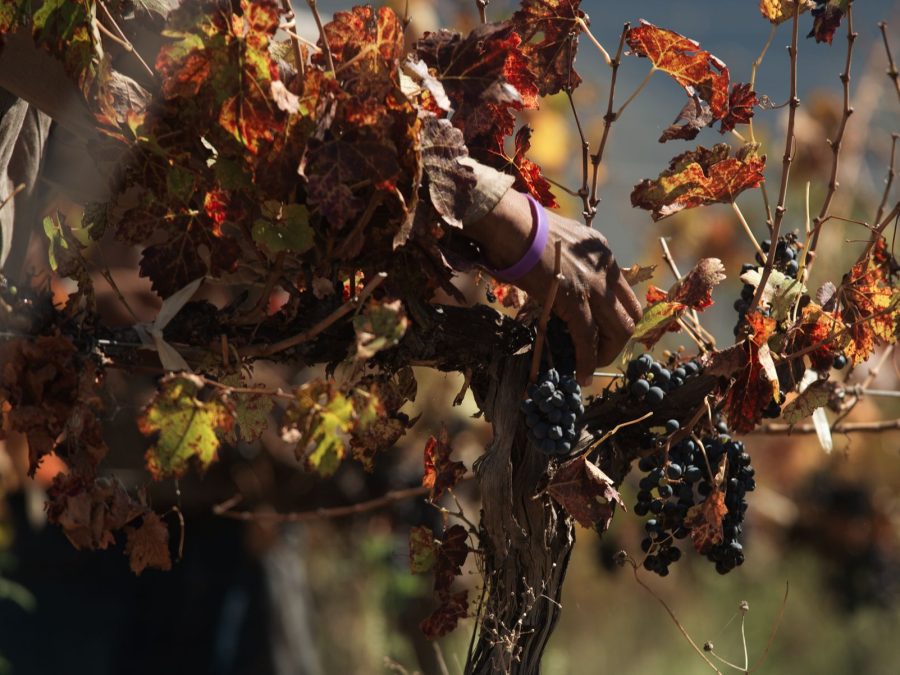
The harvest, the vendemmia, usually runs from September into early October, when the estates are busy and the evenings cool. Some cut back visits at the height of picking, so book early. Spring brings wildflowers and green vines. Avoid August if you can: it is hot and many estates close around the 15 August holiday (Ferragosto).
Tip: Book weekday tours where you can. Tuesday to Thursday slots are easier to get than weekends, especially at Antinori.
Getting around
You need wheels. The SR222, the Chiantigiana, runs from Florence through Greve and Panzano towards Siena and is the classic scenic route. Agree on a designated driver, or book a local driver-guide for the tasting day.
FAQ
Which is the best area of Tuscany for a wine weekend?
Chianti Classico, between Florence and Siena, is the easiest for a short trip. Montalcino and Montepulciano suit a longer stay further south.
Do you need to book winery tours in Tuscany?
Yes, for most estates. Book online one to two weeks ahead in peak season, and longer for famous names.
What is a Super Tuscan?
A Tuscan red made outside the traditional rules, often with Cabernet Sauvignon or Merlot, or aged in small French oak barrels. Sassicaia and Tignanello are the best-known pioneers.
Can you visit Chianti wineries from Florence?
Yes. Antinori is about 30 minutes away, and Greve about 40. Organised day tours also run from the city.
Making a longer trip? Add a weekend in Florence, the best things to do in Tuscany, or compare with our Piedmont wine weekend.