Wrocław spreads across a dozen islands on the River Oder, linked by more than a hundred bridges. It has a market square to rival Kraków’s, a cathedral island lit by gas lamps and a food scene that now earns MICHELIN stars. It suits couples, friends on a first trip to Poland and anyone who likes a city they can walk end to end.
Why go
The scale is perfect for a weekend. The Old Town, the river islands and Ostrów Tumski sit within a short walk of each other, and almost every route crosses water.
It is also a city with layers. Wrocław was German Breslau until 1945, was heavily damaged in the war and was carefully rebuilt. You see that history in the brick Gothic churches, the restored merchant houses and the former Jewish quarter around the White Stork Synagogue.
Then there are the dwarfs. Hundreds of small bronze figures hide on pavements, ledges and doorsteps across the city. Kids love hunting for them. So do most adults, if they are honest.
Wrocław
Don’t miss
The places that make the trip, and why each one deserves your time.

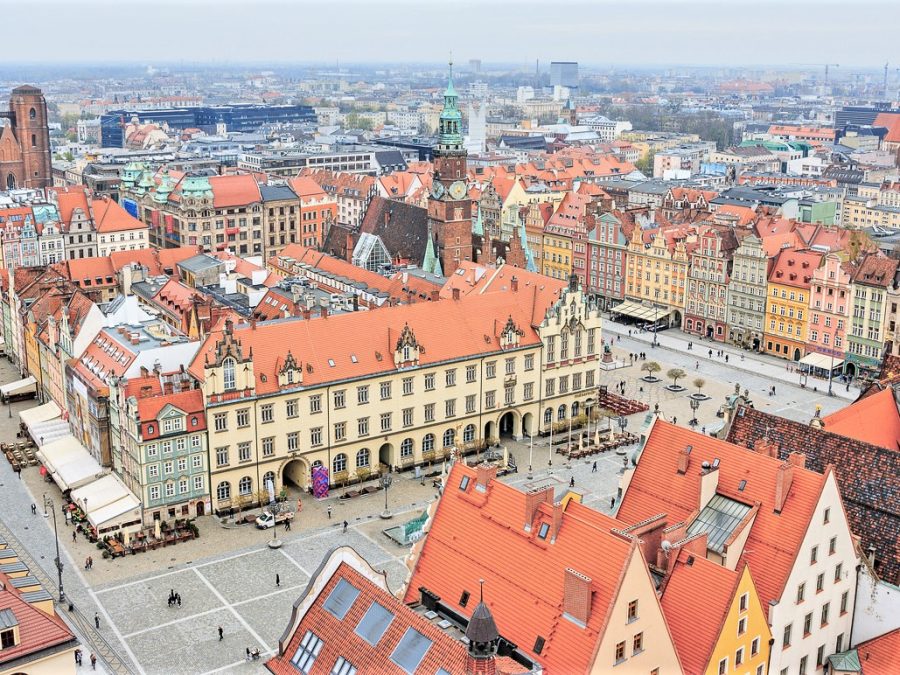
Hrs Poland / Wikimedia Commons, CC BY-SA 3.0 Market Square (Rynek)
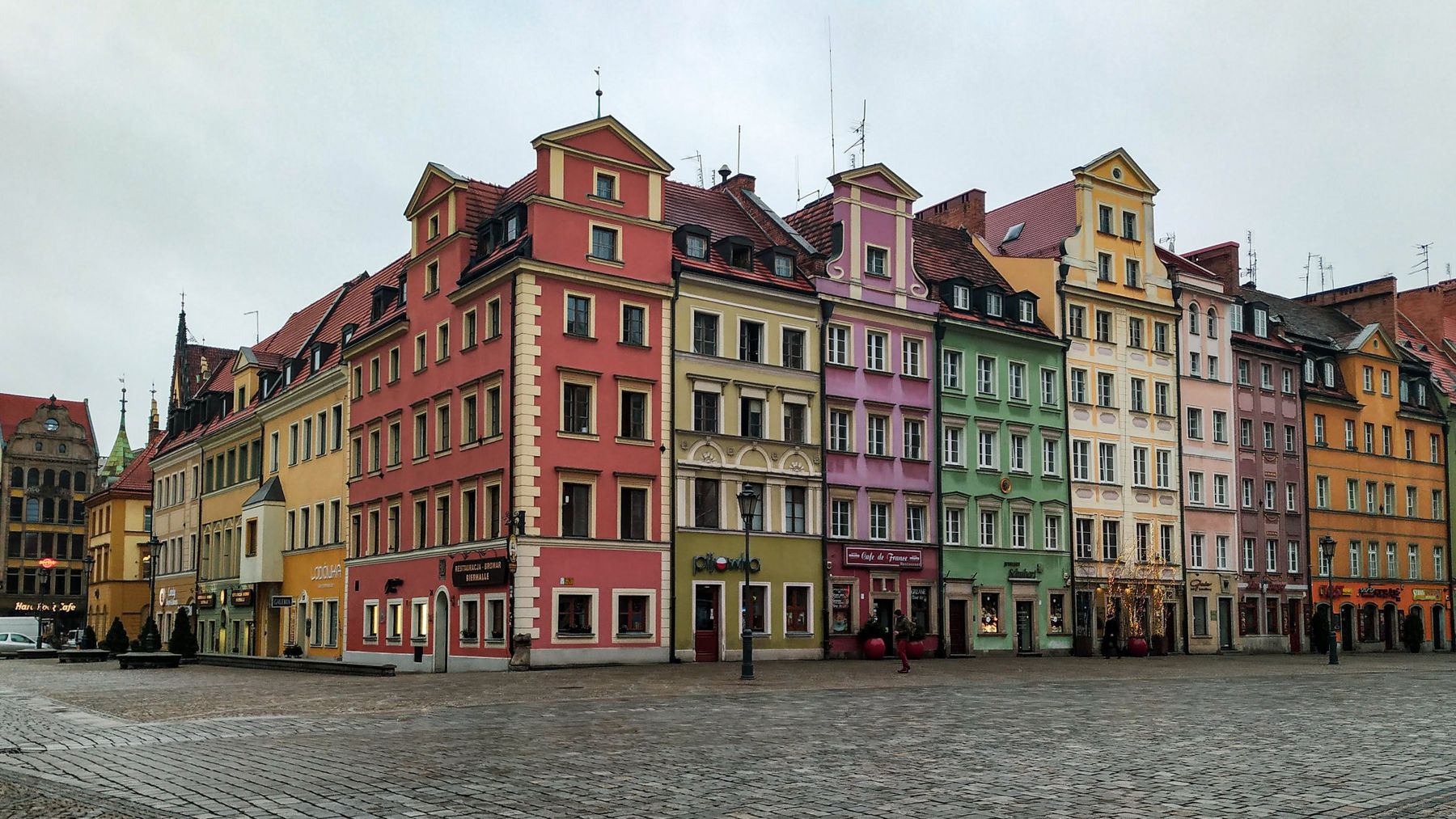
One of Europe's finest market squares, ringed by restored merchant houses around a Gothic Old Town Hall with stepped gables and an ornate astronomical clock face. Look down: the first bronze dwarfs are here.
Walk round slowly, then try Salt Square next door.
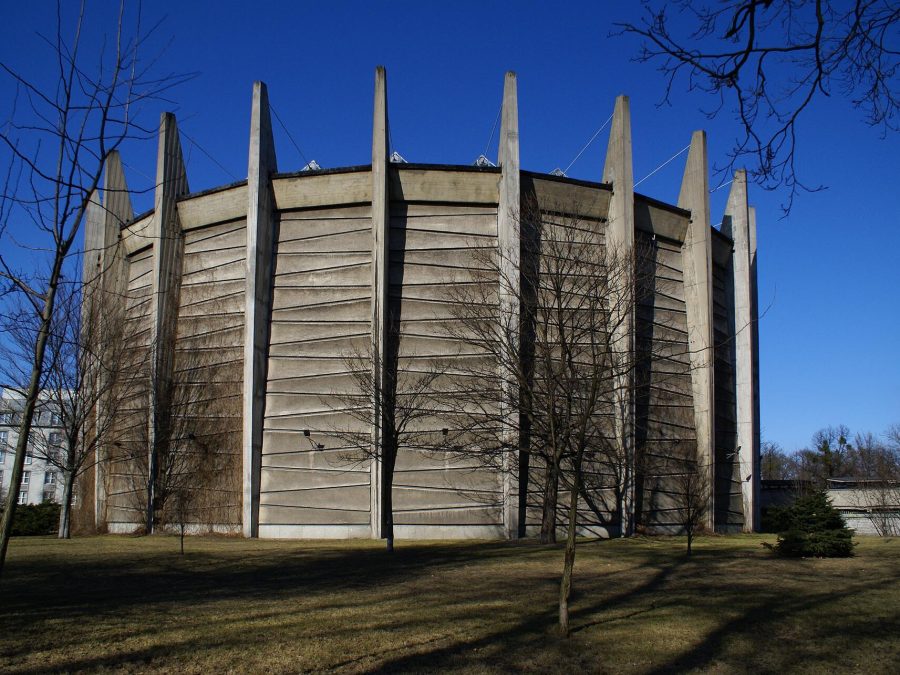
Barbara Maliszewska / Wikimedia Commons, CC BY-SA 3.0 pl Racławice Panorama
A vast painting about 120 metres long and 15 metres high wraps around a rotunda, pulling you into the 1794 battle from every side.
Book a morning or late-afternoon timed slot online.
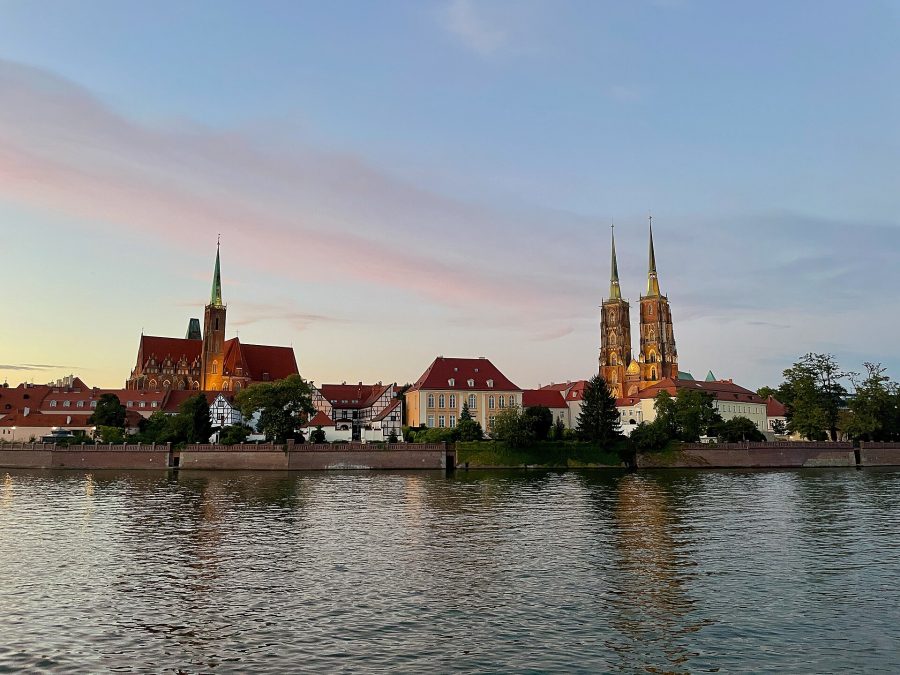
Wandelndes Lexikon / Wikimedia Commons, CC BY-SA 4.0 Ostrów Tumski
The oldest part of the city, where a lamplighter walks the island at dusk lighting the gas lamps by hand and the cathedral's twin towers glow above Tumski Bridge.
Arrive at dusk to watch the lamps being lit.
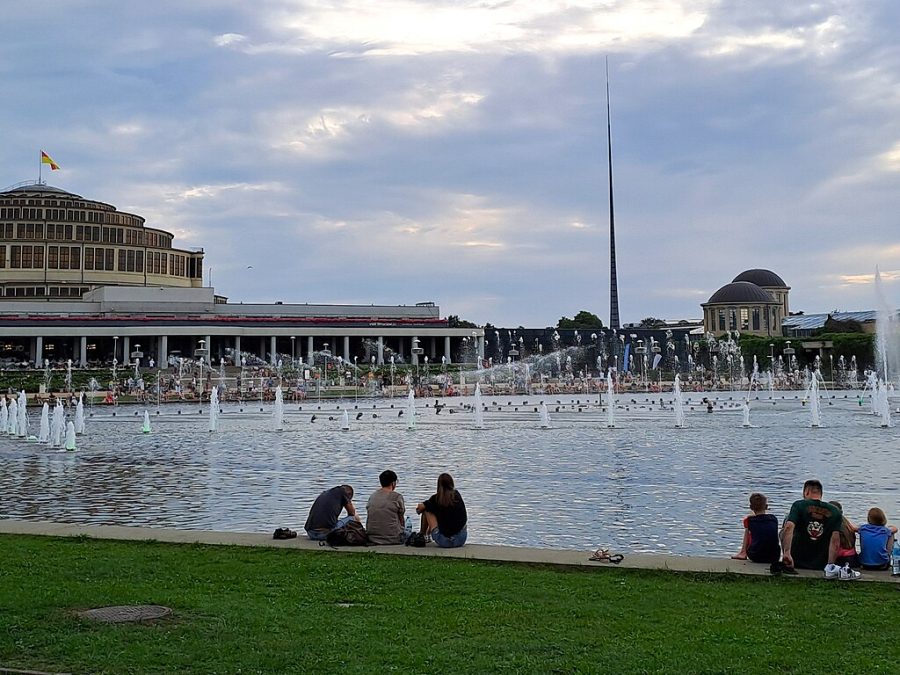
Paju~commonswiki / Wikimedia Commons, CC BY-SA 4.0 Centennial Hall
A 1913 reinforced concrete dome on the UNESCO World Heritage list, with the Multimedia Fountain beside it running shows in the warmer months.
Check the fountain's status online before you plan around it.
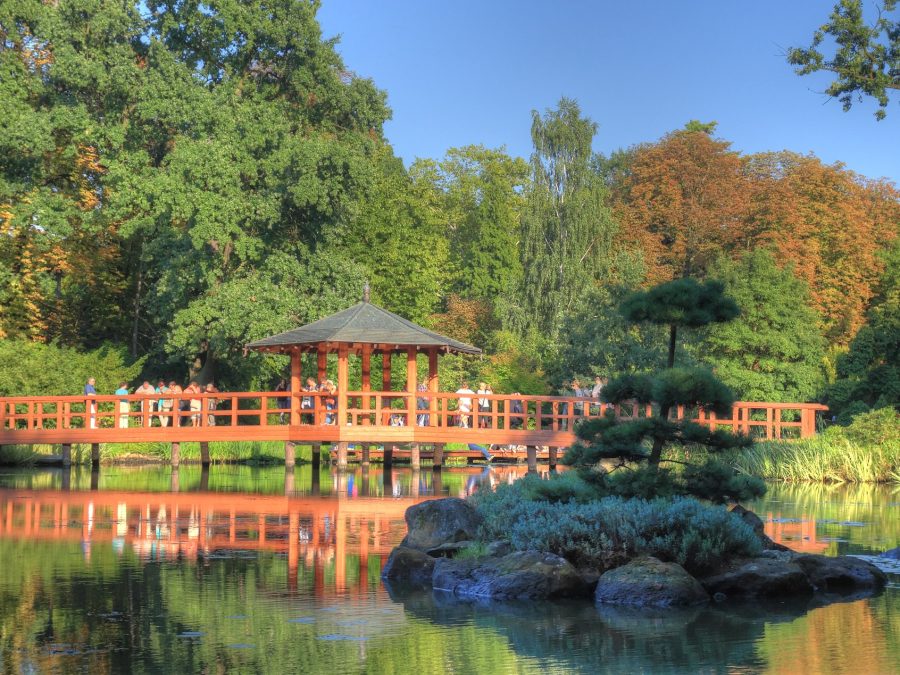
Hanc Tomasz / Wikimedia Commons, CC BY-SA 3.0 Japanese Garden
Next door to Centennial Hall in Szczytnicki Park, a calm, carefully composed garden that makes a gentle pause after the scale of the great dome.
Open daily from 1 April to 31 October only.
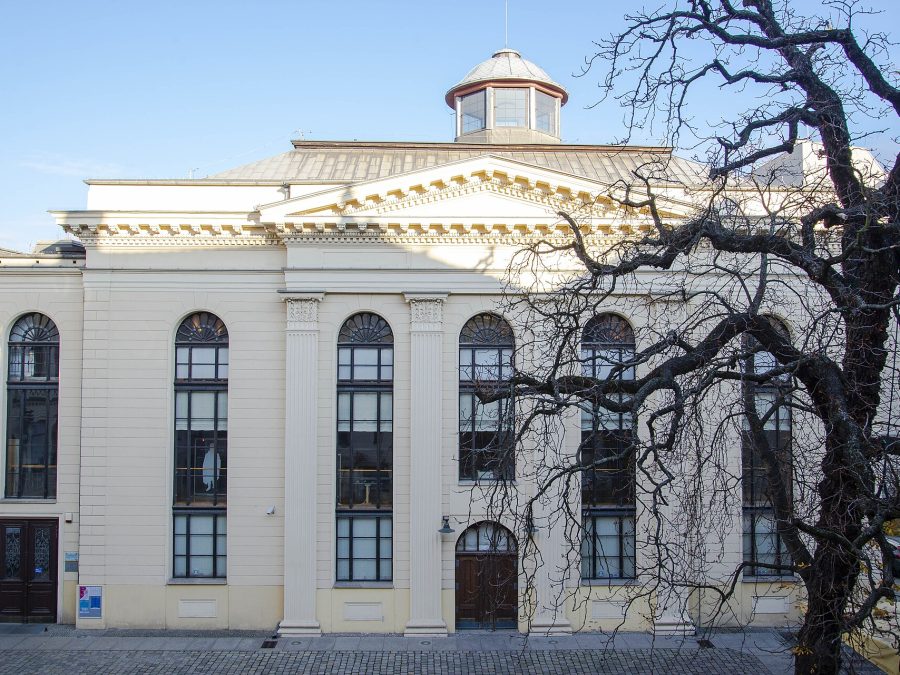
Isabelles Knowledge / Wikimedia Commons, CC BY-SA 4.0 Four Denominations District
Around Włodkowica Street, synagogues, churches and courtyard cafés sit side by side. The restored White Stork Synagogue is the centrepiece of the former Jewish quarter.
Passage
On Świdnicka Street, bronze figures sink into the pavement on one side of the road and rise out of it on the other, a striking piece of street sculpture.
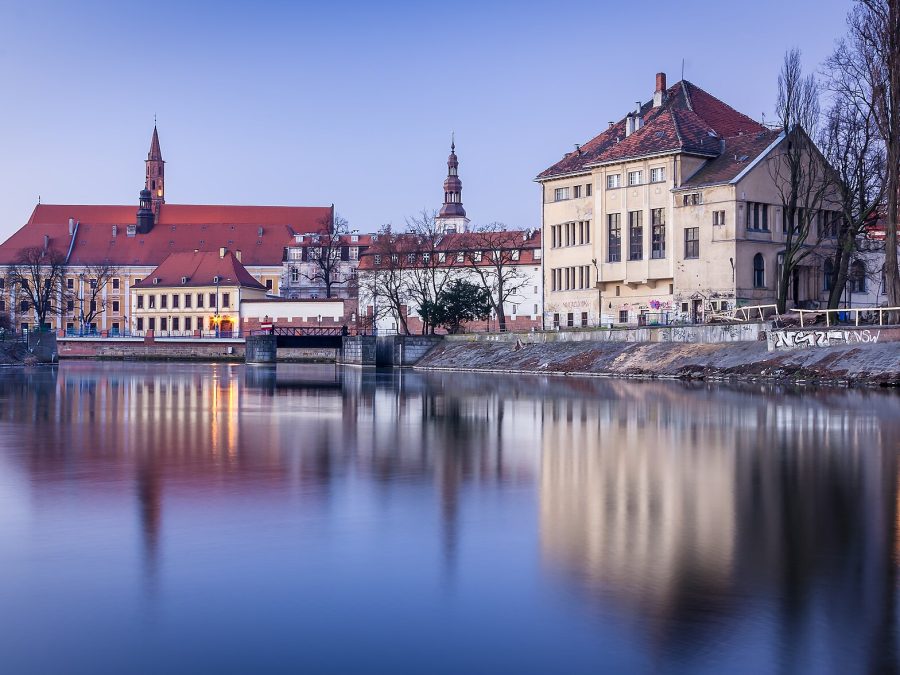
Jar.ciurus / Wikimedia Commons, CC BY-SA 3.0 pl Słodowa Island
The city's favourite spot for an afternoon drink by the water. In summer the island and riverbanks fill with people while pedal boats drift under the bridges.
Pair it with neighbouring Daliowa Island on a summer evening.
The 48-hour route
Day 1
Morning: Start in the Rynek, the Market Square. Walk slowly round the Old Town Hall, a Gothic building with an ornate astronomical clock face and stepped gables. Then explore the smaller Salt Square (Plac Solny) next door, where the flower stalls stay open late. Look down as you go: the first dwarfs are here.
Afternoon: Walk east to the Panorama of the Battle of Racławice. This vast painting, about 120 metres long and 15 metres high, wraps around a rotunda and shows the 1794 battle. Viewing runs in timed sessions of about 30 minutes, so book a slot online. From 1 November to 31 March it closes on Mondays. Your Panorama ticket also gets you into the National Museum’s permanent galleries nearby, a short walk away.
Tip: Book the Panorama for a morning or late-afternoon slot online. Sessions are timed, and walk-up slots can sell out on summer weekends.
Evening: Cross the bridges to Ostrów Tumski, the oldest part of the city. At dusk, a lamplighter walks the island lighting the gas lamps by hand, a ritual that draws a quiet crowd. Cross Tumski Bridge, see the twin towers of St John the Baptist’s Cathedral lit up, then head back for dinner in the Old Town.
Day 2
Morning: Take a tram east to Centennial Hall (Hala Stulecia), a 1913 reinforced concrete dome on the UNESCO World Heritage list. The Multimedia Fountain beside it runs shows in the warmer months, including evening shows with light. The fountain was damaged by lightning in June 2026 and ran in a limited format afterwards, so check the Centennial Hall website before you plan around it. Next door, the Japanese Garden in Szczytnicki Park is open daily from 1 April to 31 October.
Afternoon: Head back towards the centre for lunch, then walk the Four Denominations District around Włodkowica Street. Synagogues, churches and courtyard cafés sit side by side here. Visit the restored White Stork Synagogue, then walk to Świdnicka Street to see Passage, the bronze figures that sink into the pavement on one side of the road and rise out of it on the other. Finish on Słodowa Island and neighbouring Daliowa Island, the city’s favourite spots for an afternoon drink by the water.
Tip: Pick up a dwarf map from the tourist information office before you start. It turns aimless wandering into a game and takes you down streets you would otherwise miss.
Evening: End on the water. In summer, Słodowa Island and the riverbanks fill with people, and hired boats and pedal boats drift under the bridges. For dinner, book one of the city’s well-reviewed modern Polish restaurants, then finish with a nightcap off the Rynek.
Where to stay
- Old Town (Stare Miasto): Best for first-timers. Everything is walkable, though rooms facing the Rynek can be noisy at weekends.
- Around Włodkowica and the Four Denominations District: Best for couples who want courtyard bars and cafés on the doorstep, a few minutes from the square.
- Ostrów Tumski and Piasek Island: Best for a quiet base by the river and cathedral, with the Old Town over the bridge.
- Near Wrocław Główny: Best for an early train or late flight. It is practical, well connected and a 15-minute walk from the square.
What to eat and drink
- Pierogi: Dumplings filled with potato and cheese, meat or seasonal fruit. Try them boiled, then fried.
- Żurek: Sour rye soup with sausage and egg, often served in a bread bowl.
- Placki ziemniaczane: Crisp potato pancakes, sometimes topped with goulash.
- Polish craft beer: The country’s craft beer scene is strong, and Wrocław has plenty of taprooms.
- Polish vodka and nalewka: Flavoured fruit liqueurs, usually served in small glasses after dinner.
- Pączki: Filled doughnuts from a bakery, eaten mid-morning.
Where to go:
The 2026 MICHELIN Guide Poland gave Wrocław two starred restaurants and several value picks. These are the names to know:
- IDA Kuchnia i Wino: A Bib Gourmand bistro with relaxed seasonal cooking and a strong wine list.
- Tarasowa: Another Bib Gourmand, serving modern Polish plates with good value at lunch and dinner.
- Między Mostami: A riverside restaurant between two bridges, recommended by MICHELIN. Inside it, the tasting room Most holds a star.
- Baba: Chef Beata Śniechowska’s starred restaurant, for a special-occasion dinner. Book well ahead.
Getting around
The centre is compact, so you will walk most of the time. Trams cover longer trips, including Centennial Hall and the zoo. Buy tickets from machines at stops or on board, or use a local transport app. Validate paper tickets when you board.
From the airport, bus 106 runs about every 15 minutes to the main station area and takes 30–40 minutes. An airport express bus also runs to the main station via Plac Dominikański, which is handy for the Old Town. Taxis from vetted firms wait outside the terminal and take about 20 minutes.
Rail is a good way in. Wrocław Główny has direct trains to Kraków, Warsaw, Berlin and Prague, so you can easily add a second city.
Wrocław Christmas market 2026
The Christmas market returns to the Rynek from 20 November 2026 to 7 January 2027, so it runs right through New Year’s Eve and Epiphany. Stalls open daily from 10am to 9pm. The market closes on 24 and 25 December and on 1 January, and opens at 1pm on 26 December. On New Year’s Eve the craft stalls shut at 5pm, while food and drink stalls stay open until 2am. Entry is free.
It is far more than one square. Wooden huts line all four sides of the Rynek around the Gothic town hall, then run down Świdnicka Street towards the Opera, along Oławska Street and into Plac Solny next door. Look for the Fairy-tale Forest (Bajkowy Lasek), with its windmill-shaped drinks house, and the Christmas-tree carousel on the north side of the square. The lighting of the city Christmas tree on the Rynek is one of the season’s favourite evenings; the 2026 programme is due on wroclaw.pl.
Come hungry. Order grzaniec (mulled wine), pick up pierniki (gingerbread) for the train home and fill up on hot pierogi from the food stalls. The dwarfs join in too: several bronze figures live around the square, and one of the drinks houses is named after them.
Tip: Visit on a weekday before 4pm for space to browse, then come back after dark for the lights.
Compare it with other cities in our European Christmas markets 2026 calendar.
Good to know
- Panorama hours: In winter (1 November to 31 March), the Panorama is closed on Mondays. It also closes on 31 October and 1 November 2026, and on several days over Christmas.
- Seasonal gardens: The Japanese Garden opens only from April to October. The Multimedia Fountain runs in the warmer months, so check the official site for current show times.
- All Saints’ Day: On 1 November, many sights close and cemeteries fill with candles. It is moving to see, but plan meals and museums around it.
- Sunday shopping: Most shops in Poland close on most Sundays. Restaurants, cafés and museums stay open.
- Currency: Poland uses the złoty, not the euro. Cards are accepted almost everywhere.
FAQ
Is Wrocław worth a weekend?
Yes. It has a beautiful old town, river islands, good food and a relaxed pace, and two days covers the highlights comfortably.
How do I get from Wrocław airport to the Old Town?
Take bus 106 or the airport express bus to the main station area, then walk or take a tram into the centre. A taxi takes about 20 minutes.
How many dwarfs are there in Wrocław?
There are hundreds, and new ones appear regularly. Rather than counting them, pick up a map and see how many you can find.
Do I need to book the Racławice Panorama?
It is wise to book. Viewing runs in timed 30-minute sessions, and you can buy tickets online through the National Museum’s booking site.
When does Wrocław Christmas market open?
It opens on Friday 20 November 2026 and runs until 7 January 2027, daily from 10am to 9pm. It closes on 24 and 25 December and 1 January, and opens at 1pm on 26 December.
Can I combine Wrocław with another city?
Yes. Direct trains link Wrocław with Kraków, Berlin and Prague. Pair it with our Prague weekend guide or Berlin guide.
For more ideas, browse our best city breaks in Europe and this weekend’s picks.