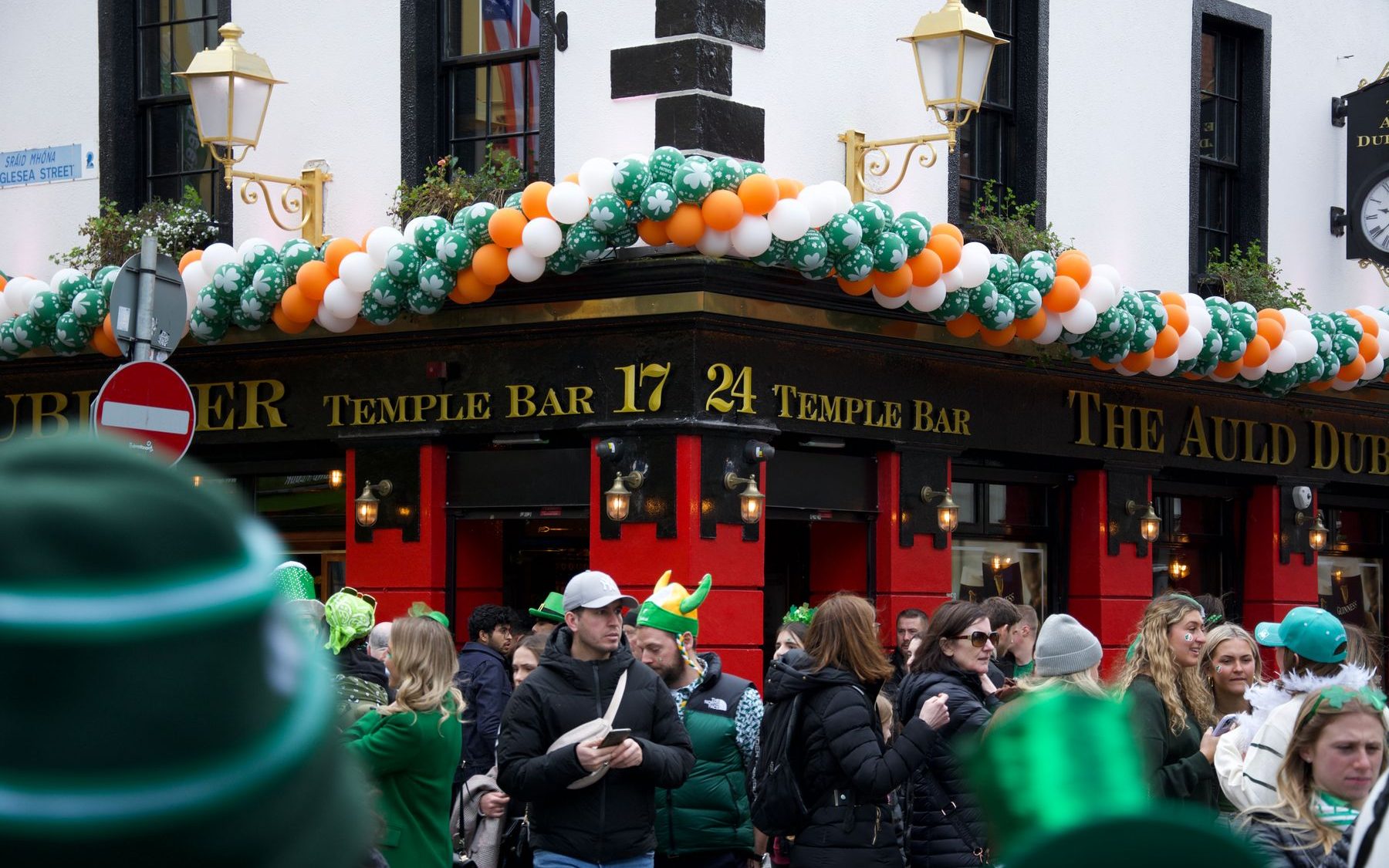
Dublin is small enough to walk and big enough to fill every hour of a weekend. You get a medieval core, elegant Georgian squares, a world-famous manuscript and pubs that still feel like front rooms. It suits first-time visitors, history buffs and anyone who wants good conversation with their pint.
Why go
Dublin does storytelling better than almost anywhere. Writers, rebels and musicians have shaped the city, and their traces are everywhere: plaques on Georgian doors, statues on corners and the cells of Kilmainham Gaol.
The centre is compact. The River Liffey splits it in two, with Trinity College, Grafton Street and the Georgian squares on the south side, and O’Connell Street and the markets to the north. Most sights sit within a 30-minute walk of each other.
Then there is the pub. It is less a bar than the city’s living room, with live music, long conversations and a pint of stout that locals swear tastes better here.
Dublin
Don’t miss
The places that make the trip, and why each one deserves your time.

Diliff / Wikimedia Commons, CC BY-SA 4.0 Book of Kells and the Long Room
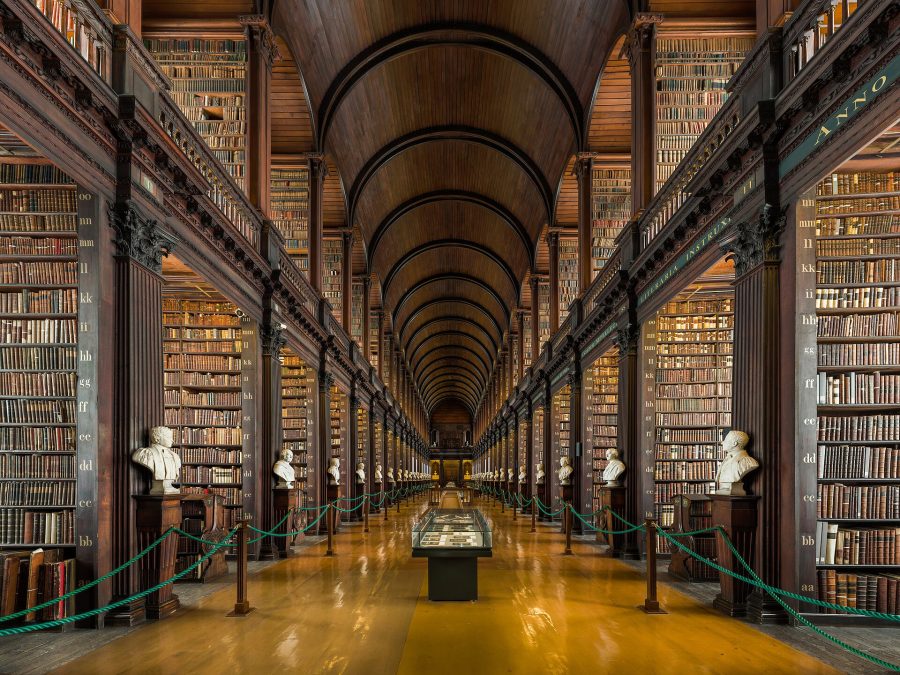
See the 9th-century illuminated Book of Kells, then step into the Long Room of the Old Library, still a dramatic space even with most of its books away for conservation.
Book the first slot and allow about 90 minutes.
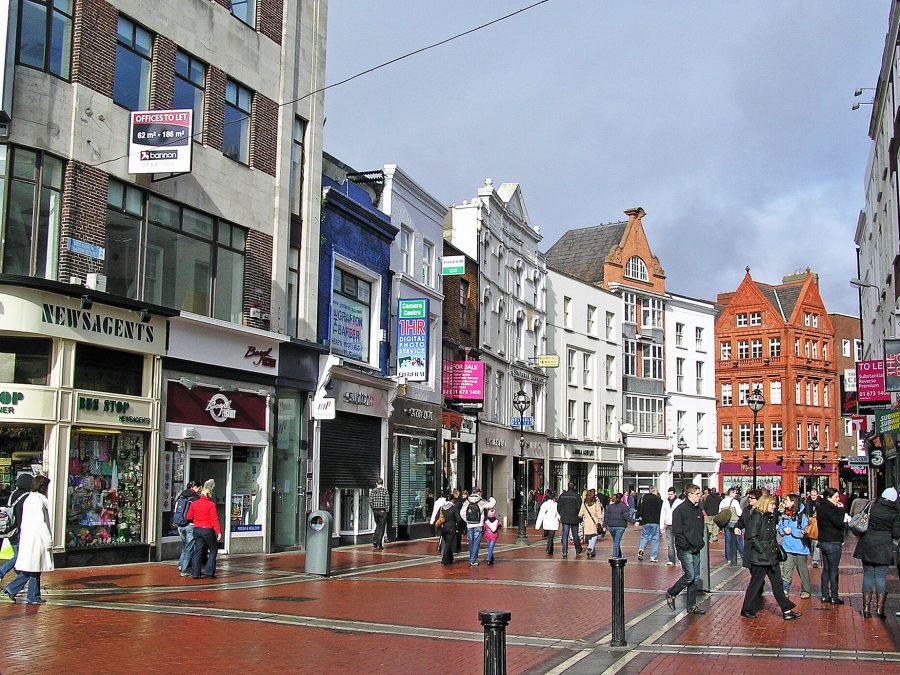
Donaldytong / Wikimedia Commons, CC BY-SA 3.0 Grafton Street
Dublin's main shopping street runs down to St Stephen's Green, with Bewley's café and its Harry Clarke stained glass windows halfway along.
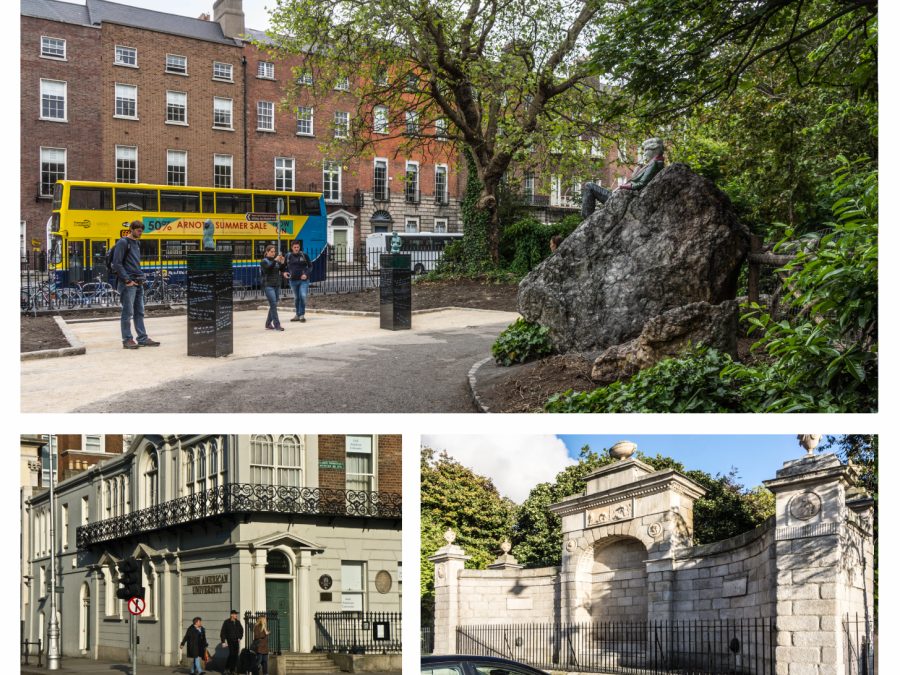
William Murphy / Wikimedia Commons, CC BY-SA 2.0 Merrion Square
The city's finest Georgian doors line this elegant square, with plaques recalling the writers and rebels who once lived behind them.
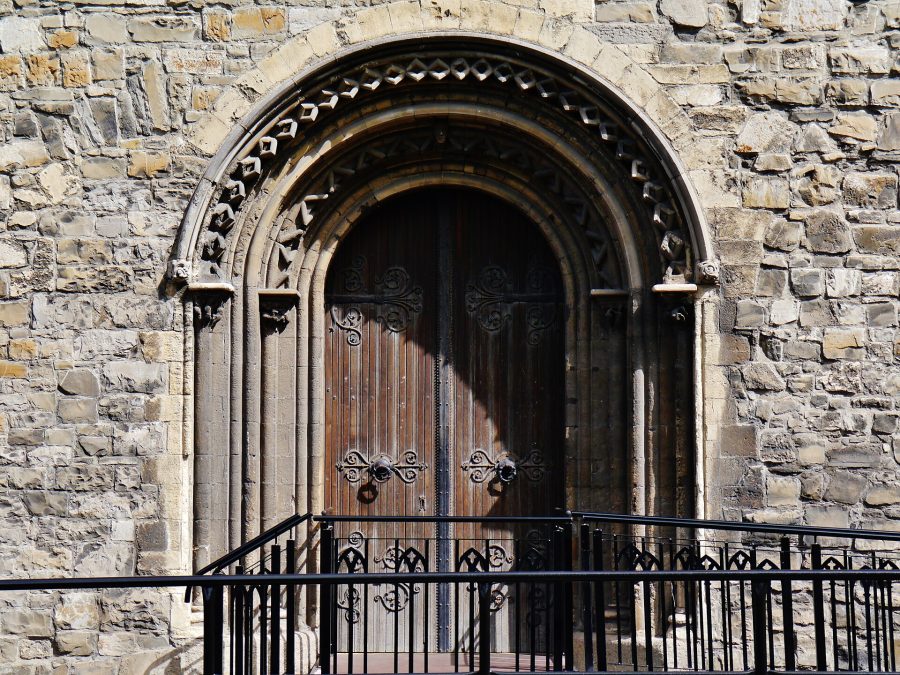
Zairon / Wikimedia Commons, CC BY 4.0 Christ Church Cathedral
The medieval cathedral at the heart of old Dublin, a short walk from Dublin Castle through the cobbled lanes of Temple Bar.
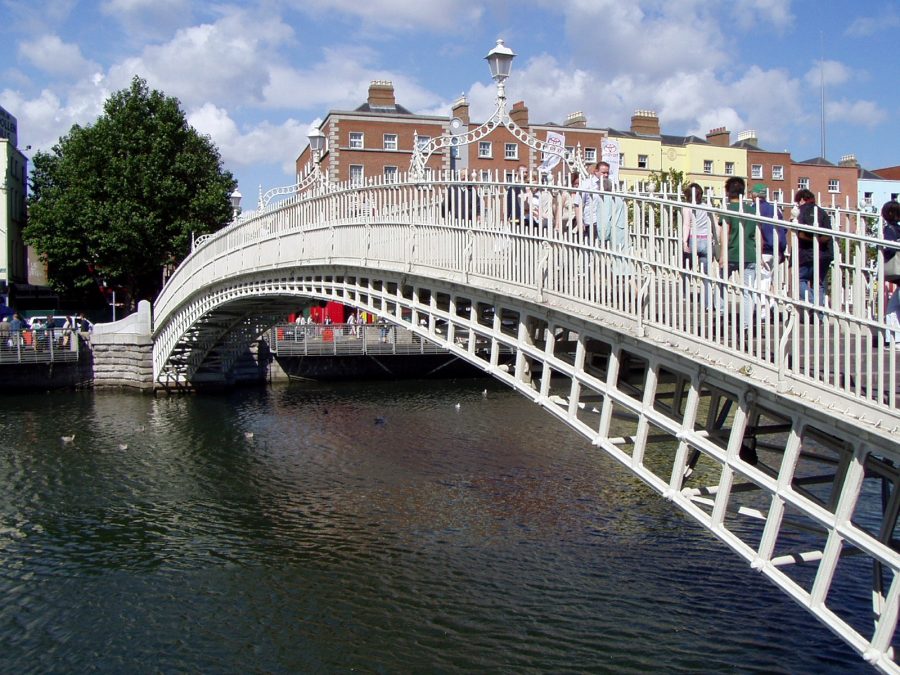
Wikimedia Commons, Public domain Ha'penny Bridge
The slender iron footbridge over the Liffey, at its best when you cross at dusk with the river lights coming on.
William Murphy / Wikimedia Commons, CC BY-SA 4.0 The Long Hall
One of the city's best-preserved Victorian bars, with ornate woodwork, mirrors and a long, narrow room where a proper pint is the main event.
Marathon / Wikimedia Commons, CC BY-SA 2.0 Kilmainham Gaol
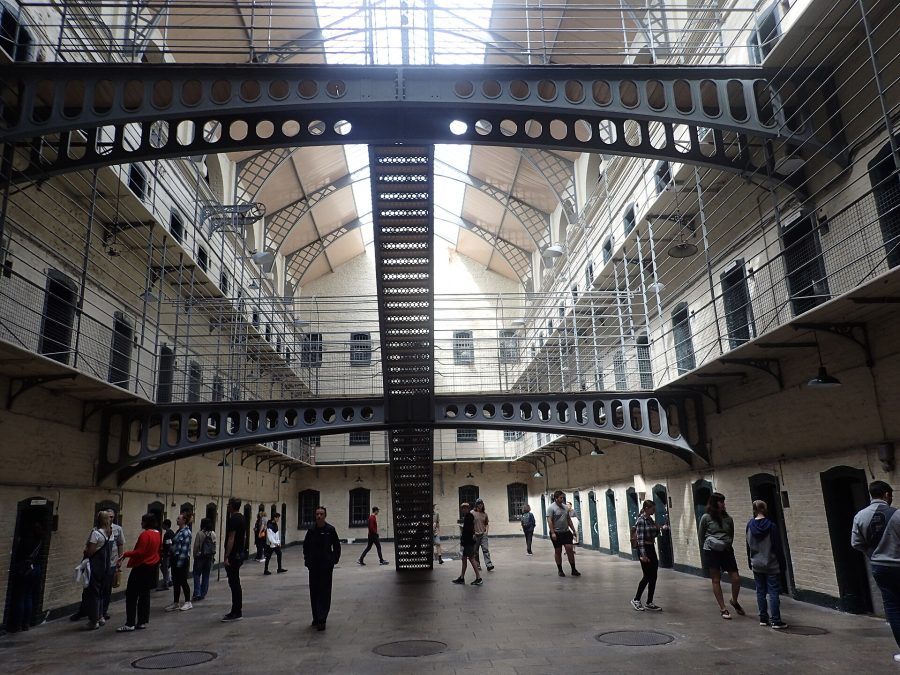
The prison where leaders of the 1916 Rising were held and executed, seen on a guided tour through its cells and yards.
Book only on the official site; it sells out first.
Steven Lek / Wikimedia Commons, CC BY-SA 4.0 Guinness Storehouse
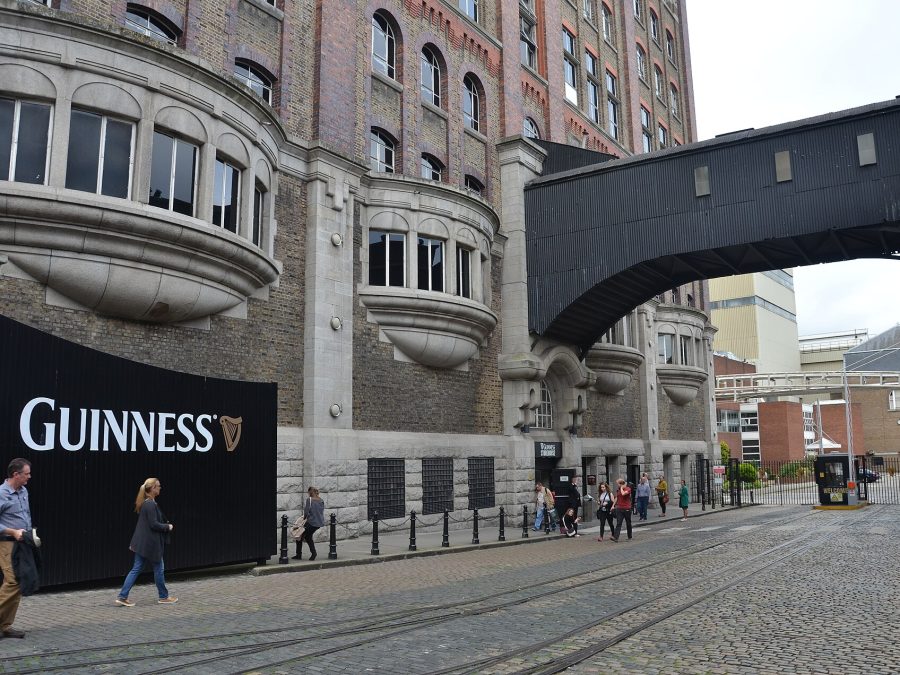
The brewery's story unfolds across several floors at St James's Gate, ending in the rooftop Gravity Bar with views over the city.
Book online ahead; Phoenix Park is the alternative.
The 48-hour route
Day 1
Morning: Start at Trinity College as it opens. The visit takes in the Book of Kells, the 9th-century illuminated gospel book, and the Long Room of the Old Library. The Long Room is part-way through a major redevelopment project, so most of its books have been moved out for conservation, with only the first four bays still shelved. It is still a dramatic space, and Trinity says the Old Library will stay open to visitors until the end of 2027. Entry is timed, so book online.
Tip: Book the first Trinity slot of the day. Allow about 90 minutes, and you will be out before the groups build up.
Afternoon: Stroll down Grafton Street to St Stephen’s Green, then on to Merrion Square for the city’s finest Georgian doors. Stop for coffee at Bewley’s on Grafton Street, a Dublin institution since the 1920s with stained glass windows by Harry Clarke. Then cut west through Temple Bar’s cobbled lanes to Dublin Castle and Christ Church Cathedral, a short walk apart.
Evening: Have dinner by the river, then cross the Ha’penny Bridge at dusk. Finish in a traditional pub. The Long Hall on South Great George’s Street is one of the city’s best-preserved Victorian bars, with ornate woodwork, mirrors and a long, narrow room.
Day 2
Morning: Head west to Kilmainham Gaol, where leaders of the 1916 Rising were held and executed. Access is by guided tour only, and the tour runs about 90 minutes. Pre-booking on the official site is essential. Tickets go on sale up to 28 days ahead at midnight Irish time, and some extra tickets are released online each morning.
Tip: Only buy Kilmainham tickets from kilmainhamgaolmuseum.ie. The OPW warns that tickets from other sites, including resellers, won’t be valid.
Afternoon: Walk or take a bus to the Guinness Storehouse at St James’s Gate. It tells the story of the brewery across several floors and ends in the rooftop Gravity Bar, with views over the city. Book online ahead. If beer isn’t your thing, spend the afternoon in Phoenix Park instead, one of Europe’s largest city parks, where wild deer roam.
Evening: Go north of the river for dinner at The Winding Stair, then hear live music in a pub around Temple Bar or Capel Street. Pick a pub with a session advertised, and arrive early for a seat.
Where to stay
- Around St Stephen’s Green and Grafton Street: Best for first-timers who want to walk everywhere, with classic hotels and easy access to the main sights.
- Temple Bar: Best for nightlife lovers who don’t mind noise. It is central but loud at weekends, so ask for a room at the back.
- Docklands and Grand Canal Dock: Best for modern hotels, waterside walks and quieter nights, with a DART station close by.
- Smithfield and Stoneybatter: Best for repeat visitors who want a neighbourhood feel, good cafés and an easy walk to Kilmainham and the Storehouse.
What to eat and drink
- Guinness: Order a pint and let it settle. Locals judge a pub by how it pours.
- Irish whiskey: Ask for a single pot still whiskey, the traditional Irish style.
- Seafood: Dublin Bay prawns, mussels and smoked salmon come from cold Irish waters.
- Irish stew and coddle: Hearty lamb stew and Dublin coddle, a slow-cooked mix of sausages, bacon and potato.
- Brown bread: Dense soda bread with salted Irish butter, served with soup or seafood chowder.
- Full Irish breakfast: Eggs, sausages, rashers, black and white pudding, and tea.
Where to go:
- The Winding Stair (Ormond Quay): A dining room on the site of a celebrated old bookshop, overlooking the Liffey and the Ha’penny Bridge. It focuses on seasonal Irish produce and home-style cooking. Book ahead.
- Bewley’s (Grafton Street): A historic café for breakfast, coffee or a mid-afternoon break under Harry Clarke’s windows.
- The Long Hall (South Great George’s Street): A Victorian pub with ornate woodwork, where a proper pint is the main event.
Getting around
Walk the centre. It is flat, compact and the best way to see the Georgian streets.
For longer trips, use a Leap card. It works on TFI buses, the Luas trams, the DART coastal railway and suburban trains, and you can top it up at shops and stations. The Luas Red Line runs west past Heuston Station towards Kilmainham, while the Green Line runs through St Stephen’s Green. The DART runs along the coast to Howth and Dalkey, both good half-day trips.
From the airport, Dublin Express and Aircoach run frequent coaches to the centre, typically in 20–45 minutes depending on traffic. TFI buses, including the 24-hour route 41, are slower but take a Leap card. Coaches and buses leave from signposted zones outside both terminals.
Good to know
- Book ahead: Trinity’s Book of Kells, Kilmainham Gaol and the Guinness Storehouse all run timed entry. Kilmainham sells out first.
- Old Library works: The Long Room has had most of its books removed for conservation. Trinity plans to close it for restoration from the end of 2027, with the Book of Kells moving to the Printing House.
- Weather: Rain comes and goes all year. Pack a light waterproof, especially for the part-outdoor tour at Kilmainham.
- Pub etiquette: Order at the bar, and in a group, buy rounds. Music sessions are informal, so keep conversation low when a song starts.
- Festive closures: Kilmainham Gaol closes from 24 to 27 December. Many restaurants close on Christmas Day.
- Currency: Ireland uses the euro, unlike Northern Ireland, which uses sterling.
FAQ
Is the Long Room at Trinity College closed?
No. It remains open, though most books have been removed for conservation. Trinity says the Old Library will stay open until the end of 2027, when restoration begins.
Do you need to book Kilmainham Gaol in advance?
Yes. Access is by guided tour only, and pre-booking online is the only way to guarantee a time. Tickets are released up to 28 days ahead.
How do I get from Dublin Airport to the city centre?
Dublin Express and Aircoach run frequent coaches to the centre. TFI buses are slower, but you can pay with a Leap card.
Is two days enough for Dublin?
Two days covers Trinity, the Georgian squares, Kilmainham and a couple of good pub evenings. Add a third day for a DART trip to Howth or Dalkey.
What is the best area to stay in Dublin for a weekend?
Around St Stephen’s Green and Grafton Street suits most visitors, as it is central and quieter than Temple Bar.
Extend your trip with our guide to the best castles in Ireland, or compare more city breaks in Europe. Check this weekend’s picks and the latest travel news before you go.