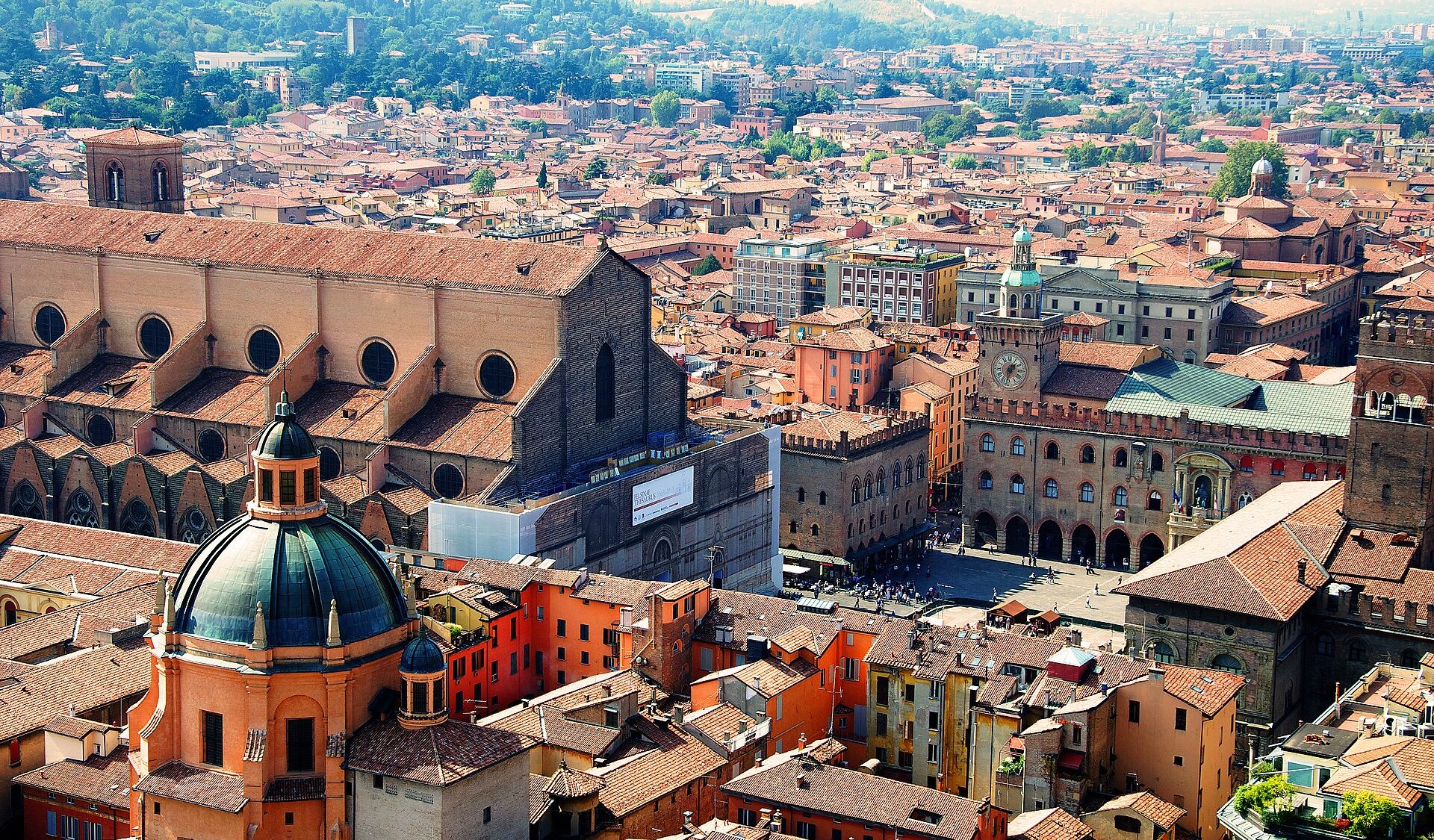
Bologna is a city you walk through under cover. Its porticoes run for kilometres, its medieval towers lean over the crossroads and its kitchens turn out the tortellini, ragù and mortadella that made it famous. Two days is just right for the main sights, a long walk to a hilltop sanctuary and several very good meals. It suits food lovers, rail travellers and anyone who prefers a compact, lived-in city to a checklist of big attractions.
Why go
Bologna is home to one of Europe’s oldest universities, and it still feels like a student city: busy cafés, bookshops and a centre full of life on a weeknight. The porticoes are its signature. The city has more than 62 km of them, and in 2021 UNESCO added the Porticoes of Bologna to the World Heritage List.
Then there is the food. This is the capital of Emilia-Romagna, the region of Parmigiano Reggiano, Parma ham and balsamic vinegar, and the city’s own dishes are the stars of any Italian menu. Add a strong art collection, some extraordinary churches and fast trains in every direction, and Bologna makes an easy, rewarding weekend.
Bologna
Don’t miss
The places that make the trip, and why each one deserves your time.

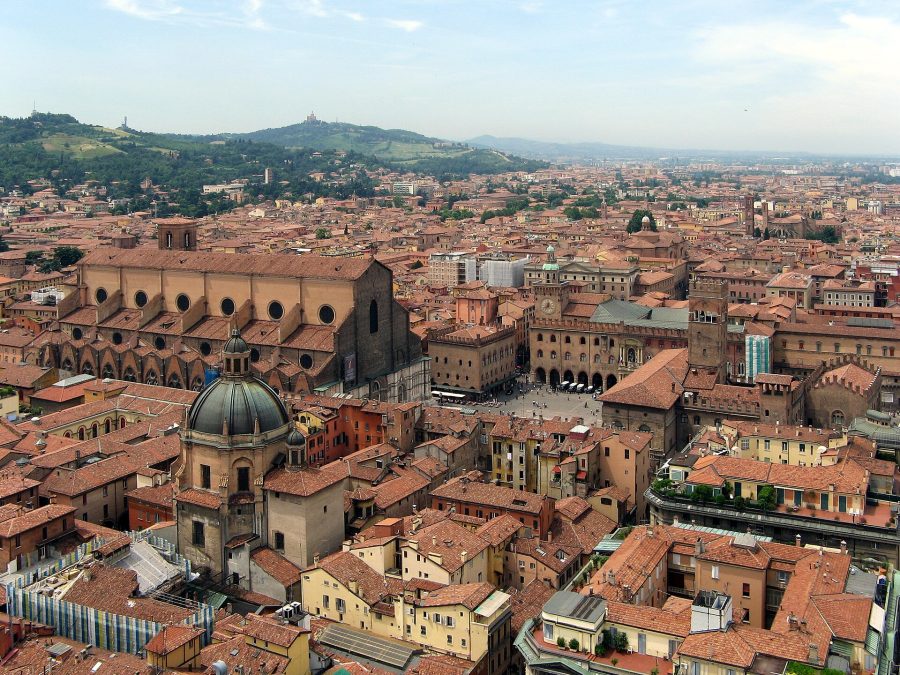
Steffen Brinkmann, claimed to be Szs here Hue and distort… / Wikimedia Commons, CC BY-SA 3.0 Piazza Maggiore and San Petronio
The city's grand square, framed by medieval palaces and the vast brick front of San Petronio, with Giambologna's bronze Neptune standing guard in the next square along.
Cover shoulders and knees; no luggage inside the basilica.
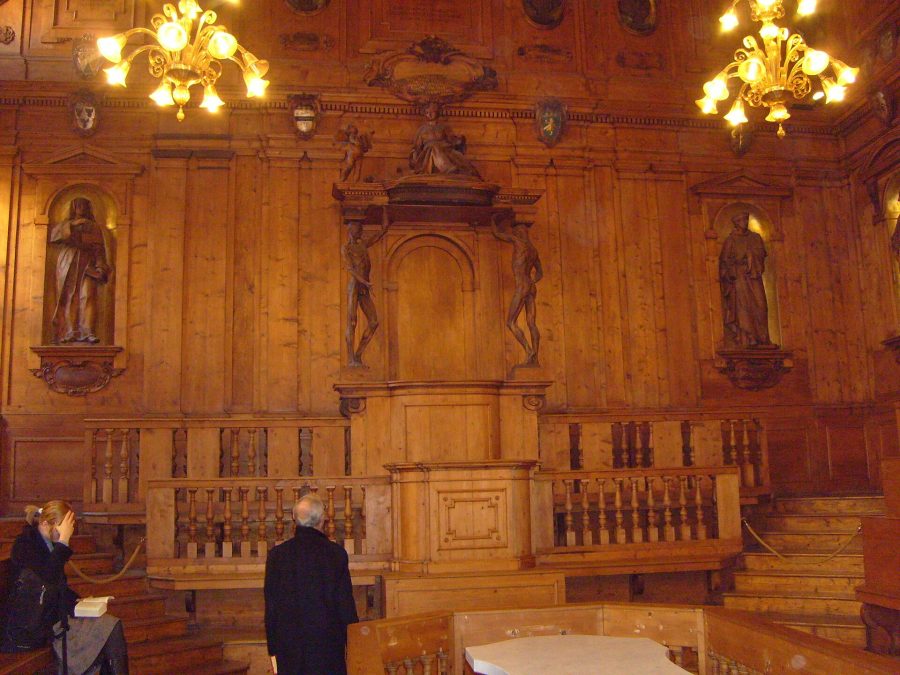
Luca Borghi / Wikimedia Commons, Public domain Archiginnasio and Anatomical Theatre
The old university seat, its arcades and vaults covered in the coats of arms of masters and students, hides a carved wooden anatomy theatre from 1637.
Book the anatomical theatre ahead; closed on Sundays.
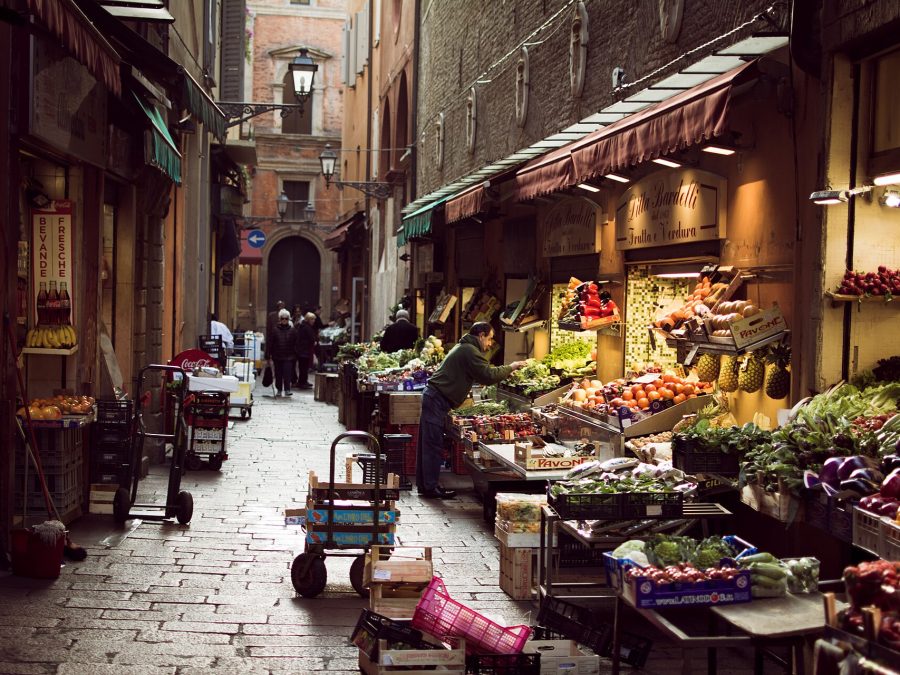
https://www.flickr.com/photos/121083587@N03/ / Wikimedia Commons, CC BY-SA 2.0 The Quadrilatero
The oldest part of the city, a tight grid of lanes behind Piazza Maggiore lined with stalls of fresh pasta, fish, meat and fruit, old workshops and taverns.
Come in the morning, when the stalls are at their fullest.
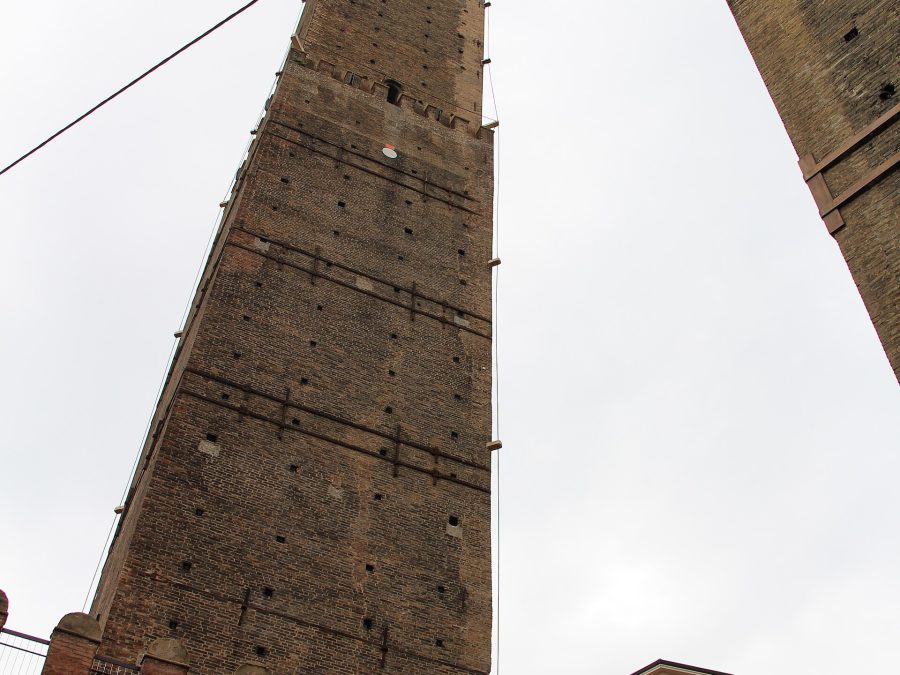
Fred Romero from Paris, France / Wikimedia Commons, CC BY 2.0 The Two Towers
Two medieval family towers lean over the crossroads at the heart of the city: the slender Asinelli, nearly a hundred metres high, and the stubby Garisenda beside it.
The Asinelli tower is currently closed to climbers.
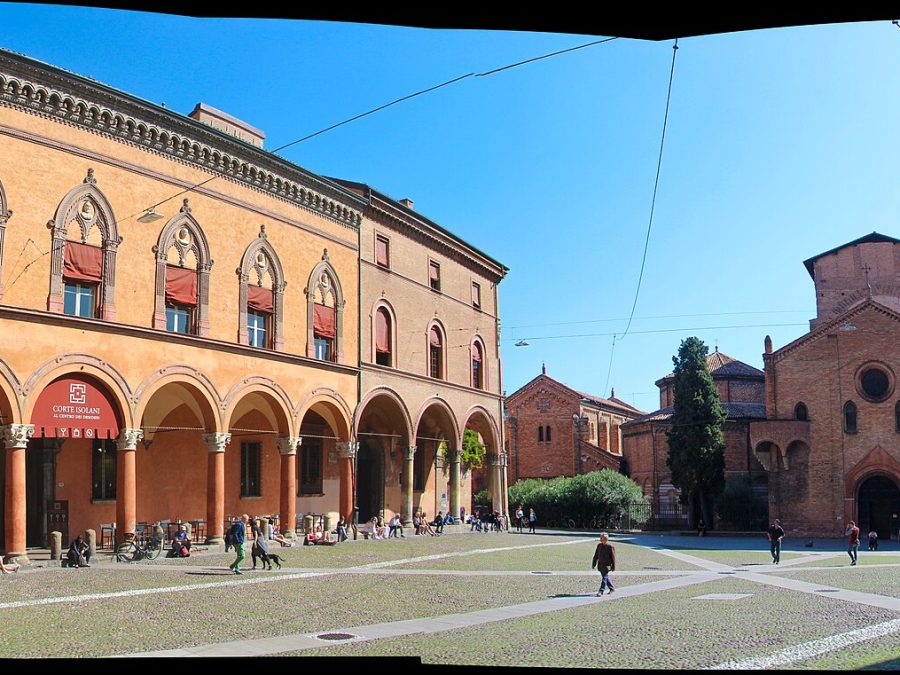
Napster81 / Wikimedia Commons, CC BY-SA 4.0 Santo Stefano
Known as the seven churches, a cluster of brick chapels, cloisters and courtyards built over centuries, opening onto one of the city's loveliest triangular squares.
Closed on Mondays; Sunday visits are in the afternoon only.
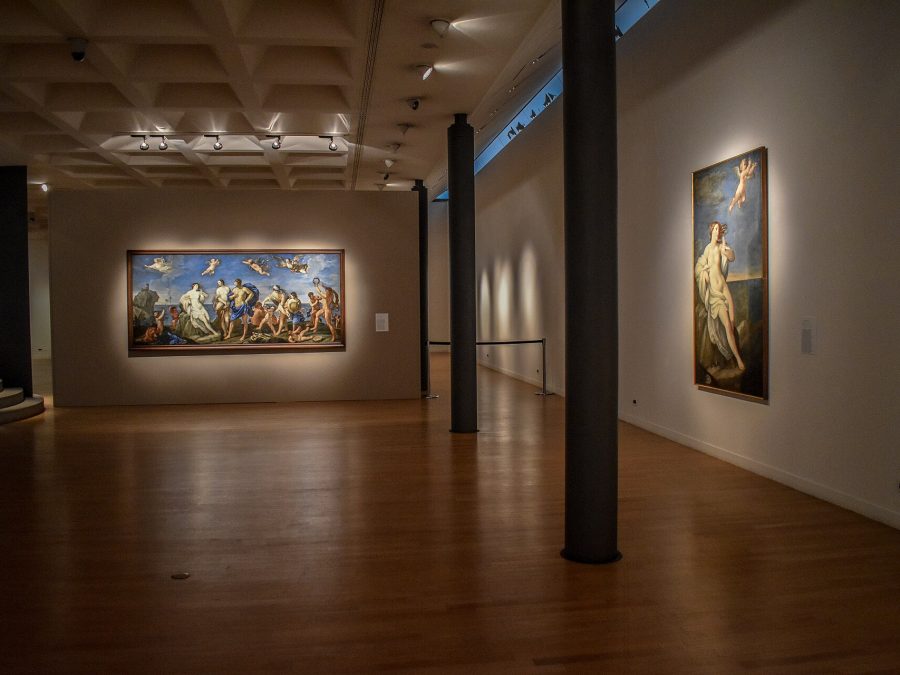
Nicola Quirico / Wikimedia Commons, CC BY-SA 4.0 Pinacoteca Nazionale
The city's great art gallery, with Gothic panels, a Giotto polyptych and Raphael's Ecstasy of Saint Cecilia, plus big canvases by the Carracci, Guido Reni and Domenichino.
Closed on Mondays; free on the first Sunday of the month.
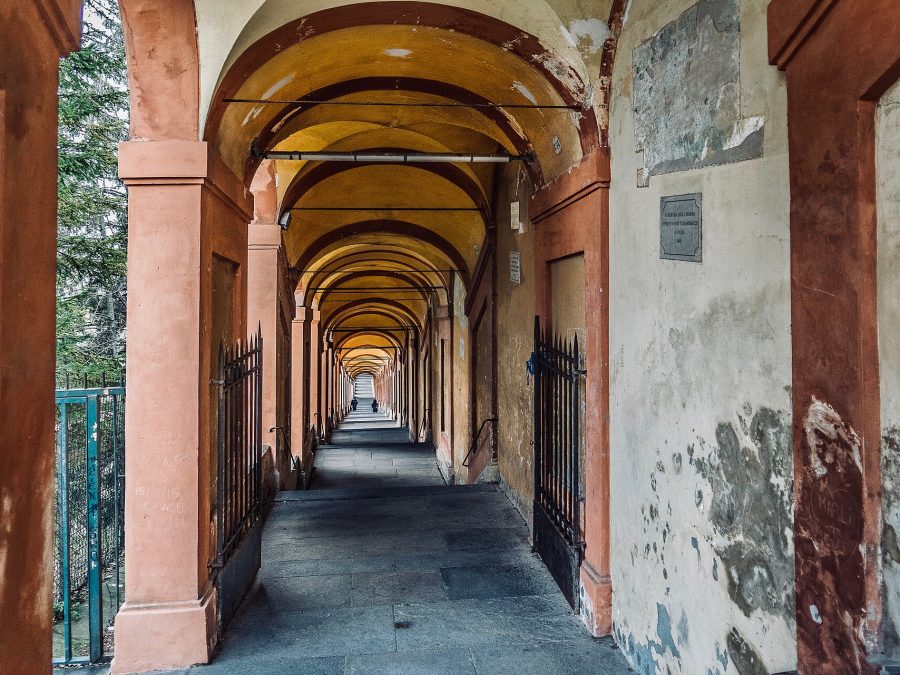
Vanni Lazzari / Wikimedia Commons, CC BY-SA 4.0 Portico di San Luca
The world's longest portico climbs 3.5 km and 666 arches from Porta Saragozza to the hilltop sanctuary, a covered pilgrim path that looks back over the city.
Walk up, then take buses 58 and 20 back down.
A Bologna weekend guide: the 48-hour route
Plan around the closing days. The Archiginnasio closes on Sundays, the Pinacoteca Nazionale closes on Mondays, and Santo Stefano closes on Mondays and opens only in the afternoon on Sundays. A Saturday and Sunday fits everything below.
Day 1
Morning: Start in Piazza Maggiore, the great square at the centre of the city. On one side stands the Basilica of San Petronio, whose brick façade was never finished in marble. It is open daily from 10am to 6pm, with last entry at 5.50pm. Cover your shoulders and knees, take off your hat and leave any luggage at your hotel, as suitcases are not allowed inside. The panoramic terrace has closed for good, so enjoy the square from ground level. Next door, in Piazza del Nettuno, Giambologna’s bronze Neptune rises over his fountain.
Late morning: Walk a minute south to the Palazzo dell’Archiginnasio, built in 1562–63 and the seat of the university until 1803. It opens Monday to Saturday from 9am to 7pm, and entry to the palace is free. The arcades and vaults of the courtyard and staircases are covered in the painted coats of arms of the university’s masters and students. Upstairs is the Teatro Anatomico, a wooden anatomy theatre built in 1637 by Antonio Levante.
Tip: Tickets for the Teatro Anatomico and the Sala dello Stabat Mater must be booked in advance, either for a guided visit or with an audioguide.
Lunch: Cross back behind Piazza Maggiore into the Quadrilatero, the oldest part of the city. Its lanes, such as Via Pescherie Vecchie, are lined with stalls of fresh pasta, fish, meat, fruit and vegetables, open from 8am to 8pm. For a sit-down lunch, the Mercato di Mezzo, right in the middle of the Quadrilatero, is open every day except Monday from 10am to 11pm.
Afternoon: Walk east to the Two Towers. The Asinelli tower, built between 1109 and 1119, rises to 97.02 metres, while the Garisenda beside it reaches 47 metres. The Asinelli is currently closed to the public, and the Garisenda is under long-term works, so admire them from the street. Then follow Via Santo Stefano to the Basilica of Santo Stefano, the "seven churches", where chapels, cloisters and the Courtyard of Pilate fit together like a puzzle. On Saturdays it opens from 9.30am to 12.30pm and from 2.30pm to 7.30pm. Entry is free, with a donation requested.
Evening: Before dinner, find the Osteria del Sole on Vicolo Ranocchi, in the Quadrilatero. Founded in 1465, it serves only wine, and you bring your own food: buy cured meats and cheese from the nearby stalls and take them in. Then go to All’Osteria Bottega on Via Santa Caterina for classic Emilian cooking. The Michelin Guide singles out its zuppa inglese.
Please drink responsibly. 18+ only.
Day 2
Morning: Walk up Via Saragozza to Porta Saragozza and start the climb to the Sanctuary of the Madonna di San Luca. Its portico is the longest in the world, at 3.5 km and 666 arches. The steep part begins at the Arco del Meloncello, built in 1732 to a design by Carlo Francesco Dotti, and passes 15 chapels with scenes of the Mysteries of the Rosary. From the top, you look back over the city and out to the hills.
Tip: To save your legs on the way down, take bus 58 to Villa Spada and change to bus 20 for the centre. One ticket covers both, but validate it on each bus.
Afternoon: Back in town, head to the university quarter and the Pinacoteca Nazionale on Via delle Belle Arti. It is open Tuesday to Sunday from 9am to 7pm, with last entry 30 minutes before closing. Look for Giotto’s polyptych, Raphael’s Ecstasy of Saint Cecilia and the large canvases of the Bolognese school, from the Carracci to Guido Reni.
Evening: Walk down Strada Maggiore, one of the city’s grandest portico streets, to the portico of Santa Maria dei Servi. Until 27 December it hosts the Antica Fiera di Santa Lucia (see below). Finish with dinner at Trattoria da Me on Via San Felice, listed in the 2027 Michelin Guide, where the pasta is rolled by hand and sold in the shop next door.
Bologna in winter 2026–27
Winter suits Bologna. The porticoes keep you dry, the trattorias are at their most welcoming and the museums are quiet. Bring a warm coat and good walking shoes for the climb to San Luca.
Antica Fiera di Santa Lucia: The city’s Christmas fair, with roots in the 16th century, runs from 6 November to 27 December 2026 under the portico of Santa Maria dei Servi on Strada Maggiore. It opens from about 9am to 8pm, with stalls of nativity figures, Christmas decorations and traditional sweets. For more festive trips, see the best Christmas markets in Europe.
Arte Fiera 2027: Bologna’s contemporary art fair celebrates its 50th edition from 5 to 7 February 2027, after a preview on 4 February.
| Sight | Usual hours (winter 2026–27) | Closed | Good to know |
|---|---|---|---|
| Basilica of San Petronio | 10:00–18:00, last entry 17:50 | — | Terrace closed for good; dress code applies |
| Archiginnasio | Mon–Sat 09:00–19:00 | Sunday | Teatro Anatomico by booking only |
| Pinacoteca Nazionale | Tue–Sun 09:00–19:00 | Monday | Last entry 30 min before closing |
| Santo Stefano | Tue–Fri 09:30–12:30, 14:30–19:00; Sat to 19:30 | Monday | Sunday afternoon only |
| Asinelli tower | — | Closed to the public | View from the street |
| Mercato di Mezzo | 10:00–23:00 | Monday | In the Quadrilatero |
| Antica Fiera di Santa Lucia | About 09:00–20:00 | — | 6 Nov – 27 Dec 2026 |
Where to stay
- Centro Storico around Piazza Maggiore: The heart of the old city, between the Quadrilatero and the Archiginnasio. Best for first-timers who want everything on foot.
- Santo Stefano and Strada Maggiore: Elegant portico streets east of the towers, near the Christmas fair. Best for couples and quieter evenings.
- University quarter: Around Via Zamboni and the Pinacoteca. Best for younger travellers who want cafés and a lively feel.
- Near Bologna Centrale: North of the centre, by the station and the Marconi Express. Best for short stays, day trips and early departures.
What to eat and drink
- Tortellini in brodo: Tiny filled pasta served in a clear meat broth, the city’s great winter dish.
- Tagliatelle al ragù: Fresh egg pasta with the slow-cooked meat sauce the rest of the world calls bolognese.
- Lasagne verdi: Green spinach pasta layered with ragù and béchamel.
- Mortadella: Bologna’s silky pork sausage, sliced paper thin, best eaten in the Quadrilatero.
- Zuppa inglese: A layered pudding of custard and liqueur-soaked sponge.
- Lambrusco: The sparkling red wine of Emilia, made for cutting through rich food.
Please drink responsibly. 18+ only.
Where to go:
- Trattoria di Via Serra (Via Luigi Serra 9/b): A Bib Gourmand in the 2027 Michelin Guide, praised for its tortellini in broth.
- Trattoria da Me (Via San Felice 50/a): Fresh pasta made by sfogline, in the 2027 Michelin Guide.
- All’Osteria Bottega (Via Santa Caterina 51b/55): Cured meats, fresh pasta and a celebrated zuppa inglese, listed in the Michelin Guide.
- Osteria del Sole (Vicolo Ranocchi 1/d): Wine only since 1465. Bring your own food from the Quadrilatero.
- Mercato di Mezzo (Quadrilatero): An indoor market for a quick, traditional lunch. Closed on Mondays.
For more of Italy’s food regions, see our Tuscany guide and Piedmont wine guide.
Getting around
The centre is compact and flat, and most of the route above is a walk under the porticoes.
Getting there: Bologna Guglielmo Marconi Airport is linked to Bologna’s central station by the Marconi Express monorail. The ride takes about seven minutes, with a train every 7 to 15 minutes from 5.40am until midnight, every day of the year. Buy it through Trenitalia’s website, app, ticket offices or machines by choosing Bologna Aeroporto as your origin or destination, and validate it at the turnstiles before the platform.
By train: Bologna Centrale is one of Italy’s main high-speed hubs, with more than 130 Frecciarossa connections a day. That makes it easy to pair with our guides to Florence, Milan, Venice or Rome.
In the city: Walk. For San Luca, use TPER city buses 20 and 58, or the San Luca Express tourist train from Piazza Maggiore.
Good to know
- Sunday and Monday closures: The Archiginnasio closes on Sundays; the Pinacoteca and Santo Stefano close on Mondays.
- Book the anatomy theatre: The Teatro Anatomico can only be visited with a booked guided tour or audioguide.
- The towers from below: The Asinelli tower is closed to the public, and the Garisenda is surrounded by works.
- Dress for San Petronio: Shoulders and knees must be covered, hats come off, and suitcases are not allowed inside.
- Free art: The Pinacoteca Nazionale is free on the first Sunday of every month.
- More ideas: See this weekend’s picks for events and our January city breaks for winter trips.
FAQ
Is a weekend in Bologna enough?
Yes. Two days covers Piazza Maggiore, the Archiginnasio, the towers, Santo Stefano, the Pinacoteca and the walk to San Luca. Add a third day for a train trip to Florence.
Can you climb the Asinelli tower?
Not at the moment. The city’s tourist board lists the Asinelli tower as closed to the public, so enjoy the Two Towers from the street.
How do you get from Bologna airport to the city centre?
Take the Marconi Express monorail to Bologna’s central station. It takes about seven minutes and runs from 5.40am to midnight every day.
How long is the San Luca portico?
It runs for 3.5 km, with 666 arches, from Porta Saragozza up to the Sanctuary of the Madonna di San Luca. Bus 58 and bus 20 can bring you back down.
When is the Bologna Christmas market in 2026?
The Antica Fiera di Santa Lucia runs from 6 November to 27 December 2026 under the portico of Santa Maria dei Servi on Strada Maggiore.