No other city looks like Venice, and none rewards an overnight stay quite so much. Once the day-trippers leave, the alleys go quiet and the canals reflect the lamps. This route suits first-timers who want St Mark’s and the Rialto, and anyone happy to get lost on purpose.
Why go
Venice is a city of 118 small islands with no cars, so every journey happens on foot or by boat. That alone changes the pace of a weekend. Byzantine mosaics, Titian and Tintoretto, Palladio’s churches and the Gothic Doge’s Palace all sit within an easy walk.
The food is a reason in itself. Venetians snack at the bar on cicchetti, small bites with a glass of wine, and a bacaro crawl is one of Europe’s great evening rituals.
Two days lets you see the headline sights in the quiet hours. Go early, go late, and spend the middle of the day in the neighbourhoods most visitors never reach.
Venice
Don’t miss
The places that make the trip, and why each one deserves your time.

Zairon / Wikimedia Commons, Public domain St Mark's Basilica
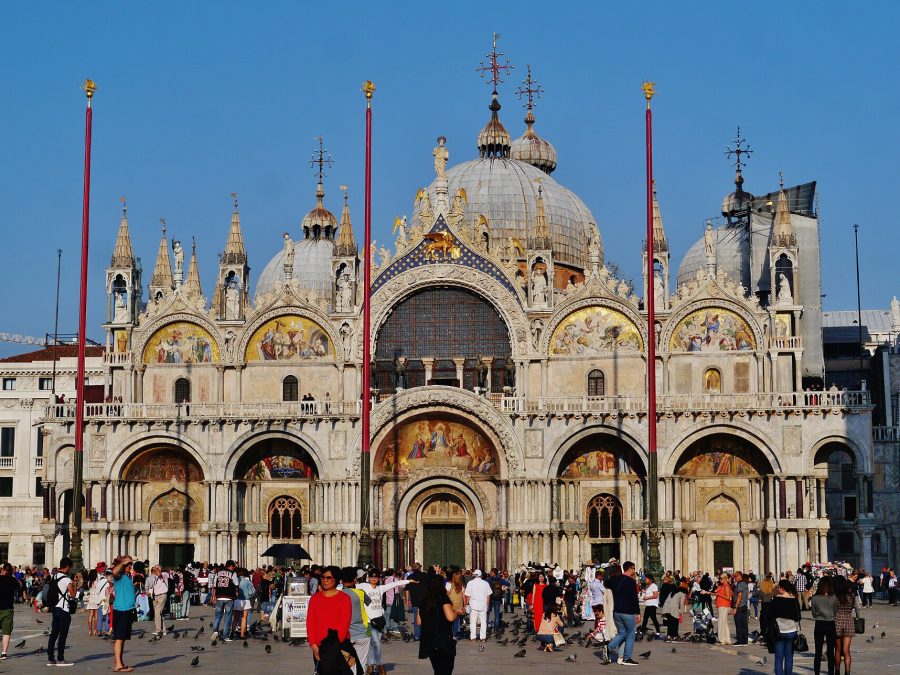
Step in early and look up: golden Byzantine mosaics cover the domes. Separate tickets take in the Pala d'Oro, the museum with its Loggia dei Cavalli and the bell tower.
Book a morning slot; cover shoulders and knees.
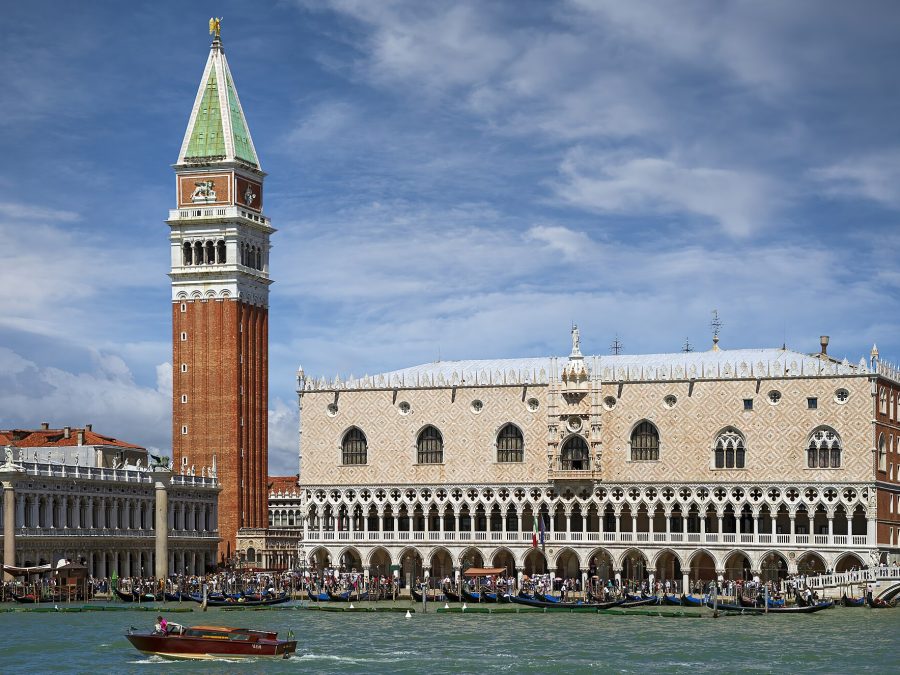
Didier Descouens / Wikimedia Commons, CC BY-SA 4.0 Doge's Palace
Seat of the Venetian Republic for centuries. The route takes in grand council chambers, then crosses the Bridge of Sighs into the old prisons.
Book ahead on the official museum site.
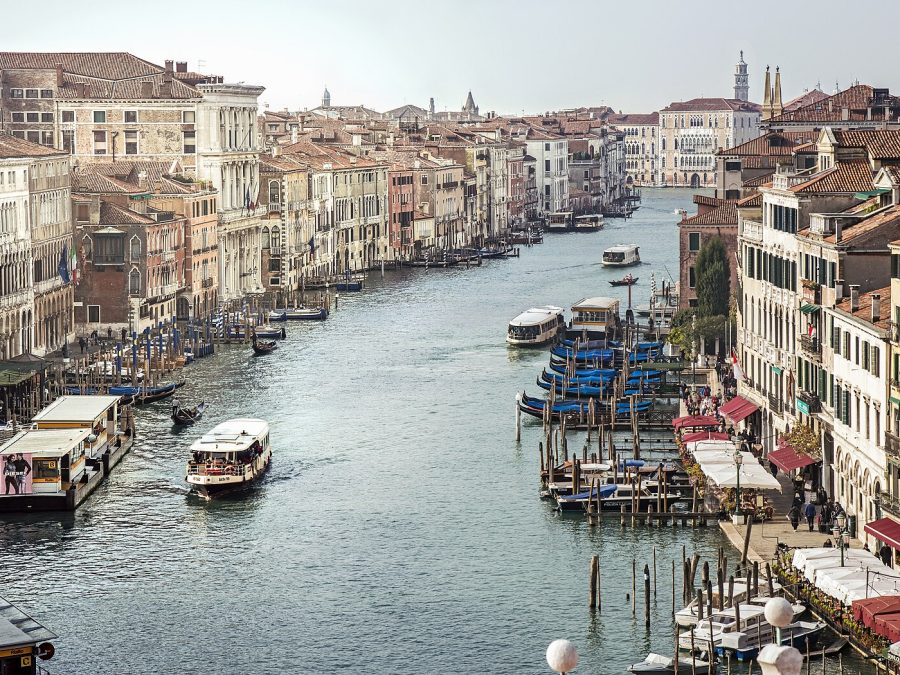
Didier Descouens / Wikimedia Commons, CC BY-SA 4.0 Grand Canal
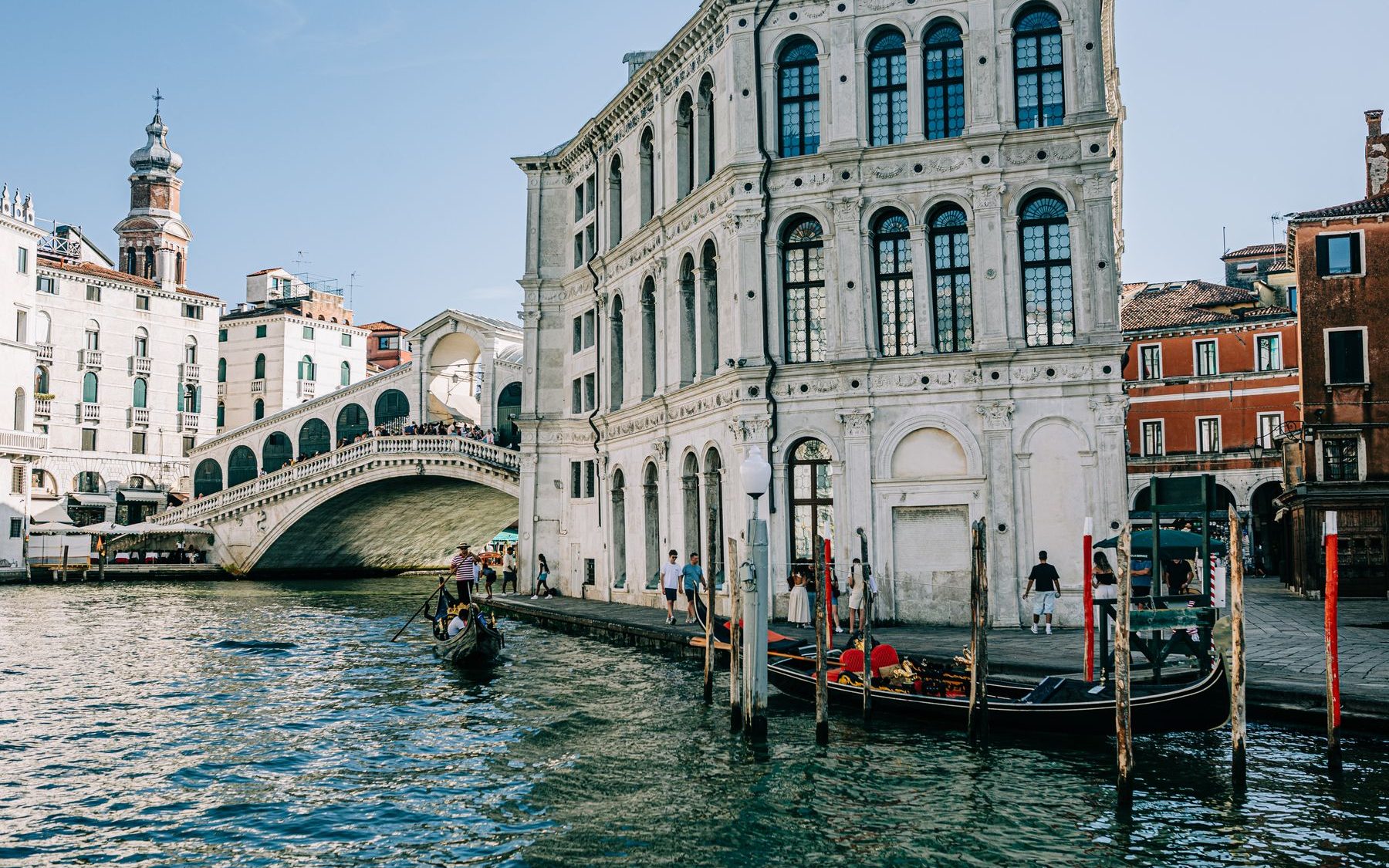
Vaporetto line 1 drifts past the palazzi at sunset, the slowest and best way to see the city's great waterway.
Sit at the front or back for open-air views.
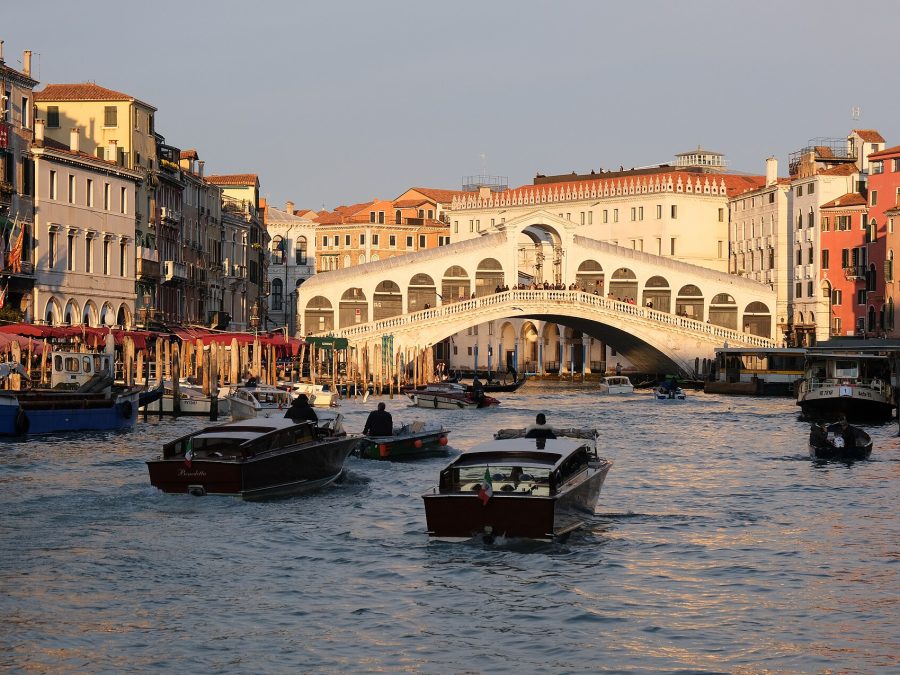
kallerna / Wikimedia Commons, CC BY-SA 4.0 Rialto
The fish stalls are at their busiest early in the morning. Then cross the Rialto Bridge and graze the bacari of San Polo on cicchetti and a small glass of wine.
The fish market doesn't trade on Sundays or Mondays.
Didier Descouens / Wikimedia Commons, Public domain Gallerie dell'Accademia
The great collection of Venetian painting, from Bellini to Titian and Veronese, in Dorsoduro. Allow a couple of hours, then walk on to the Zattere waterfront.
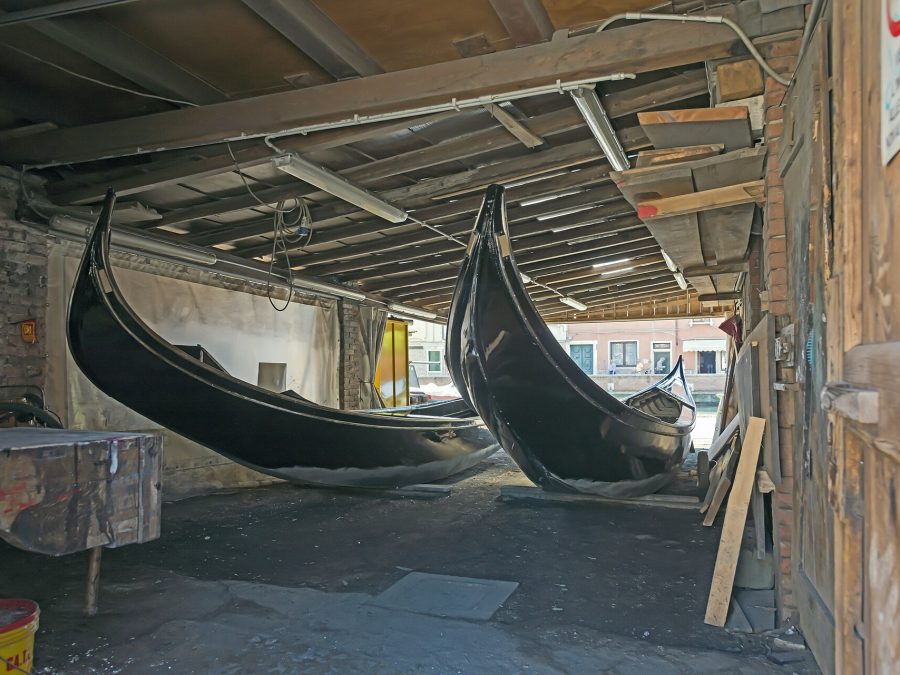
Didier Descouens / Wikimedia Commons, CC BY-SA 4.0 San Trovaso gondola yard
One of the last gondola yards still working in the city, beside the Zattere. Watch from across the canal with a glass from the bacaro opposite.
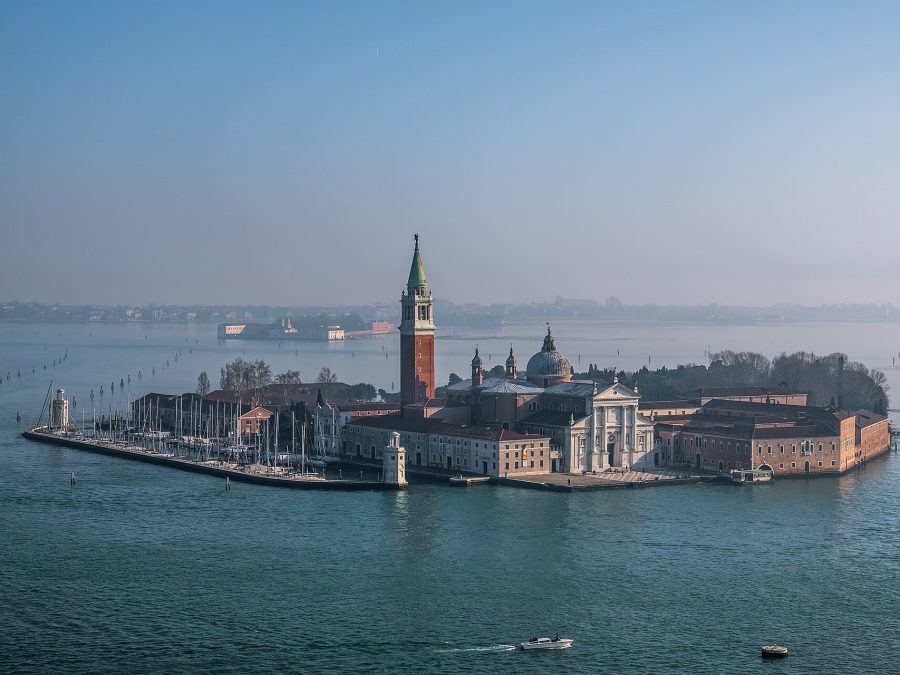
Anton Volnuhin / Wikimedia Commons, CC BY 4.0 San Giorgio Maggiore
Palladio's white church faces St Mark's across the water, and its bell tower lift rises to a view that rivals the Campanile's.
Take vaporetto line 2; queues are usually far shorter.
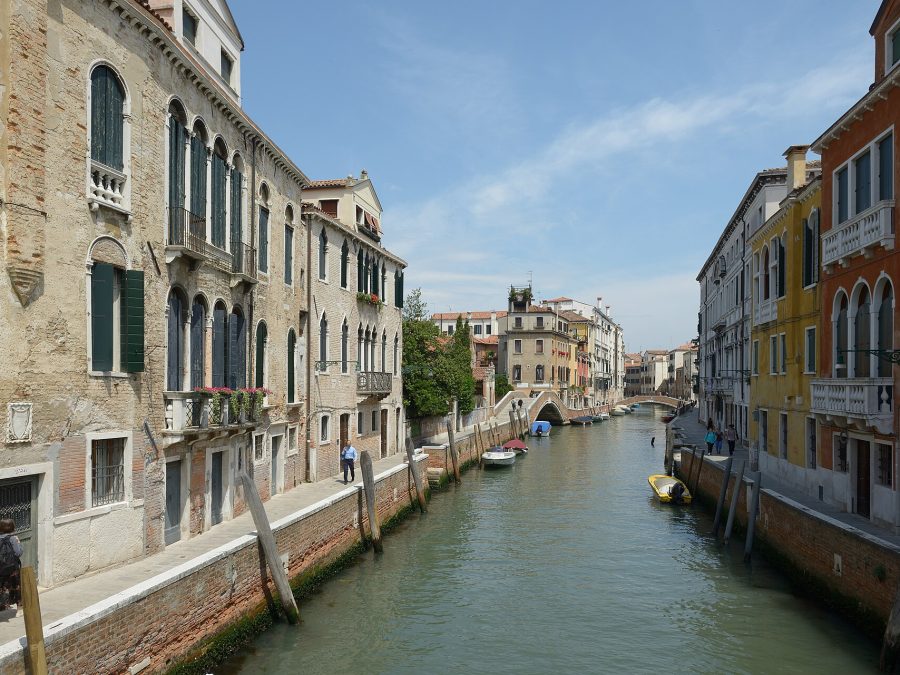
This Photo was taken by Wolfgang Moroder. Feel free to us… / Wikimedia Commons, CC BY-SA 3.0 Dorsoduro
Galleries, students and canal-side bars with a calmer feel. Have aperitivo along the Fondamenta Nani, then walk back over the Accademia Bridge late at night.

The 48-hour route
Day 1
Morning: Be in Piazza San Marco early, before the crowds arrive. St Mark’s Basilica sells timed tickets online through its official site, including separate options for the Pala d’Oro, the museum with the Loggia dei Cavalli and the bell tower. Book a morning slot and look up: the golden mosaics cover the domes. Dress modestly, with shoulders and knees covered.
Afternoon: Cross the Piazzetta to the Doge’s Palace, seat of the Venetian Republic for centuries. The route takes in grand council chambers, then crosses the Bridge of Sighs into the old prisons. Book ahead on the official museum site. Afterwards, look back at the bridge from the Ponte della Paglia, then walk east along the Riva degli Schiavoni for lagoon views.
Evening: Take vaporetto line 1 along the Grand Canal towards the Rialto at sunset. It is the slowest line and the best way to see the palazzi. Get off at Rialto and start a bacaro crawl in San Polo. Order a few cicchetti and an ombra (a small glass of wine) at each stop.
Tip: Board line 1 at San Zaccaria or Piazzale Roma and try for a seat at the front or back of the boat. Those are the outdoor spots with the clearest views.
Day 2
Morning: Go to the Rialto Market early, when the fish stalls are busiest. The fish market doesn’t trade on Sundays or Mondays, so plan around it. Cross the Rialto Bridge, then walk through San Polo and past the Frari towards Dorsoduro.
Afternoon: Spend a couple of hours at the Gallerie dell’Accademia, the great collection of Venetian painting from Bellini to Titian and Veronese. Then walk to the Zattere waterfront and see the gondola yard at San Trovaso, one of the last still working in the city. Take vaporetto line 2 across to San Giorgio Maggiore. Palladio’s white church faces St Mark’s across the water, and its bell tower has a lift up to a view that rivals the Campanile’s, usually with far shorter queues.
Evening: Return to Dorsoduro for aperitivo along the Fondamenta Nani, then dinner. Finish with a late walk back across the Accademia Bridge, when the Grand Canal is at its most atmospheric.
Where to stay
- San Marco: Central and close to the big sights, but busy by day. Best for first-timers who want to walk everywhere.
- Dorsoduro: Galleries, students and canal-side bars, with a calmer feel. Best for couples and art lovers.
- Cannaregio: Residential and close to the station, with lively fondamenta bars and the old Jewish Ghetto. Best for value and a local feel.
- Castello: Quieter lanes east of St Mark’s, towards the Arsenale and the Biennale gardens. Best for repeat visitors and light sleepers.
What to eat and drink
- Cicchetti: Small bar snacks on bread or cocktail sticks, from salt cod to meatballs. Graze your way through dinner.
- Baccalà mantecato: Whipped salt cod spread on bread or grilled polenta, the signature Venetian bite.
- Sarde in saor: Sweet-and-sour sardines with onions, pine nuts and raisins, an old sailors’ dish.
- Fegato alla veneziana: Calf’s liver with slow-cooked onions, usually served with polenta.
- Spritz: Venice claims this aperitivo as its own. Order it with Select, the local bitter.
- Ombra: A small glass of house wine, often Veneto white, drunk standing at the bar.
For cicchetti, head to the bacari around the Rialto. All’Arco is a tiny standing-room bar known for its freshly made bites, so arrive soon after opening. Cantina Do Mori claims to be the city’s oldest bacaro, and its dark, copper-hung room feels like it. Al Mercà is a small window bar by the market, busiest at aperitivo time. In Dorsoduro, Cantine del Vino già Schiavi sits opposite the San Trovaso gondola yard and is closed on Sundays. Estro Vino e Cucina, near the Frari, is good for natural wine and a sit-down meal.
Getting around
Walking is the main way around, and it is often quicker than the boat. Expect bridges with steps everywhere, so pack light and choose a bag you can carry. Download an offline map, though getting lost is half the point.
ACTV runs the vaporetti. Line 1 stops all along the Grand Canal, and line 2 is faster and also serves San Giorgio Maggiore. Validate your ticket at the pontoon reader before each boarding. For short hops across the Grand Canal, the traghetto gondola ferries are a quick local alternative where they operate.
From Marco Polo airport, choose between the Alilaguna water bus, which is slow but scenic, and land buses to Piazzale Roma. From there you walk or take a vaporetto. Trains arrive at Venezia Santa Lucia, right on the Grand Canal.
Good to know
- The access fee: In 2026 Venice charged day-trippers to enter the historic centre on selected days between April and July. That season is over, and the official site confirms no fee is currently in force. Overnight guests were exempt but had to register online. If you are planning for 2027, check cda.ve.it for any new dates.
- Stay the night: The city transforms after the day-trippers leave. At least one night in the centre or on the islands makes the weekend.
- Acqua alta: High tides can flood low areas, mostly from October to January. The MOSE barriers now protect the city from most tides, but St Mark’s Square can still get wet. Pack shoes you don’t mind soaking.
- Respect the rules: Sitting on bridges or monuments, swimming in canals and picnicking in St Mark’s Square are not allowed. Keep to the right on narrow alleys.
- Book ahead: Reserve St Mark’s Basilica and the Doge’s Palace online for set times. See news for the latest changes to visitor rules.
Tip: Visit St Mark’s Square at night. The orchestras play outside the historic cafés, and the piazza is far emptier than at noon.
FAQ
Do I need to pay to enter Venice?
Not at the moment. The 2026 day-tripper fee applied only on set days between April and July, and that period has ended. Overnight guests were exempt. Check the official site for any 2027 calendar.
Is two days enough in Venice?
Two days covers St Mark’s, the Doge’s Palace, the Rialto and the Accademia, with time for a bacaro crawl and a trip to San Giorgio Maggiore. Add a third day for Murano, Burano or Torcello.
Do I need to book St Mark’s Basilica?
It is strongly recommended. The basilica sells timed tickets on its official site, and booking avoids long queues in the piazza.
What is the best way to get from Venice airport to the city?
The Alilaguna water bus is the scenic option, and land buses to Piazzale Roma are quicker. Water taxis are the fastest, if you have heavy bags or are in a group.
What is the best area to stay in Venice?
San Marco is the most central, Dorsoduro suits couples and art lovers, and Cannaregio feels most local and is close to the station.
Pair Venice with a weekend in Florence or Milan, both easy by fast train, or browse our most romantic destinations in Europe and best city breaks in Europe.