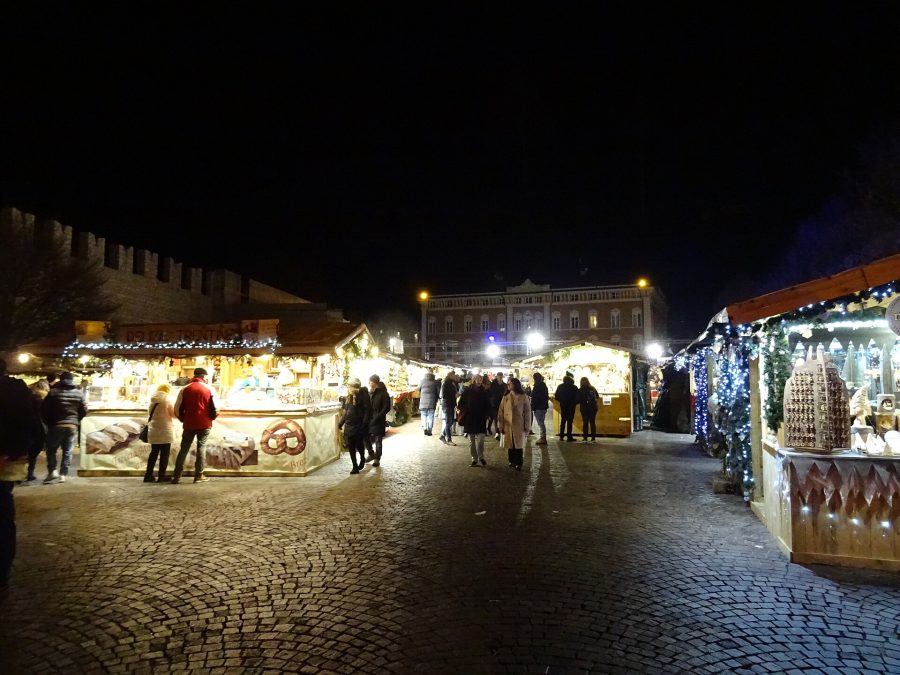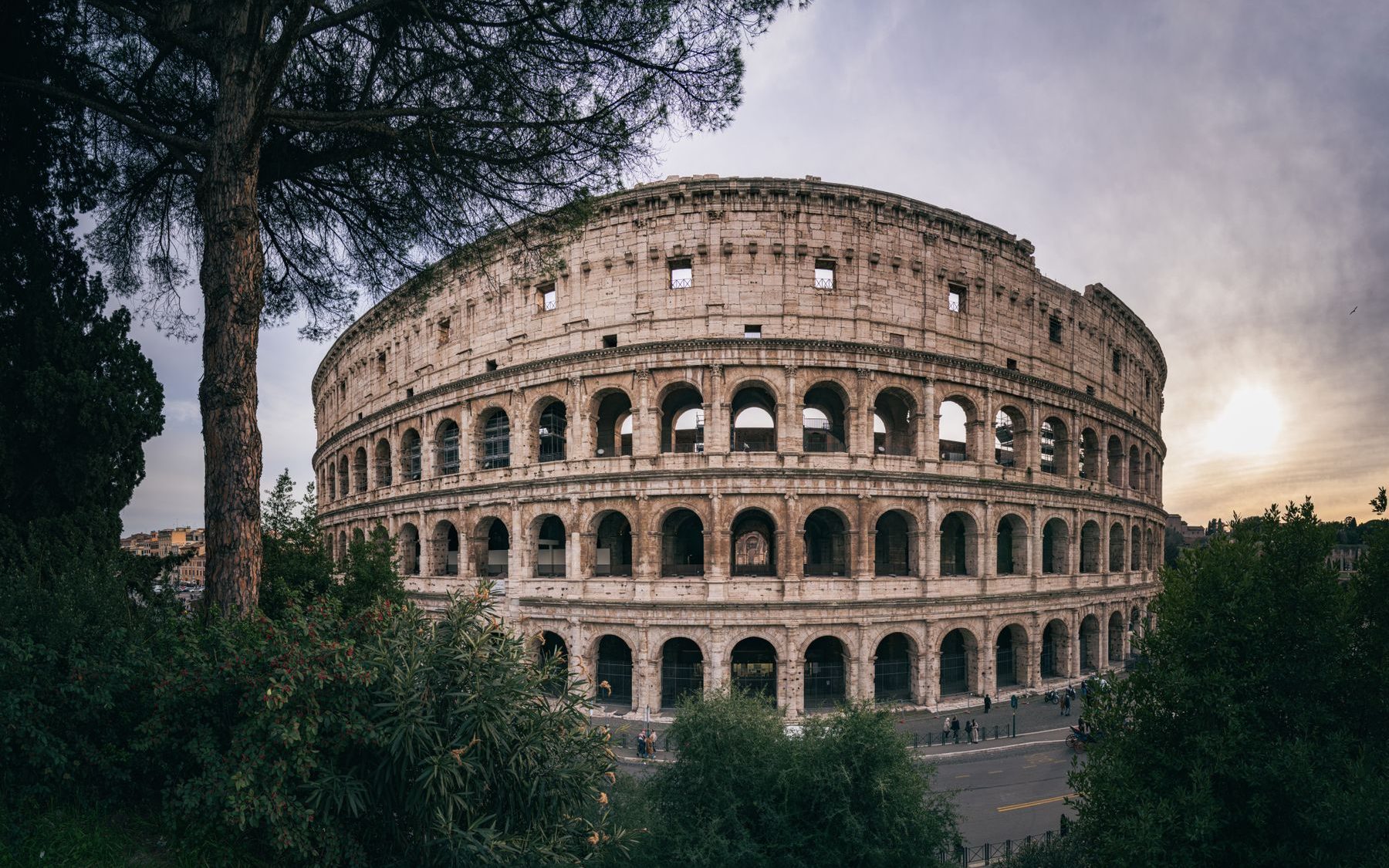
Rome packs nearly 3,000 years into a city you can cross on foot in an afternoon. A weekend won’t cover it all, but it’s enough for the Colosseum, the Vatican and a long dinner in Trastevere. This route suits first-timers and anyone who wants the classics without a frantic pace.
Why go
Few cities let you walk from an ancient temple to a Baroque fountain to a Renaissance chapel in under an hour. The Pantheon still stands with its original dome, the Forum lies open to the sky, and the Sistine Chapel ceiling repays every minute of the queue.
Then there’s the food. Roman cooking is simple and confident: four classic pastas, artichokes in season, fried snacks and pizza by the slice. Long lunches are still normal here.
The catch is planning. Several big sights now use timed, named tickets, and two famous free spots have changed their rules. Book the essentials, then leave the afternoons loose.
Rome
Don’t miss
The places that make the trip, and why each one deserves your time.

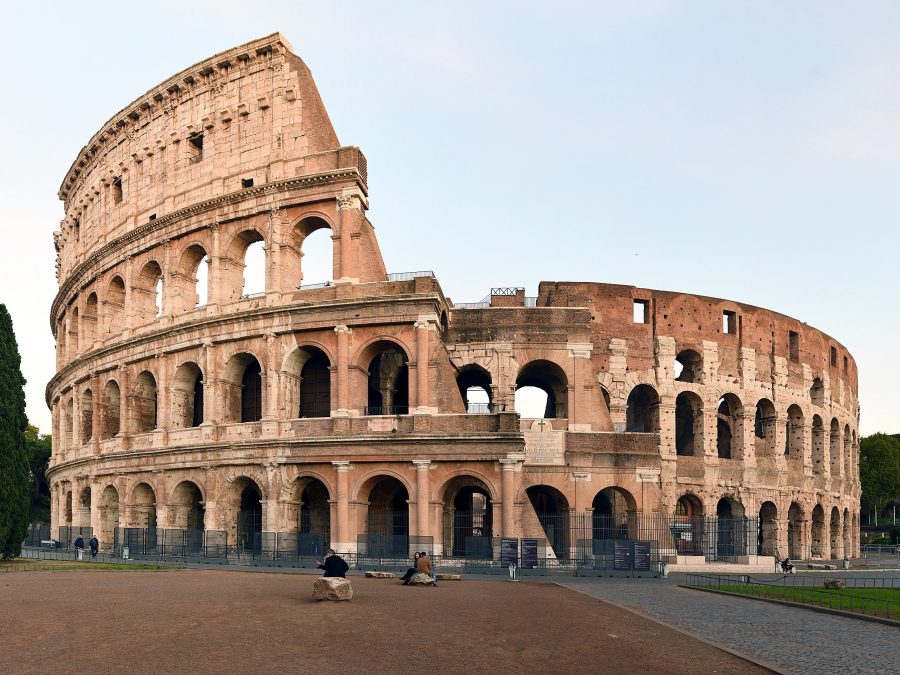
FeaturedPics / Wikimedia Commons, CC BY-SA 4.0 Colosseum
Rome's great amphitheatre, best seen as early as your ticket allows. The standard ticket also covers the Roman Forum and the Palatine Hill.
Tickets are named; bring matching passport or ID card.
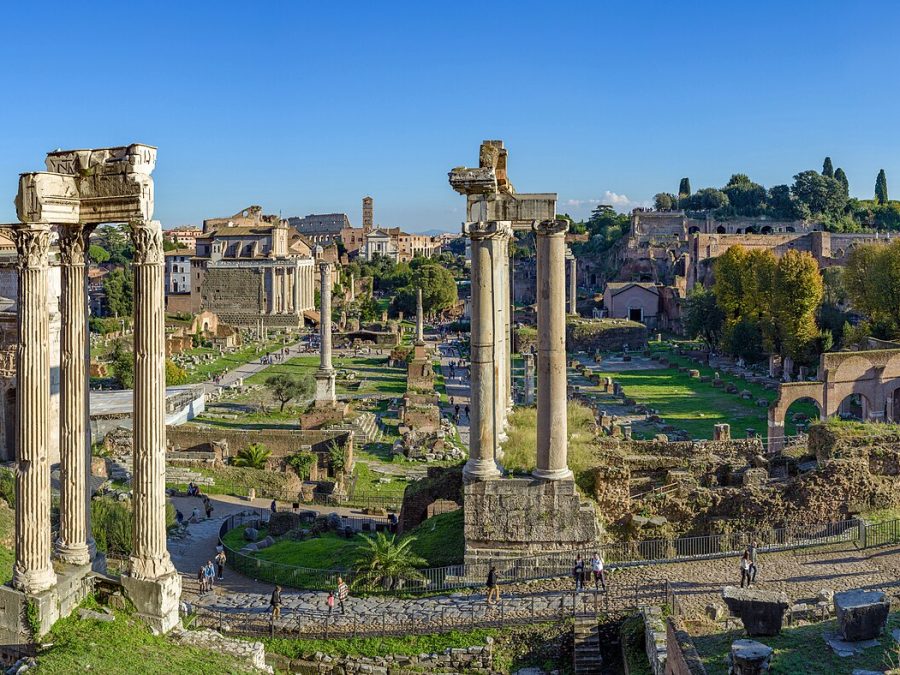
This Photo was taken by Wolfgang Moroder. Feel free to us… / Wikimedia Commons, CC BY-SA 3.0 Roman Forum and Palatine
Walk down the Via Sacra through the Forum, open to the sky, then climb the Palatine for views over the Circus Maximus.
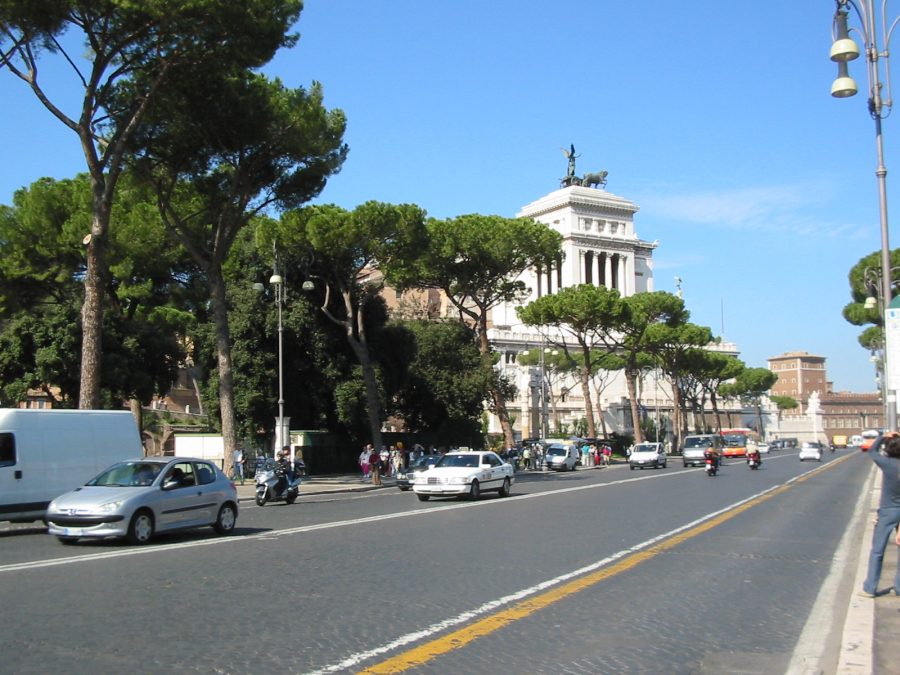
Alessio Damato / Wikimedia Commons, CC BY-SA 3.0 Monti
The old neighbourhood just north of the Forum, with characterful streets, wine bars and independent shops. A good place to cool off over lunch.
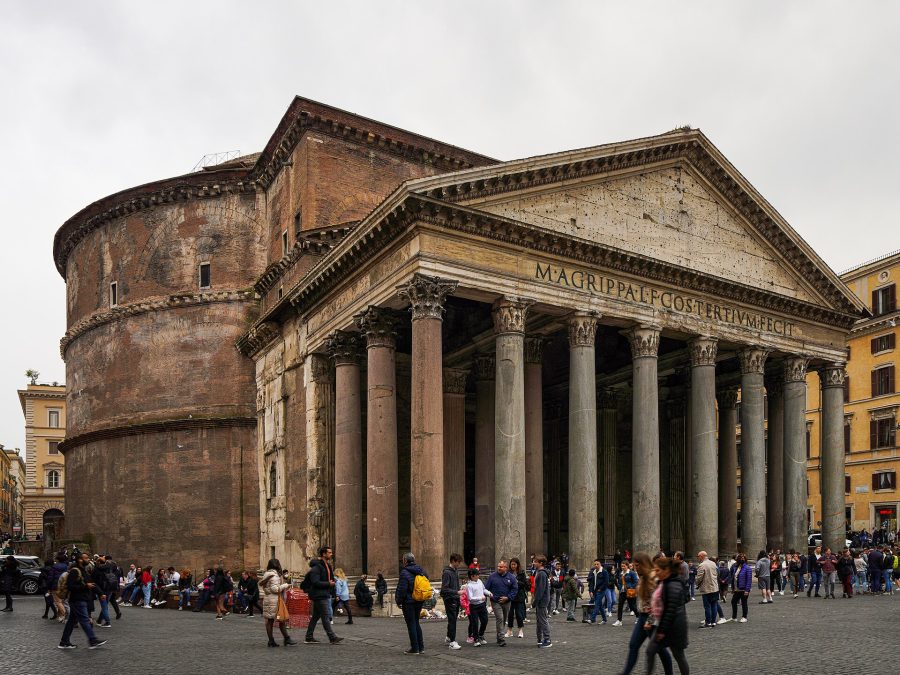
NikonZ7II / Wikimedia Commons, CC BY-SA 4.0 Pantheon
An ancient temple still standing with its original dome. Step inside and look up at the oculus, open to the sky, then continue to Piazza Navona.
Book a timed slot; monthly slots release mid-previous month.
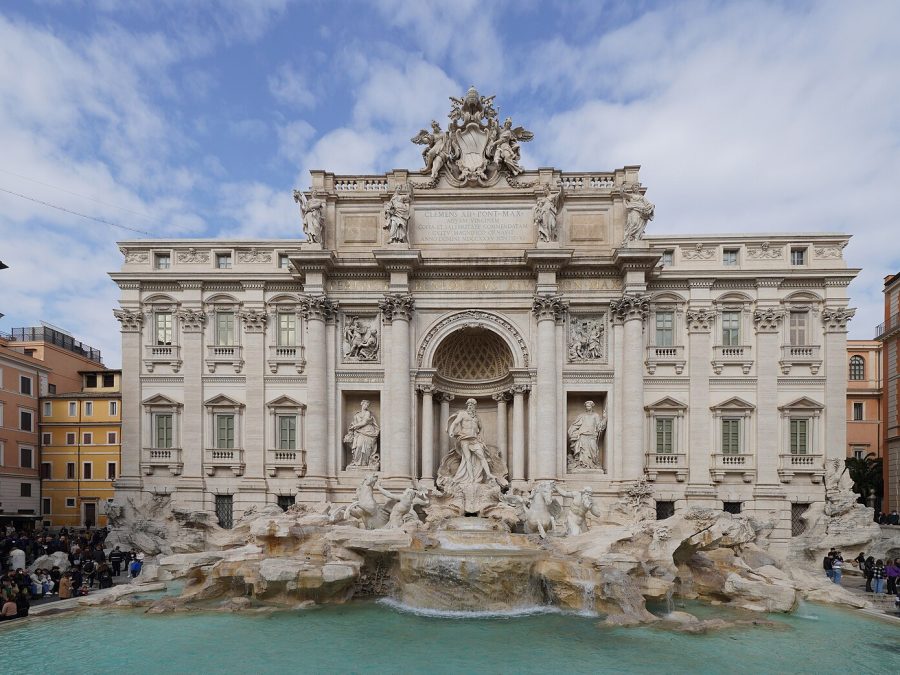
NikonZ7II / Wikimedia Commons, CC BY-SA 4.0 Trevi Fountain
Rome's Baroque showpiece, best in the evening. Toss your coin, then stroll on to the Spanish Steps for the view down Via dei Condotti.
The basin area needs a ticket; the piazza view is free.
Quentin Lowagie / Klow / Wikimedia Commons, CC BY 4.0 Vatican Museums and Sistine Chapel
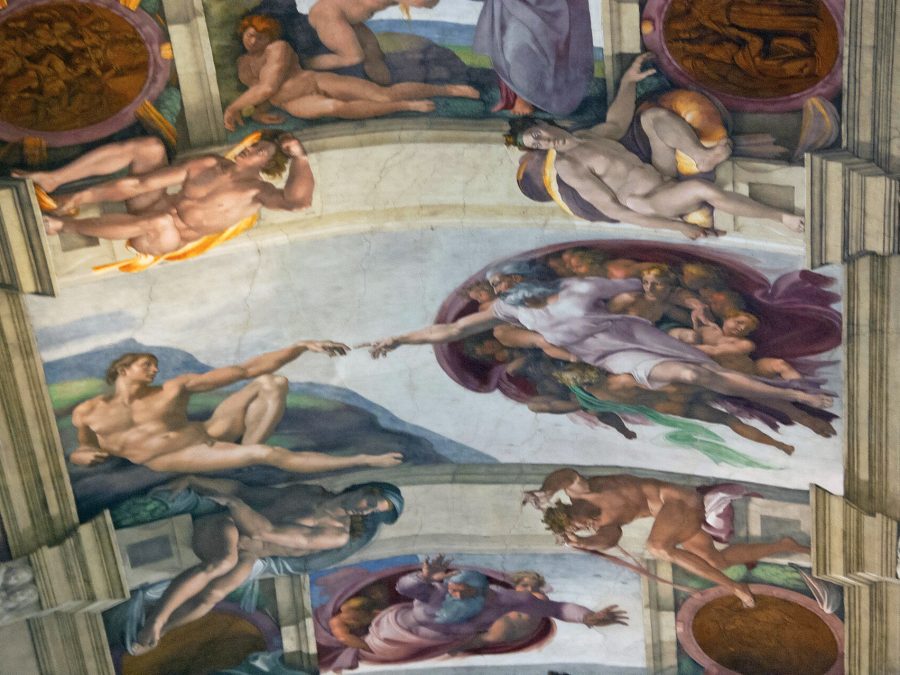
The route runs through the galleries and the Raphael Rooms to the Sistine Chapel, whose ceiling repays every minute of the queue.
Book the first slot and head straight for the chapel.
Alvesgaspar / Wikimedia Commons, CC BY-SA 4.0 St Peter's Basilica
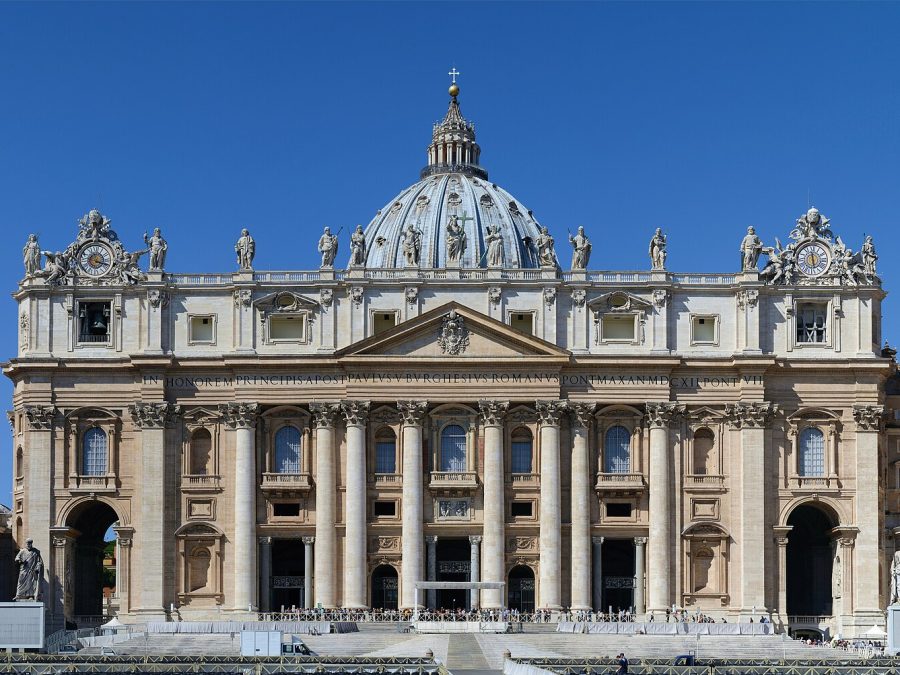
Free to enter, the vast basilica rewards the wait at security. Afterwards walk along the Tiber or past Castel Sant'Angelo towards Trastevere.
Allow time for security; cover shoulders and knees.
Jensens / Wikimedia Commons, Public domain Trastevere
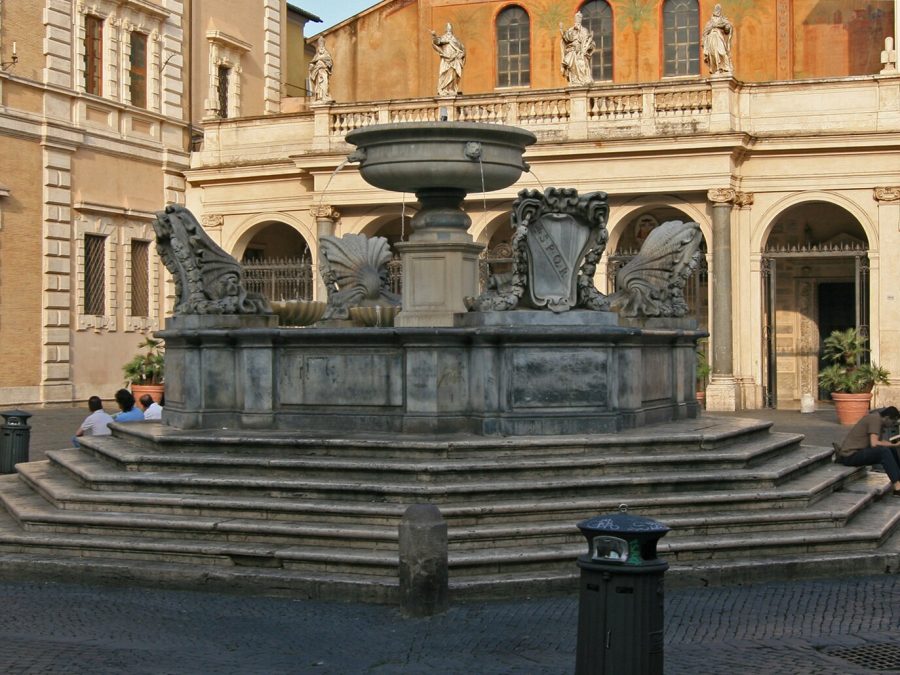
Cobbled lanes, ivy-covered walls and piazzas that fill with locals after dark. End with a drink in Piazza di Santa Maria in Trastevere.
Book a table for dinner.
The 48-hour route
Day 1
Morning: Start at the Colosseum as early as your ticket allows. Entry is by a named, timed ticket checked against your ID, so buy only through the official channels and bring your passport or ID card. The standard ticket also covers the Roman Forum and the Palatine Hill. From late October to the end of February the park closes early, at 4:30pm, so this is a morning job in winter. Walk down through the Forum along the Via Sacra, then climb the Palatine for views over the Circus Maximus. The new Colosseo/Fori Imperiali metro station on Line C, opened in December 2025, shows archaeological finds in its halls.
Afternoon: Cool off with lunch in Monti, the old neighbourhood just north of the Forum. Then walk past the Imperial Fora and Piazza Venezia to the Pantheon. It is open daily from 9am, with last entry at 6:30pm. Look up at the oculus, then continue to Piazza Navona.
Evening: Walk to the Trevi Fountain. Since 2 February 2026, you need a ticket to go down to the basin area by the water, while the view from the piazza stays free. Buy the ticket online, at tourist infopoints or at the entrance, where only cards are accepted. Toss your coin, then stroll to the Spanish Steps for the view down Via dei Condotti. Have dinner back in the centre.
Day 2
Morning: Spend the morning at the Vatican Museums. Book a timed ticket on the official site well ahead. The route runs through the galleries and the Raphael Rooms to the Sistine Chapel, where silence and no photos are the rule. The museums open Monday to Saturday and close on Sundays, except the last Sunday of the month (see the rules below).
Afternoon: St Peter’s Basilica is free to enter but has its own security queue, so allow extra time. Cover shoulders and knees. Afterwards, walk along the Tiber or past Castel Sant’Angelo, then cross into Trastevere for a late lunch.
Evening: Stay in Trastevere for the evening. Its cobbled lanes, ivy-covered walls and piazzas fill with locals after dark. Book a table for dinner, then end with a drink in Piazza di Santa Maria in Trastevere.
Tip: Book the first Vatican slot of the day and head straight for the Sistine Chapel, then work back through the galleries as the crowds arrive.
Planning a Rome weekend in winter 2026–27: tickets and rules
The big sights all run timed or capped entry, and the rules differ. This is what the official sites say for November 2026 to spring 2027.
| Sight | How entry works | Free days | Closed |
|---|---|---|---|
| Colosseum, Forum and Palatine | Named, timed ticket; booking a slot is mandatory for the Colosseum | First Sunday of the month, plus 25 April and 2 June | 25 Dec 2026, 1 Jan 2027 |
| Vatican Museums | Timed tickets on the official site; open Monday to Saturday | Last Sunday of the month, with exceptions | Other Sundays and Vatican holidays |
| Pantheon | Timed slots, online or on site; booking optional | First Sunday of the month | 25 Dec, 1 Jan |
| Trevi Fountain basin | Ticket for the area by the water, 9am to 10pm daily | Exempt groups only | Piazza view always open |
Colosseum timed-entry rules
Tickets go on sale 30 days before the visit date on the official ticketing site, through the call centre and at the ticket offices. Every ticket carries the visitor’s name, and you must show original photo ID with it at the gate. If the names don’t match, entry is refused without a refund. A name can be changed only once, online, up to midnight on the seventh day before your visit.
Arrive within your window. For the standard ticket that means from 15 minutes before to 15 minutes after the time printed on it; the arena, underground and attic tours allow no late arrival at all. Miss the slot and the ticket is only good for the Forum and Palatine. Inside, the standard visit is limited to 75 minutes. Security checks are airport-style, bags can be no larger than 30 x 40 x 15 cm, and there is no cloakroom, so leave suitcases and selfie sticks at the hotel.
From 25 October 2026 to 28 February 2027, last entry is at 3:30pm and the park closes at 4:30pm.
Vatican Museums opening days
The museums open Monday to Saturday, 8am to 8pm, with last entry at 6pm. They are closed on Sundays, except the last Sunday of each month, when entry is free from 9am to 2pm (last entry 12:30pm). The free Sunday doesn’t apply when the last Sunday falls on Easter Sunday, 29 June, 25, 26 or 31 December. In this window that rules out 28 March 2027, which is Easter Sunday. The free Sundays that do apply are 29 November and 27 December 2026, then 31 January, 28 February, 25 April and 30 May 2027.
The museums also close on Vatican holidays. Those falling in this period include 8, 25 and 26 December, 1 and 6 January, 11 February, 19 March and Easter Monday. Check the official calendar before you book.
Pantheon booking rule
Booking is optional, but entry runs in timed slots from 9am to 6pm, with a cap on numbers in each. Each month’s calendar opens in the middle of the previous month on the Musei Italiani website and app; you can also buy at the ticket office or machines on site. On the free first Sunday, tickets are issued only on site, there is no priority entry and queues are long. Under-18s enter free. Ticket sales stop an hour before Mass, and during Mass (Saturdays at 5pm, Sundays at 10:30am) only worshippers go in.
Tip: Christmas and other religious feasts can change opening times at the Pantheon and the Vatican. Check the week before you travel.
Trevi Fountain access
The basin ticket is in place for 2026 and 2027. Residents of Rome and its metropolitan area (with ID), children under five, and people with disabilities and their carers are exempt. Viewing from the piazza needs no ticket.
Christmas in Rome
Rome does Christmas through its churches more than its markets. The centrepiece is St Peter’s Square, where the Vatican puts up a large nativity scene beside a tall Christmas tree. The 2026 unveiling date had not been published by late October. For comparison, in 2025 the crib and tree were inaugurated on 15 December at 5pm and stayed until the feast of the Baptism of the Lord in January. Another crib is shown inside the Paul VI Hall.
Piazza Navona traditionally fills with Christmas stalls, but the city had not published official 2026 dates by late October, so treat any dates you see elsewhere as provisional until Roma Capitale confirms them. In the meantime, plan around the fixed points: the Colosseum and Pantheon close on Christmas Day and New Year’s Day, and the Vatican Museums close on 25 and 26 December.
The Jubilee year ended in January 2026, so it no longer affects queues or access at St Peter’s.
Where to stay
- Centro Storico (around the Pantheon and Navona): Everything within walking distance, with lots of restaurants. Best for first-timers who want to walk everywhere.
- Monti: Characterful streets, wine bars and independent shops, a short walk from the Colosseum. Best for couples and food lovers.
- Trastevere: Atmospheric and lively at night, with quieter side streets. Best for those who want evenings on their doorstep.
- Prati: Calm and residential, beside the Vatican, with good transport links. Best for families and early Vatican starts.
What to eat and drink
- Cacio e pepe: Pasta with pecorino and black pepper, deceptively simple.
- Carbonara: Egg, guanciale, pecorino and pepper. No cream in Rome.
- Amatriciana and gricia: Tomato and guanciale, or the white version without tomato.
- Supplì: Fried rice balls with a molten mozzarella centre, the classic Roman street snack.
- Carciofi: Artichokes, served Jewish-style fried whole or Roman-style braised, best in late winter and spring.
- Pizza al taglio: Pizza by the slice, sold by weight and perfect for lunch on the move.
Book ahead for the best-known trattorias. Roscioli Salumeria con Cucina, near Campo de’ Fiori, is part deli, part restaurant, with a famous carbonara and a deep wine list. Armando al Pantheon is a family-run trattoria a few steps from the temple, serving Roman classics. In Trastevere, Da Enzo al 29 is small and always busy, so arrive early. Flavio al Velavevodetto in Testaccio sits beside the ancient pottery mound of Monte Testaccio and is known for its pasta. For a calmer local feel, Da Cesare al Casaletto in Monteverde is worth the tram ride.
Getting around
The centre is best explored on foot. Most sights between the Colosseum, Pantheon and Trevi are 10–20 minutes apart, and wandering the lanes is the point.
The metro has three lines. Line A serves the Vatican area (Ottaviano), the Spanish Steps and Termini. Line B serves the Colosseum and Termini. Line C now reaches the Colosseum too. Buses and trams fill the gaps, including the tram to Trastevere and Monteverde. Validate your ticket when you board, or tap in with a contactless card where readers are fitted.
From Fiumicino, trains run to Termini and other city stations. From Ciampino, buses connect to Termini.
Good to know
- Book these ahead: The Colosseum and the Vatican Museums use timed tickets, and the Colosseum’s are named, so bring matching ID. The Pantheon runs timed slots too.
- Short winter days: The Colosseum park closes at 4:30pm until the end of February. Do ancient Rome in the morning and museums or churches later.
- Dress for churches: Cover shoulders and knees for St Peter’s, the Pantheon (a working church) and other churches.
- Drink from the nasoni: Rome’s public drinking fountains run with fresh, cold water. Refill your bottle.
- Check the calendar: Religious celebrations can change Pantheon and Vatican access. See this weekend for events.
FAQ
Do you have to pay to see the Trevi Fountain?
Only to go down to the basin area by the water, which has required a ticket since February 2026. Viewing the fountain from the piazza is still free.
Do I need to book the Pantheon?
Booking is optional, but entry runs in capped time slots, so booking online is the safest option. On the free first Sunday, tickets are issued on site only.
Are the Vatican Museums free on the last Sunday of the month?
Yes, from 9am to 2pm, unless that Sunday is Easter Sunday, 29 June, or 25, 26 or 31 December. On 28 March 2027, Easter Sunday, there is no free entry.
Is two days enough for Rome?
Two days covers the Colosseum, Forum, Pantheon, Trevi, the Vatican and Trastevere at a good pace. Add a third day for the Borghese Gallery or Ostia Antica.
Do I need ID for the Colosseum?
Yes. Tickets are named, and staff check them against original photo ID at the entrance. A mismatch means no entry and no refund.
Continue your Italian trip with Florence or Venice, or see the ancient arenas in our best Roman amphitheatres. For more ideas, browse the best city breaks in Europe or the best Christmas markets in Europe.