A long weekend in the sun is the quickest cure for a grey northern winter. These seven places give you mild days, plenty of light and a proper town to explore, all within a short flight of most of Europe. They suit anyone who wants a walk by the sea and lunch outdoors in January, more than a fortnight on a sunbed.
How we picked them
We looked for places that work for two or three nights in December, January or February: a short transfer from the airport, a town worth walking, and winter weather that is reliably mild. Every weather figure comes from a national meteorological service, quoted as published: AEMET for Spain and the Canary Islands (1981–2010 normals), IPMA for Madeira (1991–2020) and Malta’s Meteorological Office.
Keep two things in mind. These are long-term averages, so any weekend can still bring cloud or a wet day. And the sea is at its coolest in winter everywhere on this list, so plan on a bracing dip rather than a long swim.
Winter sun weekends in Europe: 7 picks
1. Santa Cruz de Tenerife, Spain
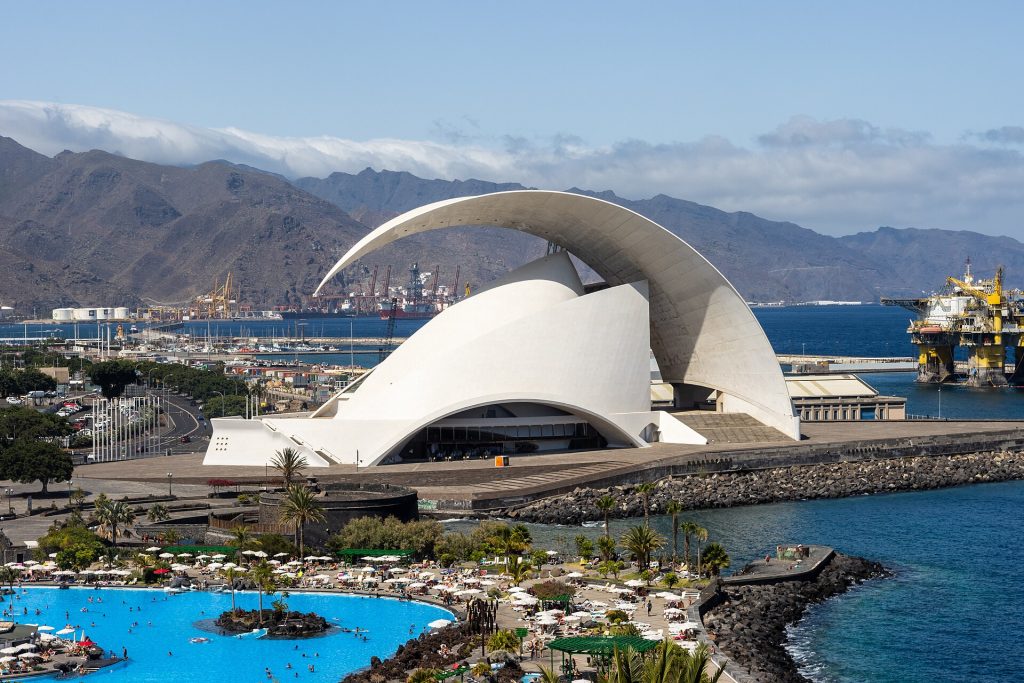
Tenerife’s capital is one of the mildest cities in Europe in winter. AEMET’s Santa Cruz de Tenerife station records an average January high of 21.0°C and low of 15.4°C, with 178 hours of sunshine in the month. December is warmer still, with an average high of 22.1°C.
It is a working port city, not a resort, so a weekend here mixes seafront walks, markets and a tram ride up to the old university town of La Laguna, which is noticeably cooler. Mount Teide’s summit can be cold and snowy in winter, so pack layers for a day trip. Our Tenerife weekend guide has a two-day route.
Best for: Mild evenings and a real city to explore.
2. Las Palmas, Gran Canaria, Spain
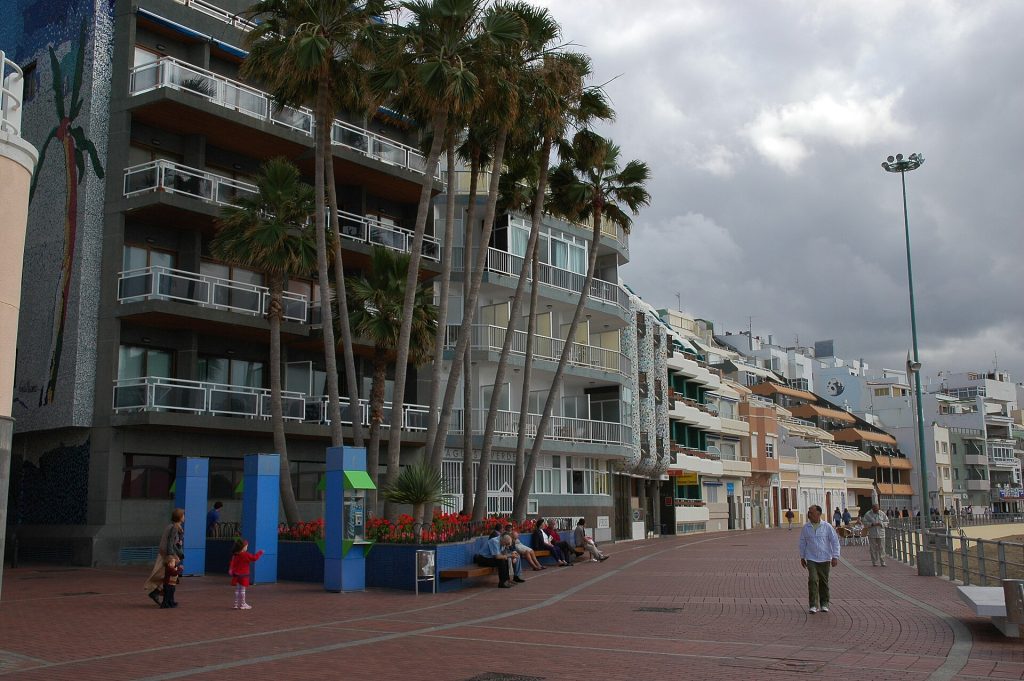
Gran Canaria gets a little more winter sunshine than Tenerife. At AEMET’s Gran Canaria Airport station, between Las Palmas and the southern resorts, January averages a high of 20.8°C and 184 hours of sunshine, rising to 191 hours in February.
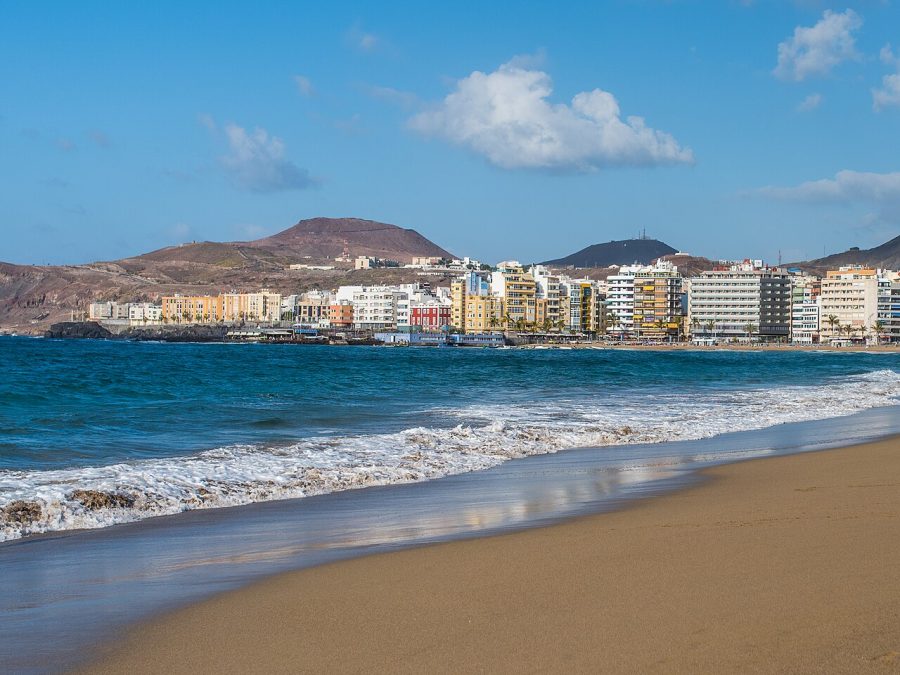
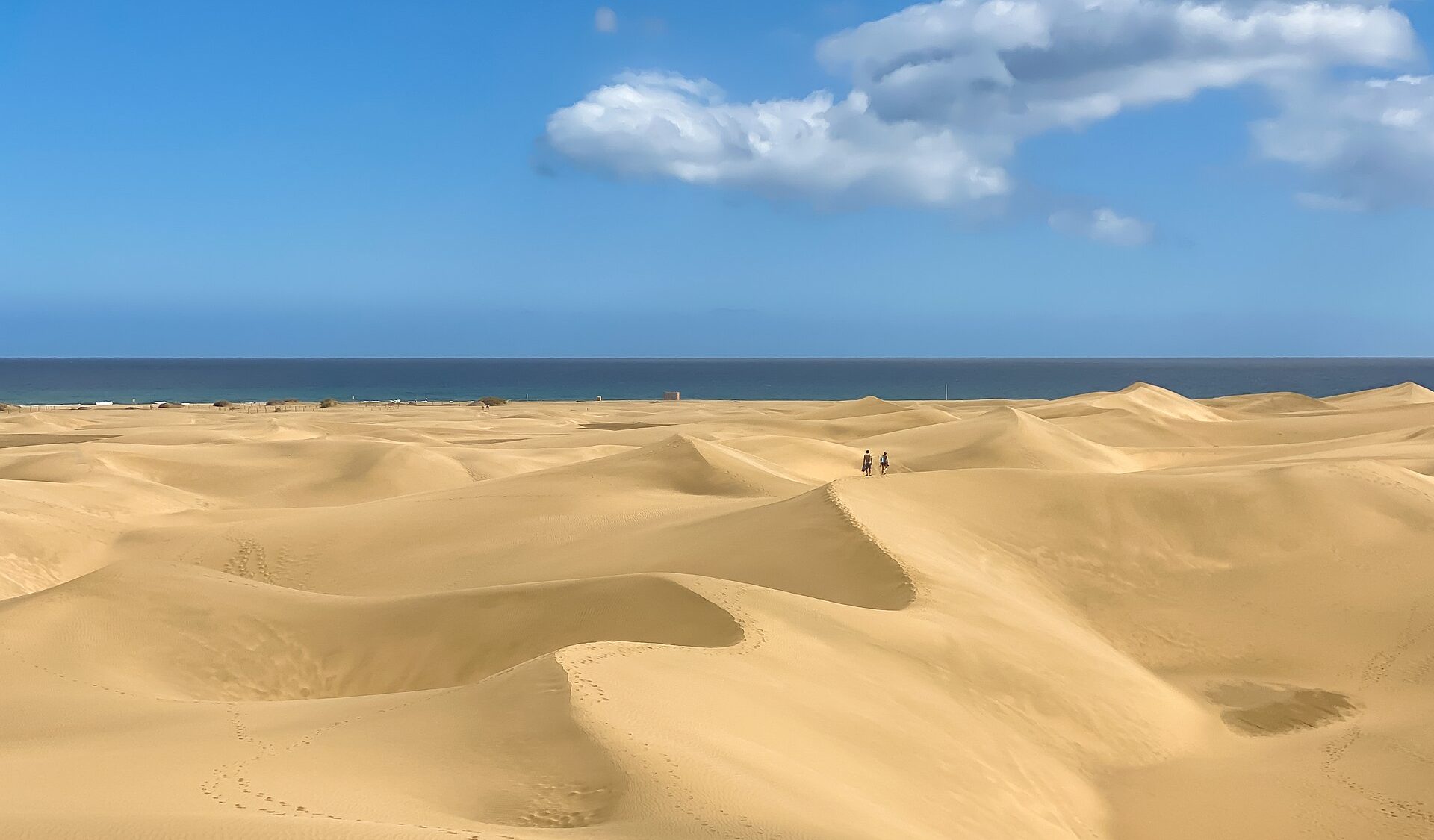
Las Palmas pairs the old quarter of Vegueta with Las Canteras, a long city beach with a promenade made for morning walks. Carnival takes over the city from 22 January to 28 February 2027, with the Gran Cabalgata parade on 20 February, according to the official carnival programme. The south, around the Maspalomas dunes, is usually sunnier than the capital. Our guide to which Canary Island is best compares the islands.
Best for: A city beach, plus carnival from late January.
3. Lanzarote, Spain
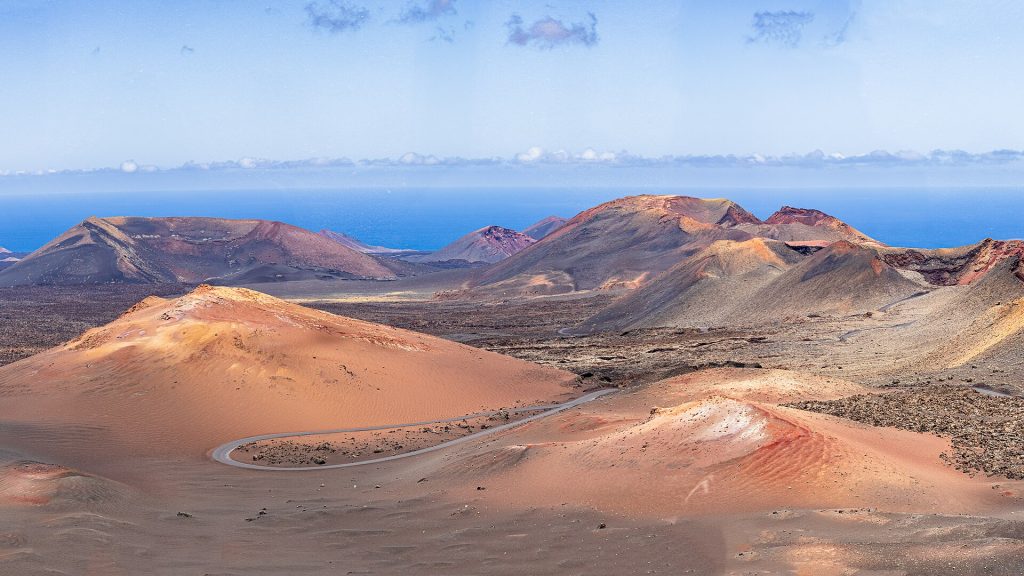
Lanzarote is the sunniest pick on this list. AEMET’s Lanzarote Airport station records an average January high of 20.7°C, with 203 hours of sunshine and 3.2 days with at least 1 mm of rain. February brings an average high of 21.3°C.
The island is low and volcanic, with black lava fields in Timanfaya National Park, whitewashed villages and the buildings and gardens shaped by the artist César Manrique. It is small enough to see a good slice of it in two days with a hire car, and the beaches of the south suit a quiet winter afternoon.
Tip: Lanzarote can be breezy even on sunny days, so bring a windproof layer for the coast.
Best for: Volcanic scenery and the most sunshine of our picks.
4. Funchal, Madeira, Portugal
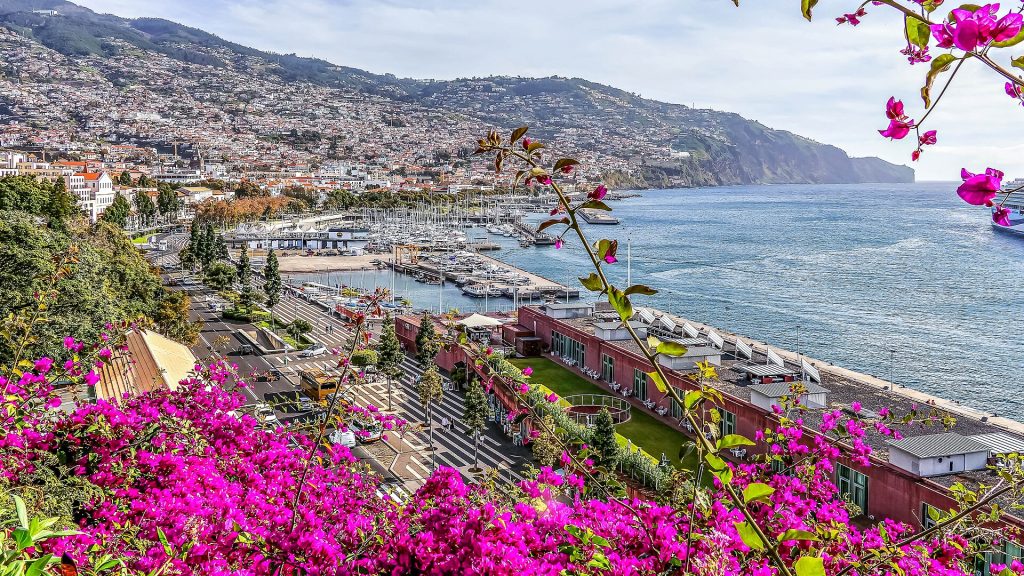
Funchal is almost as mild as the Canaries but greener and wetter. IPMA’s Funchal station gives an average January high of 20.0°C and low of 14.3°C, with 67.1 mm of rain on average in the month. December is the wettest winter month, with 94.8 mm.
December is also when the city puts on its best show. Madeira’s official calendar lists the lights across the Funchal amphitheatre from 1 December 2026 to 10 January 2027, and a New Year’s Eve firework display on 31 December. In February, carnival brings the Allegoric Carnival Parade on 5 and 6 February 2027. See our Madeira in winter guide for gardens, the cable car to Monte and levada walks.
Best for: Christmas lights, gardens and a mild Atlantic break.
5. Málaga, Spain
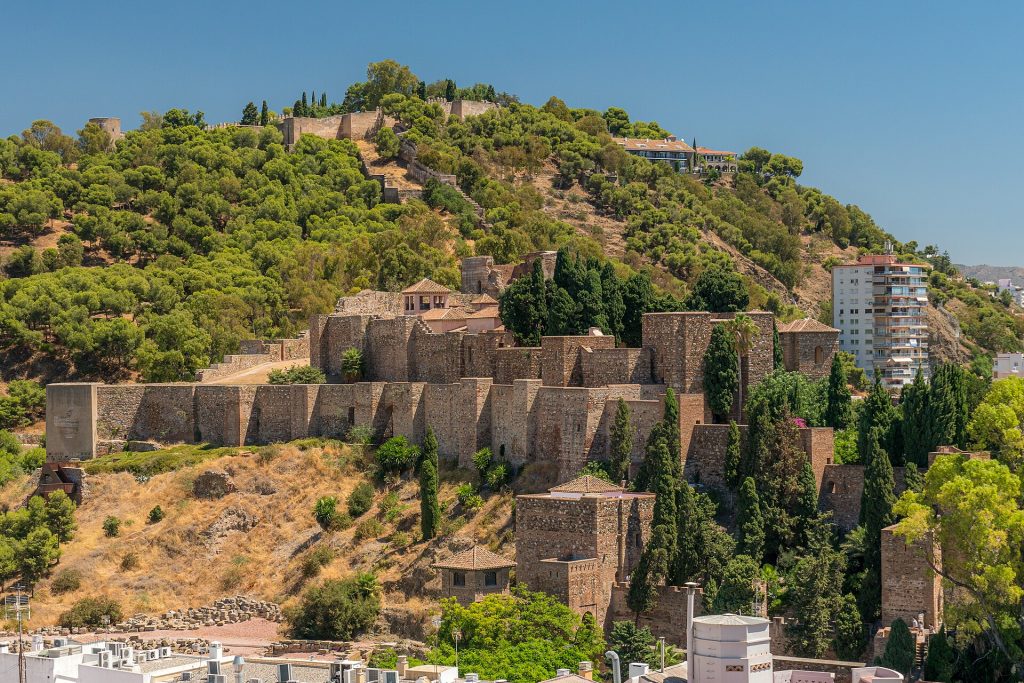
Málaga has the warmest December and January days of the mainland cities we checked. AEMET’s Málaga Airport station gives an average January high of 16.8°C and 180 hours of sunshine. Nights are much cooler, with an average January low of 7.4°C.
That is enough for a long lunch outside and a walk along the port to Malagueta beach. Save the Picasso Museum for a cloudy hour, then climb to the Alcazaba and Gibralfaro castle for the view over the bay. Our Málaga weekend guide has the full plan.
Best for: Museums, tapas and sea air without leaving the mainland.
6. Seville, Spain
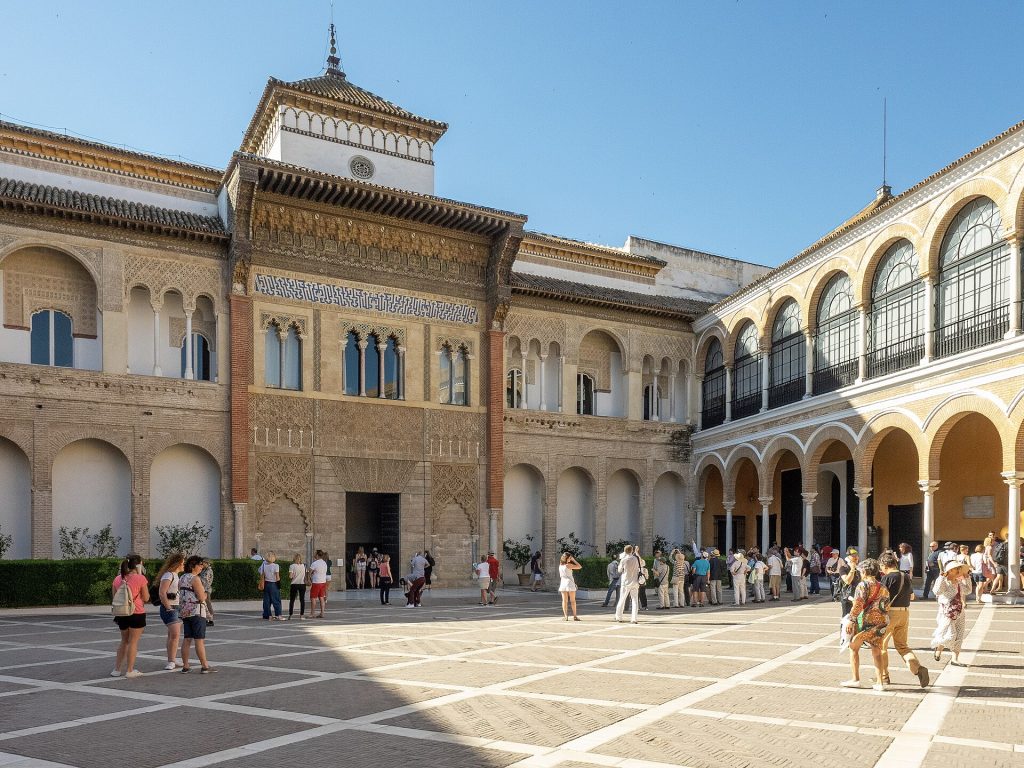
Seville is inland, so its winter days are bright and its nights are cold. AEMET’s Seville Airport station records an average January high of 16.0°C and low of 5.7°C, with 183 hours of sunshine. By February the average high is 18.1°C.
Winter is the most comfortable time to see the Real Alcázar, the cathedral and the courtyards of Santa Cruz, with orange trees in fruit along the streets. If you are there on 5 January, the Three Kings parade is one of the biggest in Spain: see our Three Kings parades guide. Our Seville weekend guide has a two-day route.
Best for: Sunshine and Moorish palaces, with a warm coat for the evenings.
7. Valletta, Malta
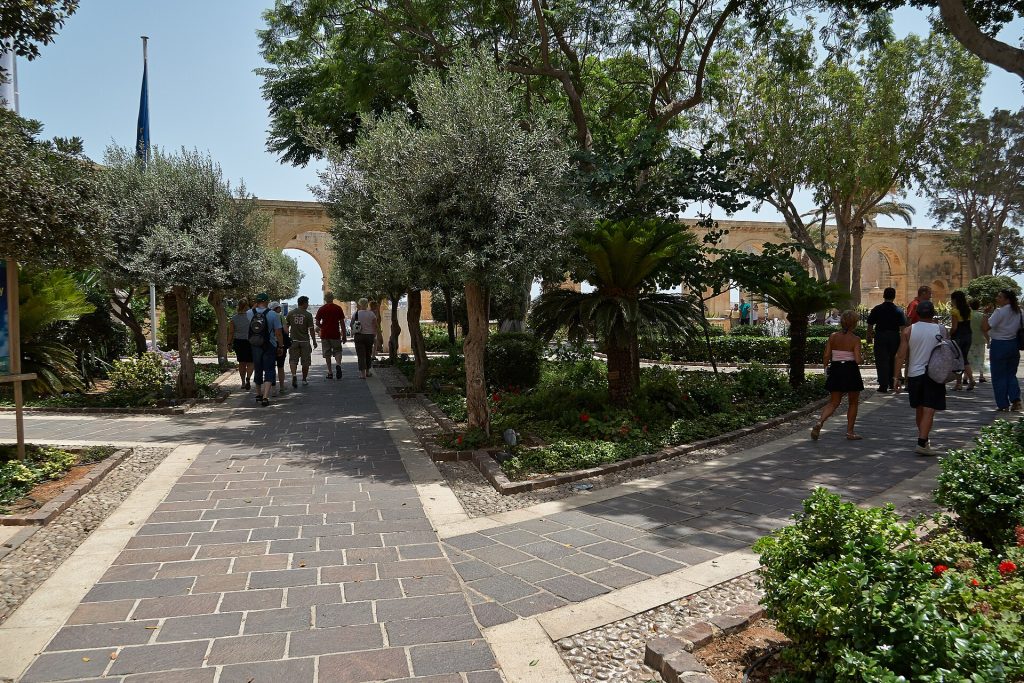
The Malta Meteorological Office reports we checked don’t give a winter temperature norm, so we give no figure here. What they do give is a January rainfall norm of 79.3 mm (1991–2020), so expect a few showery days.
Valletta is small, walkable and full of honey-coloured stone, with the Upper Barrakka Gardens looking across the Grand Harbour to the Three Cities. Malta’s carnival runs from 5 to 9 February 2027 in Valletta, Floriana and other towns, according to Festivals Malta. Our Valletta weekend guide covers the rest.
Best for: A compact capital by the sea, with carnival in February.
How to choose
For the warmest days and mildest nights, go to the Canaries: Santa Cruz de Tenerife, Gran Canaria and Lanzarote all average January highs of between 20.7°C and 21.0°C at AEMET’s stations. Lanzarote is the sunniest, Las Palmas has the best city beach, and Santa Cruz is the most rewarding city. Choose Funchal for December lights and gardens, and accept more rain.
Málaga and Seville are cooler, with January highs of 16.8°C and 16.0°C, but they pack more culture into a weekend and are easy to reach from much of Europe. Valletta is the pick for a small, walkable capital. For a mainland alternative with gardens and a city beach, see our Valencia weekend guide, and for the full month-by-month figures, our warmest places in Europe in January.
Tip: On Tenerife and Gran Canaria, the south is usually sunnier and drier than the north, so choose your base with that in mind.
FAQ
Where is the warmest place in Europe for a winter weekend?
The Canary Islands. AEMET’s normals give Santa Cruz de Tenerife an average December high of 22.1°C and a January high of 21.0°C (1981–2010). Funchal in Madeira is close behind, with an average January high of 20.0°C according to IPMA (1991–2020).
Which Canary Island is sunniest in winter?
Of the stations we checked, Lanzarote Airport has the most January sunshine, with 203 hours, against 184 hours at Gran Canaria Airport and 178 hours in Santa Cruz de Tenerife (AEMET, 1981–2010).
Is Madeira or the Canaries better for winter sun?
The Canaries are drier and slightly sunnier. Madeira is greener, with gardens, levada walks and the December lights in Funchal, but IPMA’s normals show more winter rain, with 67.1 mm in January.
Is Seville warm in winter?
Warm by day and cold at night. AEMET’s Seville Airport station gives an average January high of 16.0°C but a low of 5.7°C, so bring a proper jacket.
Can you swim in the sea in winter in Europe?
You can, but the sea is cool everywhere on this list in winter, including the Canaries. Most people will find it a short, bracing dip.