Seville is one of Europe’s warmest winter city breaks, a place where January afternoons can still mean lunch on a terrace under orange trees. In two days you can walk through a Moorish palace, climb a minaret turned bell tower, cross the river for tapas in Triana and end the night at a flamenco show. It suits couples, first-time visitors to Spain and anyone chasing sun with plenty of history attached.
Why go
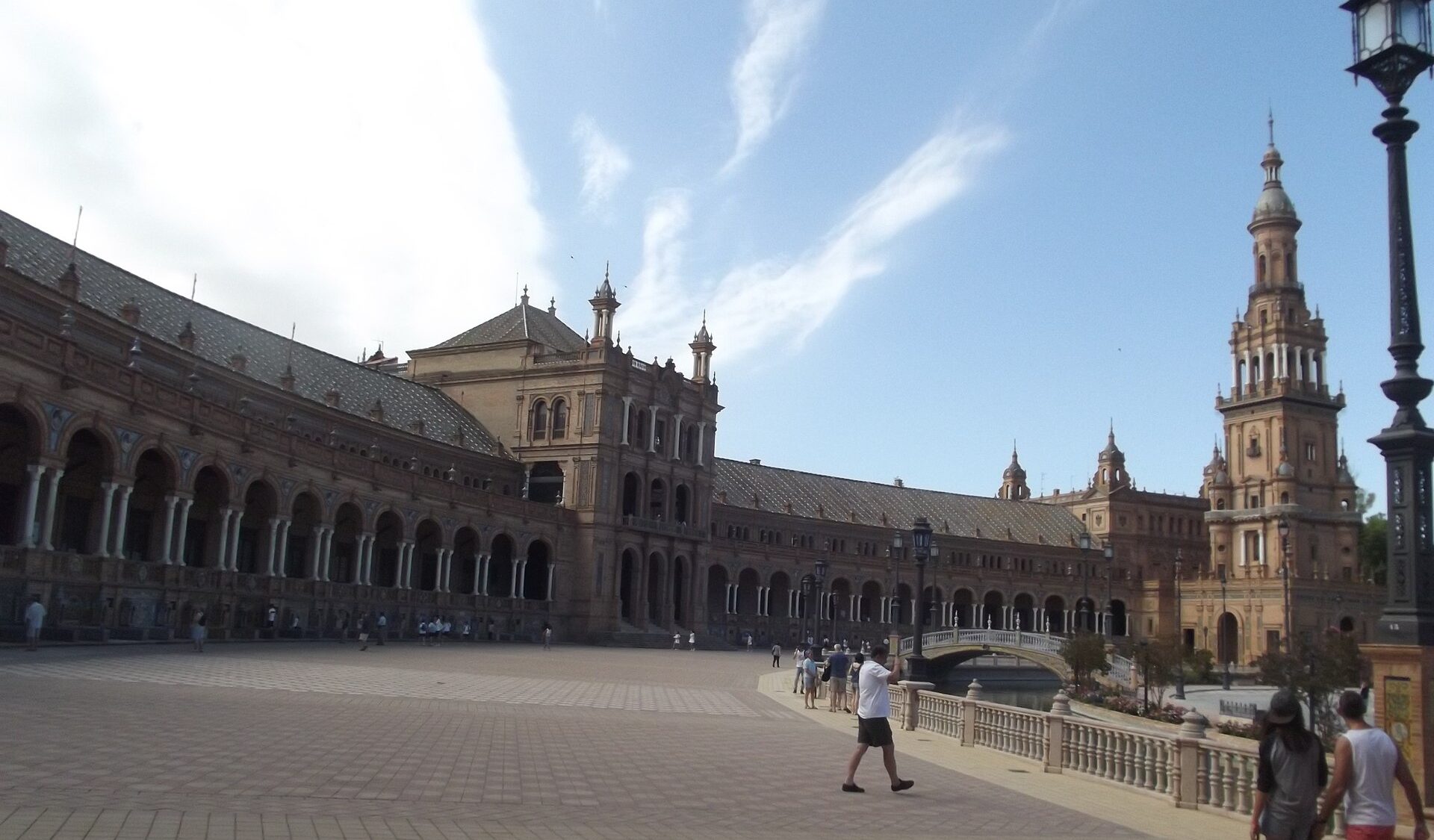
Few European cities pack this much into such a walkable centre. The Real Alcázar, the Cathedral and the Archivo de Indias sit side by side and together form a UNESCO World Heritage Site. Around them spreads Barrio Santa Cruz, the old Jewish quarter, all whitewashed lanes and courtyards. A short walk south, the Parque de María Luisa leads to the Plaza de España, built for the 1929 Ibero-American Exposition.
Seville is also the home of flamenco and one of the best tapas cities in Spain. Eating here is a moving feast: a stop at a counter, a plate or two, then on to the next bar. Winter brings the added bonus of thinner crowds and comfortable walking weather, a sharp contrast with the punishing heat of July and August.
Seville
Don’t miss
The places that make the trip, and why each one deserves your time.

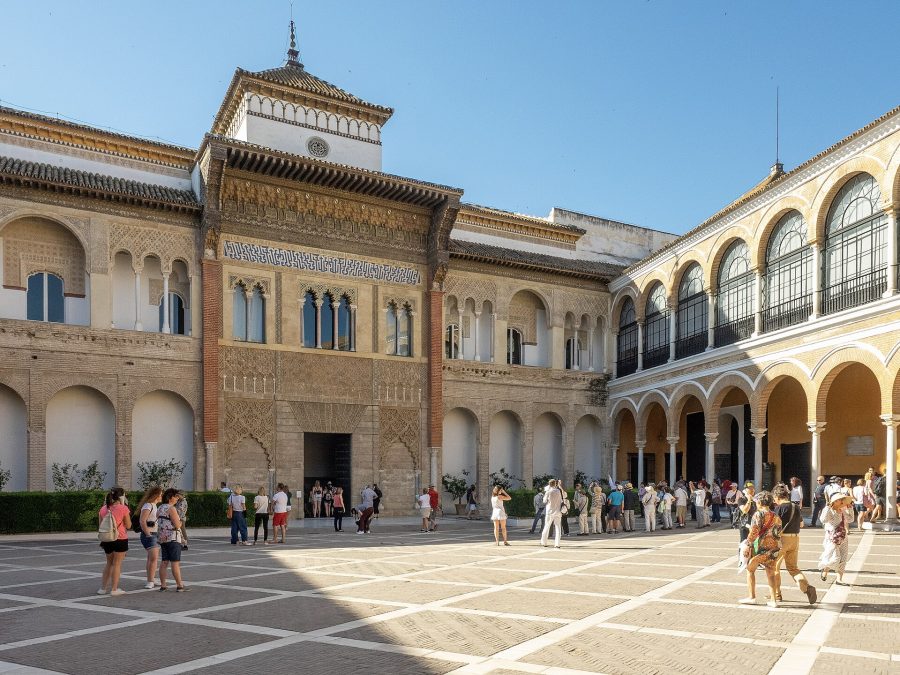
Ajay Suresh from New York, NY, USA. Edited by MenkinAlRire / Wikimedia Commons, CC BY 2.0 Real Alcázar
A royal palace still in use, layered from Moorish walls to Mudéjar courtyards, with carved stucco arches, tiled halls and long gardens of orange trees, fountains and palms.
Open daily from 9.30am in winter; book online.
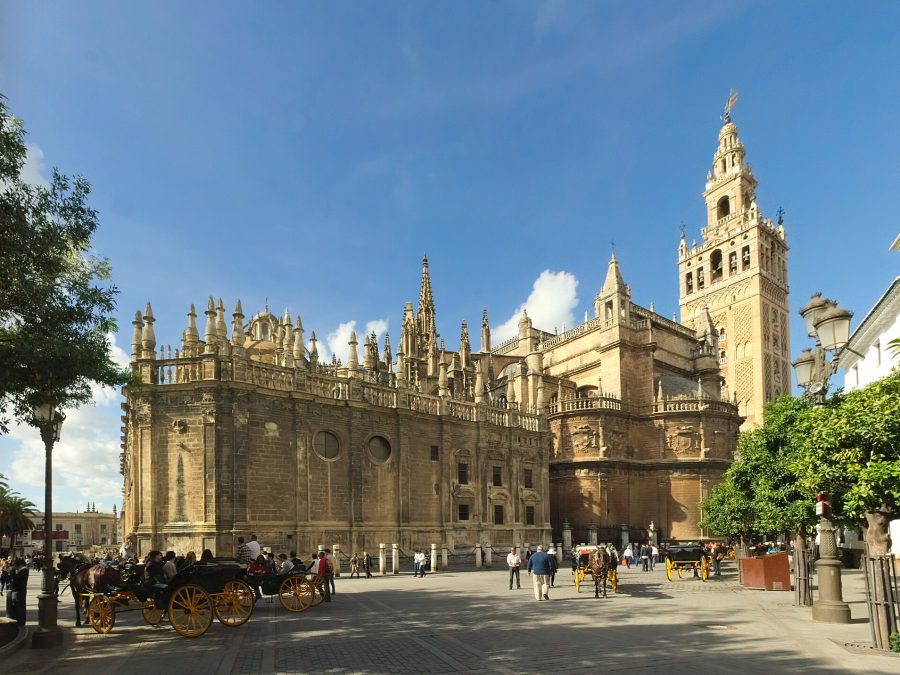
Ingo Mehling / Wikimedia Commons, CC BY-SA 4.0 Seville Cathedral and the Giralda
The largest Gothic cathedral in the world, with Columbus's tomb inside and a former minaret for a bell tower, climbed by ramps rather than steps to a rooftop view.
Sunday visits only start in the afternoon.
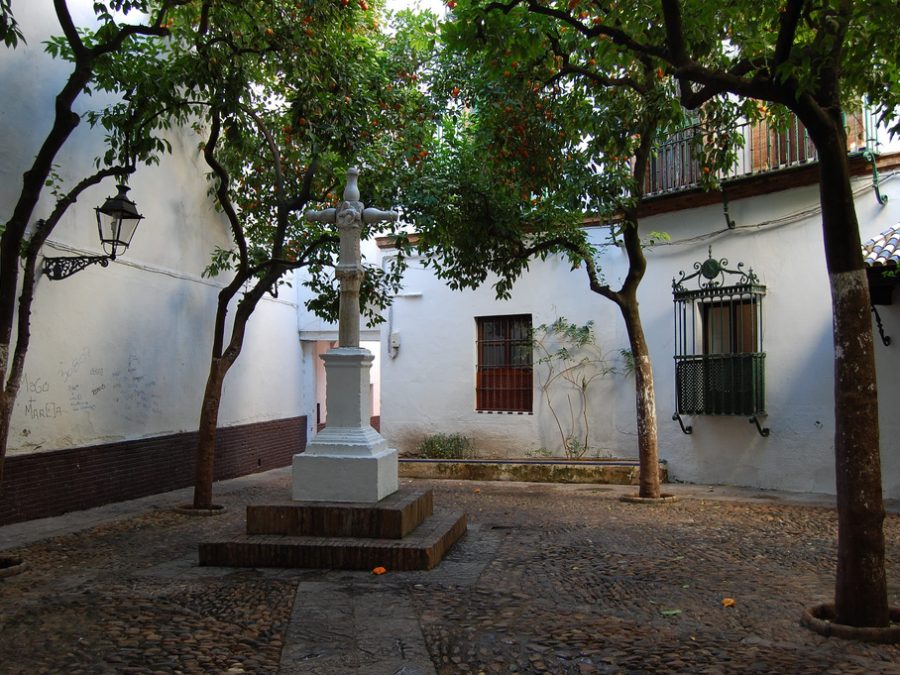
peribanyez / Wikimedia Commons, CC BY-SA 2.0 Barrio Santa Cruz
The old Jewish quarter is a tangle of whitewashed lanes, tiny plazas with orange trees and iron balconies, so narrow in places that neighbours could shake hands across them.
Walk it early morning or after dark for quiet.
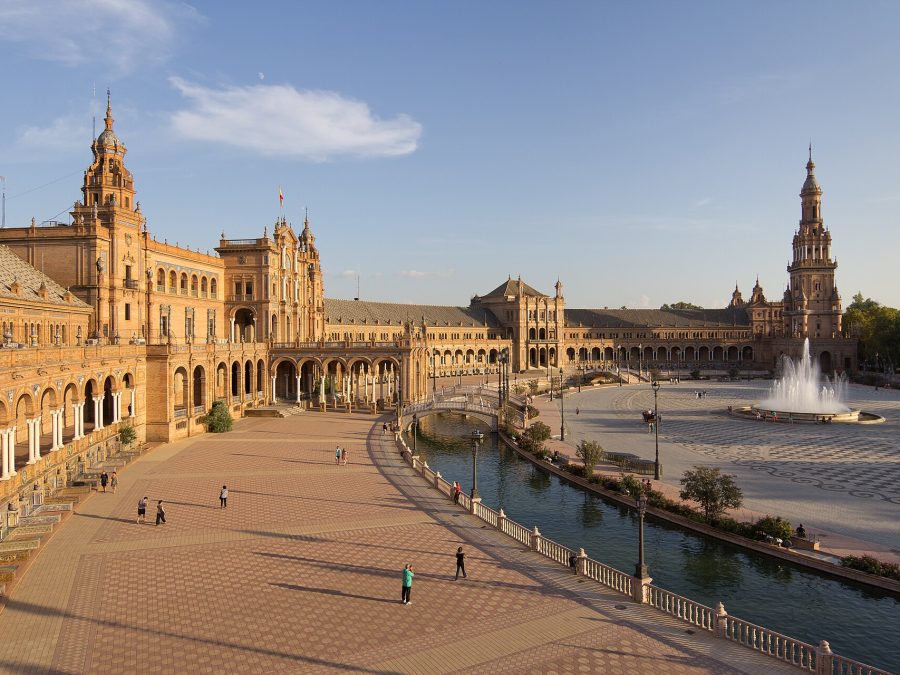
Carlos Delgado / Wikimedia Commons, CC BY-SA 4.0 Plaza de España
A vast half-moon of brick and towers built for the 1929 exhibition, with a canal, four bridges and tiled alcoves for every Spanish province.
Free to enter; come in late-afternoon light.
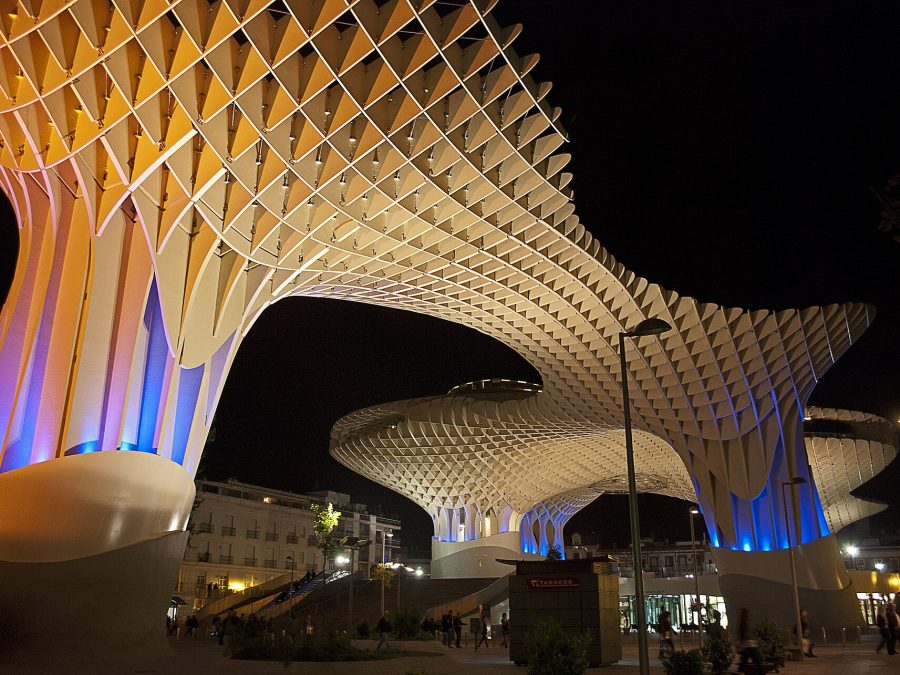
Anual / Wikimedia Commons, CC BY-SA 3.0 Metropol Parasol
Six giant timber 'mushrooms' over the Plaza de la Encarnación, with a walkway winding across the top for rooftop views to the Giralda.
Go at sunset, then stay for the city lights.
Ajay Suresh from New York, NY, USA / Wikimedia Commons, CC BY 2.0 Triana
Across the river, the old district of potters, sailors and flamenco singers has tile workshops, a covered market and a riverside row of houses facing the old town.
Cross the Triana bridge at dusk for the skyline.
Casa de la Memoria
Singers, dancers and a guitarist perform in an intimate old courtyard in the heart of the old town, close enough that you hear every heel strike.
Book ahead; seating is limited.
The 48-hour Seville weekend route
Day 1
Morning: Start at the Real Alcázar, the oldest royal palace in Europe still used by the Spanish royal family. From 1 October to 31 March it opens daily from 9.30am to 5pm, and the site begins clearing at 5.45pm. It is closed on 1 and 6 January, Good Friday and 25 December. Allow at least two and a half hours: the Palace of Pedro I, with its Patio de las Doncellas and the gilded dome of the Hall of Ambassadors, is the high point, but the gardens deserve time of their own. The Upper Royal Rooms (Cuarto Real Alto) are a separate ticket.
Tip: Buy Alcázar tickets on the official website, which is the only authorised online seller, and be at the gate for the first entry of the day.
Afternoon: After lunch, cross the Plaza del Triunfo to the Cathedral. It is the largest Gothic cathedral in the world, built on the site of the city’s great mosque. Inside you will find the tomb of Christopher Columbus, carried by four figures of kings, and a gilded main altarpiece of staggering size. Then climb the Giralda, the 12th-century minaret that became the bell tower. Instead of stairs there are 35 ramps, wide enough for a horseman to ride up, and the view from the top takes in the whole old town. The cultural visit runs Monday to Saturday from 10.45am to 7pm and on Sunday from 2.30pm to 7pm, with the ticket office closing at 6pm. Hours can change at short notice for services.
Evening: Wander into Barrio Santa Cruz as the lanes empty of day-trippers. Find the Plaza de Santa Cruz and the Callejón del Agua, which runs along the old Alcázar walls. For flamenco, Casa de la Memoria on Calle Cuna stages shows in a courtyard that keeps features from the 15th to 17th centuries, with performances every day, usually at 7.30pm and 9pm. Book ahead, since seats are few. Finish with tapas around the Alfalfa or the Cathedral.
Day 2
Morning: Walk south through the Parque de María Luisa, a long, shady park of palms, fountains and tiled benches. At its edge lies the Plaza de España, a sweeping half-circle of brick, marble and tiles, with a canal, four bridges and alcoves decorated with ceramic scenes from every Spanish province. The plaza is free to enter. Morning light is softer, but late afternoon brings the warmest colour on the brick.
Afternoon: Head back north and cross the Puente de Isabel II, better known as the Triana bridge, into Triana. This is the old neighbourhood of potters, sailors and flamenco families. Start at the Mercado de Triana, which sits on the remains of the Castillo de San Jorge, once the seat of the Inquisition, then browse the tile workshops around Calle Alfarería. Walk back along Calle Betis for the view of the river and the old town, with the Torre del Oro on the far bank.
Evening: Take a short walk or taxi to the Metropol Parasol, known locally as Las Setas, "the mushrooms". These timber canopies over the Plaza de la Encarnación are among the largest wooden structures in the world, and a walkway snakes across the top. The viewpoint opens from 9.30am until late at night; check the official site for the last entry. Go up around sunset, when the Giralda glows, then have dinner in the streets around the Alameda de Hércules or back towards the centre.
Tip: Leave the Cathedral for a weekday if you can. On Sundays the cultural visit only starts at 2.30pm.
Seville in winter
In plain words: Seville in winter feels like a good British spring day. Spain’s national weather service, AEMET, records average highs of about 17°C in December, 16°C in January and 18°C in February at Seville Airport, climbing to around 22°C in March. Nights are cool, often 6–9°C, so bring a warm layer. It rains on six or seven days a month, usually in short spells, and there is plenty of sun between: more than 150 hours in December and over 180 in January.
Nearly everything stays open. The Alcázar keeps shorter winter hours, from 9.30am to 5pm, and closes on 25 December and 1 and 6 January. The Cathedral keeps the same hours all year, though services can change them. Many terraces stay open in winter, often with heaters.
Christmas and the Three Kings: In December the old town fills with nativity scenes, or belenes, set up in churches, convents and shop windows, and the streets of the centre are lit up for the season. The biggest night of the holiday is 5 January, when the Ateneo de Sevilla’s Three Kings parade (Cabalgata de Reyes Magos) winds through the historic centre, Triana and Los Remedios, with floats throwing sweets to the crowds. Check the city council’s site in December for the route and timings.
Where to stay
- Barrio Santa Cruz and the Cathedral area: Small hotels in old townhouses, steps from the Alcázar. Best for first-timers and couples who want to walk everywhere.
- Arenal: Between the Cathedral and the river, close to the bullring and the Torre del Oro, with plenty of tapas bars. Best for a central base with a little more space.
- Triana: Across the river, more local and more residential, with the market and flamenco history on the doorstep. Best for repeat visitors and food lovers.
- Alameda de Hércules: North of the centre, around a long tree-lined square of bars and cafés. Best for a younger crowd and late evenings.
What to eat and drink
- Jamón ibérico: Cured ham sliced paper-thin, ideally with a glass of fino or manzanilla.
- Espinacas con garbanzos: Spinach and chickpeas with cumin and paprika, a Moorish-rooted Seville classic.
- Pavía de bacalao: Strips of salt cod fried in a light batter.
- Solomillo al whisky: Pork tenderloin in a garlicky whisky sauce, a local bar favourite.
- Pringá: Slow-cooked meats from a stew, shredded and pressed into a small bun.
- Torrijas and yemas: Sweet treats, the first fried bread soaked in milk or wine, the second egg-yolk sweets made by nuns in the city’s convents.
Where to go:
- El Rinconcillo (Calle Gerona): Often called the oldest bar in Seville, trading since 1670, with tabs chalked on the wooden counter. Go for spinach with chickpeas and pavías de bacalao.
- Las Golondrinas (Triana): A tiled, family-run tapas bar on Calle Antillano Campos, known for grilled pork and mushrooms. Ideal on Day 2.
- Mercado de Triana (Triana): The covered market by the bridge, with produce stalls and small counters for a stand-up lunch.
- Casa de la Memoria (Santa Cruz): For flamenco rather than food, but the best way to end a night of tapas in the old town.
Getting around
Seville’s old town is flat and compact, and most of it is best seen on foot. The walk from the Alcázar to the Metropol Parasol takes about 20 minutes, and Triana is just over the bridge.
Getting there: Seville Airport lies east of the city. The airport bus (line EA) runs into the centre, and taxis wait outside arrivals. High-speed trains from Madrid and other cities arrive at Santa Justa station, a short bus or taxi ride from the old town.
Public transport: The Metrocentro tram runs along the pedestrianised Avenida de la Constitución past the Cathedral, and city buses run by TUSSAM cover the wider city. For more on Spanish city breaks, compare Seville with our Barcelona guide or browse the best holiday destinations in Spain.
Good to know
- Book the big two: Buy Alcázar tickets on the official site and Cathedral tickets through the Cathedral’s own website to avoid queues.
- Dress: Cover shoulders and knees for the Cathedral and churches.
- Meal times: Lunch runs from about 2pm and dinner rarely starts before 9pm. Tapas bars fill up early in the evening and then again late.
- Sundays: The Cathedral only opens in the afternoon, so plan the Alcázar or the Plaza de España for Sunday morning.
- More winter sun: Compare Seville with the Canary Islands, or see our best city breaks in Europe and most romantic destinations.
- What’s on: See this weekend’s picks for events across Europe.
FAQ
Is Seville worth visiting in winter?
Yes. Winter days are usually mild and sunny, with average highs of about 16–18°C from December to February according to AEMET. Crowds are lighter than in spring and the main sights stay open, though the Alcázar keeps shorter winter hours.
Is a weekend enough for Seville?
Two days covers the Alcázar, the Cathedral and Giralda, Santa Cruz, the Plaza de España, Triana and Las Setas at a relaxed pace. Add a third day for more museums or a day trip in Andalusia.
What are the Real Alcázar’s opening hours in winter?
From 1 October to 31 March the Alcázar opens daily from 9.30am to 5pm. It is closed on 1 and 6 January, Good Friday and 25 December.
Can you climb the Giralda?
Yes. The climb is included in the Cathedral’s cultural visit and uses 35 gentle ramps rather than stairs. The visit runs Monday to Saturday from 10.45am to 7pm and on Sunday from 2.30pm.
Where can you see flamenco in Seville?
Casa de la Memoria in Barrio Santa Cruz holds shows every day in an old courtyard, and Triana has deep flamenco roots. Book ahead, as the more intimate venues have few seats.