The Canary Islands are Europe’s most dependable winter sun, four hours or so from most UK airports and in the same time zone. But the eight islands are very different, and the best Canary Island for you depends on what you want, especially in winter. These tips help you pick, plan and skip the queues.
Canary Islands
Don’t miss
The places that make the trip, and why each one deserves your time.

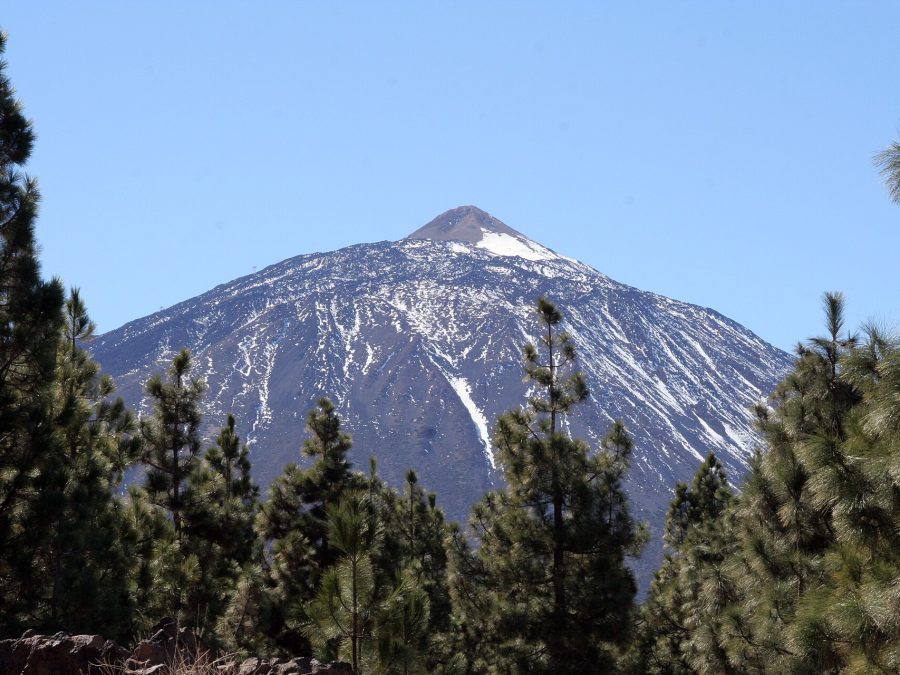
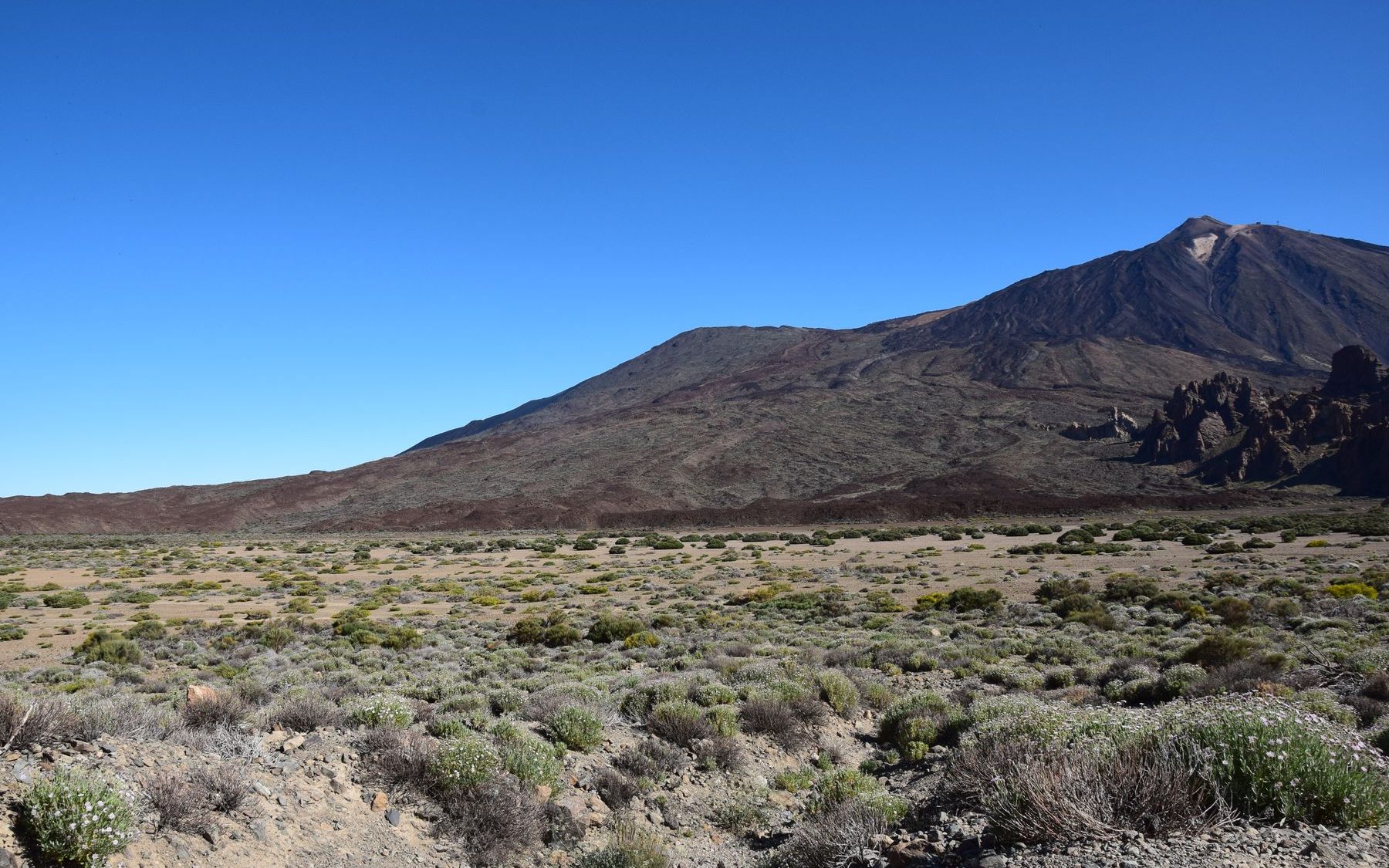
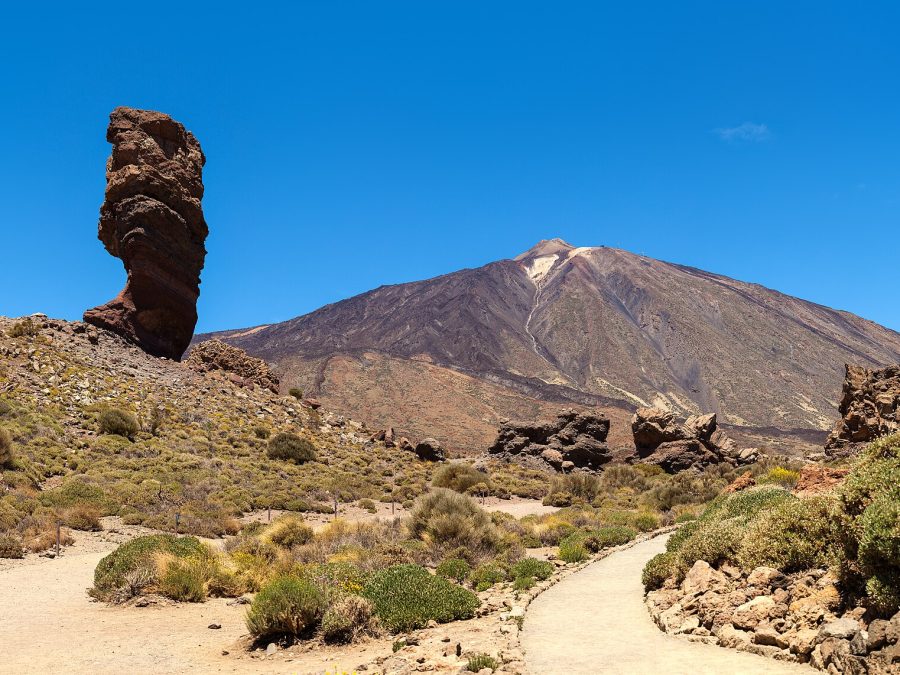
Thomas Wolf, www.foto-tw.de / Wikimedia Commons, CC BY-SA 3.0 de Mount Teide, Tenerife
Spain's highest peak rises above pine forests and lava, with a cable car and a summit trail to the crater rim.
Book the summit slot and cable car for the same morning.
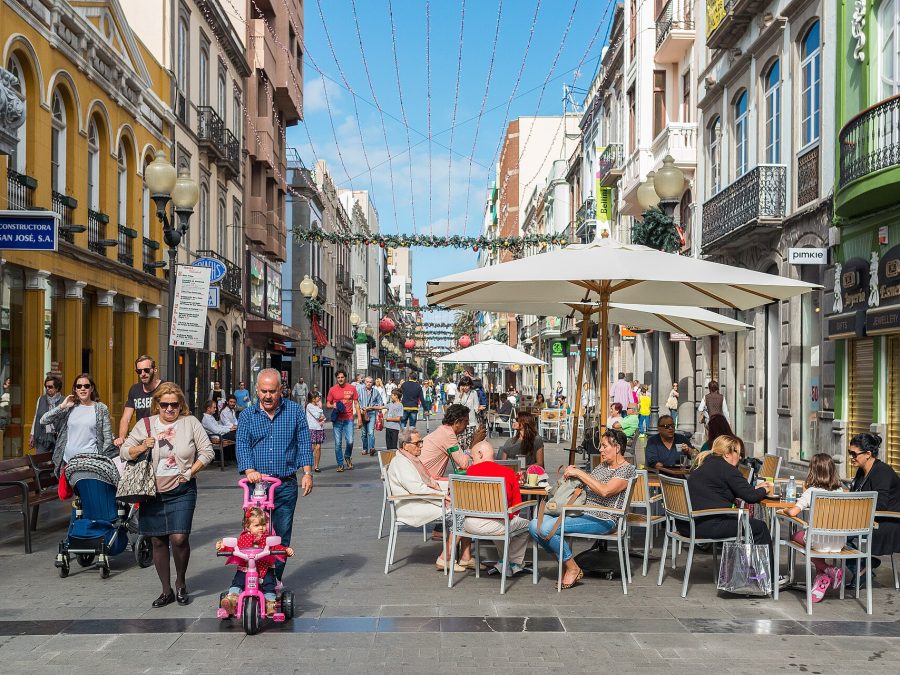
Bengt Nyman / Wikimedia Commons, CC BY-SA 4.0 Vegueta, Las Palmas
The old quarter of Las Palmas, a real city on Gran Canaria, which also has a long urban beach at Las Canteras.
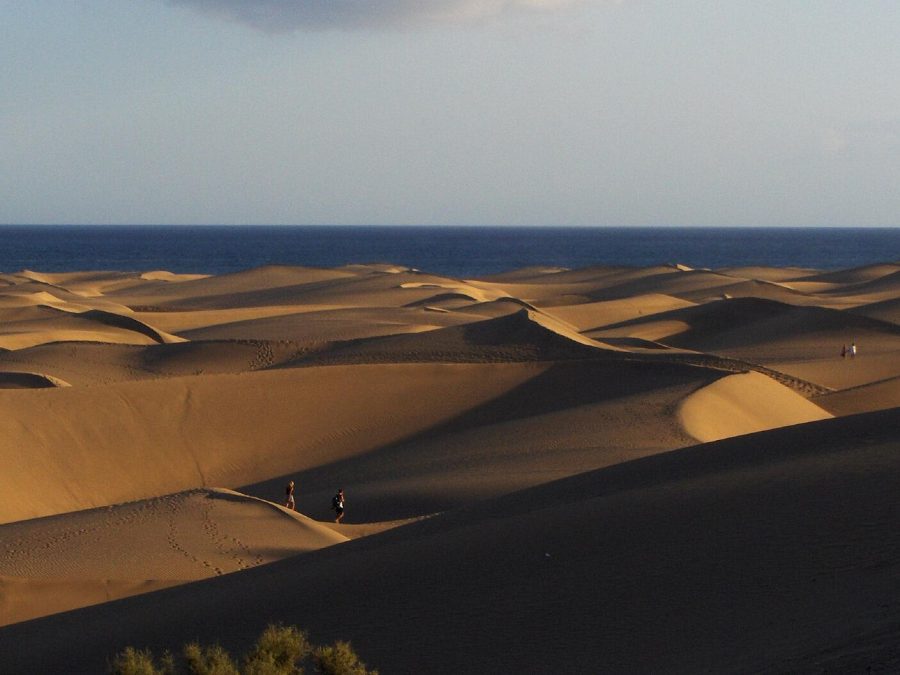
Himarerme / Wikimedia Commons, Public domain Maspalomas dunes
In the sunny south of Gran Canaria, the Maspalomas dunes roll all the way down to the sea, a desert landscape on a holiday island.
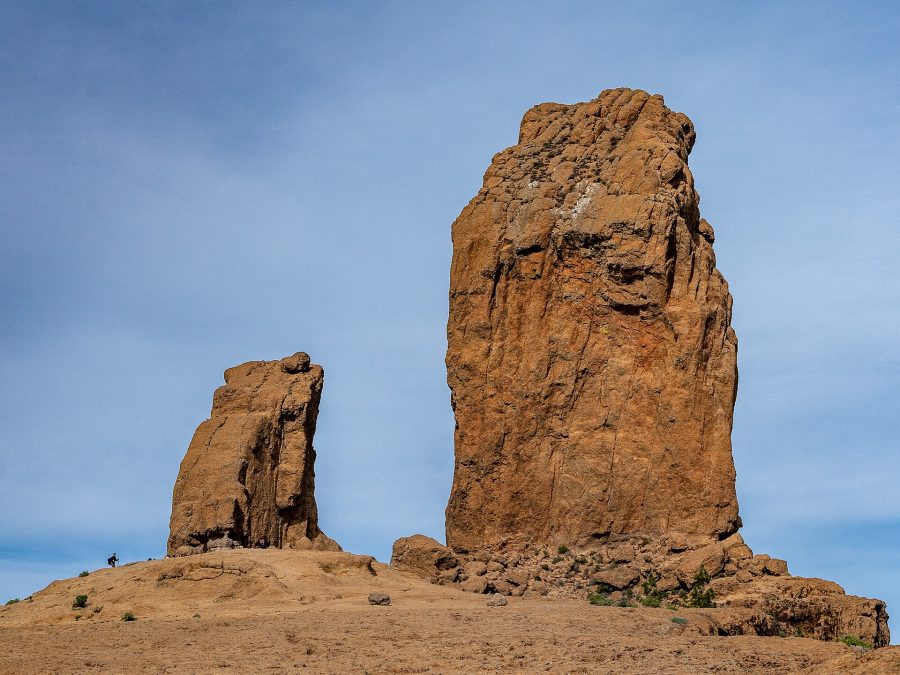
MiljenkoSuljic / Wikimedia Commons, CC BY-SA 4.0 Roque Nublo
A great rock pinnacle at the heart of Gran Canaria's mountain interior, the landmark of some of the island's most superb hiking.
Pack layers; the summits can be near freezing.
MiljenkoSuljic / Wikimedia Commons, CC BY-SA 4.0 Timanfaya National Park
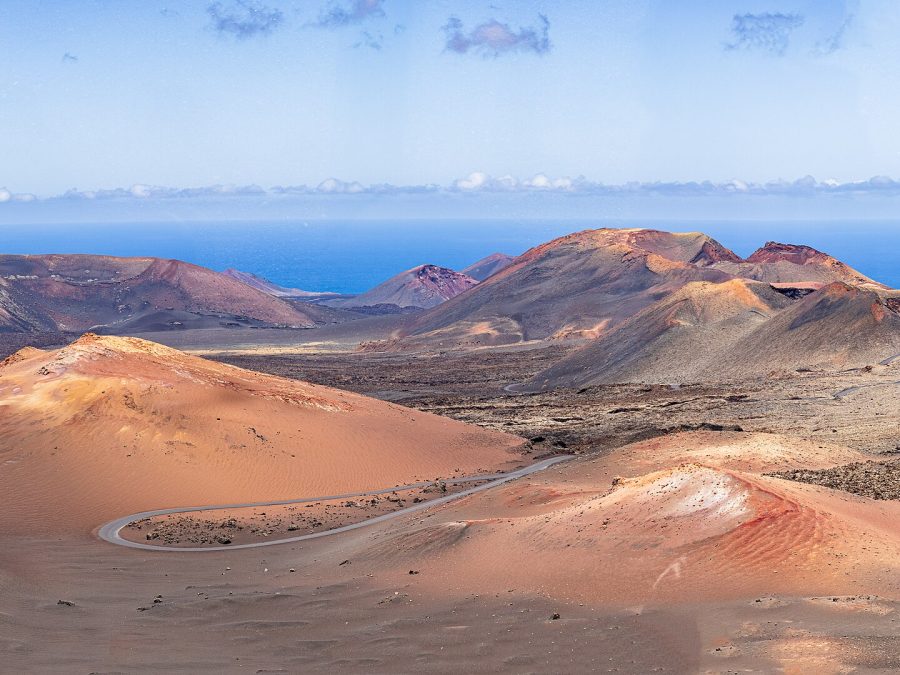
Lanzarote's Fire Mountains, seen on a coach tour through raw lava fields, with El Diablo restaurant grilling food over volcanic heat.
Tickets online only, for a fixed time slot.
Lviatour / Wikimedia Commons, CC BY-SA 3.0 La Geria
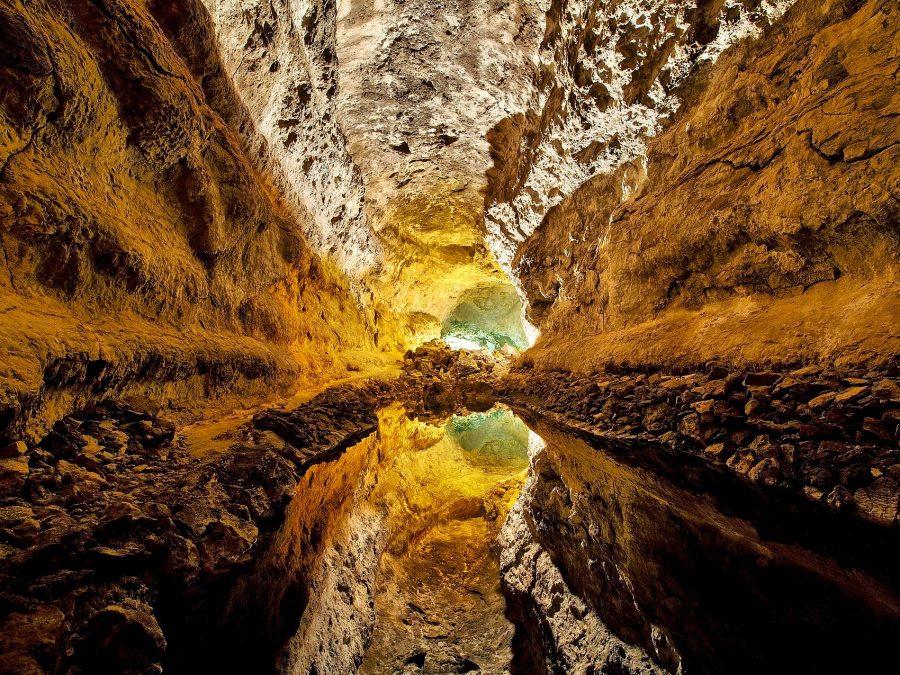
Vines grow in sheltered pits dug into black volcanic ash, producing dry Malvasía Volcánica whites worth tasting at the source.
dronepicr / Wikimedia Commons, CC BY 2.0 Garajonay National Park
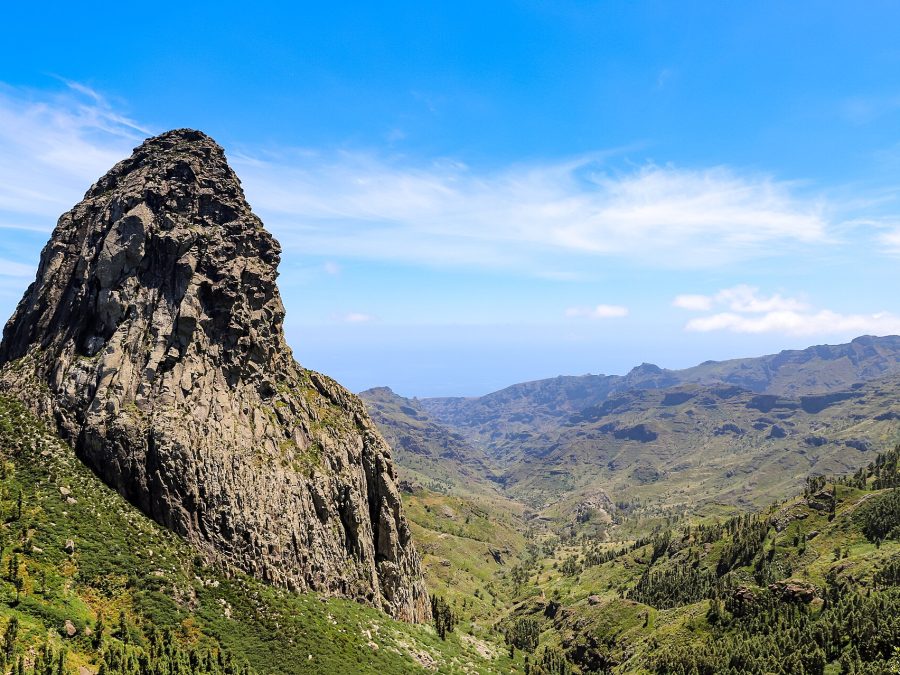
La Gomera's laurel forest, a UNESCO World Heritage Site, is mossy, misty and made for walkers and slow travellers.
Under an hour by ferry from Los Cristianos.
MiljenkoSuljic / Wikimedia Commons, CC BY-SA 4.0 La Graciosa
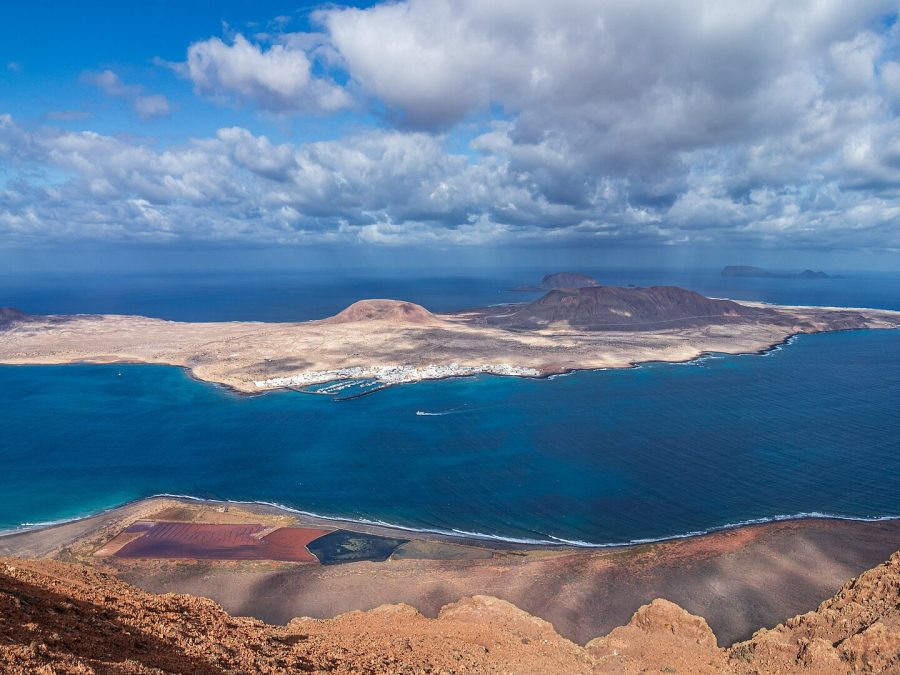
A tiny island off northern Lanzarote with sand tracks instead of tarmac roads, an easy and memorable day trip.
Take the ferry from Órzola.
Which Canary Island is best?
Tenerife: the all-rounder
The biggest island has the most variety: Mount Teide, Spain’s highest peak, pine forests, the green north around La Orotava and Puerto de la Cruz, and the resorts of the south. Pick it if you want walking, beaches and day trips in one place.
Gran Canaria: city plus dunes
Las Palmas is a real city with an old quarter in Vegueta and a long urban beach at Las Canteras. In the south, the Maspalomas dunes roll down to the sea. The mountain interior around Roque Nublo is superb for hiking.
Lanzarote: volcanoes and design
Black lava fields, white villages and the work of the artist César Manrique, whose houses and viewpoints shaped the island’s look. Add the vineyards of La Geria, where vines grow in sheltered pits dug into volcanic ash, and you have the best island for culture.
Fuerteventura: beaches and wind
Long golden beaches, dunes and steady wind for surfers and kiters. It is the quietest of the big islands. See our guide to the best things to do in Fuerteventura.
La Palma, La Gomera and El Hierro: the green islands
These smaller western islands suit walkers and slow travellers. La Gomera’s laurel forest in Garajonay National Park is a UNESCO World Heritage Site. La Palma has some of the clearest night skies in Europe. El Hierro is the most remote, popular with divers. Reach them by ferry or a short regional flight.
La Graciosa: the tiny one
A small island off northern Lanzarote with sand tracks instead of tarmac roads. It works well as a day trip from Órzola.
The best Canary Island for winter sun
Every island is mild in winter, but they are not equally sunny. The rule of thumb: south and east coasts are drier and brighter, north coasts and the western islands are greener and cloudier.
| Island | Winter weather | Best for in winter |
|---|---|---|
| Gran Canaria | Sunniest in the south around Maspalomas; cloudier in Las Palmas | Reliable beach days plus a real city |
| Tenerife | Warm and sunny in the south; greener and cooler in the north; snow possible on Teide | Variety, walking and day trips |
| Fuerteventura | Sunny, dry and breezy | Long beaches and surfing |
| Lanzarote | Sunny and dry, a touch breezier | Culture, volcano landscapes and wine |
| La Palma, La Gomera, El Hierro | Mild but cloudier and wetter, especially on north and east slopes | Hiking and quiet |
For the warmest, most dependable winter beach weather, pick the south of Gran Canaria or Tenerife. For space and sand, choose Fuerteventura.
Getting between the islands
Two ferry companies cover the main routes. Fred. Olsen Express runs mostly fast catamarans, including Tenerife to Gran Canaria, Los Cristianos to La Gomera, and Lanzarote to Fuerteventura. Armas Trasmediterránea runs larger ferries with more car space and links to El Hierro and La Graciosa. Lanzarote to Fuerteventura takes around 30 minutes, Tenerife to La Gomera under an hour.
Binter flies between all the main islands, usually in well under an hour. For longer hops, such as Gran Canaria to La Palma, flying saves most of a day.
Tip: If you want to see two islands in one trip, pair neighbours: Lanzarote with Fuerteventura, or south Tenerife with La Gomera. Both crossings are short enough for a day trip.
Book these ahead
Teide summit
Since January 2026, access to the summit trail (Telesforo Bravo, PNT 10) and the Montaña Blanca route is booked through the Tenerife ON website, with a fee for non-residents. Slots are released weekly and the popular ones go quickly. The cable car is a separate ticket and does not give you the right to walk to the crater rim. If the cable car closes because of wind, your summit slot can be lost, so keep your plans flexible.
Tip: Book your Teide summit slot and your cable car for the same morning, and leave a spare day in your trip in case wind closes the cable car.
Timanfaya National Park, Lanzarote
The Fire Mountains are visited on a coach tour from Islote de Hilario, included in the entry ticket. Tickets are sold online only, for a fixed time slot, and there are no sales at the gate. You cannot walk or drive freely in the park. The El Diablo restaurant, where food is grilled over volcanic heat, does not take reservations.
Isla de Lobos, Fuerteventura
The islet off Corralejo needs a free personal permit for a morning or afternoon slot. Apply as soon as your dates are fixed.
When to go
The islands have mild weather all year, often described as eternal spring. Winter brings warm days in the south of each island, while the north is greener, cloudier and cooler. Summer is hot but rarely extreme, thanks to the trade winds. The sea is coolest in early spring and warmest in early autumn. Occasionally a hot, dusty wind from the Sahara, the calima, brings haze for a few days.
Good to know
- Pick your side of the island. On Tenerife and Gran Canaria, the south is usually sunnier and drier than the north. Book your base with that in mind.
- Hire a car for at least part of the trip. Buses link the main towns, but mountain roads and remote beaches are far easier with your own wheels. If you plan to island-hop, check that your hire agreement covers ferries.
- Respect the sea. Atlantic currents can be strong, and many beaches outside the resorts have no lifeguards. Swim where flags are flown.
- Pack layers. It can be warm on the coast and near freezing on Teide or the Gran Canaria summits on the same day.
- Customs rules apply. The Canaries sit outside the EU VAT area, so duty-free allowances apply on the way home, even to EU countries.
- Allow time at the border. Non-EU travellers, including UK passport holders, now register under the EU’s Entry/Exit System on arrival.
What to eat
Try papas arrugadas with red and green mojo, grilled local fish, goat’s cheese (Fuerteventura’s majorero is the best known), and gofio, the toasted grain flour that turns up in everything from stews to desserts. On Lanzarote, taste the dry Malvasía Volcánica whites from La Geria.
FAQ
Which Canary Island is best for a first visit?
Tenerife, for the variety. If you mainly want beaches, choose Fuerteventura. For culture and striking landscapes, choose Lanzarote.
Which is the best Canary Island to visit?
There is no single best Canary Island. Tenerife suits most first-timers, Gran Canaria is the best for winter sun with a city attached, Fuerteventura for beaches and Lanzarote for culture.
Which Canary Island is warmest in winter?
The southern coasts of Gran Canaria and Tenerife, plus Fuerteventura and Lanzarote, are generally the warmest and sunniest in winter. The northern slopes and the green western islands are cooler and wetter.
Do you need a permit to climb Mount Teide?
Yes, for the final summit trail. Book it on the Tenerife ON website. Non-residents have paid a fee since January 2026.
Can you visit two Canary Islands in one trip?
Yes. Fast ferries link Lanzarote and Fuerteventura in about half an hour, and Tenerife and La Gomera in under an hour. Binter flights connect all the main islands.
Planning more of Spain? See our best holiday destinations in Spain, the best national parks in Europe, or the latest travel news.