Barcelona fits a lot into a weekend: Gaudí’s buildings, a medieval old town, a hill full of art and a beach within walking distance. 2026 is a special year, the centenary of Gaudí’s death, and the Sagrada Família’s central tower has been topped out and blessed. This route suits first-timers, food lovers and anyone who wants culture with a bit of sea air.
Why go
No other city is shaped by one architect the way Barcelona is by Gaudí. The Sagrada Família, Park Güell, Casa Batlló and La Pedrera are all here, and each is unlike anything else in Europe. The final piece of the cross on the basilica’s Tower of Jesus Christ, its tallest tower, went up on 20 February 2026, and Pope Leo XIV blessed the tower at a Mass on 10 June 2026, the centenary of Gaudí’s death.
Beyond Gaudí, there’s the tangle of the Gothic Quarter, the elegant grid of the Eixample and Montjuïc’s museums and gardens. The food is just as strong: tapas bars, seafood, vermouth and Catalan classics.
The key is booking. All the Gaudí sites use timed tickets, and the best slots go early. Sort those first, then fill the gaps with wandering and long lunches.
Barcelona
Don’t miss
The places that make the trip, and why each one deserves your time.

Jopparn / Wikimedia Commons, CC BY-SA 3.0 Sagrada Família
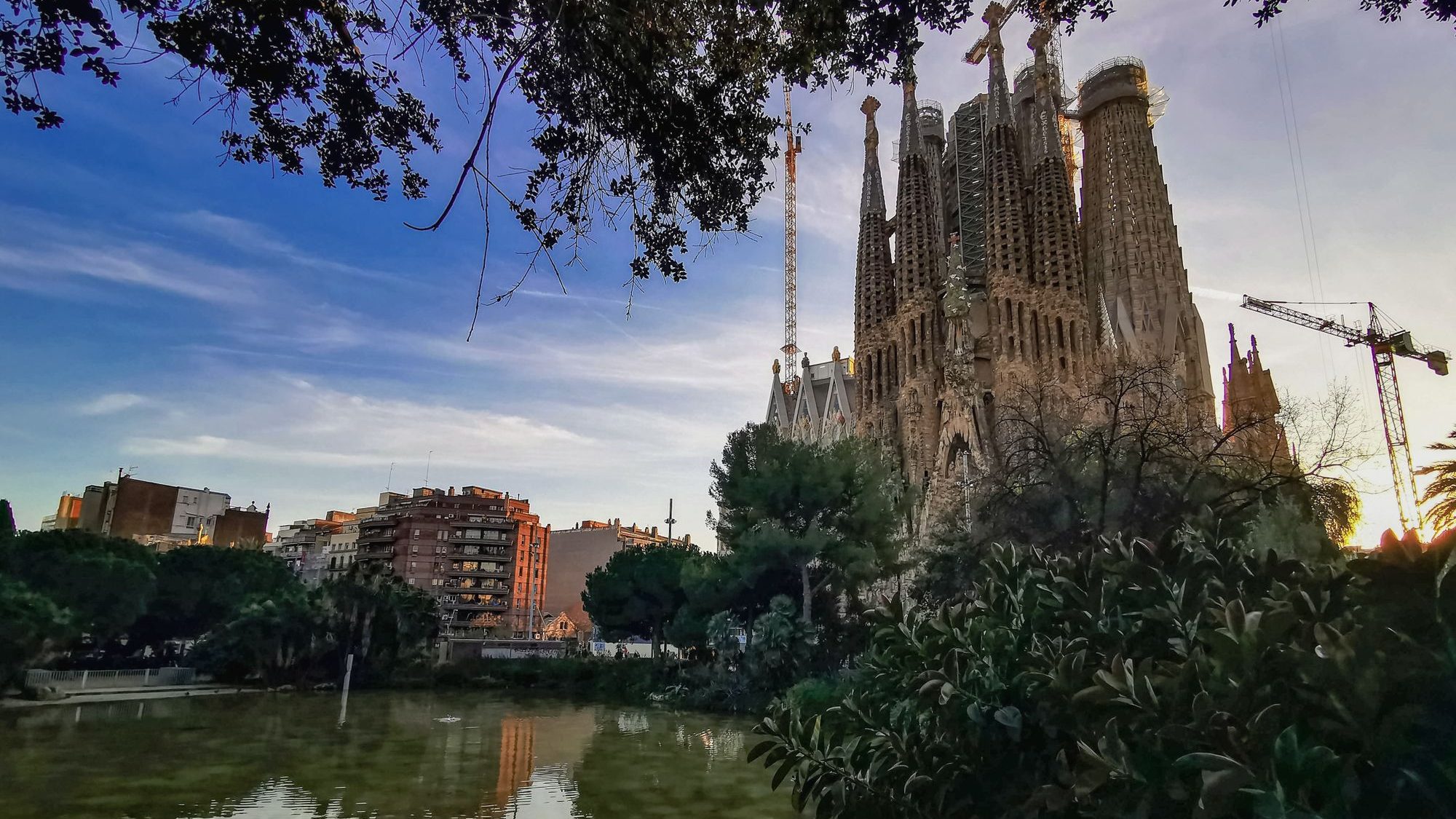
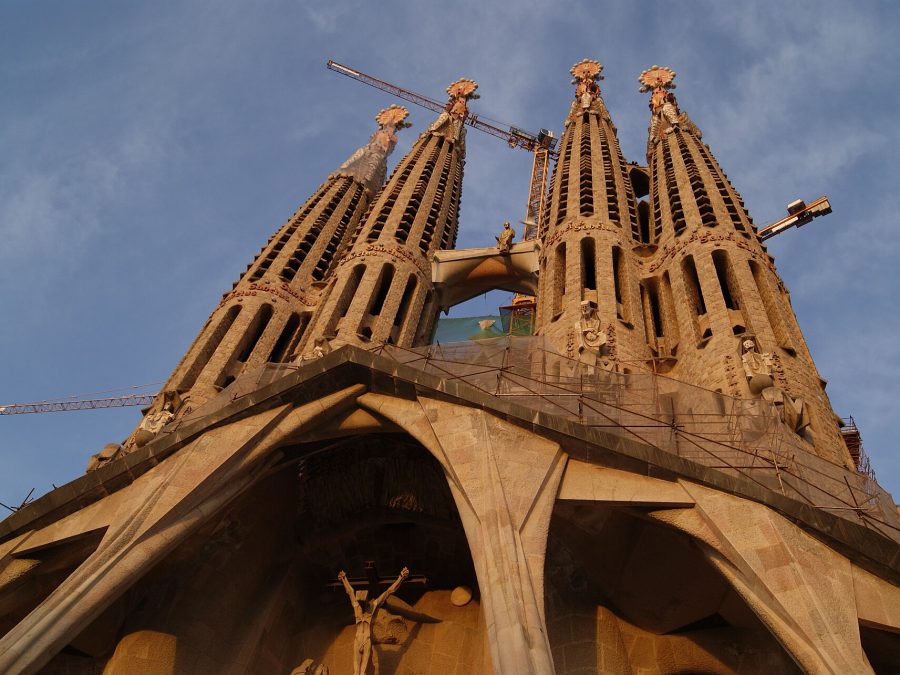
Gaudí's basilica, its central Tower of Jesus Christ now complete, rises above the Eixample. Inside, columns branch like trees and stained glass washes the nave in colour.
Book an early named slot, bring ID, allow 90 minutes.
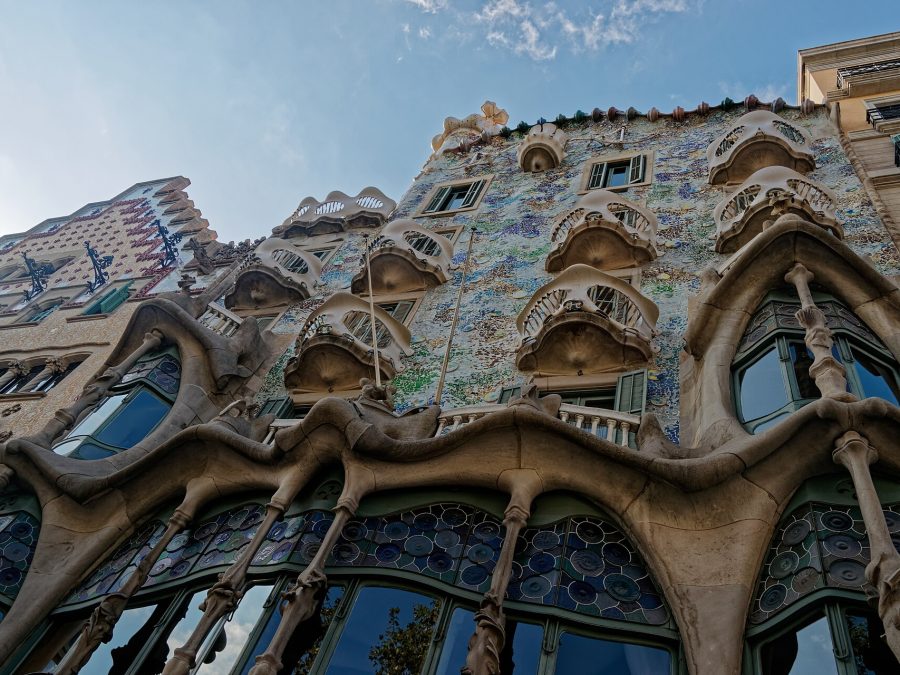
Txllxt TxllxT / Wikimedia Commons, CC BY-SA 4.0 Casa Batlló
Gaudí's house on Passeig de Gràcia, with bone-like balconies and a roof covered in dragon scales, is one of the most playful buildings in Europe.
Rooftop access needs a higher ticket tier.
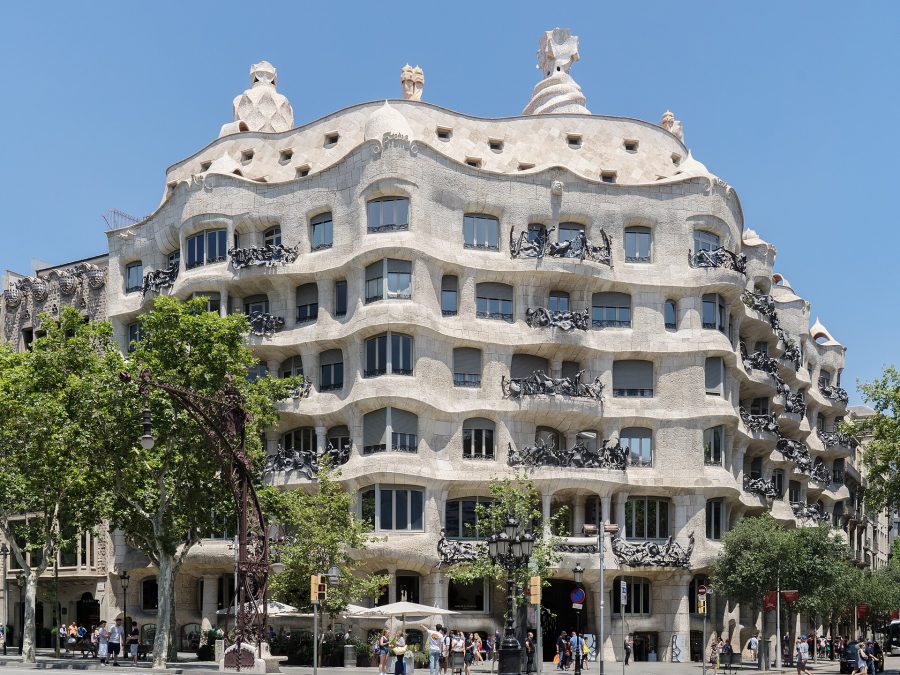
Thomas Ledl / Wikimedia Commons, CC BY-SA 4.0 La Pedrera
An undulating stone façade a few blocks up from Casa Batlló, crowned by a rooftop of sculpted chimneys that is memorable at dusk on an after-dark visit.
Book a timed slot; the rooftop closes in rain.
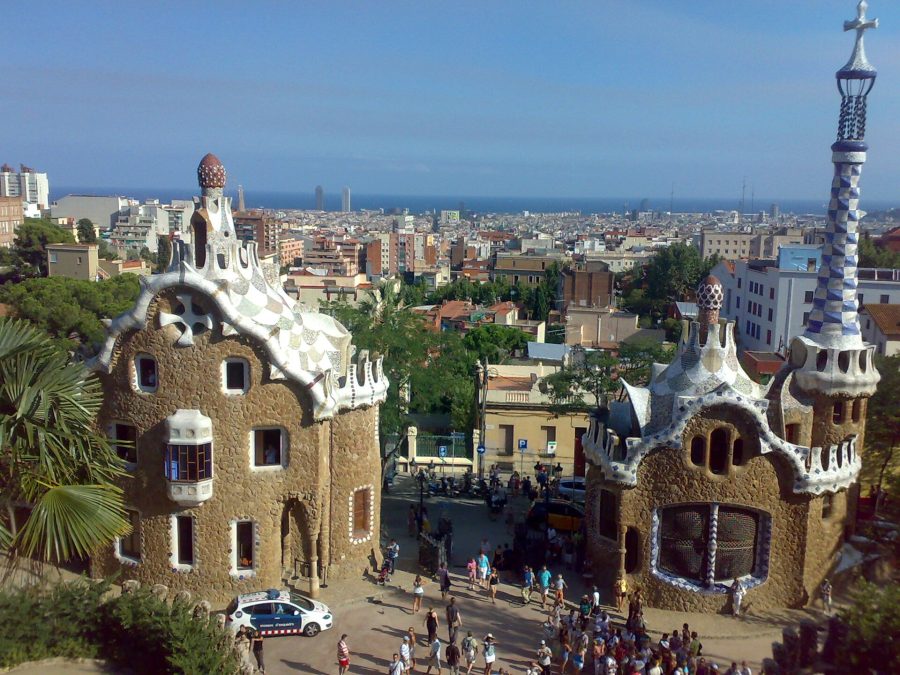
essetefano / Wikimedia Commons, CC BY 3.0 Park Güell
The Monumental Zone holds the famous mosaic terrace and dragon staircase, with views down over the city, and the wooded park above is free to wander.
Take the first timed slot of the day.
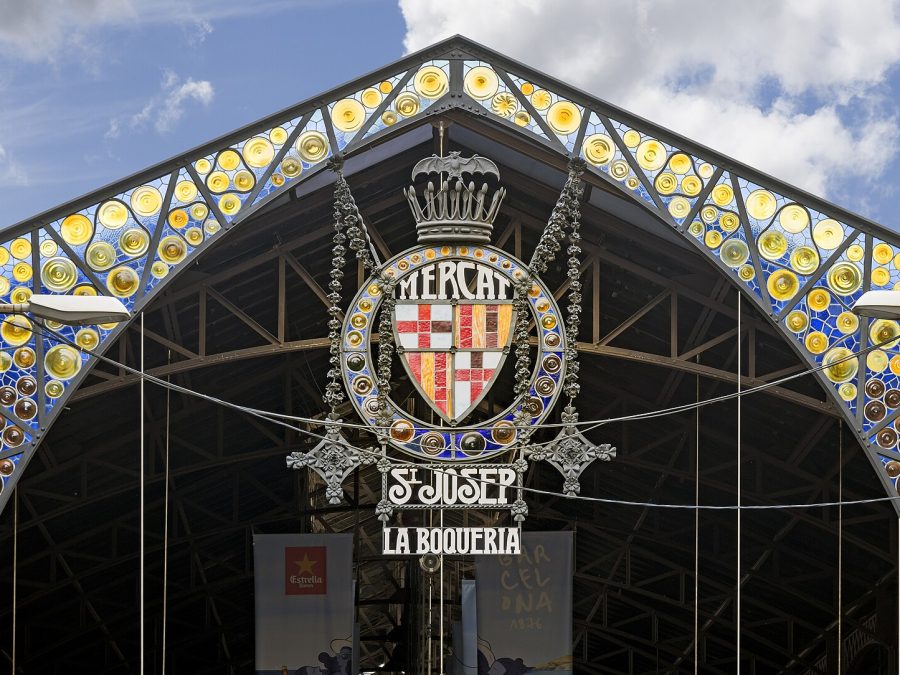
Didier Descouens / Wikimedia Commons, CC BY-SA 4.0 La Boqueria
The market off La Rambla, where you eat lunch perched at counters such as Bar Pinotxo and El Quim, surrounded by stalls piled with produce.
Go before 11am; closed on Sundays.
Jun O / Wikimedia Commons, CC BY-SA 3.0 Gothic Quarter
A tangle of medieval lanes around the cathedral, opening onto Plaça Reial and the quiet Plaça Sant Felip Neri, with the old Jewish quarter of El Call tucked inside.
José Luis Filpo Cabana / Wikimedia Commons, CC BY 3.0 Santa Maria del Mar
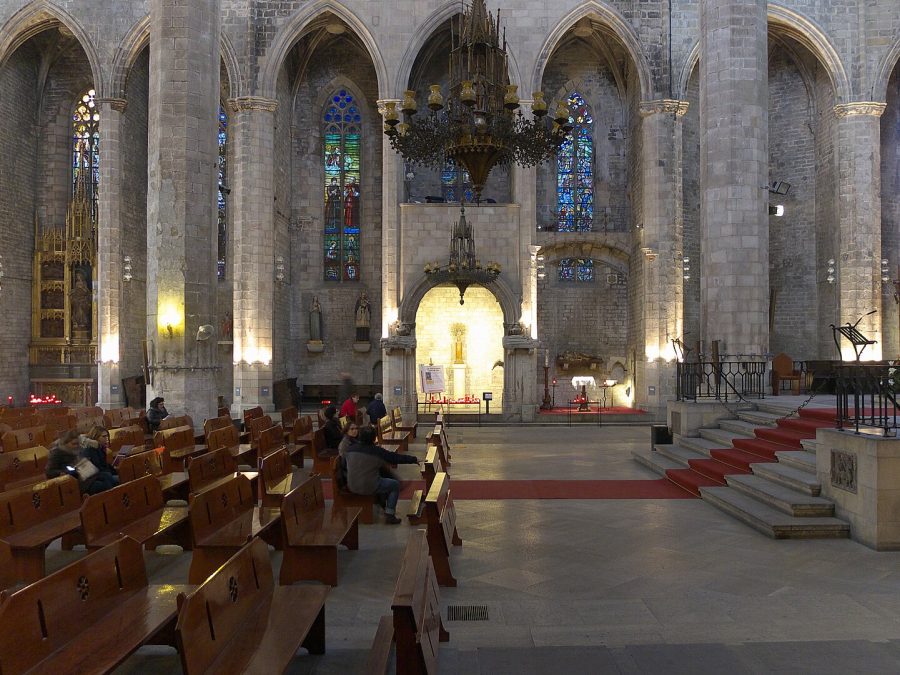
The Gothic church of El Born, built by the neighbourhood's sailors and dock workers. Its plain, soaring nave is the perfect contrast to Gaudí's exuberance.
Kippelboy / Wikimedia Commons, CC0 Fundació Joan Miró
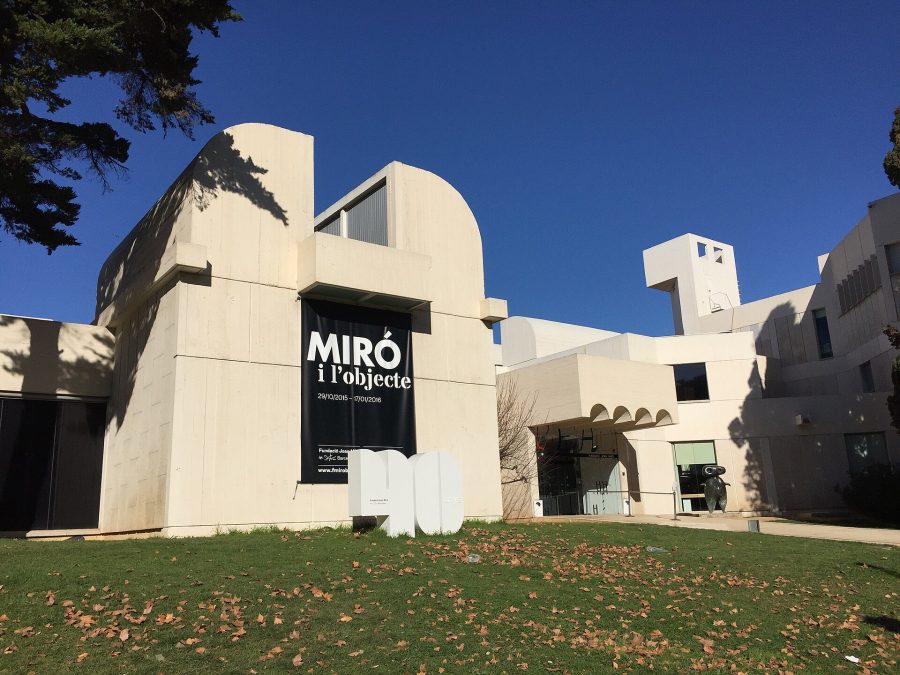
Miró's museum on Montjuïc, reached by funicular, pairs bold colour inside with a sunset view over the whole city from the hill.
Closed on most Mondays; go for the evening light.
The 48-hour route
Day 1
Morning: Start at the Sagrada Família with an early slot. Tickets are sold online only. Individual visitors enter on Carrer de la Marina, by the Nativity façade. Allow at least 90 minutes, longer if you add a tower. The basilica can change its hours at short notice for special events, so check the official site on the morning of your visit. Our Sagrada Família visit guide covers tickets, towers and what to see.
Afternoon: Walk or take the metro to Passeig de Gràcia, the Eixample’s grand avenue. Visit Casa Batlló, with its bone-like balconies and dragon-scale roof. Tickets are timed, and you get 15 minutes from the start of your slot to enter. Rooftop access needs a higher ticket tier than the basic visit. A few blocks up is Casa Milà, La Pedrera, whose undulating stone façade and rooftop chimneys are just as striking. Book a timed slot; the rooftop closes in rain.
Evening: Stay in the Eixample for a tapas dinner or head down to El Born for wine bars and narrow streets.
Tip: Book Casa Batlló or La Pedrera for an evening experience. Both offer after-dark visits, and the rooftops at dusk are memorable.
Day 2
Morning: Start at Park Güell. Tickets are timed, sold in slots from 9.30am, and you can enter up to 30 minutes after your slot starts; after that you lose your place. Once inside you can stay as long as you like, but you can’t re-enter. Every visitor needs a ticket, including small children. The early-morning and evening hours are reserved for local residents. From Lesseps or Vallcarca metro it’s an uphill walk, or bus 24 takes you to a flatter entrance.
Afternoon: Head down to La Rambla and the Boqueria market for lunch at one of its counters. Then lose yourself in the Gothic Quarter: the cathedral, Plaça Reial, Plaça Sant Felip Neri and the old Jewish quarter of El Call. Cross Via Laietana to El Born and the Gothic church of Santa Maria del Mar, built by the neighbourhood’s sailors and dock workers. Its plain, soaring nave is the perfect contrast to Gaudí’s exuberance. Finish with a stroll through the Parc de la Ciutadella, with its monumental fountain, then a drink in one of El Born’s small squares.
Evening: Take the funicular up to Montjuïc for the Fundació Joan Miró; it keeps shorter hours in winter, so check the museum’s site before you go. Watch the sunset over the city from the hill, then head down to Poble Sec for dinner. Carrer de Blai is lined with pintxos bars.
Tip: Visit the Boqueria before 11am, when the stalls are full and the crowds are thinner. The market doesn’t open on Sundays.
Barcelona in winter 2026–27
Winter is a good time for the Gaudí sites: shorter queues, low sun on the façades and long lunches without the summer heat. This year the city is also European Christmas Capital, so expect a bigger festive programme than usual. This is what the official pages say for November 2026 to March 2027.
| Sight | Winter hours | Special days | How entry works |
|---|---|---|---|
| Sagrada Família | Nov–Feb: Mon–Sat 09:00–18:00, Sun 10:30–18:00. March: Mon–Fri 09:00–19:00, Sat 09:00–18:00, Sun 10:30–19:00 | 25 and 26 Dec, 1 and 6 Jan: 09:00–14:00 | Online tickets only; individual entrance on Carrer de la Marina |
| Park Güell | Open all year; visitor slots from 09:30 to 17:30 | None listed | Timed slots, 30 minutes’ grace to enter, no re-entry |
Sagrada Família
The basilica’s management can change times at short notice for special events, so check the official hours page the day before. Interior cladding of the Tower of Jesus Christ and the installation of a lift were still under way when the basilica last reported on the works. It has not published a completion date for the whole building.
Park Güell
The early slots before 9.30am and the evening hours from 6pm are kept for residents, so tourist visits fit inside the daytime window. The first slots of the day are usually the calmest.
Christmas and the Three Kings
- Fira de Santa Llúcia: Barcelona’s oldest Christmas fair fills the streets around the cathedral with stalls of nativity figures and Christmas decorations. The 2025 edition ran from 28 November to 23 December, open daily from 10am to 9pm. By late October the city had not published the 2026 dates; check guia.barcelona.cat nearer the time.
- Christmas lights: The city lights around 130 km of streets, including the main shopping axes. New for 2026–27 are a poem written in lights along Passeig de Maragall and light rays on Rambla de Prim. The official switch-on date had not been announced by late October.
- Cavalcada de Reis, 5 January: The Three Kings arrive by sea on the afternoon of 5 January, then parade through the centre that evening. Arrive early for a kerbside spot. The city had not published the 2027 route or times by late October.
Tip: On 25 and 26 December and on 1 and 6 January the Sagrada Família closes at 2pm, so book a morning slot on those days.
Tourist tax and access rules
A Catalan law in force from 1 April 2026 raised the tourist-stay tax in Barcelona, and the city can add its own surcharge. It is charged per night by your hotel or apartment, or on your cruise. No new caps or timed-entry rules for the Gothic Quarter or La Rambla had been announced on official pages for winter 2026–27.
Where to stay
- Eixample: Elegant streets, modernista buildings and good transport links. Best for first-timers and architecture lovers.
- El Born: Atmospheric lanes, bars and boutiques near the old town. Best for couples.
- Gothic Quarter: In the heart of the old city, steps from the main sights. Best for short stays, though it can be noisy at night.
- Gràcia: Village-like squares, independent shops and a local feel. Best for repeat visitors and families.
What to eat and drink
- Pa amb tomàquet: Bread rubbed with ripe tomato, olive oil and salt, the base of many meals.
- Bombas: Fried potato balls filled with meat, served with aioli and spicy sauce. A Barceloneta speciality.
- Patatas bravas: Fried potatoes with spicy sauce and aioli.
- Seafood rice: Paella or arròs negre, made with squid ink. Best at lunch, near the sea.
- Vermut: Vermouth on tap with olives and crisps, a weekend ritual before lunch.
- Cava: Catalonia’s sparkling wine, poured by the glass in old-style bars.
For tapas, Cal Pep near Plaça de les Olles is famous for its seafood and fried fish at the counter; arrive early, as bar seats can’t be reserved. El Xampanyet on Carrer de Montcada pours house cava with anchovies and cured meats, and is closed on Sundays. La Cova Fumada in Barceloneta claims to have invented the bomba; it takes cash only and is closed at weekends. In the Boqueria, Bar Pinotxo and El Quim de la Boqueria serve breakfasts and lunches at their counters. In Gràcia, Bar Bodega Quimet is a neighbourhood bar with vermouth on tap.
Getting around
The metro is fast and covers most sights, and the old town is best explored on foot. Passeig de Gràcia, the Sagrada Família and Park Güell’s nearest stations are all on the network.
From El Prat airport, take the Aerobús to Plaça de Catalunya or metro line L9 Sud into the city. Trains from Sants station connect Barcelona with Madrid, Valencia and France.
Pickpockets work the metro, La Rambla and the beach. Keep your phone and wallet zipped away, especially in crowds.
Good to know
- Book Gaudí sites ahead: The Sagrada Família, Park Güell, Casa Batlló and La Pedrera all use timed tickets. Popular slots sell out days or weeks ahead.
- Online only: Sagrada Família tickets are sold online only, with no ticket desk at the door.
- Weather: La Pedrera’s rooftop closes in rain, and the Sagrada Família can change its hours at short notice.
- Meal times: Lunch runs from about 2pm and dinner rarely before 9pm. Vermouth fills the late-morning gap.
- Mondays: Several museums, including the Fundació Miró, close on Mondays; check before you plan.
- What’s on: Check this weekend for events and news for any changes.
FAQ
Is the Sagrada Família finished?
Not yet. The Tower of Jesus Christ was topped out in February 2026 and blessed by Pope Leo XIV on 10 June 2026, but interior work and a lift are still in progress, and no completion date has been published.
Is the Sagrada Família open on Christmas Day?
Yes, but only in the morning. On 25 and 26 December and on 1 and 6 January it opens from 9am to 2pm.
Do I need to book Park Güell in advance?
Yes. Tickets are timed, every visitor needs one, and you must enter within 30 minutes of your slot. Once you leave, you can’t go back in.
When is the Fira de Santa Llúcia in 2026?
The city had not published the 2026 dates by late October. The fair usually runs from late November to just before Christmas around the cathedral; the 2025 edition ran from 28 November to 23 December.
Is there a tourist tax in Barcelona?
Yes. It is charged per night on hotel, apartment and cruise stays, and a Catalan law raised it from 1 April 2026. Your accommodation adds it to the bill.
How many days do you need in Barcelona?
Two days covers the main Gaudí sites, the Gothic Quarter and Montjuïc. Add a third day for the beach, Montserrat or Girona.
For more of Spain, see our best holiday destinations in Spain, or browse the best city breaks in Europe.