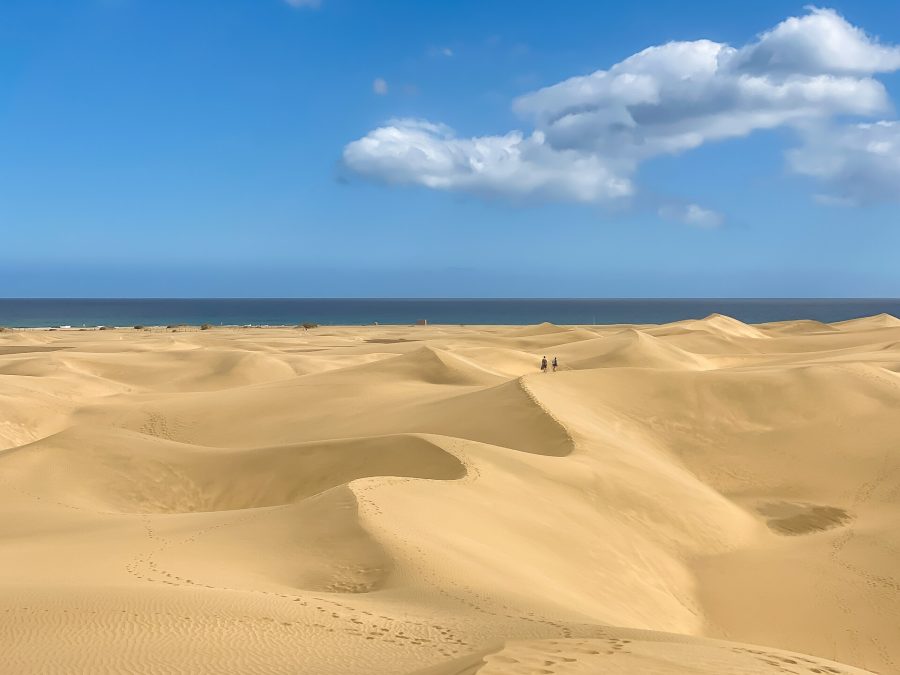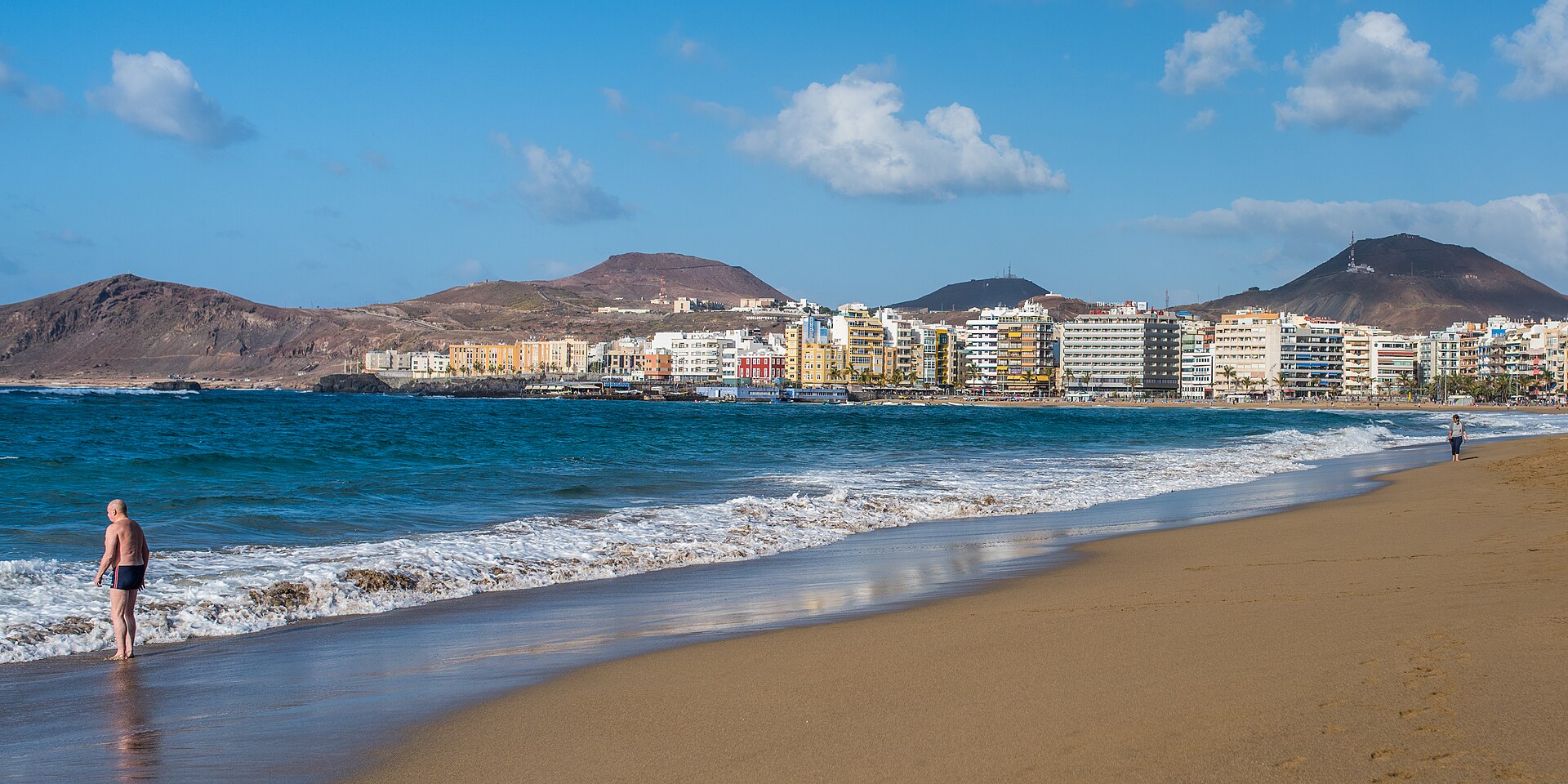
February is when the days start to stretch, and a few hours’ flight south turns that into real warmth. We ranked seven places by their official February averages, taken from each country’s national weather service, so you can choose a weekend on facts rather than brochure promises. They suit anyone who wants sun on their face, a long lunch outdoors and a proper town to explore.
How we ranked them
Every figure below comes from a national meteorological service: AEMET for Spain and the Canaries, IPMA for Portugal and Madeira, and Malta’s Meteorological Office. We used the long-term average daytime high for February where it is published, and named the weather station and period each time. AEMET’s normals cover 1981–2010 and IPMA’s cover 1991–2020, so treat differences of half a degree as a tie.
Two honest caveats. These are averages, not forecasts, and any February can bring a cool, wet spell. And the sea is still at its winter coolest, so a swim is a brisk dip for most people rather than a lazy float.
Warmest places in Europe in February: 7 picks ranked
1. Gran Canaria, Spain
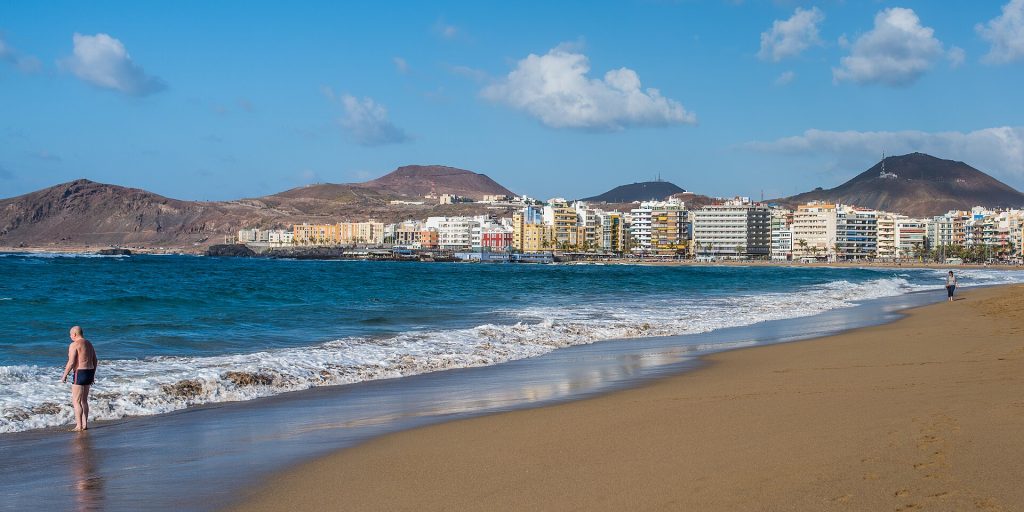
Gran Canaria and Tenerife share the top spot, but Gran Canaria edges it on sunshine. At AEMET’s Gran Canaria Airport station, on the east coast between Las Palmas and the southern resorts, February averages a high of 21.2°C and a low of 15.0°C (1981–2010). It also logs about 191 hours of sunshine, the most of the stations here that publish it, and around three days of rain.
Las Palmas pairs the old quarter of Vegueta with the long city beach of Las Canteras, made for a morning walk along the promenade. The city’s carnival runs from 22 January to 28 February 2027, according to the advance programme on the official carnival site, so a February weekend may land on a parade or a street party. Our guide to which Canary Island is best compares the islands.
Best for: The sunniest February weekend in Europe, with a city beach attached.
2. Santa Cruz de Tenerife, Spain
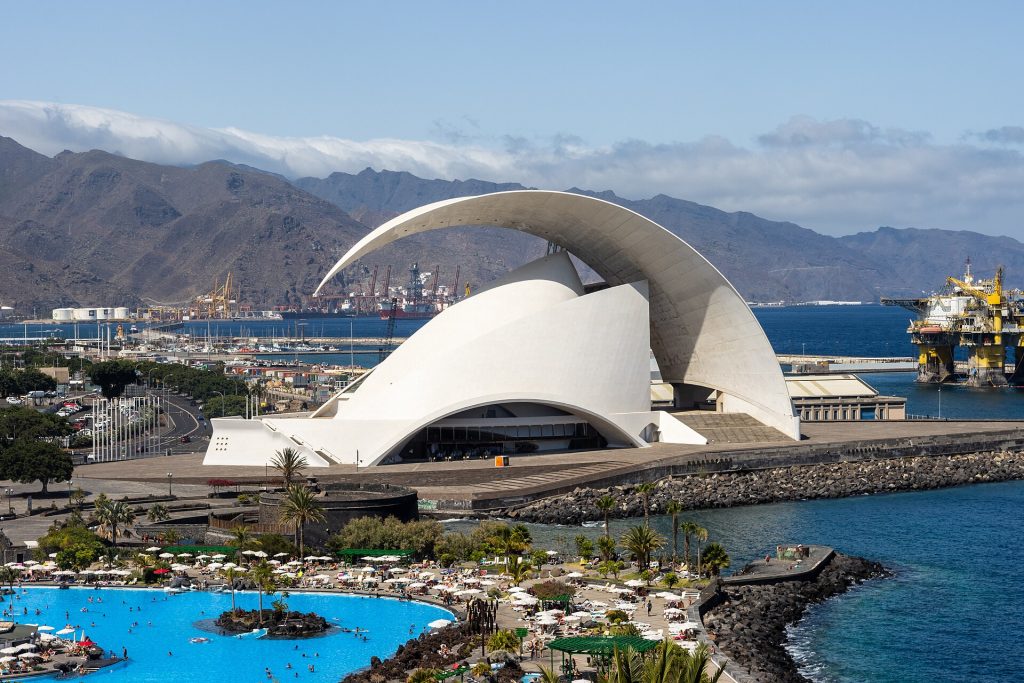
Santa Cruz matches Gran Canaria’s daytime warmth and has the mildest nights on this list. AEMET’s Santa Cruz de Tenerife station records an average February high of 21.2°C and an average low of 15.3°C (1981–2010), with about 186 hours of sunshine and around four days of rain.
It is a working port capital rather than a resort, which makes it an easy weekend base. The old university town of La Laguna is a short tram ride uphill and noticeably cooler, and the summit of Mount Teide can be cold and snowy. Our Tenerife weekend guide has a full two-day route.
Best for: Mild evenings and a real city to explore.
3. Funchal, Madeira, Portugal
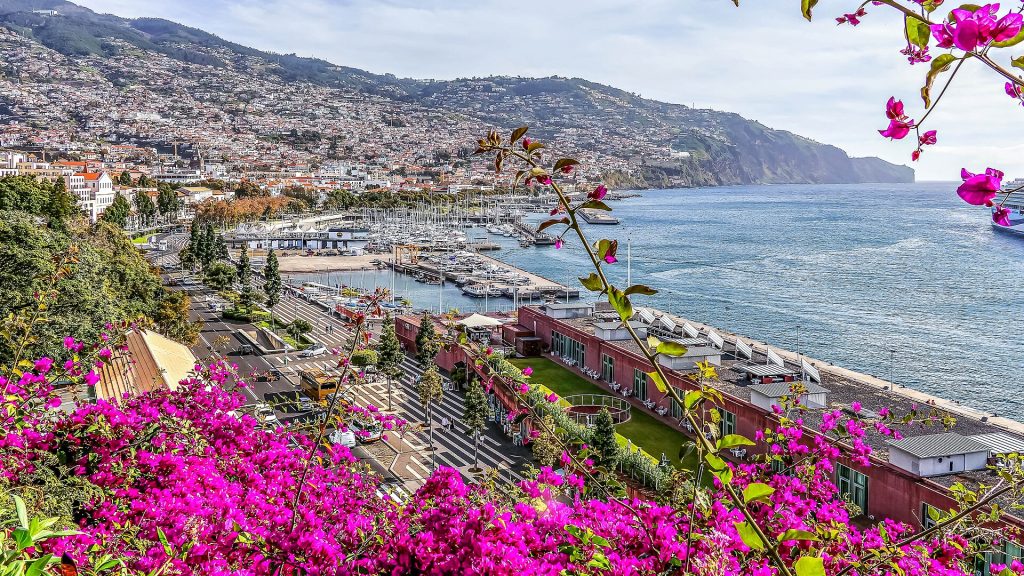
Funchal is only a little cooler than the Canaries. IPMA’s Funchal station gives an average February high of 19.9°C and an average low of 13.9°C (1991–2020). It is wetter, though, with 72.4 mm of rain spread over 5.5 rainy days in the month on average, so expect showers between sunny spells.
February is carnival month here. Madeira’s official 2027 calendar lists entertainment in downtown Funchal from 3 to 14 February, the Allegoric Carnival Parade on 5 and 6 February and the comic Slapstick Parade on 9 February. Outside the festivities, the city climbs from the harbour through gardens to the cable car up to Monte. See our Madeira in winter guide.
Tip: Pack a fleece and a waterproof for any levada walk; the hills are far cooler and cloudier than the coast.
Best for: Carnival, gardens and a mild Atlantic break.
4. Seville, Spain
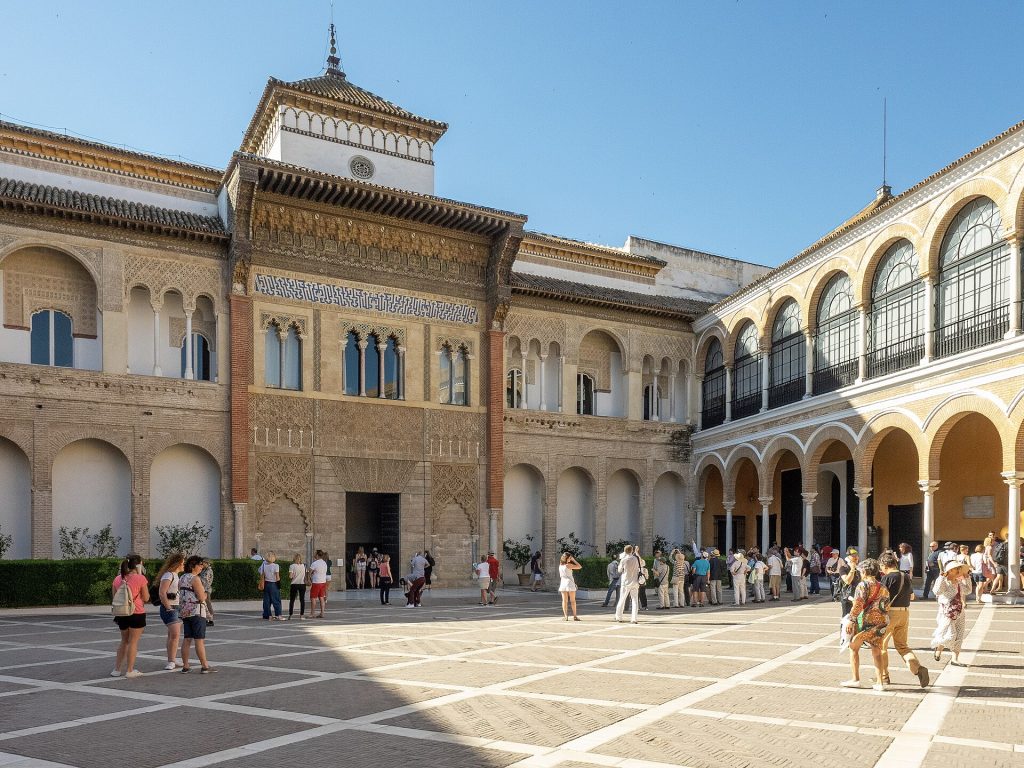
Seville overtakes the coast in February. AEMET’s Seville Airport station records an average February high of 18.1°C, the warmest of the mainland cities we checked, with about 189 hours of sunshine (1981–2010). It is inland, so nights are cold: the average low is 7.0°C, and rain falls on around six days in the month.
Late-winter sun suits the city’s courtyards and orange trees, and you can explore the Real Alcázar and the cathedral without the heat of later months. Bring a proper jacket for the evenings. Our Seville weekend guide has a two-day route.
Best for: Sunshine and Moorish palaces, if you don’t mind chilly nights.
5. Málaga, Spain
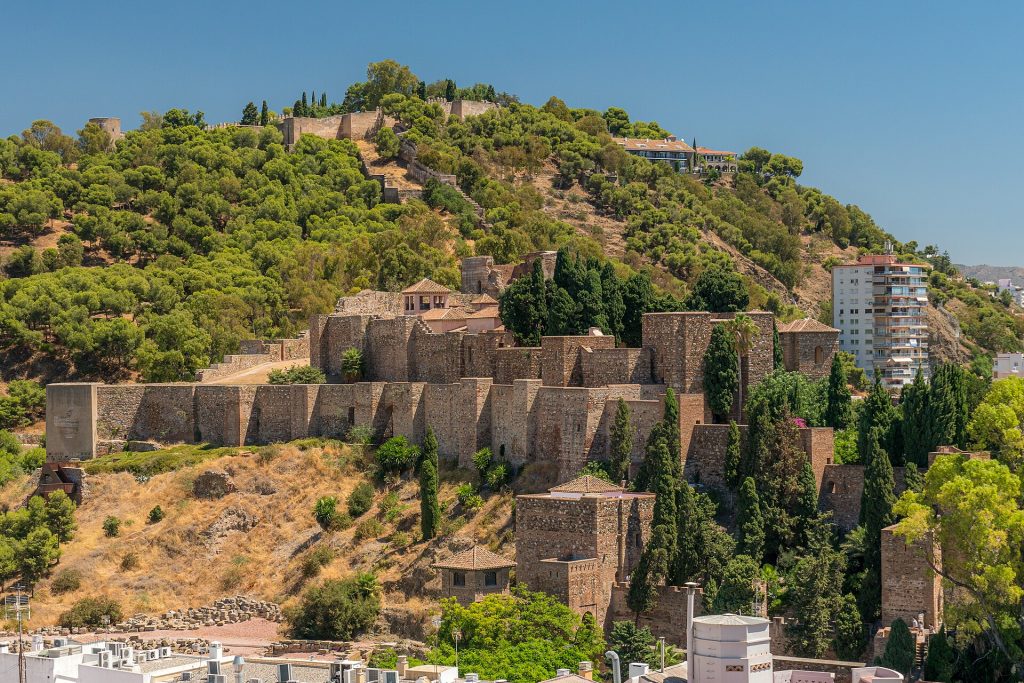
Málaga is close behind Seville by day and milder after dark. AEMET’s Málaga Airport station gives an average February high of 17.7°C and a low of 8.2°C (1981–2010), with about 180 hours of sunshine and around five days of rain.
That is enough for lunch on a terrace and a walk along the port to Malagueta beach. Save the Picasso Museum for a cloudy hour, then climb to the Alcazaba and Gibralfaro castle for the view over the bay. Our Málaga weekend guide has the full plan.
Best for: Museums, tapas and sea air on the mainland.
6. Valencia, Spain
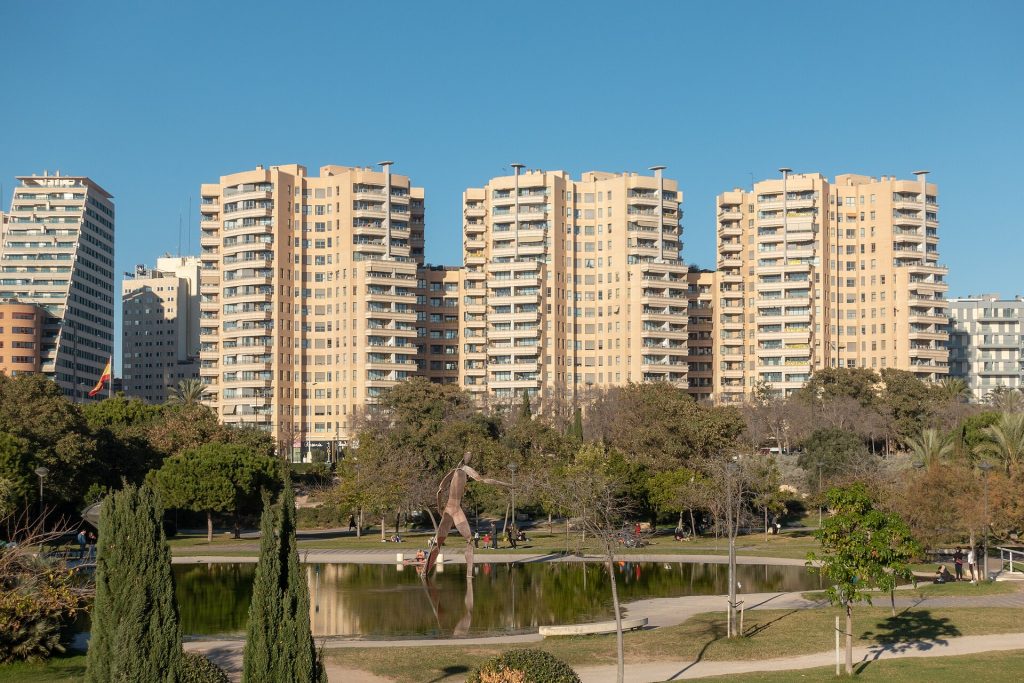
Valencia is the driest pick on the mainland list. AEMET’s València station records an average February high of 17.1°C and a low of 7.8°C (1981–2010), with about 171 hours of sunshine and around four days of rain.
A bright February day suits the long green ribbon of the Turia Gardens, which runs through the old riverbed to the City of Arts and Sciences, then on to the beach for a paella lunch. Our Valencia weekend guide covers the route.
Best for: Gardens, paella and a city beach with few crowds.
7. Valletta, Malta
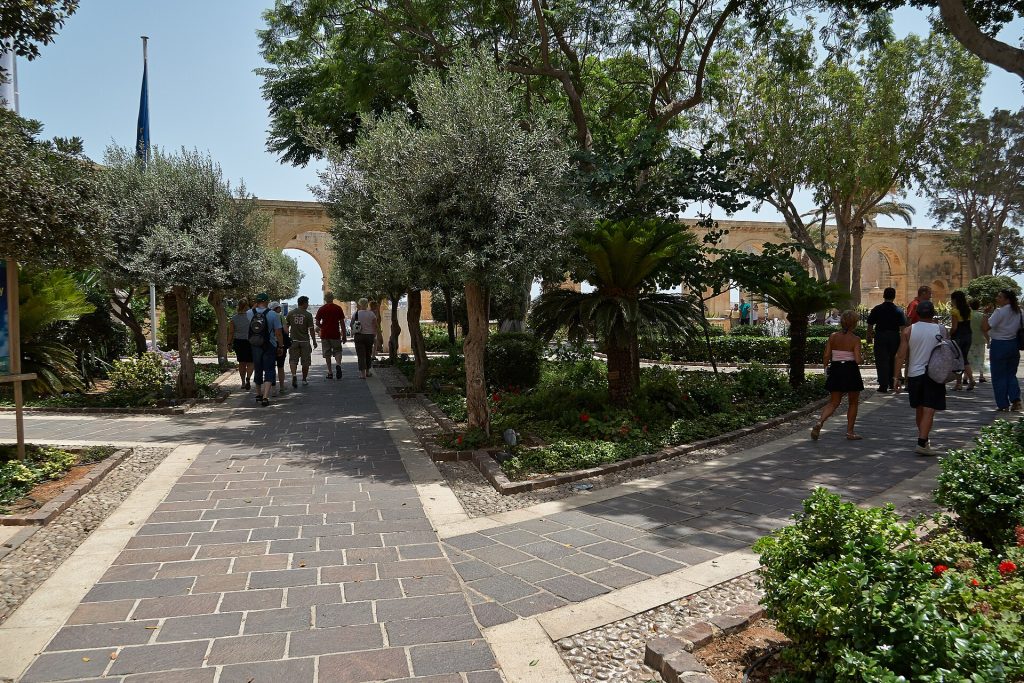
Malta’s Meteorological Office doesn’t publish February temperature norms on its site, so we can’t rank Valletta on the same numbers as the others. What it has published is a February rainfall average of 56.9 mm, so plan for a damp day or two.
February is still a good month to visit, because Malta’s carnival takes over Valletta and Floriana from 5 to 9 February 2027, according to Festivals Malta. Away from the floats, the Upper Barrakka Gardens look over the Grand Harbour to the Three Cities. Our Valletta weekend guide covers the rest.
Best for: Carnival in a small, walkable capital by the sea.
How to choose
For the warmest days, go to the Canaries: Gran Canaria Airport and Santa Cruz de Tenerife both average February highs of 21.2°C, with mild nights. Choose Funchal for gardens, walking and carnival parades, and accept a few more showers. Seville, Málaga and Valencia give you highs of 17–18°C, lots of sun and much colder evenings, with more culture packed into a weekend. Valletta is the pick for carnival in a compact capital.
Carnival dates shape February more than any other month. Funchal’s parades fall on 5, 6 and 9 February 2027, and Malta’s carnival runs from 5 to 9 February, so that weekend is lively but busier. For a quieter break, aim for the second half of the month in either place. If you’re planning a little earlier, see our warmest places in Europe in January.
Tip: On Gran Canaria and Tenerife, the south is usually sunnier and drier than the north, so choose your base with that in mind.
FAQ
What is the warmest place in Europe in February?
The Canary Islands. AEMET’s normals give both Gran Canaria Airport and Santa Cruz de Tenerife an average February high of 21.2°C (1981–2010). Funchal in Madeira follows at 19.9°C, according to IPMA (1991–2020).
Where is the warmest city on the Spanish mainland in February?
Of the cities we checked, Seville has the highest February average high, at 18.1°C at Seville Airport (AEMET, 1981–2010). Málaga follows at 17.7°C and has milder nights.
Is it warm enough for the beach in Europe in February?
On the Canaries and Madeira, sitting in the sun at midday is often pleasant, with average highs of about 20–21°C. The sea is still cool, so most people will find a swim short and bracing.
When is carnival in Madeira and Malta in 2027?
Madeira’s official calendar lists the Allegoric Carnival Parade in Funchal on 5 and 6 February 2027 and the Slapstick Parade on 9 February. Festivals Malta gives 5 to 9 February 2027 for Malta’s carnival, centred on Valletta and Floriana.
Is February warmer than January in southern Europe?
Only slightly, and not everywhere. AEMET’s figures give Seville Airport an average February high of 18.1°C against 16.0°C in January, while IPMA’s Funchal normals are a touch lower in February than in January.