Spain does the short break better than almost anywhere in Europe. Flights are short, dinner is late, and every region has its own food, architecture and festivals. These are the best holiday destinations in Spain for a trip of two to four days, with notes on the bookings that can make or break a trip and where to go for winter sun.
The best holiday destinations in Spain
1. San Sebastián, Spain
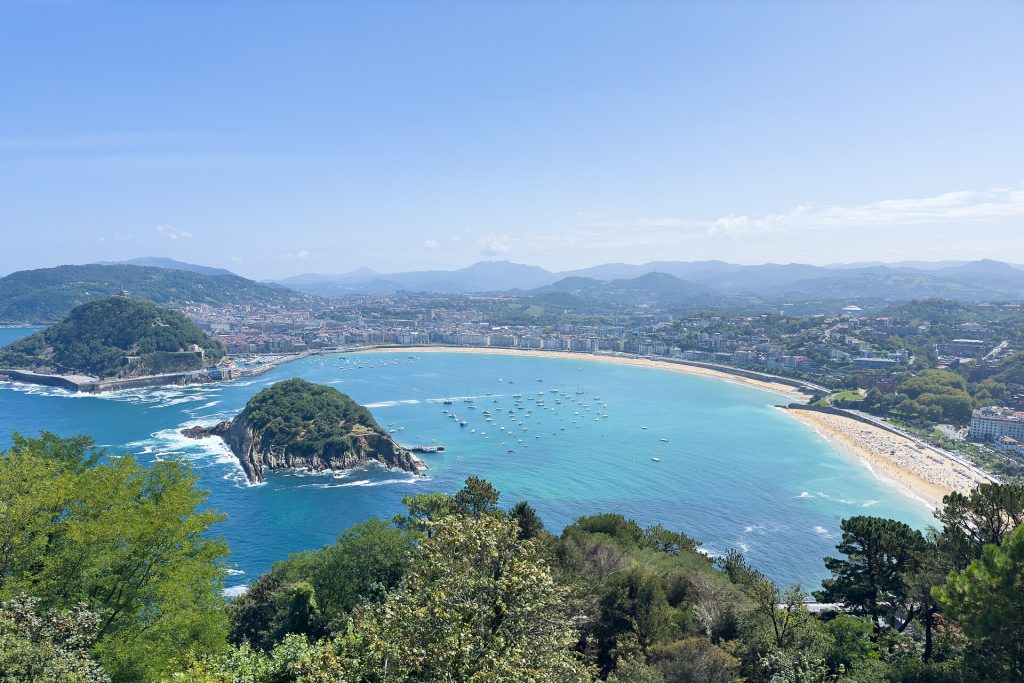
This Basque seaside city curves around La Concha bay, one of the finest urban beaches in Europe. The old town is packed with pintxos bars, where small bites line the counter and you move from bar to bar with a glass of txakoli, the local sparkling white. Walk up Monte Urgull or ride the old funicular up Monte Igueldo for the view over the bay.
Best for: Food lovers and a beach walk before dinner.
2. Seville, Spain
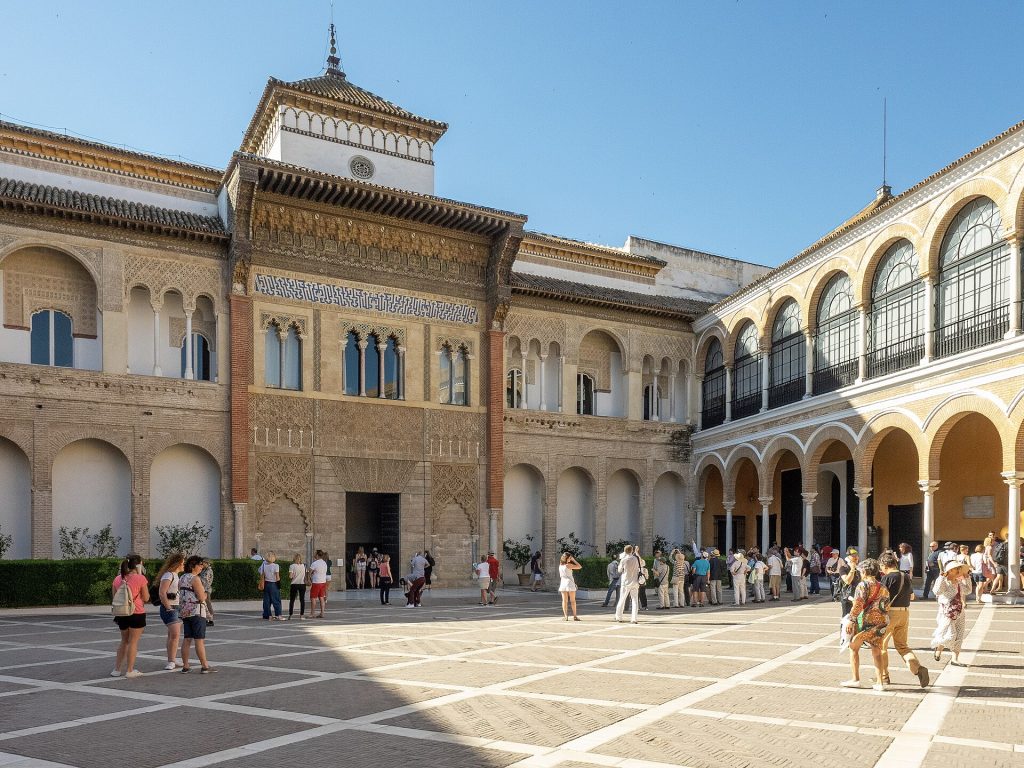
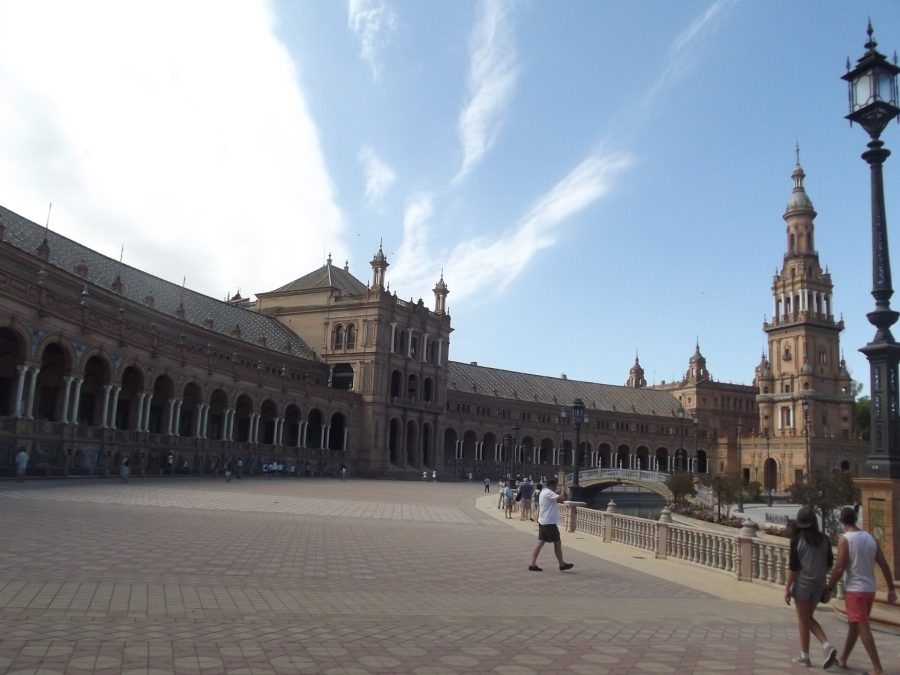
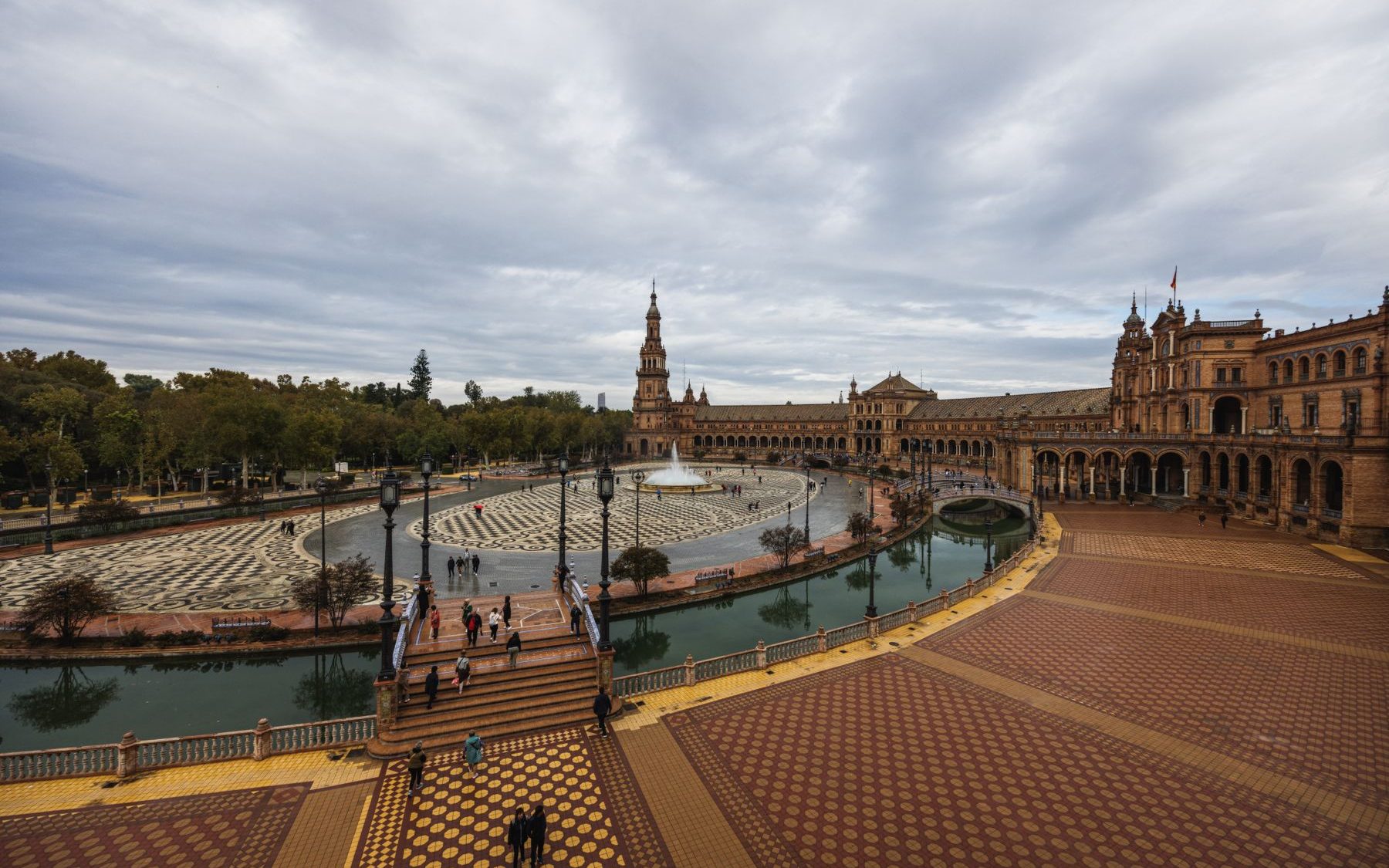
Seville is Andalusia at full volume: orange trees, flamenco, tiled courtyards and one of the world’s largest Gothic cathedrals. The Real Alcázar, a royal palace still in use, is the highlight. Entry is timed and late arrivals aren’t admitted, so book online well ahead, especially in spring and autumn. Avoid July and August if you can, as the heat is fierce.
Best for: Spring and autumn breaks, architecture and evening tapas.
3. Madrid, Spain
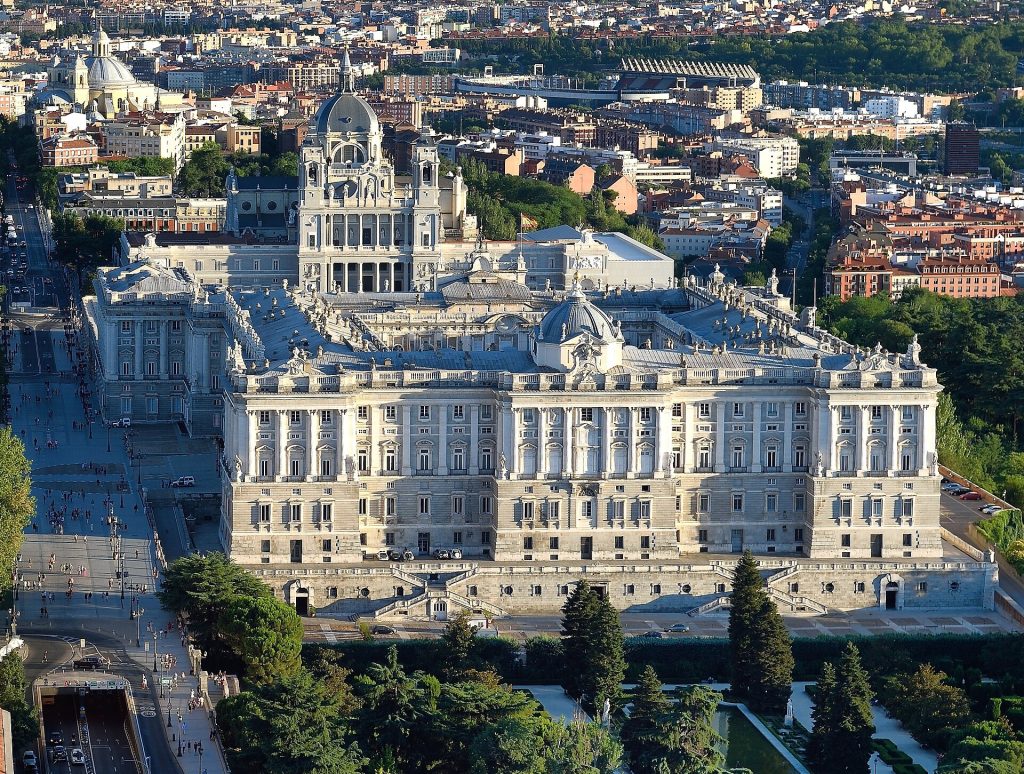
The capital is a city of great art and long nights. The Prado, the Reina Sofía (home of Picasso’s Guernica) and the Thyssen-Bornemisza sit within a short walk of each other on the Paseo del Arte. Build in time for the Retiro park, the Royal Palace and a late dinner in La Latina or Malasaña.
Best for: Art lovers and food-and-nightlife weekends.
4. Barcelona, Spain
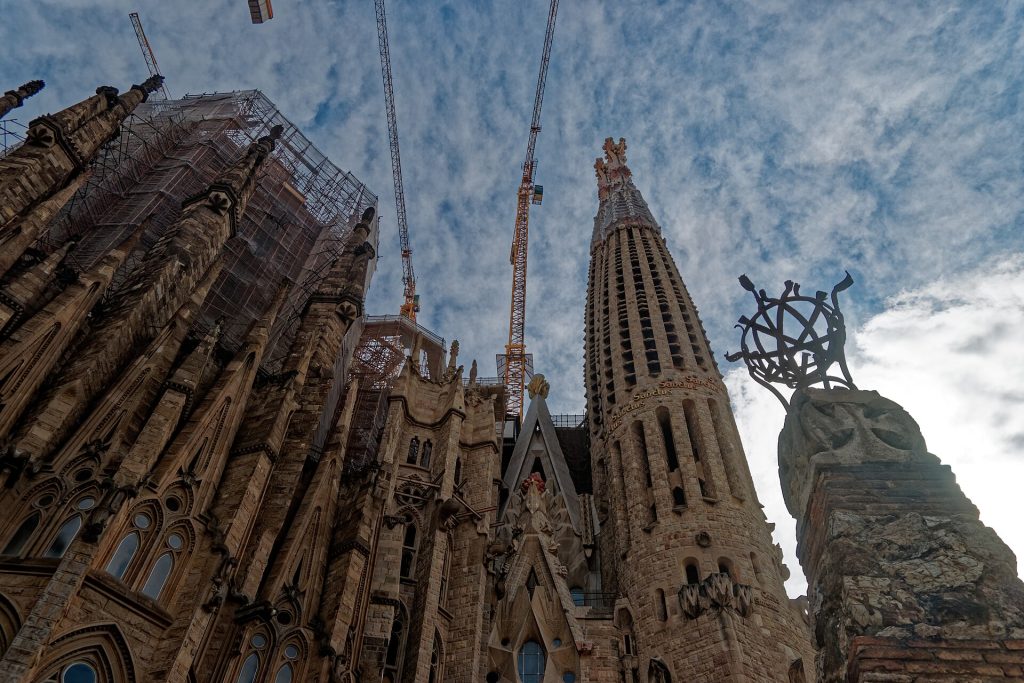
Barcelona mixes Gaudí, a medieval Gothic Quarter and a city beach. The Sagrada Família’s central Tower of Jesus Christ received its cross in February 2026, making the basilica the world’s tallest church, though the tower itself won’t open to visitors before 2027. Book a timed basilica slot two to four weeks ahead in peak season. See our Sagrada Família guide and Barcelona weekend.
Best for: Architecture, city-and-beach combos and first-timers.
5. Granada, Spain
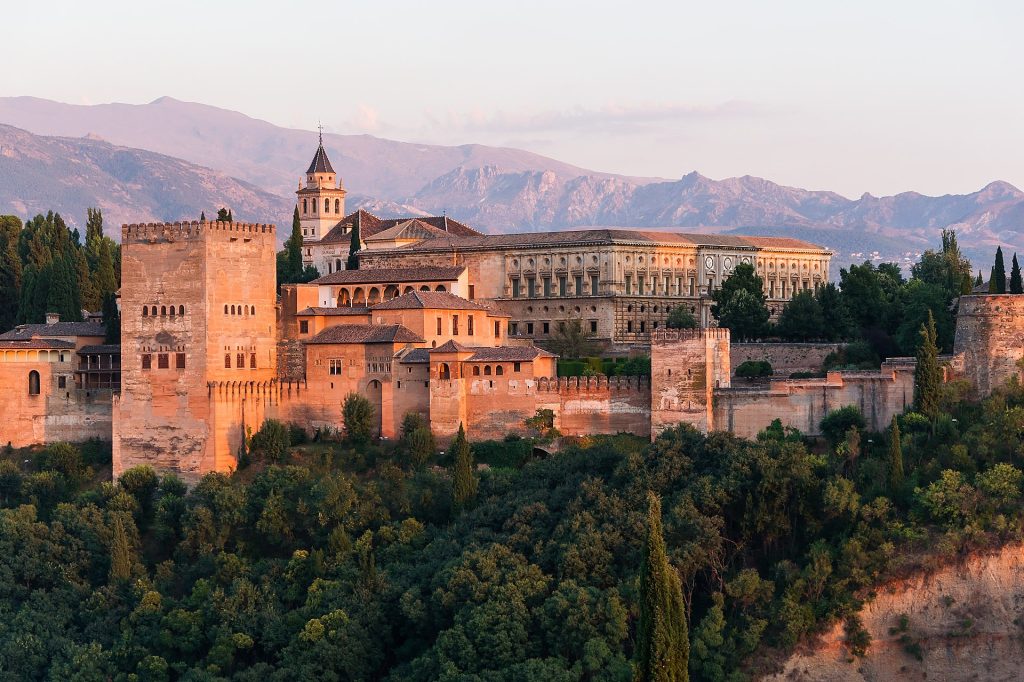
Granada sits beneath the Sierra Nevada, crowned by the Alhambra, the Nasrid palace complex. Your ticket gives a fixed half-hour window for the Nasrid Palaces, and you cannot enter outside it. From April to October, book through the official ticket site at least two to three weeks ahead. Afterwards, climb the Albaicín to the Mirador de San Nicolás for sunset over the palace.
Tip: Book your Alhambra ticket before your flights or hotel. If the date you want sells out, it is far easier to move your trip than to find a ticket.
Best for: History, views and old-school tapas bars.
6. Toledo, Spain
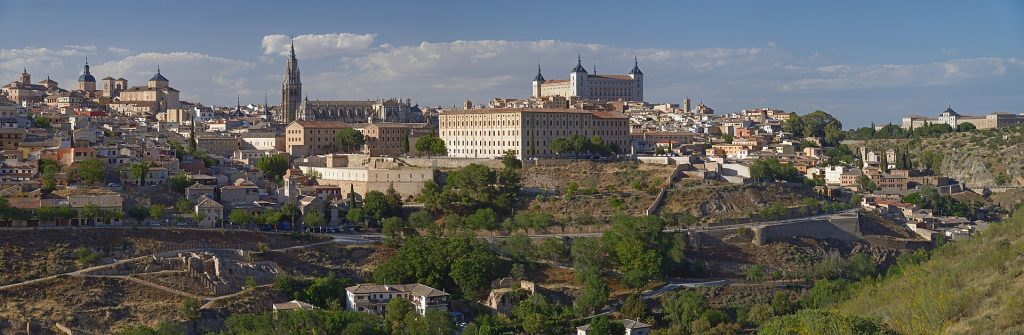
A walled city on a hill above a bend in the Tagus river, Toledo was home to Christian, Muslim and Jewish communities for centuries. Its cathedral, synagogues and El Greco paintings fill a compact old town. It is about half an hour from Madrid by high-speed train, so it works as an add-on or as a quiet overnight stay.
Best for: A day trip or slow overnight from Madrid.
7. Córdoba, Spain
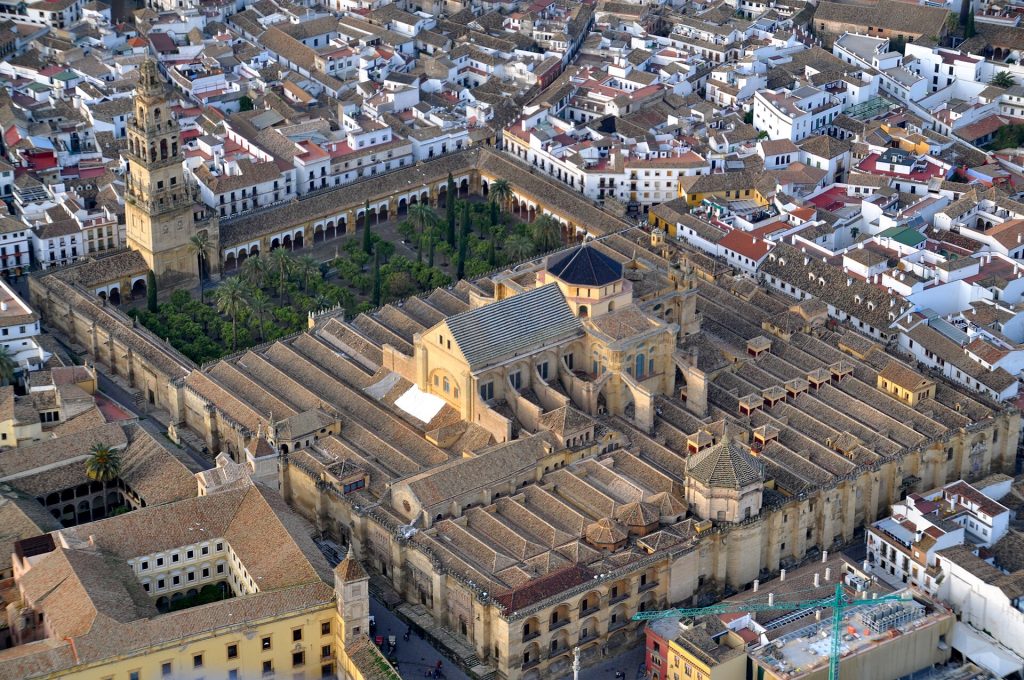
Córdoba’s Mezquita, a great mosque with a cathedral built inside it, is one of the most remarkable buildings in Europe, with its forest of red-and-white arches. Come in spring, when the Patios festival fills the old town’s courtyards with flowers. Córdoba sits on the high-speed line between Madrid and Seville, so it is easy to combine.
Best for: A one- or two-night stop on an Andalusian route.
8. Mallorca, Spain
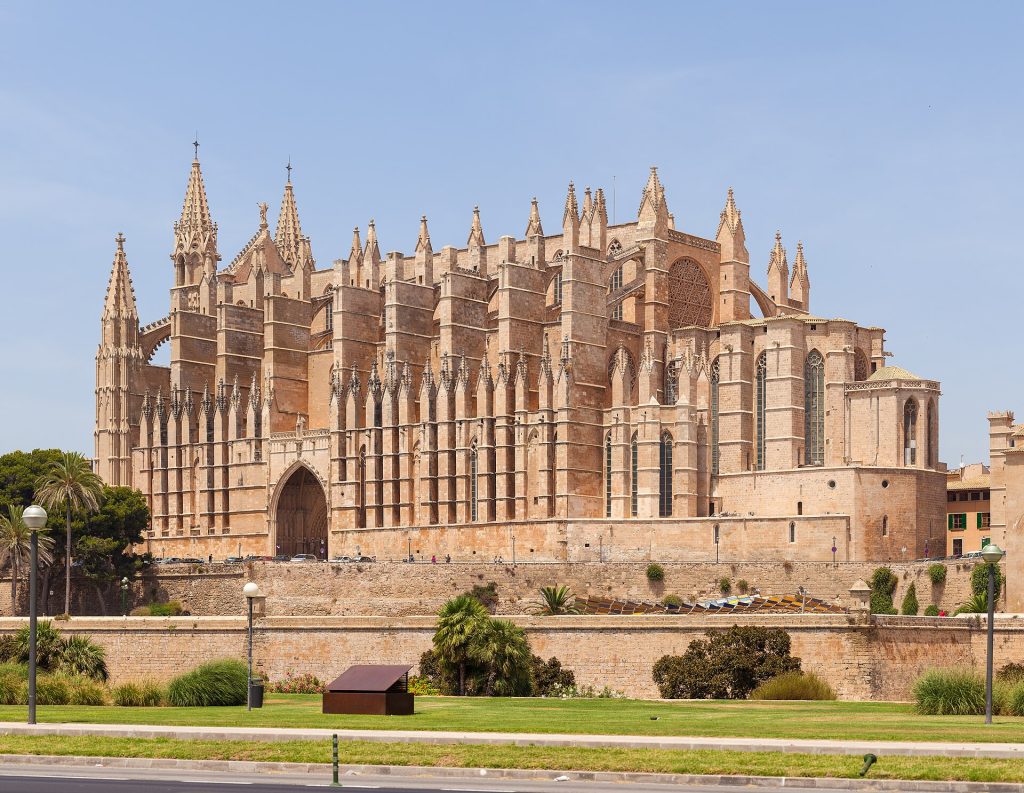
Mallorca is more than beach resorts. Palma has a Gothic cathedral on the seafront and a lively old town, while the Serra de Tramuntana mountains, a UNESCO World Heritage Site, offer hiking and stone villages such as Valldemossa and Deià. From mid-May to mid-October, private cars are restricted on the road to the Formentor lighthouse during the day, so take the TIB bus or go early.
Best for: Sun with substance: city, mountains and coves.
9. Valencia, Spain
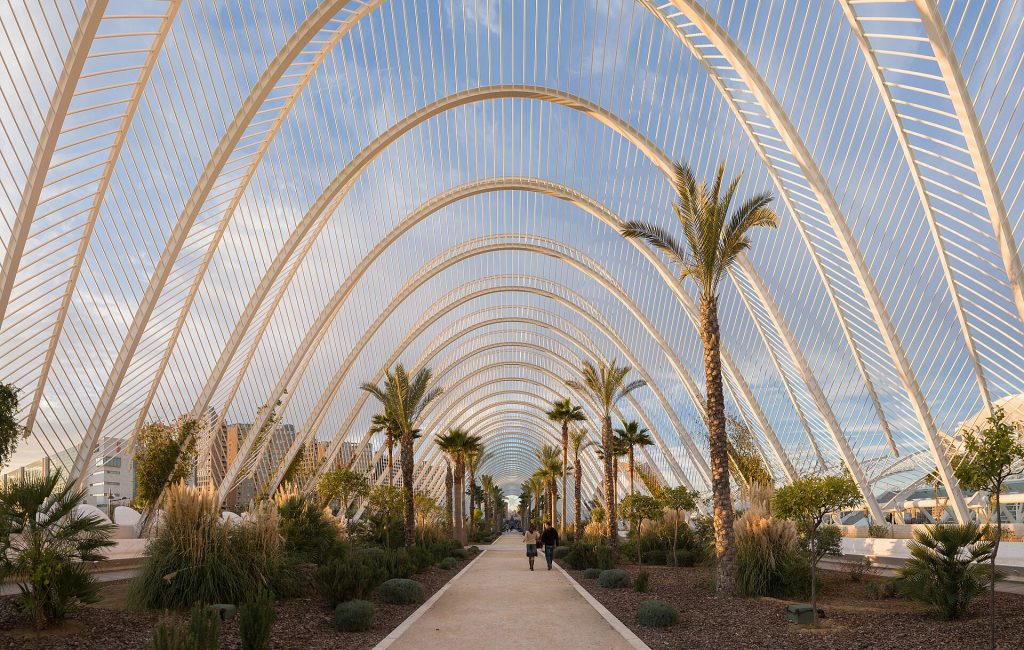
Valencia is the home of paella, which locals eat at lunchtime, never for dinner. The futuristic City of Arts and Sciences contrasts with the old town and its Central Market. The Turia Gardens, a park in a former riverbed, run right through the city and are ideal by bike. The beaches are a short tram ride away.
Best for: Families, cyclists and a city break with a beach.
Spain for winter sun
From November to March, mainland Spain is mild rather than hot. The south and east coasts are the warmest parts of the mainland, and the Canary Islands, off the coast of Africa, are the only part of Spain with reliable beach weather in midwinter.
- Seville and Córdoba: crisp, bright days and quiet monuments. Evenings are cold, so pack a coat. Winter is one of the best times to see the Alcázar without summer heat.
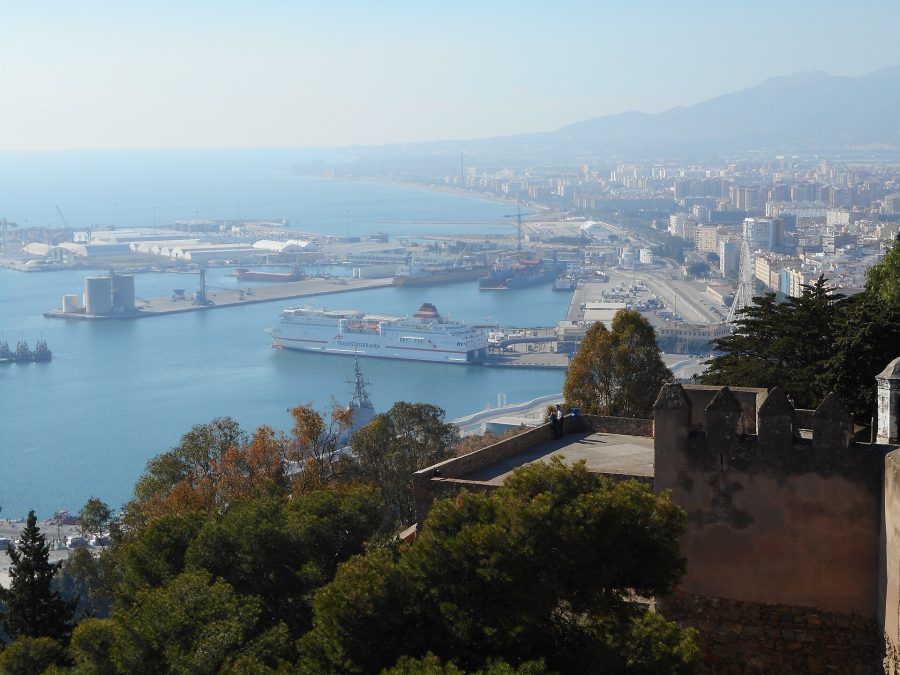
- Málaga and the Costa del Sol: one of the mildest mainland cities in winter, with sunny walks along the seafront and an easy add-on to Granada.
- Valencia: mild, sunny days and the Turia Gardens at their calmest. Fallas, the fire festival, fills the city in mid-March.
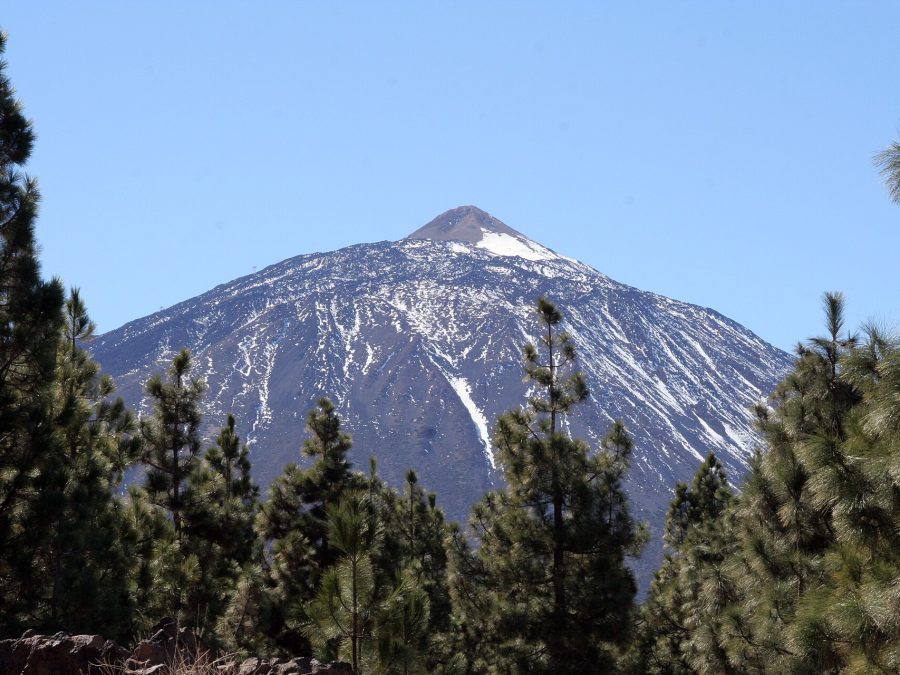
- The Canary Islands: the warmest choice, with beach days possible all winter. Read our Canary Islands guide to pick an island, and our things to do in Fuerteventura for the beach island.
Tip: In winter, choose a hotel with heating. Many older buildings in southern Spain were built for summer, and evenings indoors can be colder than you expect.
How to choose
- For food: San Sebastián first, then Madrid and Valencia.
- For history and architecture: Granada, Seville, Córdoba and Toledo. Link them by high-speed train for a longer trip.
- For a city with a beach: Barcelona, Valencia or San Sebastián.
- For winter sun: Seville and Valencia are mild, but for proper warmth head to the Canary Islands. See our Canary Islands tips.
- For wine: Add a couple of days in La Rioja, an easy drive from San Sebastián.
Tip: Spain eats late. Lunch runs from about 2pm and dinner rarely starts before 9pm. Book restaurants for those hours, not for 7pm.
FAQ
What is the best city in Spain for a weekend break?
Barcelona and Madrid are the easiest for first-timers, with the most flights and sights. San Sebastián is the best for food, and Seville for atmosphere.
When is the best time to visit Spain?
Spring (April to June) and autumn (September to October) are best for cities. Inland Andalusia and Madrid are very hot in July and August, while the north stays milder.
Do you need to book the Alhambra in advance?
Yes. Tickets are timed and often sell out weeks ahead, especially from April to October. Buy them on the official site.
Where is warmest in Spain in winter?
The Canary Islands, where winter days are usually in the low 20s °C and the sea is swimmable for many. On the mainland, Málaga, Almería and the rest of the south coast are generally the mildest, with Valencia and Seville close behind.
Which Spanish destinations can you combine by train?
Madrid, Toledo, Córdoba and Seville are linked by high-speed trains, making an easy four- to five-day route.
For more short-trip ideas, see the best city breaks in Europe or this week’s weekend picks.