New Year’s Day 2027 falls on a Friday, which turns 1 to 3 January into a natural long weekend. If midnight crowds and ticketed street parties don’t appeal, arrive on the 1st instead, or pick a city where the first days of January are about warm water, slow walks and a late breakfast. These seven suit a quieter start, and we’ve checked what is open on New Year’s Day itself.
How to plan a quiet New Year weekend
Many museums, monuments and shops close on 1 January, so the day works best with something outdoors or a bath, a market or a museum that has confirmed it opens. Save the big ticketed sights for Saturday 2 January. Travel on the 1st is often calmer than on the 31st, and a Friday arrival still leaves two full days.
If you want the fireworks after all, our New Year’s Eve in Europe guide covers ten cities that do midnight well.
New Year city breaks: 7 quieter picks for 1 to 3 January 2027
1. Vienna, Austria
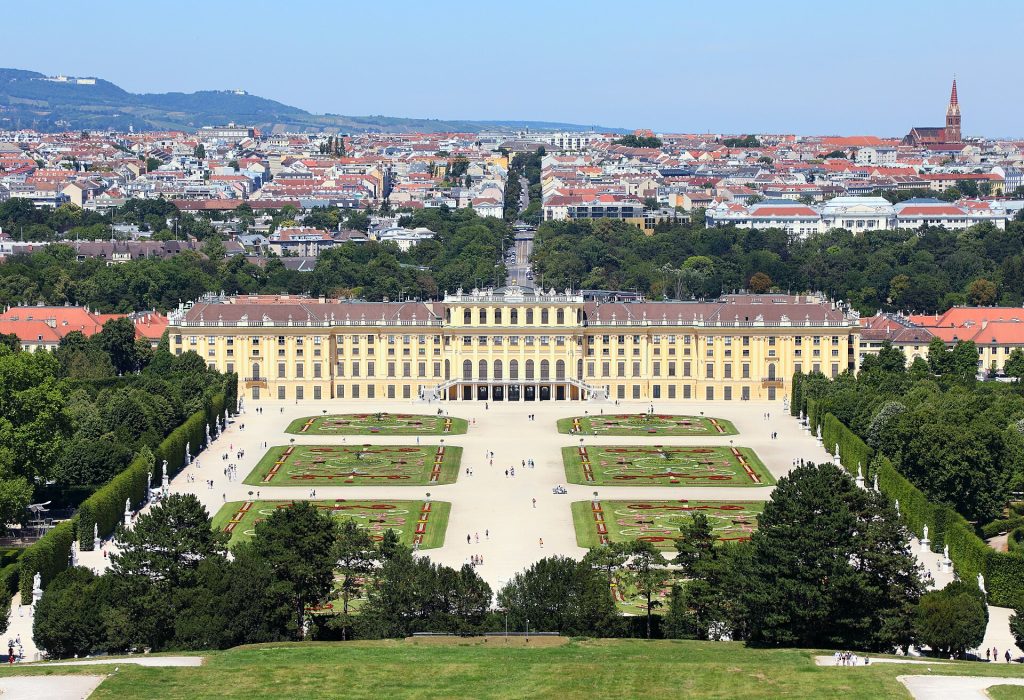
Vienna’s big moment on 1 January happens indoors: the Vienna Philharmonic’s New Year’s Concert at the Musikverein, at 11.15am, conducted in 2027 by Tugan Sokhiev. Tickets are allocated by a raffle on the orchestra’s website, and registration for the 2026/27 concerts closed at the end of February 2026; the Musikverein itself sells no tickets. Most people watch it on television, as ORF broadcasts it live. Afterwards, the Kunsthistorisches Museum opens from 10am to 6pm on New Year’s Day, and the Christmas market in front of Schönbrunn Palace runs until 6 January, open from 10am to 7pm on the 1st.
For a walk, follow the Ringstrasse on foot past the Opera, the Hofburg and the Parliament, then cut through the Burggarten. Expect a typical Central European January: cold, often grey, sometimes with snow. Our Vienna guide has a full two-day route.
Best for: Music lovers and museum days.
2. Salzburg, Austria
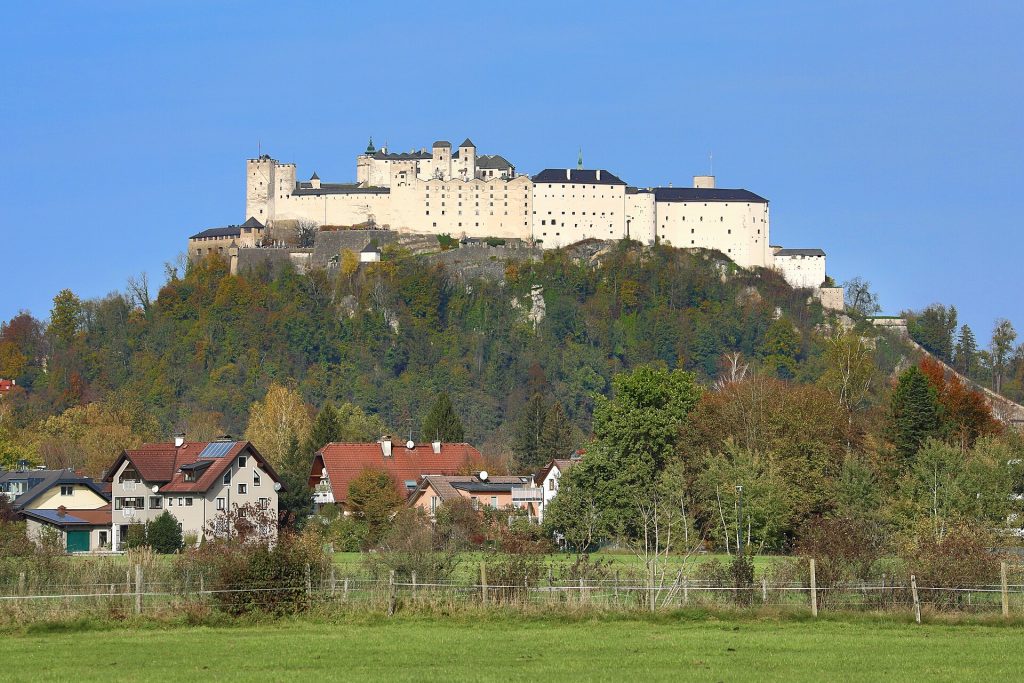
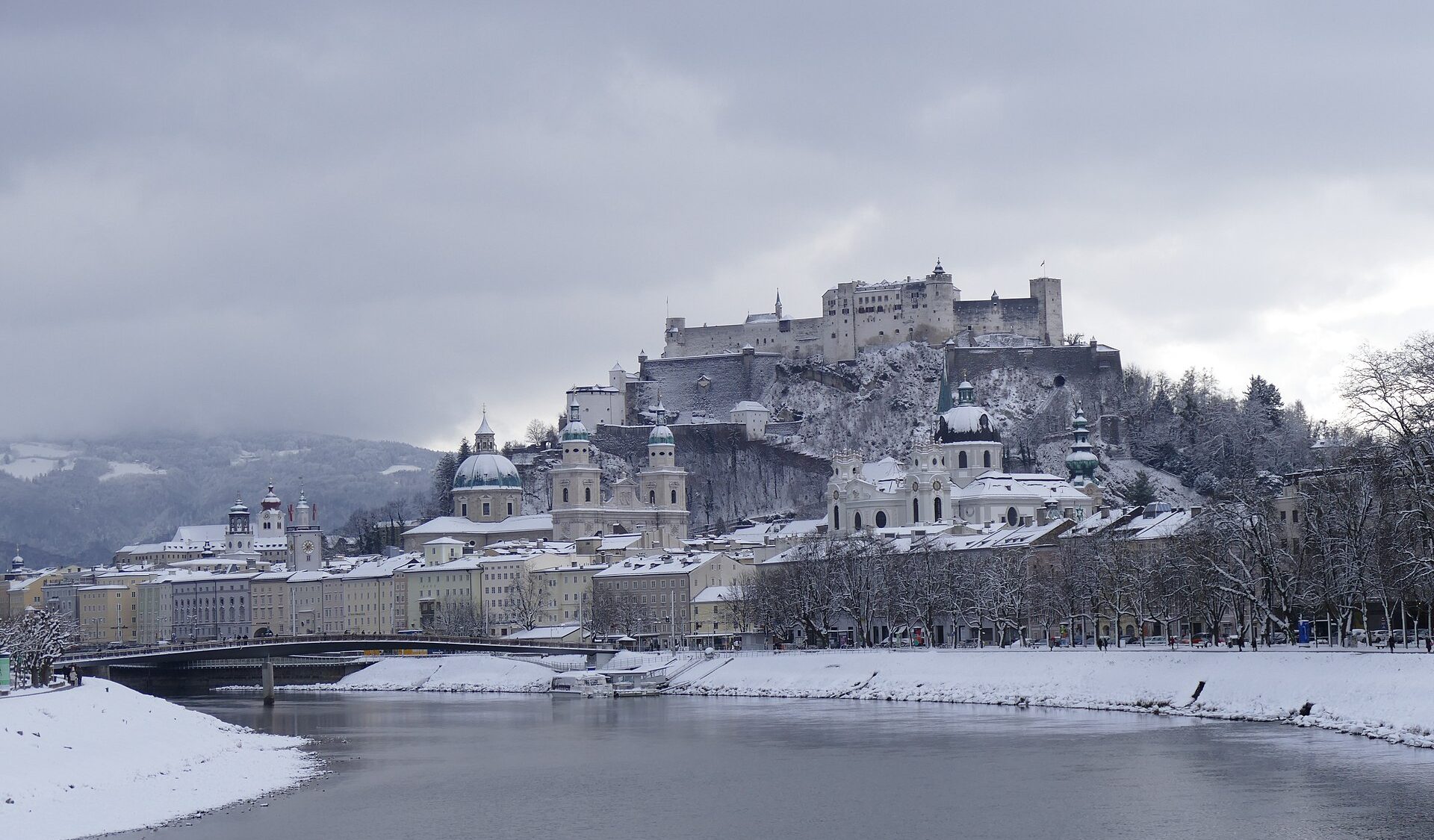
Salzburg feels made for a slow New Year. The Christkindlmarkt on Domplatz and Residenzplatz holds its last day on 1 January 2027, from 11am to 6pm, so you can still drink something hot below the cathedral. Hohensalzburg Fortress publishes winter hours of 9.30am to 5pm from January, though its 2026 leaflet gives no specific note for New Year’s Day, so check before you go up.
The best walk climbs the Mönchsberg, the wooded ridge above the old town, for views over the domes, the Salzach and, on a clear day, snow on the mountains. Weather is typically cold, with a fair chance of snow. See our Salzburg Christmas market guide for more on the old town.
Tip: The market’s final hours on 1 January are shorter than usual, so go in the early afternoon.
Best for: A snowy, small-city start with Baroque views.
3. Baden-Baden, Germany
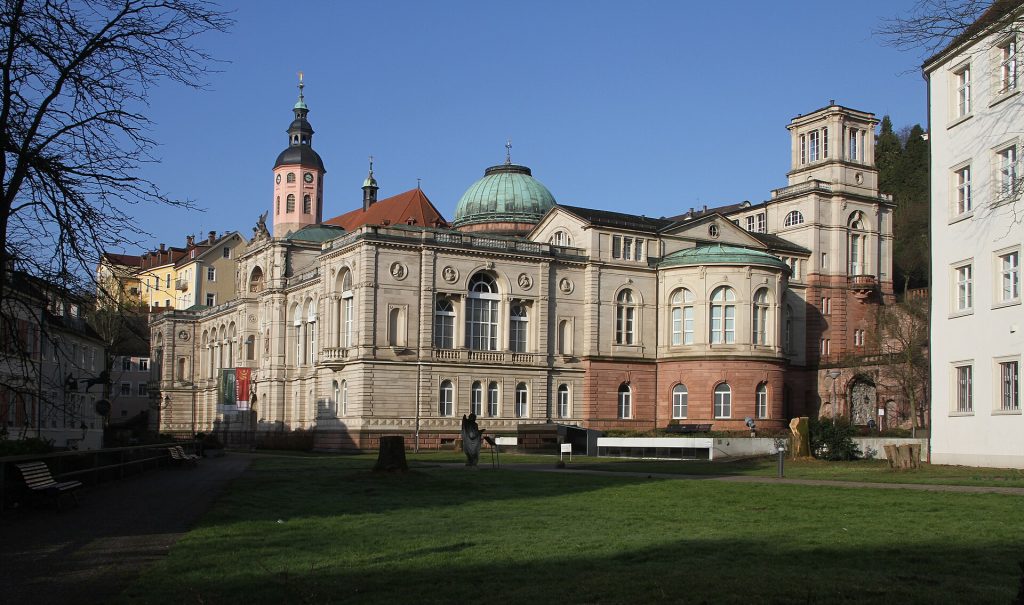
A spa town is the obvious cure for a late night, and Baden-Baden has two very different baths. The Caracalla Spa opens from 10am to 10pm on 1 January, with indoor and outdoor thermal pools. The 19th-century Friedrichsbad, a Roman-Irish bath with a sequence of hot rooms and pools under a domed hall, opens from 11am to 10pm that day. Both close on 24 and 25 December and shut early on New Year’s Eve.
Walk the Lichtentaler Allee, the long park avenue that follows the little River Oos past old villas and the Kurhaus. Winters at the edge of the Black Forest are typically cool and damp rather than snowy in town.
Best for: A restorative weekend of thermal water and gentle walks.
4. Budapest, Hungary
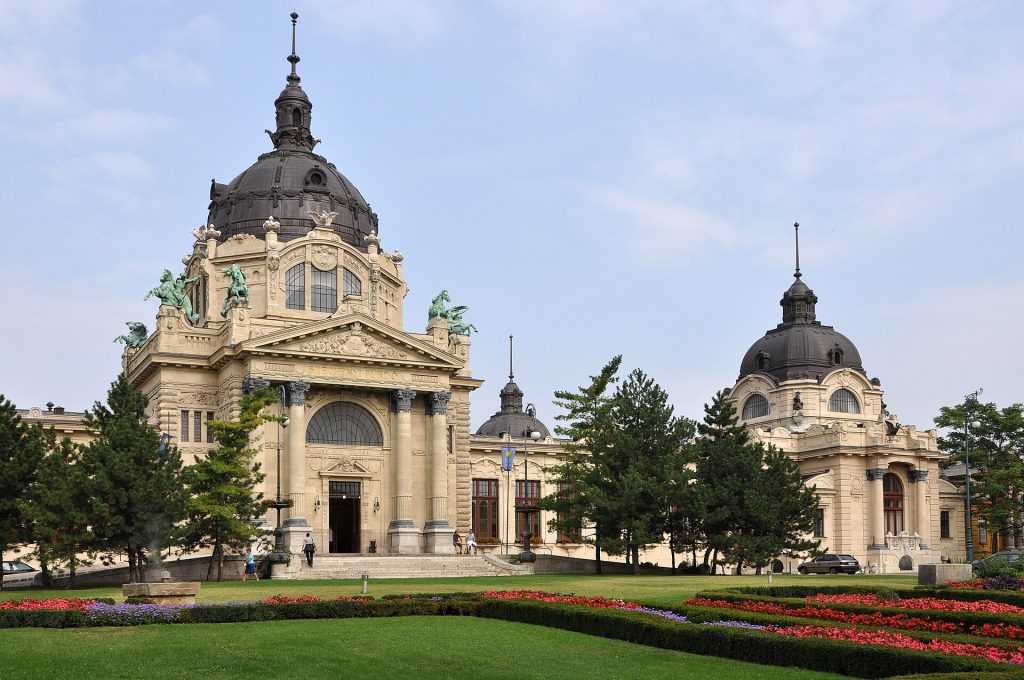
Budapest pairs a big-city feel with the easiest hangover cure in Europe: an outdoor thermal pool steaming in the frost. Széchenyi Baths opens from 8am during the holiday period (18 December 2026 to 6 January 2027) and stays open until 8pm on 1 January. The Advent Feast at St Stephen’s Basilica also runs to 1 January 2027, so the market is still there for its final day.
For a walk, follow the Danube embankment on the Pest side from Parliament towards the Chain Bridge, with the Castle District across the water. January is typically cold, often below freezing at night. Our things to do in Budapest guide adds more ideas for the 2nd and 3rd.
Best for: Thermal baths and river views.
5. Tallinn, Estonia
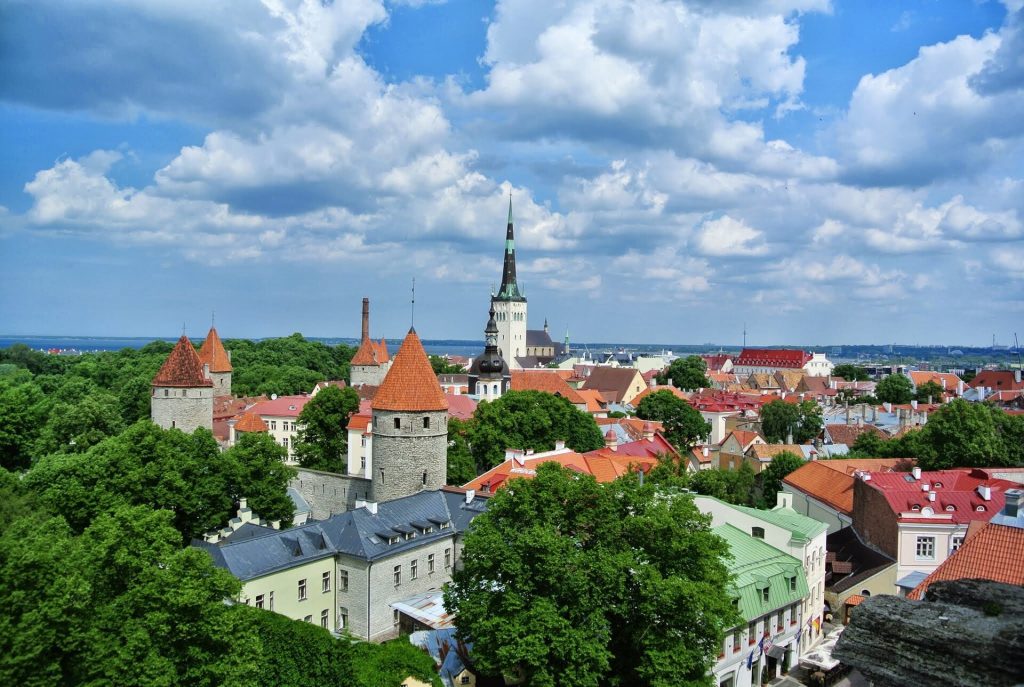
Tallinn’s medieval Old Town is at its most atmospheric under snow, and its Christmas market on Town Hall Square runs until 6 January 2027, well past New Year. That gives you a reason to stroll through on the 1st when many indoor sights are shut. The city’s museums are often closed on New Year’s Day. The Kadriorg Art Museum, in Peter the Great’s Baroque palace, lists its winter hours as starting again on 2 January and closes on Mondays from October to April.
Climb Toompea hill for the viewing platforms over the red roofs, then take a winter walk in Kadriorg Park. Expect short days and a typically freezing Baltic winter. See our Tallinn Christmas market guide for the market itself.
Best for: A snowy medieval old town without the crowds.
6. Seville, Spain
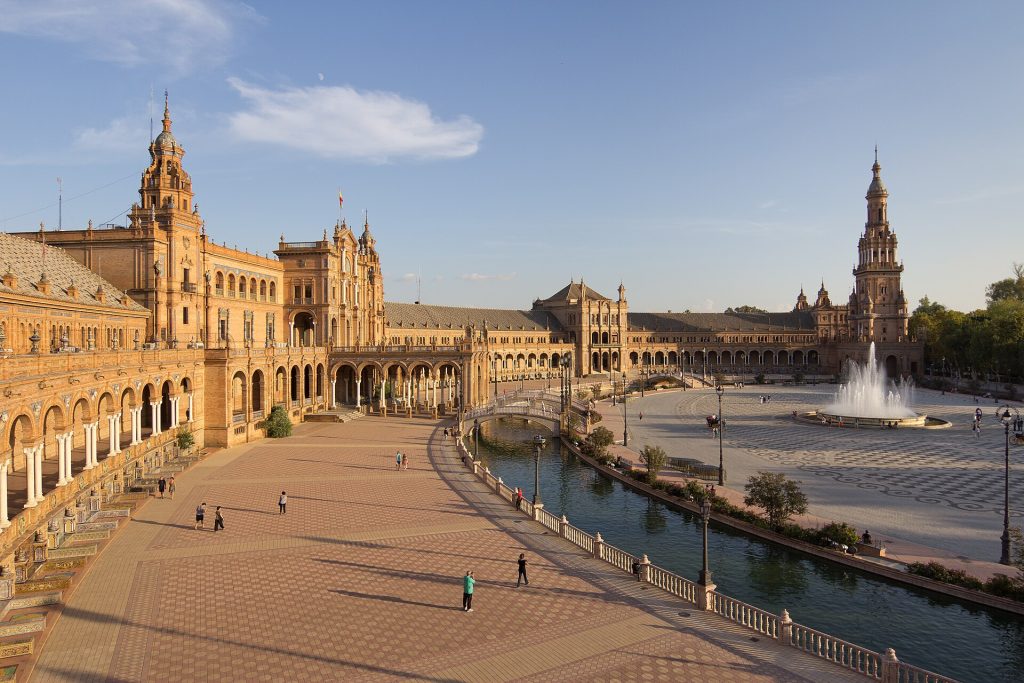
Seville offers winter sun without a beach-resort feel. According to AEMET, Spain’s state weather agency, January at Seville airport averages highs of about 16°C and lows near 6°C, with plenty of sunshine (1981–2010 averages). Plan around the closures. The Real Alcázar is closed on 1 January, and the cathedral closes to tourist visits on 1 January and on Sundays. That makes Saturday 2 January the day for both. The Alcázar’s winter hours are 9.30am to 5pm.
On the 1st, walk along the Guadalquivir to Triana, then through the Parque de María Luisa to Plaza de España. Our Seville weekend guide has a full route.
Tip: If you can stay longer, the Three Kings parade fills the streets on the evening of 5 January. See our Three Kings parades guide.
Best for: Sunshine, oranges and Moorish palaces.
7. Valletta, Malta
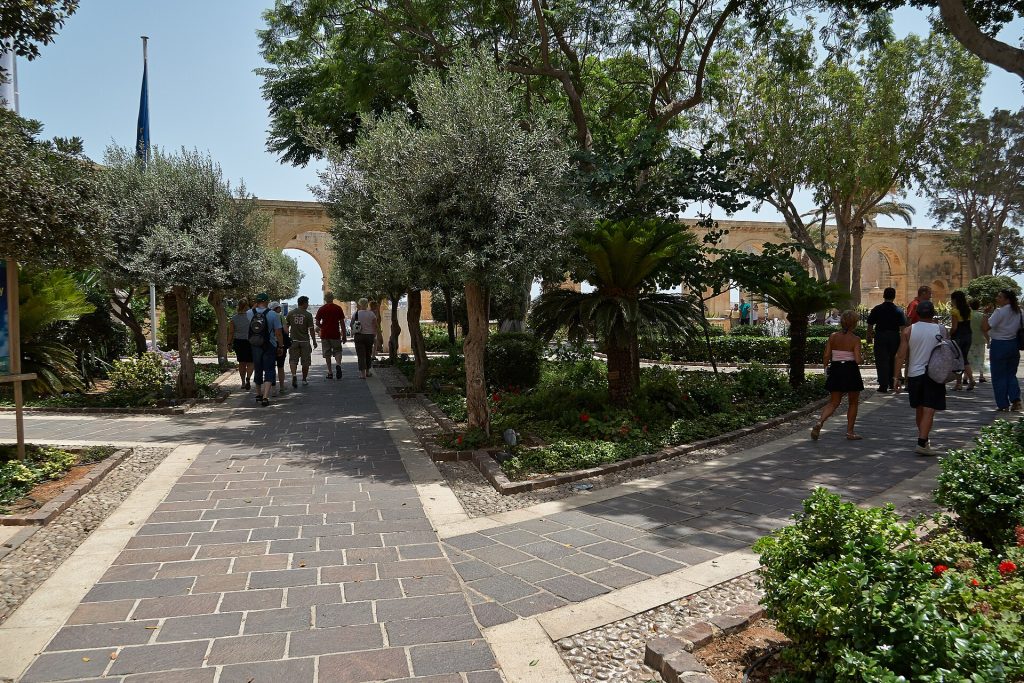
Valletta is small, walkable and mild in January. Malta’s Meteorological Office gives a long-term January mean of about 13°C. One thing to know: all Heritage Malta museums and sites close on 1 January, as well as on 24, 25 and 31 December. Make New Year’s Day an outdoor one and leave the museums for the 2nd and 3rd.
Walk from the Upper Barrakka Gardens, with their arcaded terraces over the Grand Harbour and the Three Cities, along the sea walls to Fort St Elmo at the tip of the peninsula. Our Valletta weekend guide covers the rest.
Best for: Mild weather and harbour views.
How to choose
Pick Vienna or Salzburg for music, Baroque streets and a decent chance of snow. Choose Baden-Baden or Budapest if warm water is the whole point. Tallinn suits anyone who wants a proper northern winter. For sunshine, go to Seville or Valletta, and plan the big sights for the 2nd. For markets that last past New Year, see our Christmas markets open in January 2027 guide.
Tip: Check each venue’s holiday hours a few days before you travel, as short-notice changes are common around New Year.
FAQ
Where is quiet in Europe for New Year?
Smaller cities such as Salzburg, Baden-Baden and Tallinn, and winter-sun cities such as Seville and Valletta, suit a calm start to January. Arriving on 1 January instead of the 31st avoids the busiest night altogether.
What is open on New Year’s Day in Europe?
It varies by city. Vienna’s Kunsthistorisches Museum, Budapest’s Széchenyi Baths and both Baden-Baden spas open on 1 January 2027. Seville’s Alcázar and cathedral, and Heritage Malta sites, are closed that day.
Can you get tickets for the Vienna New Year’s Concert?
Only through the Vienna Philharmonic’s raffle, which for 2027 took registrations from 1 to 28 February 2026. The Musikverein doesn’t sell tickets for it, so most people watch the ORF broadcast.
Are Christmas markets still open on 1 January?
Some are. Salzburg’s Christkindlmarkt and the Advent Feast at St Stephen’s Basilica in Budapest both hold their last day on 1 January 2027. Vienna’s Schönbrunn market and Tallinn’s market run until 6 January.
Which European city is warmest for New Year?
Of these seven, Seville and Valletta are the mildest. Seville’s January days average about 16°C, and Malta’s January mean is about 13°C.