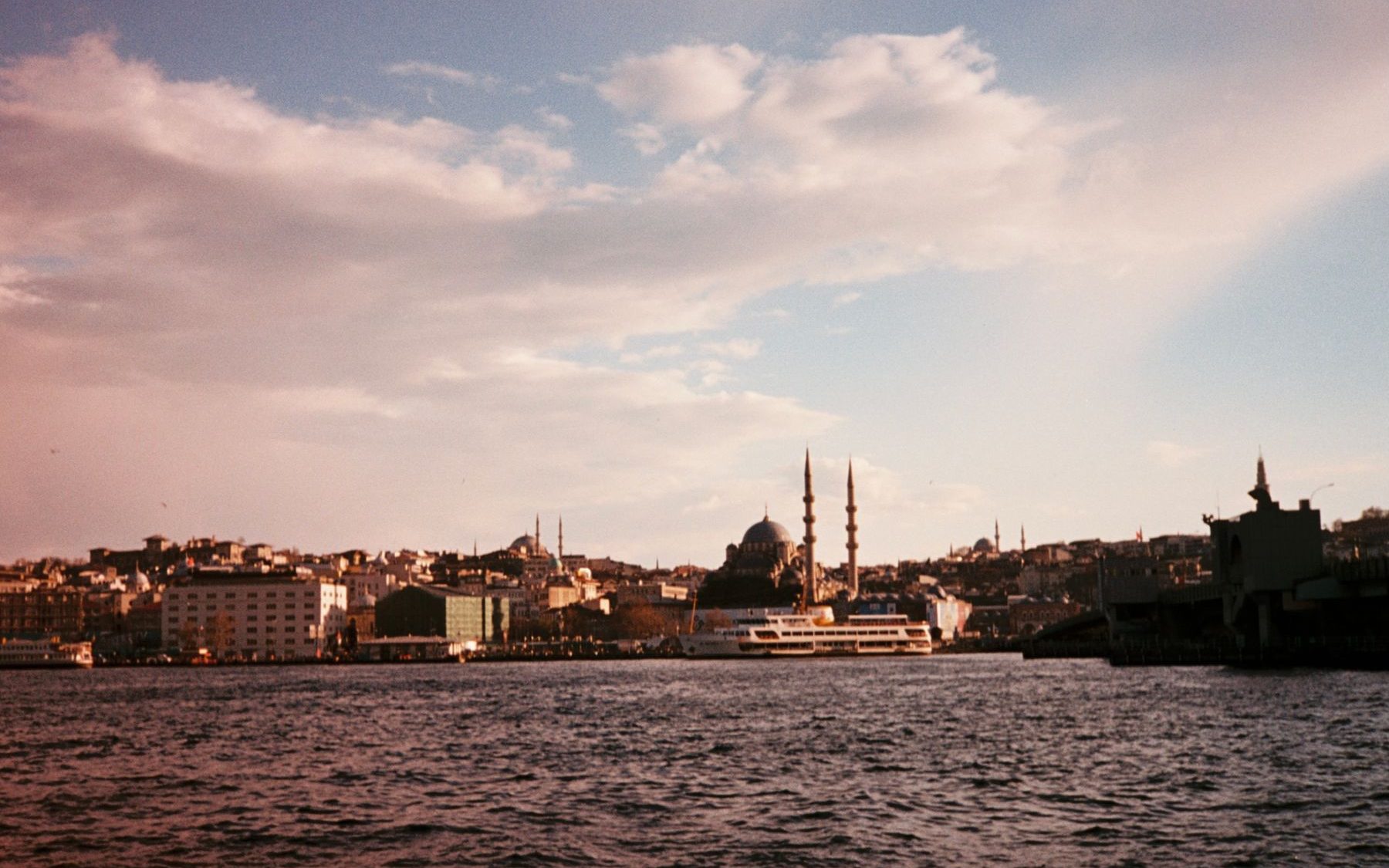
Istanbul packs more history into a square mile than most countries manage in total, and it still feels like a working city rather than a museum. Two days is enough for the great monuments, a bazaar, a long lunch and a ferry across to Asia. It suits first-timers, food lovers and anyone who likes a city best from the water.
Why go
Few places let you cross between continents on a commuter ferry. Istanbul sits on both banks of the Bosphorus, and that water shapes every day here: tea glasses on the decks, fishermen on Galata Bridge, the call to prayer rolling across from both shores.
The old city of Sultanahmet holds the headline sights within a short walk of each other. Hagia Sophia, the Blue Mosque, Topkapı Palace and the Basilica Cistern share one compact quarter. Across the Golden Horn, Karaköy and Galata bring the cafés and steep lanes. On the Asian side, Kadıköy has the city’s best food market streets.
It is also a brilliant eating city. Breakfast is a spread, lunch can be a small canteen with a counter of stews, and dinner runs late. Come hungry.
Istanbul
Don’t miss
The places that make the trip, and why each one deserves your time.

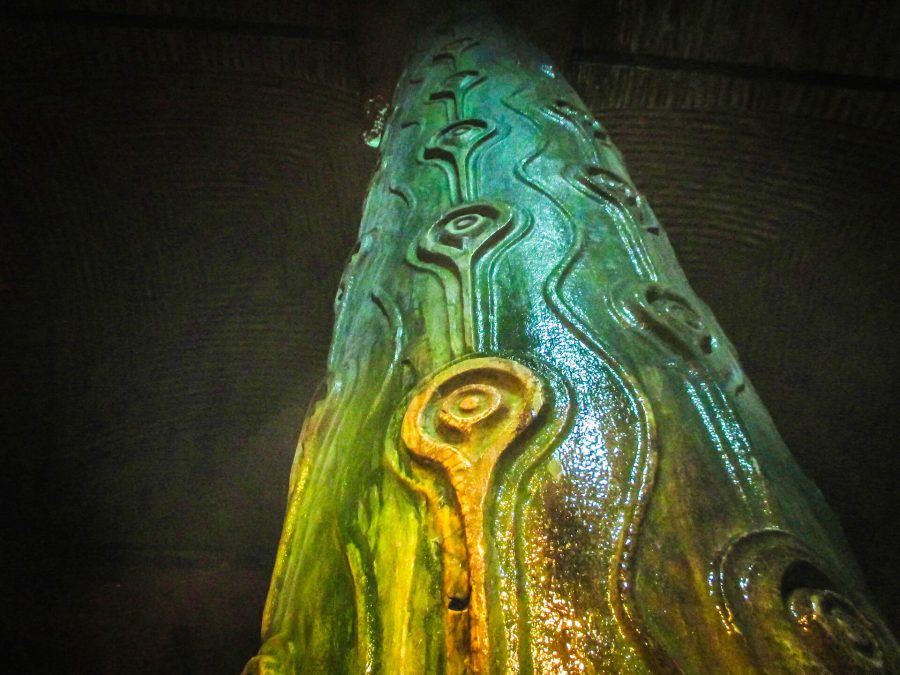
Mattpopovich / Wikimedia Commons, CC0 Basilica Cistern
A vast underground water reservoir beneath Sultanahmet, with rows of ancient columns rising from the water in the half-light.
Go first thing, before the Hagia Sophia queues build.
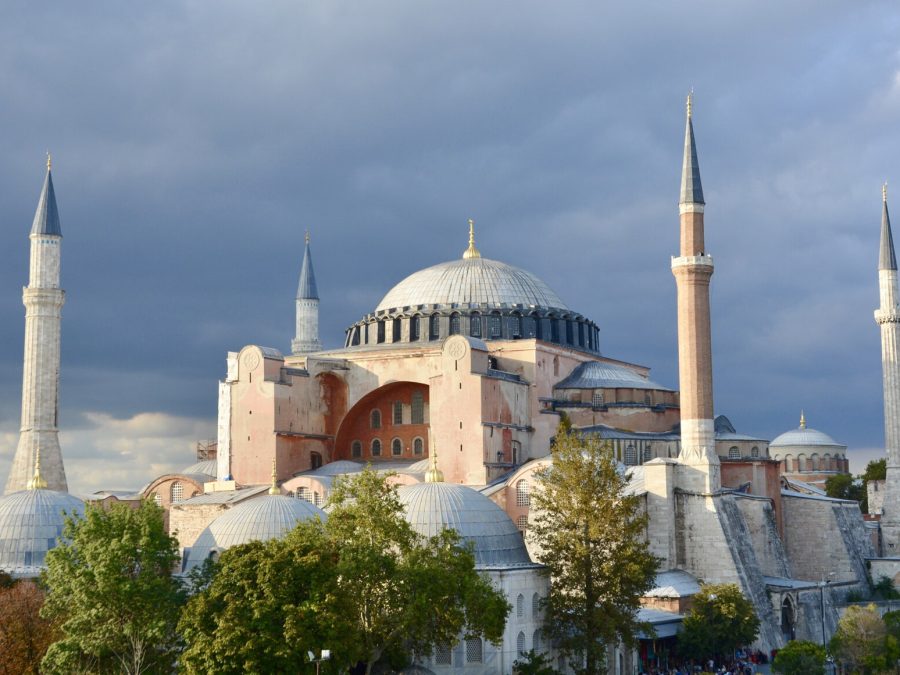
Adli Wahid / Wikimedia Commons, CC BY-SA 3.0 Hagia Sophia
A working mosque since 2020, where the ticketed visitor route climbs to the upper gallery and its glittering Byzantine mosaics, looking down on the great domed prayer hall.
Check which entrance your ticket names before queuing.
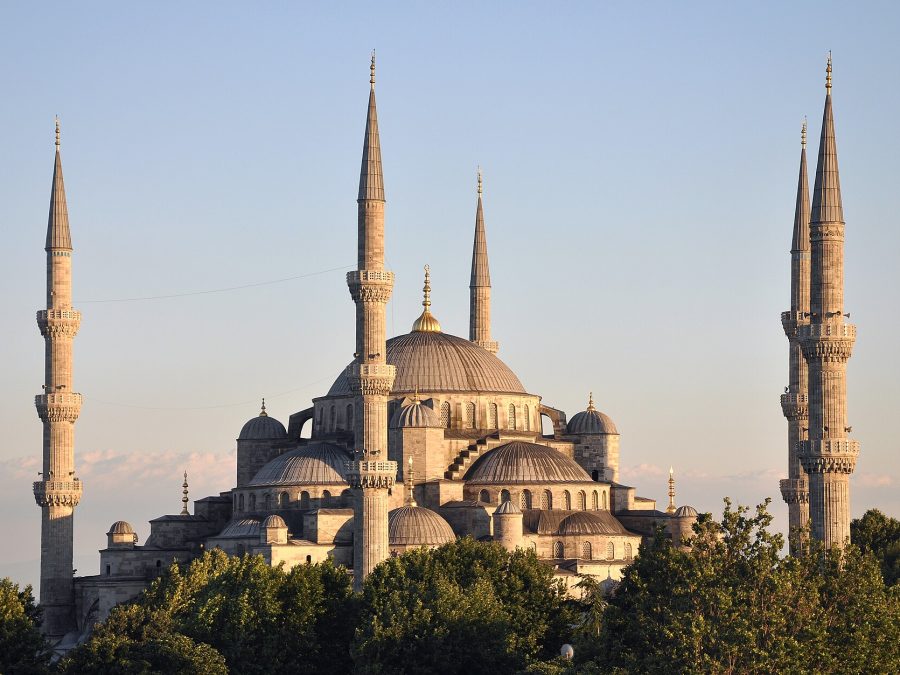
Moonik / Wikimedia Commons, CC BY-SA 3.0 Blue Mosque
Across the Hippodrome from Hagia Sophia, the Sultan Ahmed Mosque is free to enter outside prayer times, its cascading domes and minarets dominating the old city skyline.
Cover shoulders and knees; women should bring a scarf.
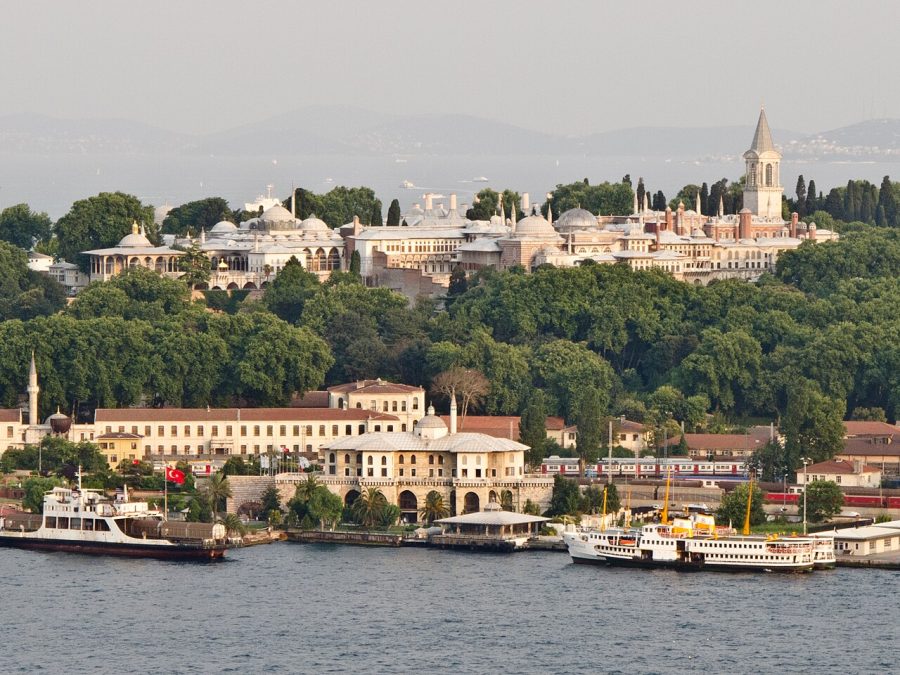
Carlos Delgado / Wikimedia Commons, CC BY-SA 3.0 Topkapı Palace
The Ottoman sultans' seat for centuries, with courtyards and pavilions overlooking the meeting point of the Bosphorus and the Golden Horn. The Harem is worth the extra hour.
Closed on Tuesdays, so plan around it.
Jorge Franganillo / Wikimedia Commons, CC BY 4.0 Grand Bazaar
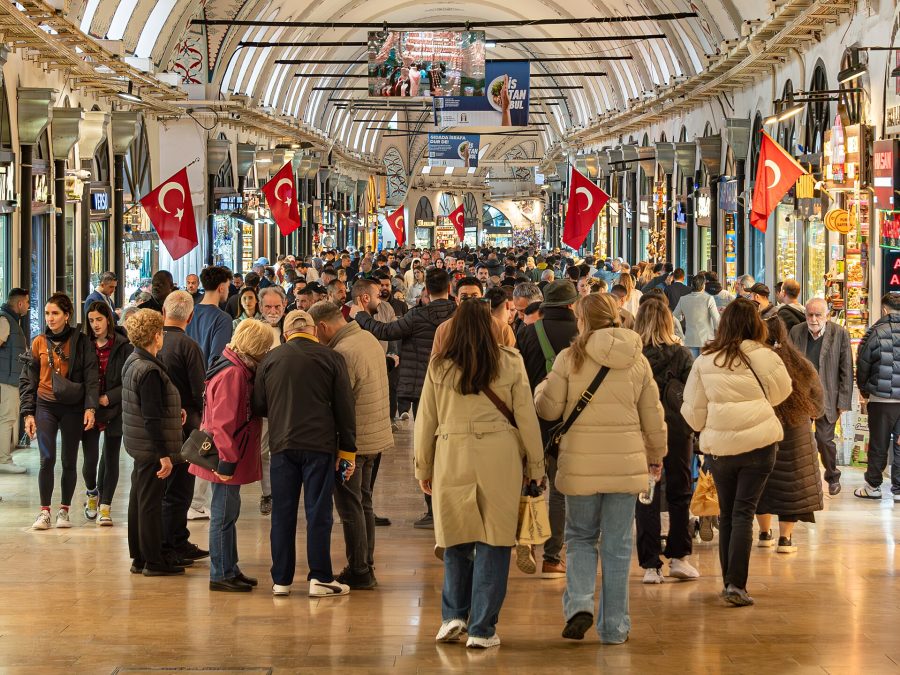
One of the world's oldest covered markets, a maze of vaulted streets selling carpets, lamps, ceramics and jewellery.
Go early; it closes on Sundays.
Hunanuk / Wikimedia Commons, CC0 Süleymaniye Mosque
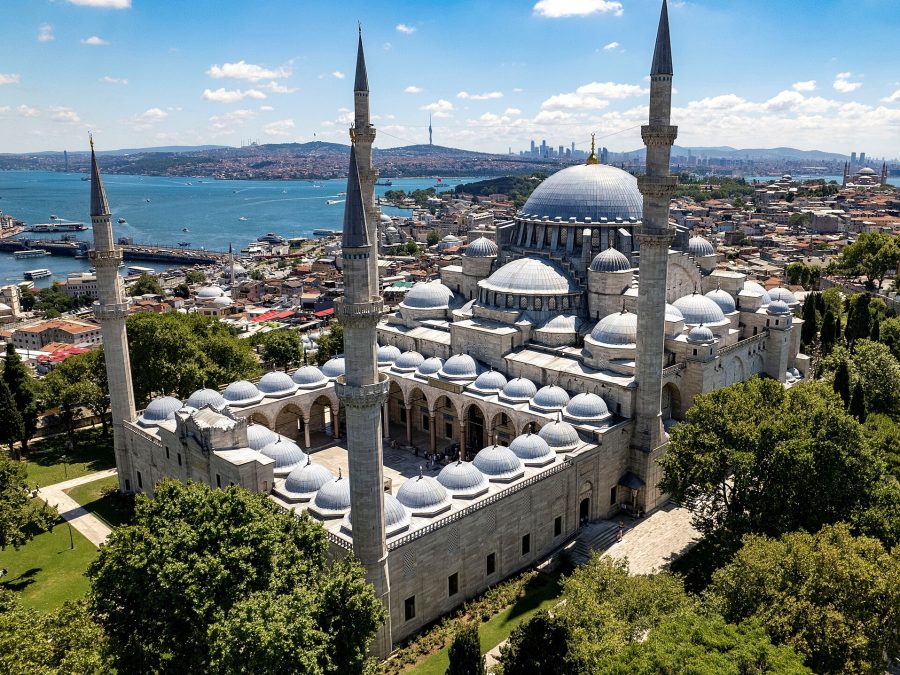
Sinan's masterpiece on the hill above the Grand Bazaar, calmer than the Blue Mosque, with a terrace looking out over the Golden Horn.
Walk uphill from the Grand Bazaar.
Starliner / Wikimedia Commons, CC BY-SA 3.0 Kadıköy
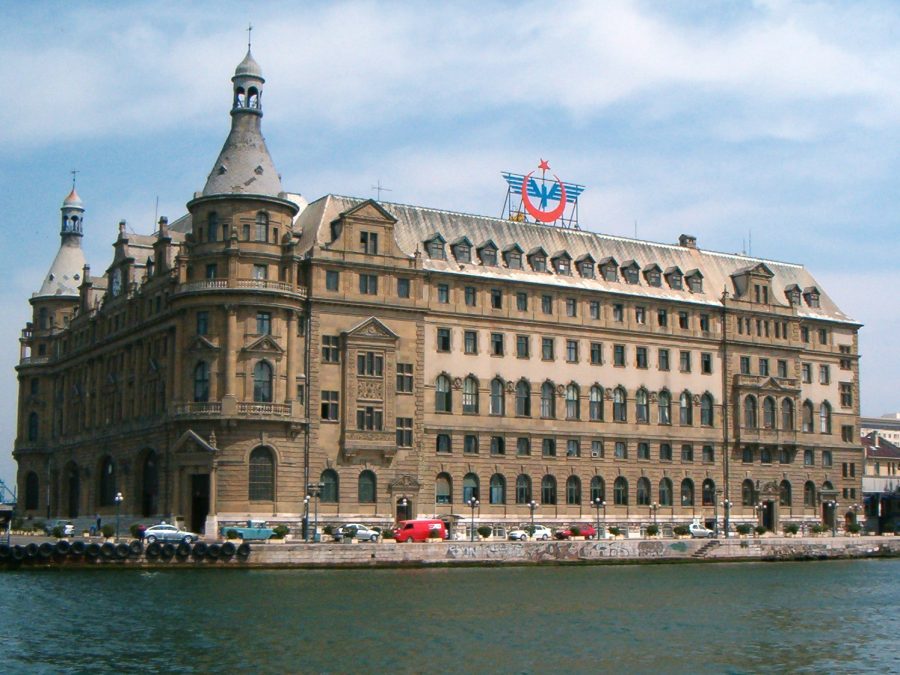
A short public ferry ride to the Asian side brings you to the city's best food market streets, with Moda's seafront promenade a wander away.
Take the commuter ferry from Eminönü or Karaköy.
User:Ggia / Wikimedia Commons, CC BY-SA 3.0 Galata and Beyoğlu
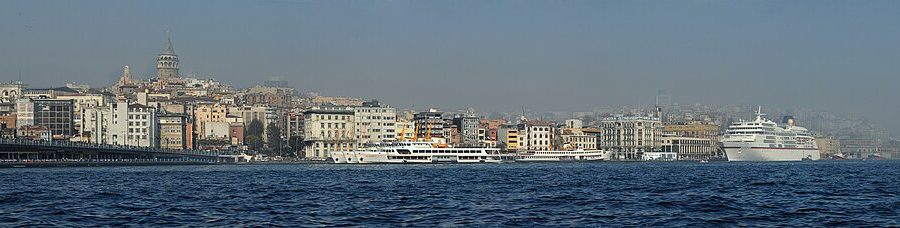
Steep lanes and cafés across the Golden Horn, with views of the old city's domes lit up across the water, then İstiklal Avenue and a late meze dinner in Beyoğlu.
Wear comfortable shoes; the hills are steep.
The 48-hour route
Day 1
Morning: Start early in Sultanahmet. The squares fill fast from mid-morning, and the queues for Hagia Sophia and the Basilica Cistern overlap. Do the Cistern first, then Hagia Sophia.
Hagia Sophia has been a working mosque since 2020, and the visitor set-up changed on 15 January 2024. The ground floor is the prayer hall. Foreign visitors use a separate gate opposite the Fountain of Ahmed III, near Topkapı’s Imperial Gate, and follow a ticketed ramp route up to the gallery. From there you look down on the prayer hall, pass through the Marble Door and reach the Byzantine mosaics, leaving by a ramp on the north-east side. A QR-code audio guide covers 23 languages; bring your own earphones. The visitor area closes from 12:00 to 14:00 on Fridays for midday prayers.
Tip: Dress for the mosques before you leave the hotel. Cover shoulders and knees, and women should carry a scarf for their hair. It saves time at every door.
Afternoon: Cross the Hippodrome to the Blue Mosque (Sultan Ahmed Mosque). It is free to enter outside prayer times, so time your visit between them. Then walk to Topkapı Palace, the Ottoman sultans’ seat for centuries. Its courtyards and pavilions overlook the meeting point of the Bosphorus and the Golden Horn. The Harem needs its own ticket (it is included in the Museum Pass Istanbul) and is worth the extra hour. Topkapı closes on Tuesdays and sells tickets only at its own ticket office on the day, so plan around it.
Evening: Walk down to Eminönü as the light drops. Watch the ferries come and go from the waterfront, then cross Galata Bridge on foot. Climb the lanes of Galata for dinner, and finish with a view of the old city’s domes lit up across the water.
Day 2
Morning: Go to the Grand Bazaar early, before the tour groups. It is one of the world’s oldest covered markets, a maze of vaulted streets selling carpets, lamps, ceramics and jewellery. It closes on Sundays and on the first days of religious holidays. If your Day 2 is a Sunday, swap it for the Spice Bazaar, which opens every day. From the Grand Bazaar, walk uphill to the Süleymaniye Mosque. It is Sinan’s masterpiece, calmer than the Blue Mosque, with a terrace looking over the Golden Horn.
Afternoon: Take a public ferry from Eminönü or Karaköy to Kadıköy on the Asian side. The crossing is short and excellent value. Eat lunch around the market streets, then wander up to Moda for the seafront promenade.
Tip: Ride the commuter ferries rather than a tour boat for a first look at the Bosphorus. You get the same views, sit alongside locals and keep your timing flexible.
Evening: Ferry back to Beşiktaş at sunset, the best crossing of the day. If you land early, Dolmabahçe Palace, the Ottomans’ 19th-century waterfront palace, sits a short walk away; check its opening days before you go. Then walk up through Galata to Pera and Beyoğlu for İstiklal Avenue, the side streets off it and a late meze dinner.
With a spare hour on either day, book a traditional hammam. A steam, a scrub on the warm marble slab and a foam wash is one of the city’s oldest rituals. Check whether the bath has separate sessions for women and men.
Istanbul in winter 2026–27
Winter is the calmest season in Sultanahmet, and the big three sights all stay open. The official winter season at the state museums runs from 1 October to 1 April. This is what the official pages say for November 2026 to March 2027.
| Sight | Winter hours | Closed | How entry works |
|---|---|---|---|
| Hagia Sophia (visitor route) | 09:00–19:30; ticket booth closes 19:00 | Fridays 12:00–14:00 | Foreign visitors’ gate opposite the Fountain of Ahmed III |
| Topkapı Palace | 09:00–18:00; ticket office closes 17:00 | Tuesdays | Tickets at the palace ticket office only, no online sales; Harem ticketed separately |
| Basilica Cistern | 09:00–22:00 daily, with an evening session from 19:30 | None listed | Tickets at the entrance; cards and Istanbulkart only |
Hagia Sophia visitor rules
The prayer area closes to visitors each morning for cleaning, from dawn prayer until 10:00, so the gallery route is the main option early in the day. Muslim visitors who want to pray should use the main gate on Ayasofya Meydanı before prayer times. The ramps and stairs on the visitor route are not suitable for anyone with limited mobility; the official guidance is to use the main (Turkish citizens’) entrance instead. Fold pushchairs and carry them inside. The official page also lists a slightly different set of hours for 2025, so confirm on the day.
Topkapı Palace
The ticket office closes half an hour earlier in winter than in summer, so arrive by mid-afternoon at the latest. The Harem route changes when rooms close for restoration. The palace also lists Saturday night visits from 21:00 to 23:00 with limited places, booked by phone through the museum.
Basilica Cistern
The cistern, run by the city’s culture company, opens every day. The evening session is the atmospheric choice on a short winter day, and it often hosts concerts and night events. Bring a bank card or a loaded Istanbulkart, as cash is not accepted.
Weather, November to March
Long-term averages from the Turkish State Meteorological Service (1950–2025 records) show a mild but damp winter. Expect rain on roughly one day in three in November, and on about half the days from December to February.
| Month | Average high | Average low | Rainy days |
|---|---|---|---|
| November | 16°C | 10°C | 11 |
| December | 12°C | 7°C | 16 |
| January | 10°C | 4°C | 16 |
| February | 10°C | 4°C | 14 |
| March | 12°C | 6°C | 13 |
Tip: Pack a waterproof and shoes with grip. The marble and cobbles around Sultanahmet get slippery in the rain, and the ferry decks are cold in the wind.
Christmas, New Year and holidays
Istanbul celebrates New Year far more than Christmas, with lights along İstiklal Avenue and parties across Beyoğlu and the Bosphorus shore. By late October, neither the city nor the governor’s office had published an official programme for New Year’s Eve 2026, so check kultur.istanbul nearer the time. Ramadan and the holiday that ends it fall in February and March 2027; check the Diyanet religious-days calendar for exact dates, as opening hours shift and the Grand Bazaar closes on the first days of the holiday.
No new visitor caps or timed-entry rules for Hagia Sophia, Topkapı or the Basilica Cistern had been announced on the official pages for 2026–27.
Where to stay
- Sultanahmet: Best for first-timers who want to walk to the big sights at dawn. It is quiet at night and has fewer good restaurants.
- Karaköy and Galata: Best for most weekenders. You get design hotels, cafés, easy tram and ferry links, and a short walk across the bridge to the old city.
- Beyoğlu (around Cihangir and Taksim): Best for nightlife and a local, lived-in feel. Expect hills and some noise.
- Kadıköy: Best for repeat visitors and food lovers who want the Asian side’s market streets and lower-key evenings. The ferry gets you to the old city fast.
What to eat and drink
- Turkish breakfast (kahvaltı): Cheeses, olives, tomatoes, honey with clotted cream (kaymak), eggs and endless tea. Make one morning a slow one.
- Meze and rakı: Small cold plates followed by grilled fish, with aniseed rakı cut with water. This is the city’s classic long dinner.
- Esnaf lokantası dishes: Tradesmen’s canteens serve stews, stuffed vegetables and rice from a steam counter. Point at what looks good.
- Balık ekmek: Grilled fish in bread, sold near the water at Eminönü.
- Baklava: Pistachio baklava from Gaziantep tradition is the one to try.
- Turkish coffee and tea: Coffee after a meal, tea all day long in tulip glasses. In winter, look for salep, a hot, thick milk drink dusted with cinnamon.
Where to go:
- Çiya Sofrası (Kadıköy): Chef Musa Dağdeviren’s canteen has been recording Anatolian regional recipes for decades. It is one of the best-value lunches in the city and well worth the ferry.
- Karaköy Güllüoğlu (Karaköy): A long-running baklava house and the benchmark for pistachio baklava. Eat it standing at the counter.
- Hafız Mustafa 1864 (Eminönü and Sirkeci): A historic sweet shop for baklava, lokum and Turkish puddings, handy between sights.
- Karaköy Lokantası (Karaköy): A tiled, much-loved dining room for meze and home-style Turkish cooking. Book for dinner.
For a big night out, Istanbul now has MICHELIN-starred tables, including TURK Fatih Tutak and Neolokal. Book well ahead.
Getting around
Buy an Istanbulkart at a station machine and top it up as you go. One card covers the tram, metro, Marmaray, funiculars and city ferries, and it also works at the Basilica Cistern ticket desk.
The T1 tram is your main line through the old city. It runs from Sultanahmet past Sirkeci and Eminönü, across Galata Bridge to Karaköy and on to Kabataş. From Kabataş, a funicular climbs to Taksim. The Marmaray line runs under the Bosphorus and links the European and Asian sides by rail.
From Istanbul Airport, the M11 metro runs to Gayrettepe, where you change to the M2 for Taksim and the old city. Havaist buses run direct to Taksim and Beşiktaş. Allow plenty of time, as the airport sits well north of the centre.
Ferries are the most enjoyable way to cross. Public ferries link Eminönü, Karaköy, Beşiktaş, Kadıköy and Üsküdar throughout the day.
Good to know
- Mosque etiquette: Shoes come off in prayer halls. Cover shoulders and knees, women cover their hair, and keep quiet near worshippers. Don’t photograph people at prayer.
- Weekly closures: Topkapı Palace closes on Tuesdays. The Grand Bazaar closes on Sundays and on the first days of religious holidays. Hagia Sophia’s visitor area closes from 12:00 to 14:00 on Fridays.
- Taxis: Use an app or ask your hotel to call one. Agree that the meter is on before you set off.
- Hills: Galata, Beyoğlu and Cihangir are steep. Pack comfortable shoes.
- Ramadan and holidays: Opening hours shift during religious holidays, and some sights close on the first day. Check dates if you travel then.
Note: Istanbul pairs well with another city break. See our best city breaks in Europe for ideas, or cross the Aegean with our Athens guide.
FAQ
Do tourists need a ticket for Hagia Sophia?
Yes, for the visitor route. Since 15 January 2024, foreign visitors use a separate entrance and follow a ticketed route to the upper gallery, where the mosaics are. The ground-floor prayer hall is for worshippers.
What are Hagia Sophia’s winter opening hours?
From 1 October to 1 April, the visitor route opens from 09:00 to 19:30, and the ticket booth closes at 19:00. It closes from 12:00 to 14:00 on Fridays for midday prayers.
What day is Topkapı Palace closed?
Topkapı Palace is closed every Tuesday. In winter it opens from 09:00 to 18:00, with the ticket office closing at 17:00, and tickets are sold only on site.
Is the Basilica Cistern open in the evening?
Yes. It opens daily from 09:00 to 22:00, with an evening session from 19:30. Pay by card or Istanbulkart at the entrance.
What is the weather like in Istanbul in winter?
Mild and wet. State weather service averages put January highs around 10°C, with rain on about half the days from December to February.
For more romantic ideas, see the most romantic destinations in Europe. Check this weekend’s picks and the latest travel news before you book.