Valletta packs the Knights of St John, Caravaggio and one of the Mediterranean’s great harbours into a peninsula you can cross on foot in 20 minutes. It is also one of Europe’s mildest winter city breaks, so a Valletta weekend in December or February still means coffee outside and long walks on the bastions. It suits history lovers, couples and anyone who wants sun without a beach holiday.
Why go
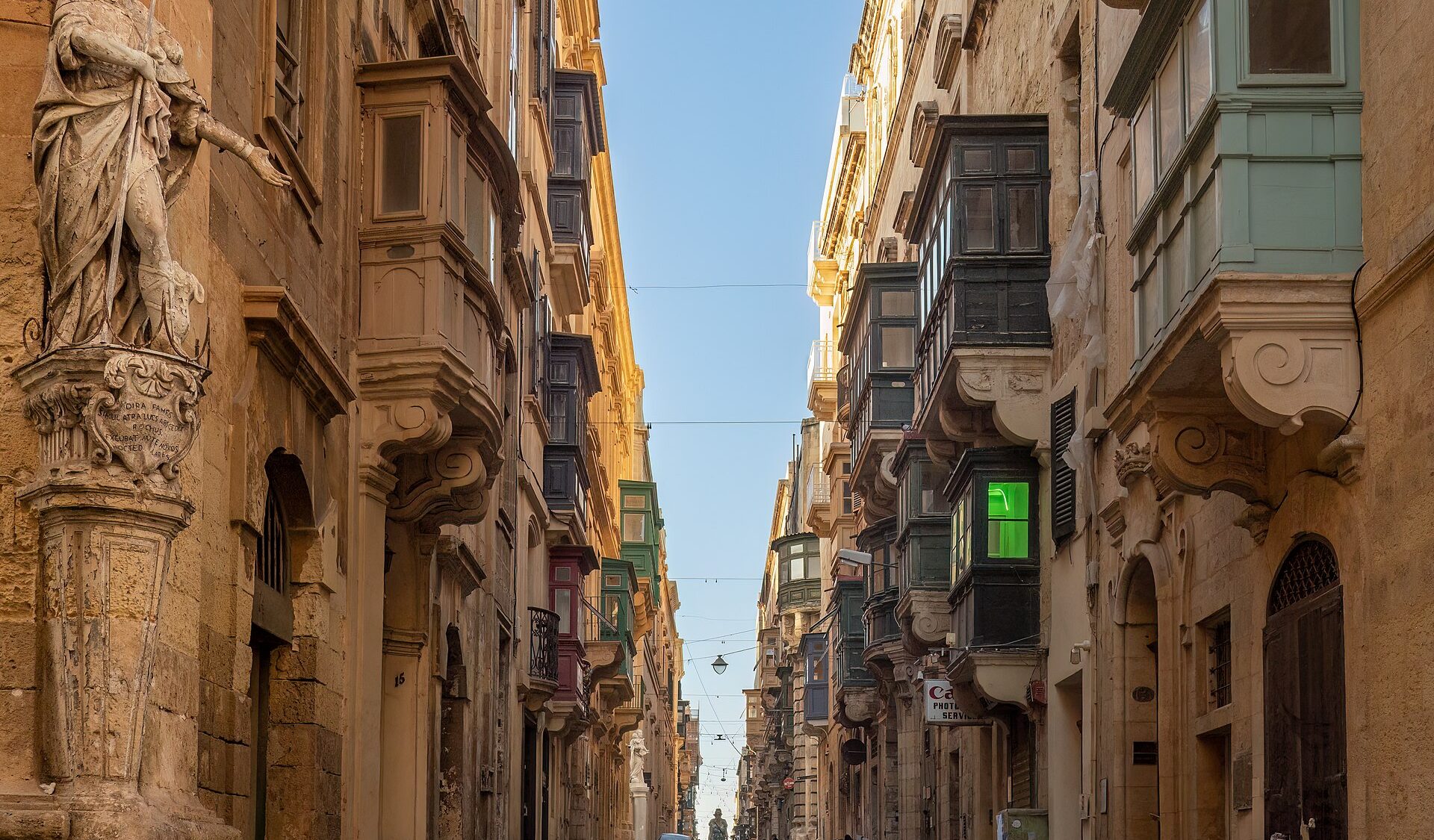
The Knights built Valletta after the Great Siege of 1565 as a planned fortress city, and it still feels like one: a straight grid of honey-coloured streets, wooden balconies in green and red, and bastions dropping sheer into the sea. The whole city is a UNESCO World Heritage Site, yet it is small enough to see in a day and quiet enough at night to feel like a village.
Across the Grand Harbour sit the Three Cities of Birgu, Senglea and Cospicua, older and calmer, and a short ferry ride away. Inland, the walled hilltop town of Mdina makes an easy half-day escape. Put together, that is a full weekend with almost no time lost in transport.
Valletta
Don’t miss
The places that make the trip, and why each one deserves your time.

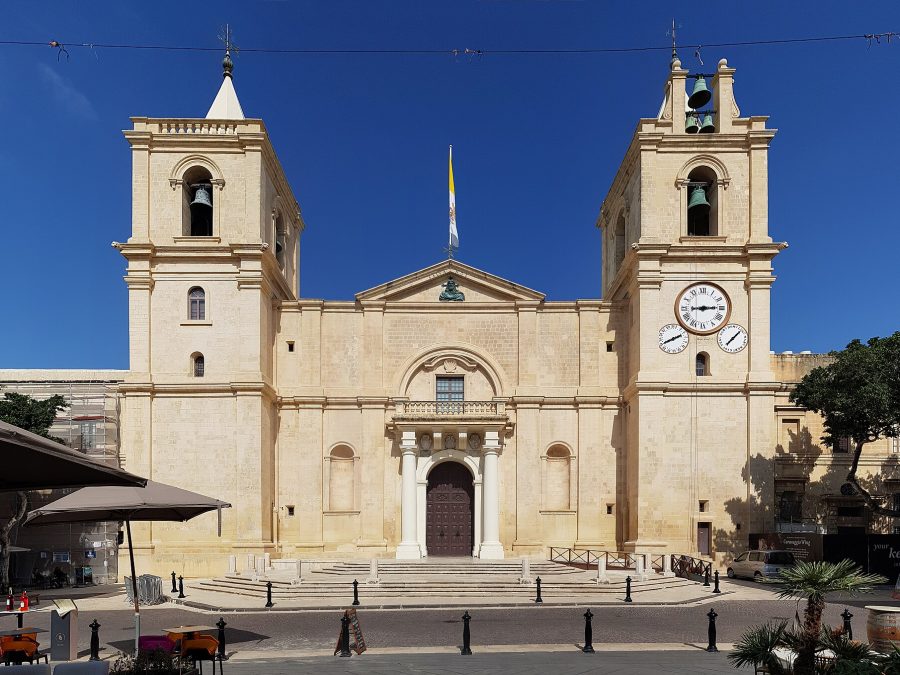
Matthew Axiak / Wikimedia Commons, CC BY-SA 4.0 St John's Co-Cathedral
A plain facade hides one of Europe's most lavish Baroque interiors: gilded walls, a floor of marble tombstones of knights and Caravaggio's huge Beheading of Saint John the Baptist in the oratory.
Open Monday to Saturday; arrive at opening time.
Grandmaster's Palace
For centuries the seat of the Knights' grand masters, it now shows painted state rooms, long tiled corridors and an armoury of suits once worn by the knights who held the island.
The Throne Room is closed until further notice.
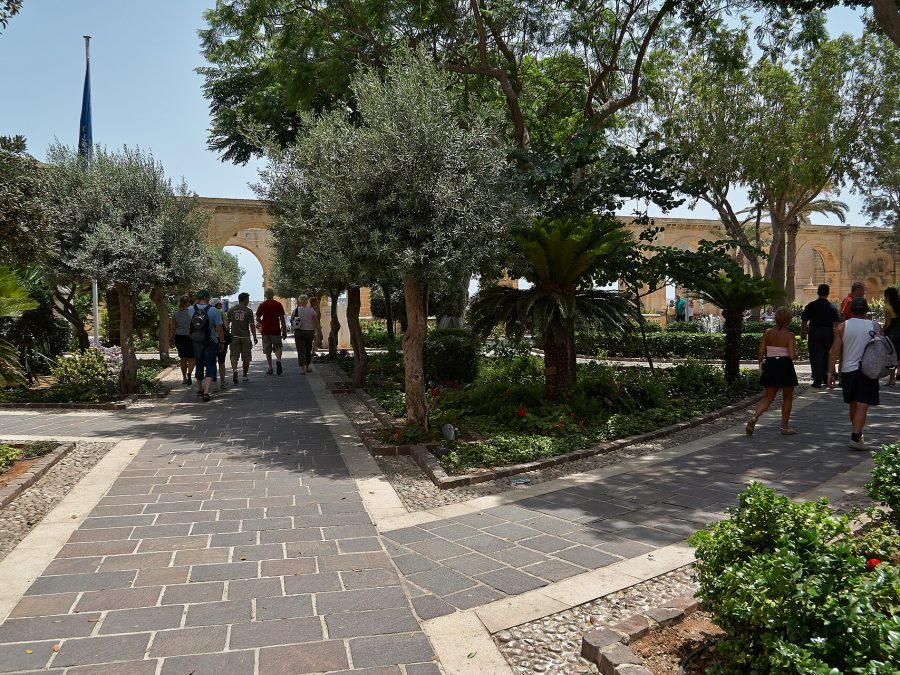
C T Johansson / Wikimedia Commons, CC BY-SA 4.0 Upper Barrakka Gardens
Arched terraces on the city's highest bastion look straight across the Grand Harbour to the Three Cities, with the Saluting Battery's cannons lined up on the terrace below.
Be there for the noon gun, Monday to Saturday.
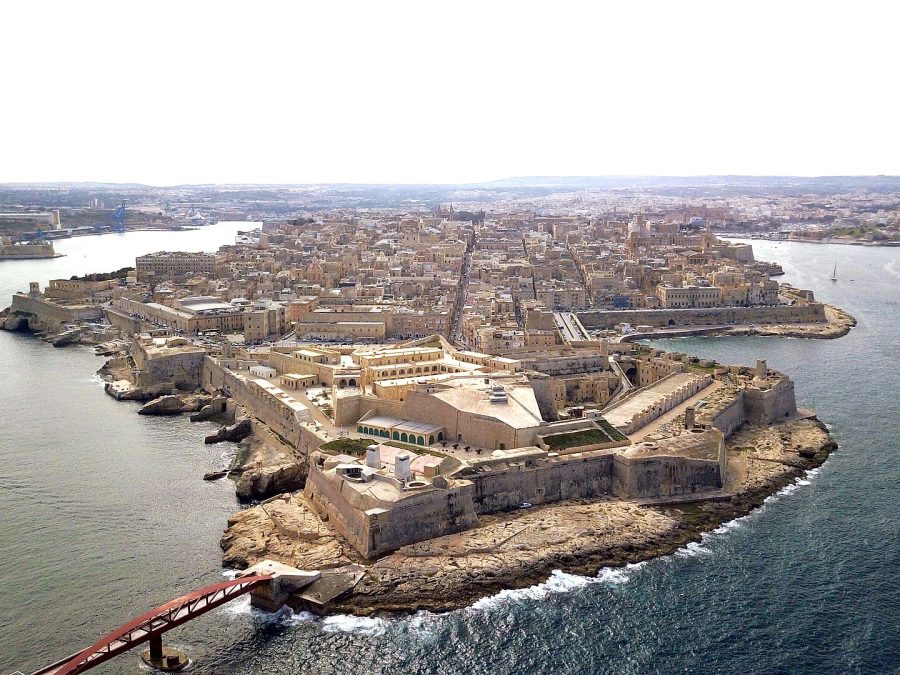
Dion Hinchcliffe / Wikimedia Commons, CC BY-SA 2.0 Fort St Elmo
The star-shaped fort at the tip of the peninsula took the brunt of the Great Siege of 1565 and now holds the National War Museum, with sea views on three sides.
Pair it with a late-afternoon walk round the sea walls.
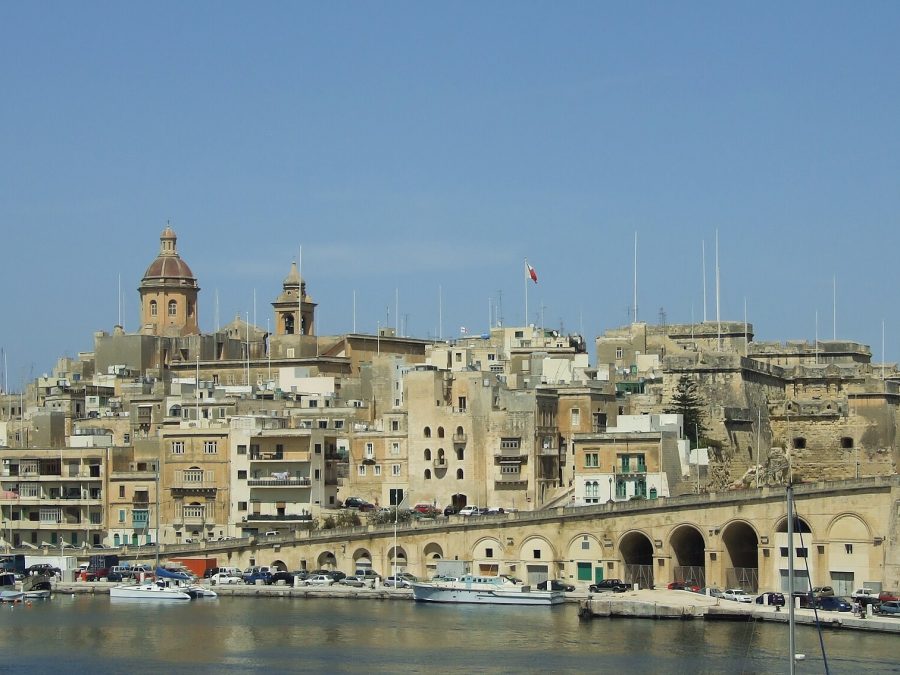
MrPanyGoff / Wikimedia Commons, CC BY-SA 3.0 Birgu
The Knights' first home on Malta is a quiet maze of limestone lanes, wooden balconies and small chapels, with a marina of yachts and painted fishing boats along its waterfront.
Take the harbour ferry from below the Barrakka Lift.
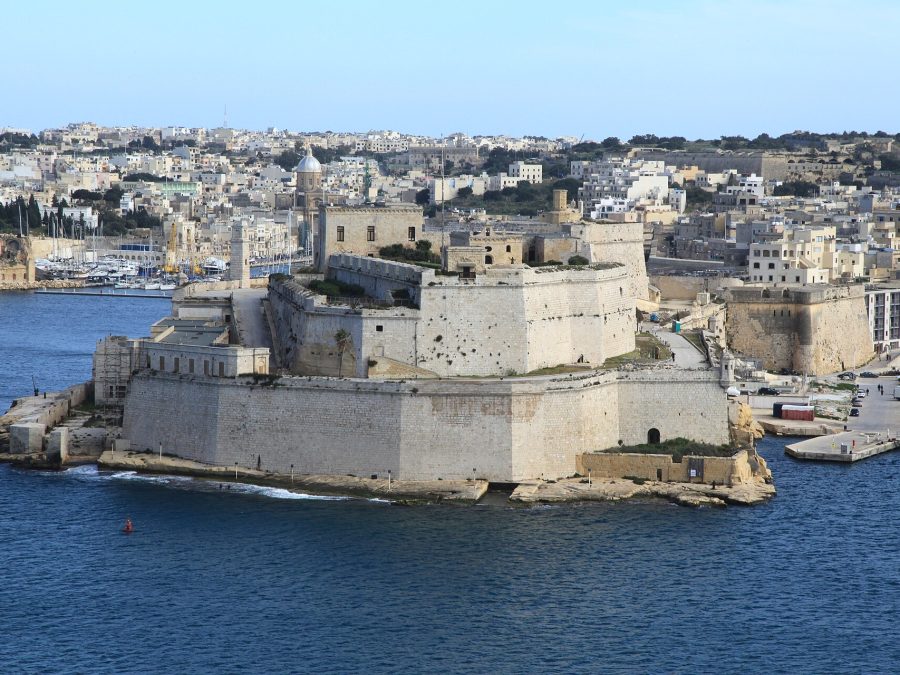
Frank Vincentz / Wikimedia Commons, CC BY-SA 3.0 Fort St Angelo
The fortress at the tip of Birgu was the Knights' headquarters during the Great Siege, and its ramparts give the best view back across the water to Valletta's domes.
Check Heritage Malta's site for current opening hours.
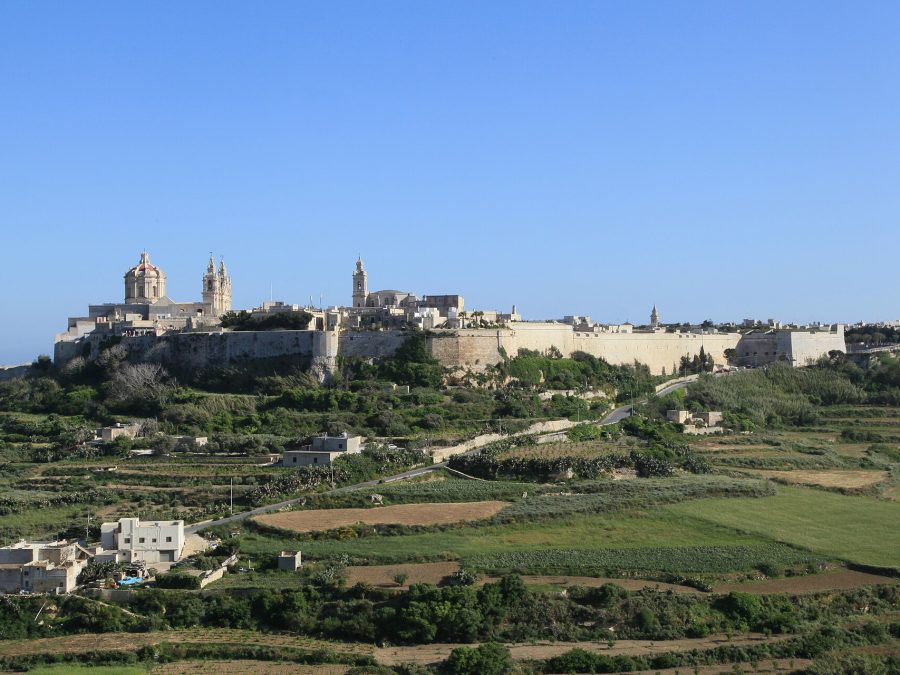
Frank Vincentz / Wikimedia Commons, CC BY-SA 3.0 Mdina
Malta's old walled capital sits on a hilltop inland, a near-silent knot of palaces and churches with views from its bastions over half the island.
Buses 51, 52 and 53 from Valletta take about 30 minutes.
The 48-hour Valletta weekend route
Day 1
Morning: Start at St John’s Co-Cathedral, the Knights’ conventual church. The outside is plain; the inside is gold from floor to vault, and the floor itself is a patchwork of inlaid marble tombstones. In the oratory hangs Caravaggio’s The Beheading of Saint John the Baptist, the only painting he ever signed. The Co-Cathedral opens Monday to Saturday from 9am to 4.45pm, with last entry at 4pm, and is closed on Sundays and public holidays.
Walk a block up Republic Street to the Grandmaster’s Palace on St George’s Square. The state rooms, painted corridors and armoury are open, but the Throne Room is closed until further notice. On a few dates (18 November and 2 December 2026, then 27 January, 24 February and 17 March 2027) the state rooms only open from 1.30pm, with just the armoury open before then, so plan around those days.
Afternoon: Be at the Upper Barrakka Gardens before midday. From the arcaded terraces you look straight across the Grand Harbour to the Three Cities. Below, at the Saluting Battery, the noon gun fires at 12pm, with a second firing at 4pm, Monday to Saturday. The guns stay silent on 24, 25 and 31 December, 1 January, Good Friday and Easter Sunday. After lunch, walk the length of the city along the sea walls to Fort St Elmo, the star fort at the tip of the peninsula and home of the National War Museum.
Evening: Loop back via the Lower Barrakka Gardens and its small Greek-style temple, then wander Strait Street, once the sailors’ alley of bars and music halls, now a quieter strip of wine bars. In December, finish on Republic Street under the Christmas lights.
Tip: Stand on the upper terrace of the Upper Barrakka Gardens rather than at the railings above the battery. You see the gun crew and the harbour together.
Day 2
Morning: Take the Barrakka Lift down from the Upper Barrakka Gardens. It drops 58 m to sea level, and the tunnel at the bottom comes out opposite the Lascaris ferry landing. From here the harbour ferry crosses to the Three Cities, calling at Cospicua (Bormla), a few minutes’ walk from Birgu, and at Senglea (Isla). It is the best view of Valletta’s walls you will get without a boat tour.
In Birgu, walk up to Fort St Angelo, the Knights’ headquarters during the Great Siege, for the view back across to Valletta’s domes. Then lose an hour in the lanes of the Collacchio, the old quarter where the knights lived, before it was replaced by the new capital.
Afternoon: Cross to Senglea and walk to the Gardjola Gardens at the tip of the peninsula. The stone lookout post carved with an eye and an ear faces the entrance to the Grand Harbour, and it is one of the most photographed spots in Malta. Take the ferry back to Valletta in the late afternoon.
Evening: Watch the harbour turn gold from the Upper Barrakka again, then have dinner within the walls. Valletta goes quiet after dark, which makes it one of the better romantic evenings in southern Europe.
Tip: In winter the Three Cities ferry stops earlier in the evening, so plan to be back on the Valletta side before dark.
Optional half day: Mdina
Buses 51, 52 and 53 leave Valletta’s bus terminus about every 10 minutes and take around 30 minutes to Rabat, just outside the Mdina Gate. Mdina, Malta’s walled medieval capital, is small and mostly car-free, with Baroque St Paul’s Cathedral at its heart and views from the bastions across the whole island. Go in the morning or late afternoon, when the lanes are at their quietest. It slots in on a third morning or in place of Fort St Elmo on Day 1.
Valletta in winter
Malta has some of the mildest winter weather of any European capital. The UK Met Office gives average highs of about 17°C in December, 16°C in January and February and 17°C again in March, with nights around 9–11°C. Expect around five or six hours of sunshine a day. The sea stays at roughly 15–18°C, too cool for most swimmers but fine for a paddle.
Winter is also the wet season, with most of the year’s rain falling between December and February, often in short, heavy bursts. Pack a light waterproof, a warm layer for the evenings and shoes with grip, since limestone streets turn slippery in rain.
Most sights stay open all winter, but check for holiday closures. The Co-Cathedral shuts on public holidays, and the harbour ferries switch to a shorter winter timetable from 1 November to 31 May.
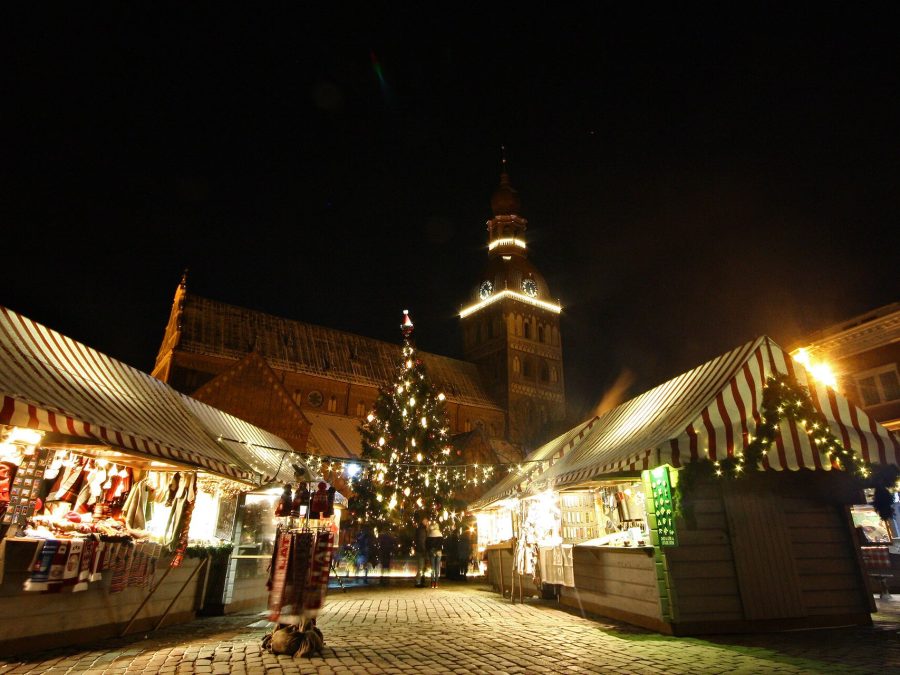
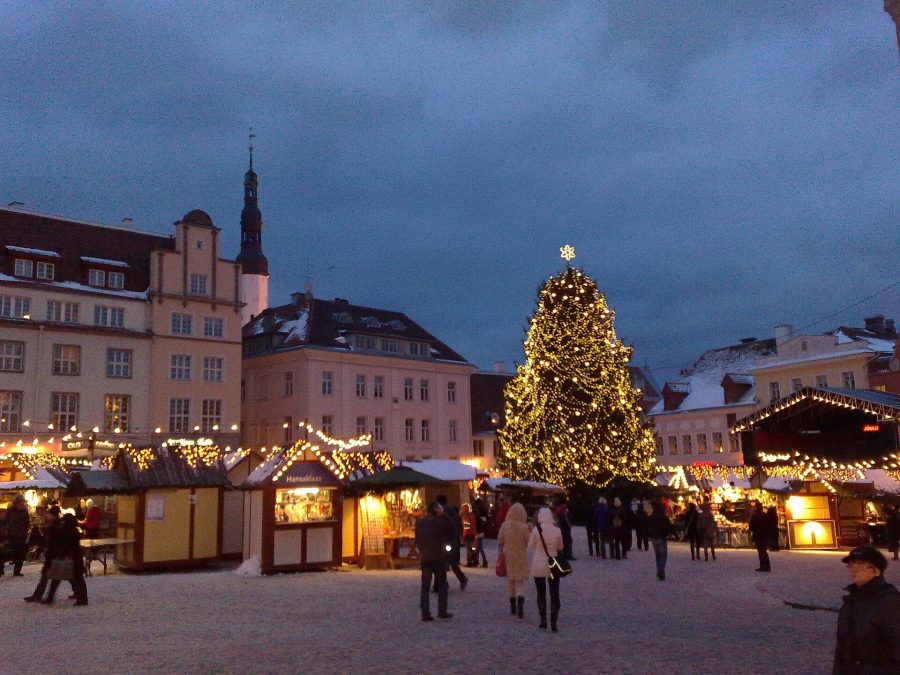
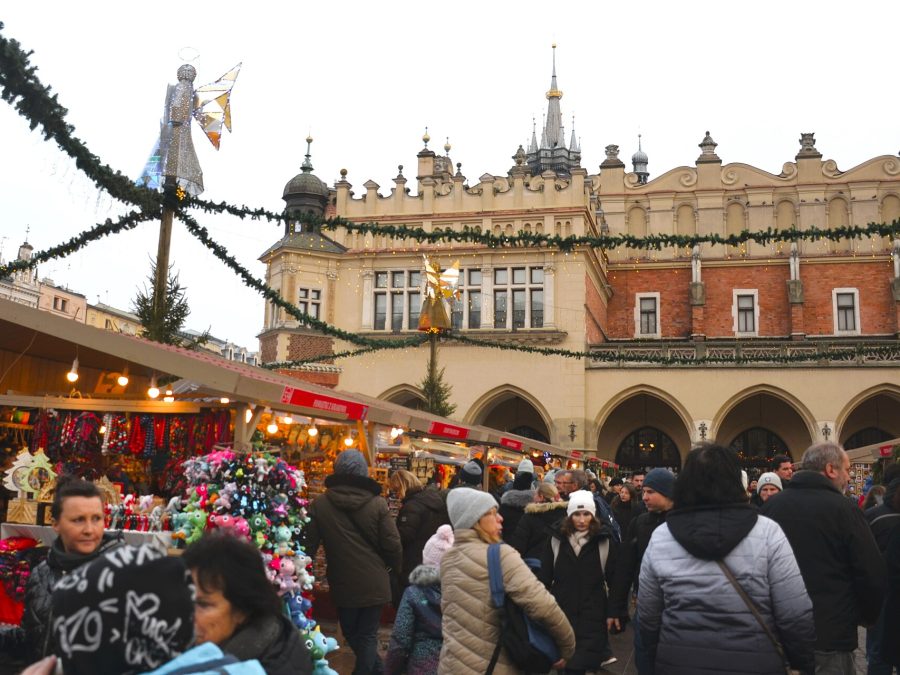
Christmas and New Year 2026: Christmas in the Capital runs from 25 November to 31 December 2026, with street decorations, a nativity crib, the city’s Christmas tree, live performances and family activities. On 31 December 2026, Valletta’s national New Year’s Eve celebration fills St George’s Square from 10pm to 2am, with a concert followed by fireworks over the Grand Harbour.
Where to stay
- Valletta, inside the walls: Boutique hotels in old palazzos, everything on foot and calm evenings. Best for first-timers and couples.
- Birgu: Small guesthouses and a marina setting, with the ferry to Valletta at the door. Best for repeat visitors who want quiet.
- Floriana: Just outside the city gate, next to the bus terminus. Best for an early airport run or a trip to Mdina.
- Sliema: Across Marsamxett Harbour, with a seafront promenade and more hotels and restaurants, linked to Valletta by ferry. Best for a longer stay with an evening buzz.
What to eat and drink
- Pastizzi: Flaky pastry parcels filled with ricotta or mushy peas, the national snack, best eaten warm.
- Ftira: Ring-shaped Maltese bread, split and filled with tuna, capers, olives and tomato.
- Rabbit stew (stuffat tal-fenek): Slow-cooked in wine and garlic, the island’s signature dish.
- Lampuki pie: A fish pie made with dorado, an autumn and early-winter speciality.
- Kinnie and Cisk: The bittersweet orange soft drink and the local lager.
- Imqaret: Date-filled pastries, fried and sold warm.
Where to go:
- Is-Suq tal-Belt (Merchants Street): Valletta’s 19th-century covered market, restored as a food hall with stalls, a central bar and plenty of seating. Good for an easy lunch on Day 1.
- Caffe Cordina (Republic Street): The city’s grand old café, open since 1837, with a painted ceiling and a counter of Maltese sweets.
- Fontanella Tea Garden (Mdina): A long-running café on the bastions, known for its chocolate cake and the view.
Getting around
Valletta is compact and almost entirely pedestrianised inside the walls, but it is hilly, with steep stepped streets running down to the sea. Comfortable shoes matter more than any travel pass.
Getting there: Malta International Airport is a short drive south of Valletta, linked by direct buses and taxis. Valletta’s bus terminus sits just outside the City Gate.
Ferries: Two harbour ferries run from Valletta, operated by Valletta Ferry Services: one to the Three Cities from the Lascaris landing below the Barrakka Lift, and one to Sliema across Marsamxett Harbour, a crossing of around 10 minutes. Departures run at least every 30 minutes. In winter (1 November to 31 May) the Three Cities ferry runs Monday to Saturday from 6.30am to 7.15pm, and on Sundays and public holidays from 9am to 6.15pm. The Sliema ferry runs Monday to Saturday from 6.45am to 7.30pm, and on Sundays and public holidays from 8.45am to 6.30pm. Check the operator’s current timetable before you travel.
Good to know
- Sundays: The Co-Cathedral and the Saluting Battery are closed on Sundays, so put them on Saturday or Monday.
- Dress: Cover shoulders and knees for the Co-Cathedral and other churches.
- Heritage Malta sites: Fort St Elmo, Fort St Angelo and the Grandmaster’s Palace are run by Heritage Malta; check its website for current hours and occasional closures for state functions.
- More winter sun: Compare Malta with our Sicily guide, the Canary Islands and Fuerteventura. For more ideas, see our best city breaks in Europe and most romantic destinations.
- What’s on: See this weekend’s picks for events across Europe.
FAQ
Is Valletta worth visiting in winter?
Yes. Days are usually mild and bright, crowds are thin and nearly all the sights stay open. The Met Office gives average December highs of about 17°C, though December to February brings the most rain.
Is a weekend enough for Valletta?
Two days covers Valletta itself and the Three Cities at a relaxed pace. Add a half day for Mdina, or a third day if you also want Gozo or the coast.
How do you get from Valletta to the Three Cities?
Take the Barrakka Lift down from the Upper Barrakka Gardens to the Lascaris landing and catch the harbour ferry to Cospicua and Senglea. In winter it runs from early morning to early evening, with departures at least every 30 minutes.
What time is the noon gun in Valletta?
The Saluting Battery below the Upper Barrakka Gardens fires at 12pm and again at 4pm, Monday to Saturday. There is no firing on 24, 25 and 31 December, 1 January, Good Friday or Easter Sunday.
How do you get from Valletta to Mdina?
Buses 51, 52 and 53 leave Valletta’s terminus about every 10 minutes and take around 30 minutes to Rabat. From the stop it is a short walk to the Mdina Gate.