Sangiovese is the grape behind Chianti, Brunello di Montalcino and Vino Nobile di Montepulciano, so if you’ve had a glass of Tuscan red, you’ve almost certainly met it. It suits anyone who likes food-friendly reds with more freshness than weight, and it rewards a trip to the hills where it grows.
What it tastes like
Think sour cherry and red plum first, then dried herbs, tomato leaf and a little leather or earth as the wine ages. Sangiovese has high acidity and firm, slightly dusty tannins. It rarely tastes jammy. That structure is why it works so well at the table: it cuts through olive oil, cheese and tomato sauces instead of fighting them.
Young versions are bright and juicy, close to a Pinot Noir in body but with more grip. Wines aged in large old casks, the traditional Tuscan way, keep that red-fruit lift. Those aged in small new oak barrels pick up vanilla and spice and feel rounder.
The name is often said to come from sanguis Jovis, "the blood of Jupiter". It’s a good story, though nobody can prove it.
Where it grows in Europe
Sangiovese is Italy’s most widely planted red grape. Its heartland is central Italy, and Tuscany is where it shows its full range.
Chianti Classico
The historic zone between Florence and Siena, marked by the black rooster on the bottle neck. Expect medium-bodied reds with cherry, violet and herbs. Gran Selezione sits at the top of the quality ladder, made from estate fruit.
Montalcino
A hill town south of Siena that makes Brunello di Montalcino from 100% Sangiovese. The wines are deeper and more structured, and they are released only after long ageing. Rosso di Montalcino is the younger, earlier-drinking sibling and a smart choice for a lunch glass.
Montepulciano
Not to be confused with the Montepulciano grape of Abruzzo. Here the town gives its name to Vino Nobile di Montepulciano, which is mainly Sangiovese and sits stylistically between Chianti and Brunello.
Beyond Tuscany
Romagna makes juicy, generous Sangiovese di Romagna. Umbria uses it in Montefalco blends and in Torgiano. Corsica grows the same grape under the name Nielluccio, where it makes herb-scented reds and pale rosés.
What to eat with it
Sangiovese was built for Tuscan cooking.
- Bistecca alla fiorentina: the thick-cut grilled T-bone loves a Chianti Classico Riserva.
- Pici al ragù: hand-rolled pasta with meat sauce and a young Rosso di Montalcino.
- Pecorino: aged sheep’s cheese from Pienza with Vino Nobile.
- Pizza margherita: the acidity in the tomato meets the acidity in the wine.
Tip: Serve Sangiovese slightly cool, around cellar temperature. A short spell in the fridge before dinner sharpens the fruit and softens the tannin.
Where to taste it on a weekend
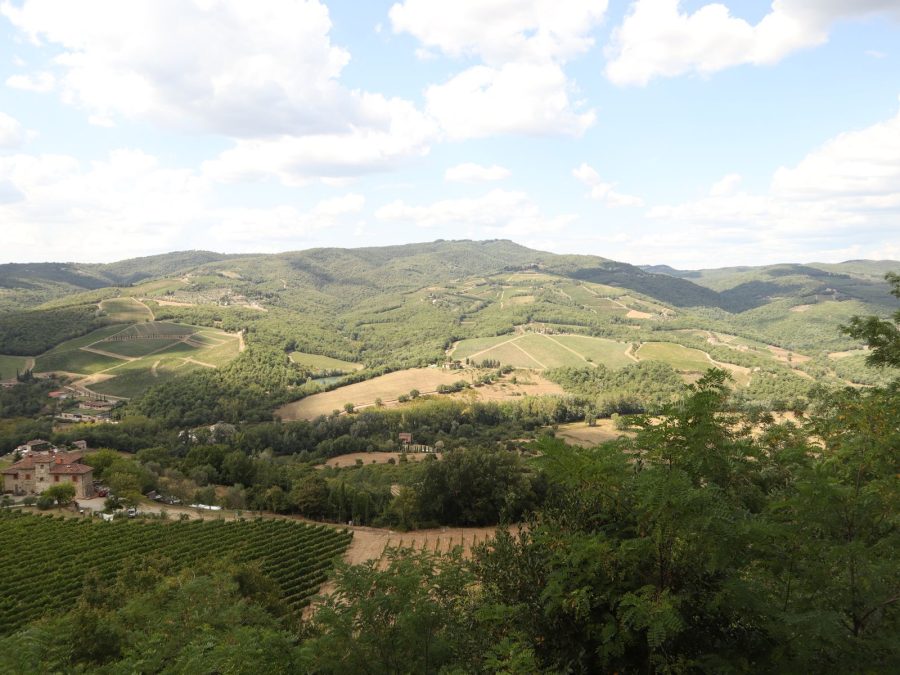
The obvious answer is the right one: Tuscany. Fly into Florence or Pisa, pick up a car and base yourself in the Chianti hills or around Siena. Two days gives you time for one Chianti Classico village on Saturday and a drive south to Montalcino or Montepulciano on Sunday.
- Day 1: Drive the SR222, the Chiantigiana, between Florence and Siena. Stop in Greve, Panzano or Castellina for a tasting and a long lunch.
- Day 2: Head south through the Val d’Orcia to Montalcino for Brunello, then on to Montepulciano for Vino Nobile and the views from the top of town.
Most estates prefer visitors to book a tasting ahead, especially at weekends. Agree on a designated driver, or book a guided tour, because the roads are narrow and winding.
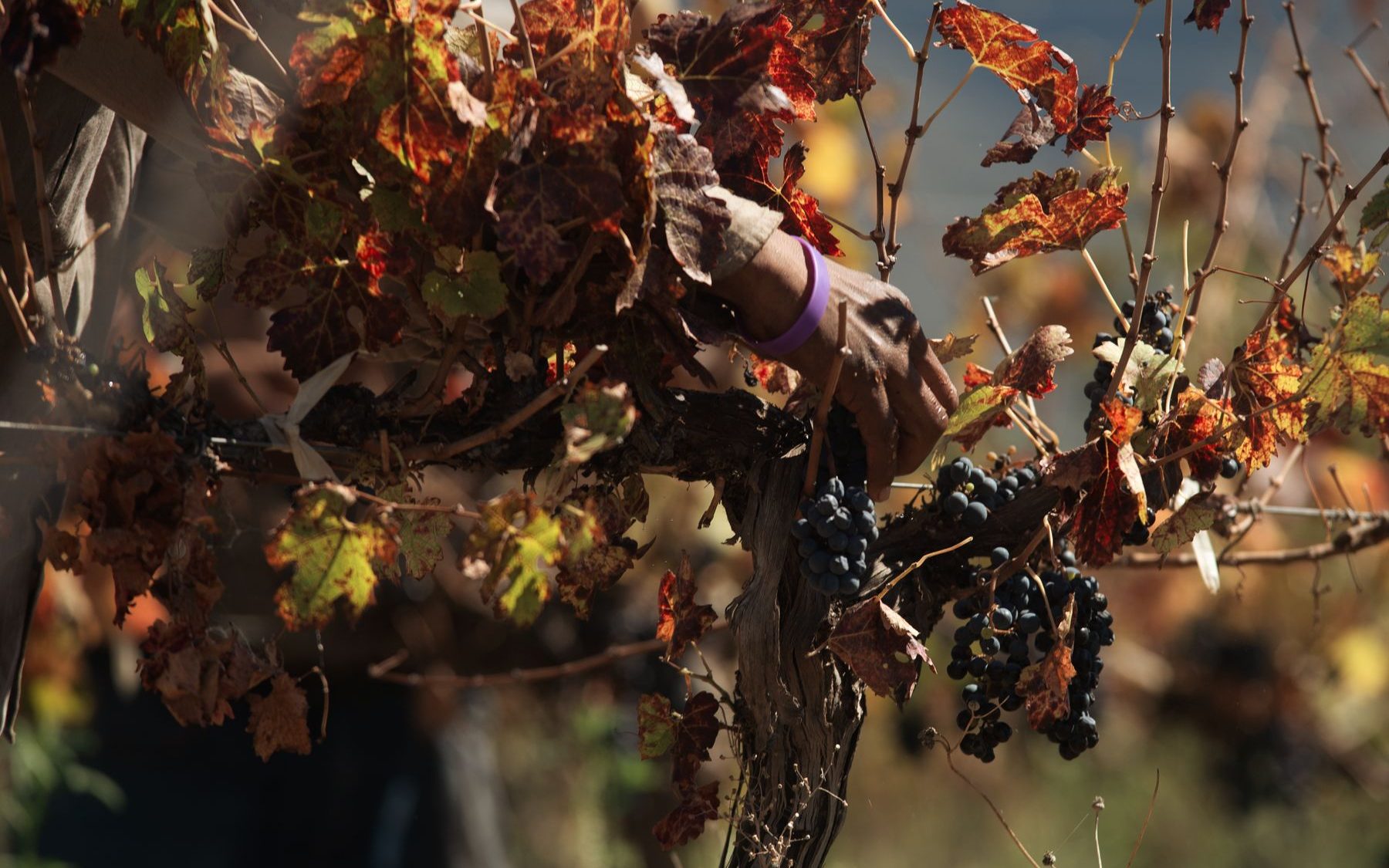
Tip: Spring and early autumn are the sweet spots. The harvest runs from about September into October, so cellars are busy but the atmosphere is at its best.
For the full regional picture, read our guide to Tuscany: the wine and the region. Pair it with the best things to do in Tuscany or a city stop in Florence. If Piedmont’s Nebbiolo is next on your list, see Piedmont: the wine and the region, and compare more options in the best wine regions in Europe.
FAQ
Is Chianti made from Sangiovese?
Yes. Chianti and Chianti Classico are Sangiovese-based, sometimes blended with small amounts of other red grapes such as Canaiolo, Colorino or Merlot.
What is the difference between Brunello and Rosso di Montalcino?
Both are 100% Sangiovese from Montalcino. Brunello is aged much longer before release and is more powerful. Rosso is younger, fresher and easier to drink now.
Does Sangiovese need to age?
Everyday Chianti and Rosso are made to drink young. Top Chianti Classico Riserva, Gran Selezione and Brunello improve for a decade or more.
What grape is similar to Sangiovese?
For a similar balance of red fruit and fresh acidity, try Nebbiolo from Piedmont, or a Pinot Noir with a little more grip.