England has more great beaches than most people get round to. We’ve picked twelve that are worth building a weekend around, from Atlantic surf in Cornwall to empty sands under Northumberland’s castles. Eleven of the twelve were rated "Excellent" for bathing water by the Environment Agency in 2025, and the twelfth was rated "Good".
1. Fistral, Cornwall
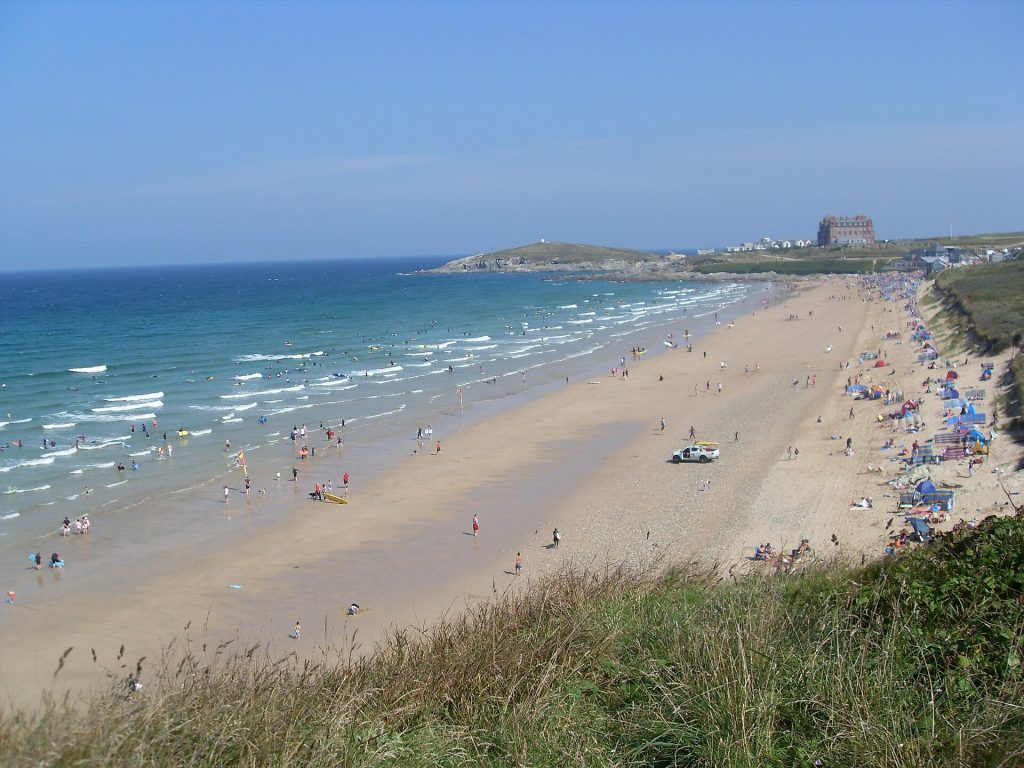
Fistral is England’s best-known surf beach, a wide bay on the western edge of Newquay facing straight into the Atlantic swell. RNLI lifeguards patrol it every day in the 2026 season, and both Fistral North and Fistral South were rated "Excellent" in 2025. Surf schools and board hire make it easy to try surfing for the first time.
Best for: Surfers, first-time surfers and a lively beach-town weekend.
2. Porthcurno, Cornwall
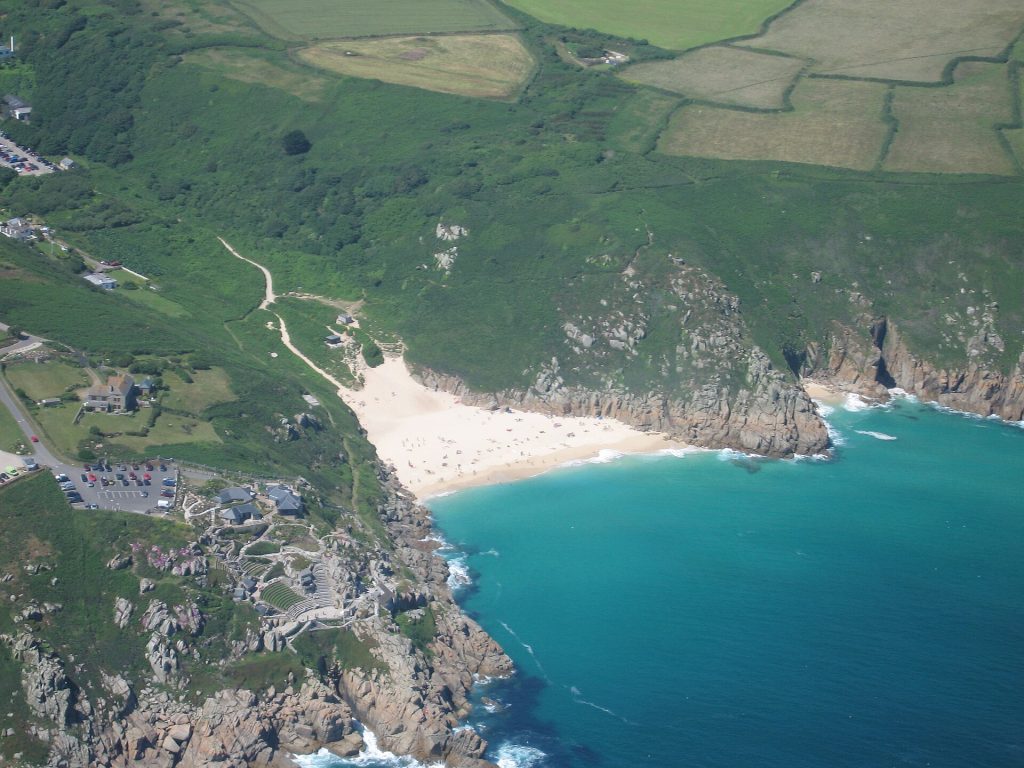
Near Land’s End, Porthcurno is a small cove of fine, pale sand set between granite cliffs, with turquoise water on a sunny day. The cliffside Minack open-air theatre looks down on it. Its water was rated "Excellent" in 2025, but check conditions and swim with care.
Best for: Photographers and couples after Cornwall at its most dramatic.
3. Perranporth, Cornwall
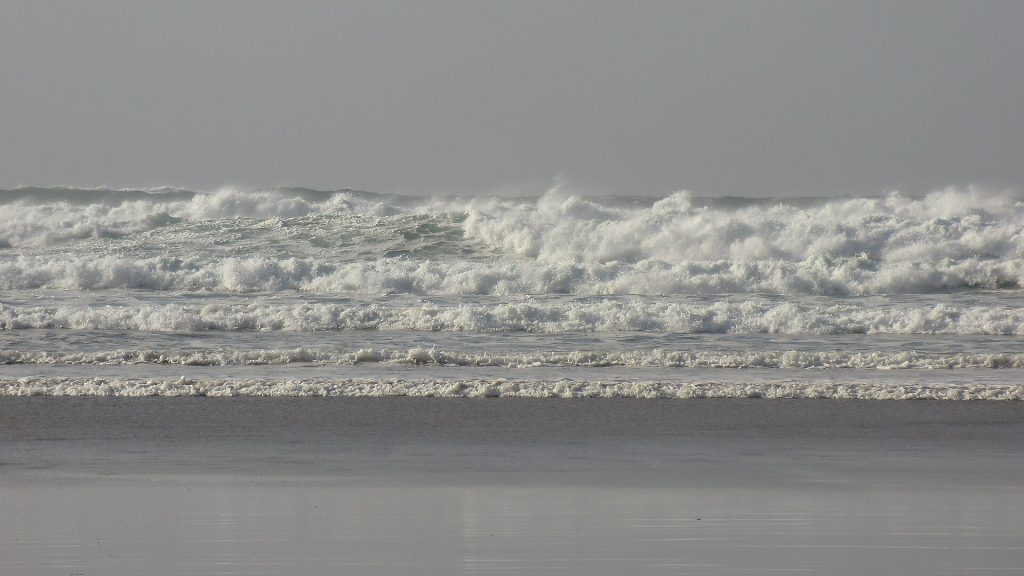
A huge beach that joins Perran Sands at low tide, with dunes behind and a seawater pool built into Chapel Rock. Its RNLI lifeguard season runs from 3 April to 1 November in 2026, and its water was rated "Good" in 2025. Read our Perranporth beach guide for tides, dogs and food.
Best for: Families and dog walkers who want space.
4. Woolacombe, Devon
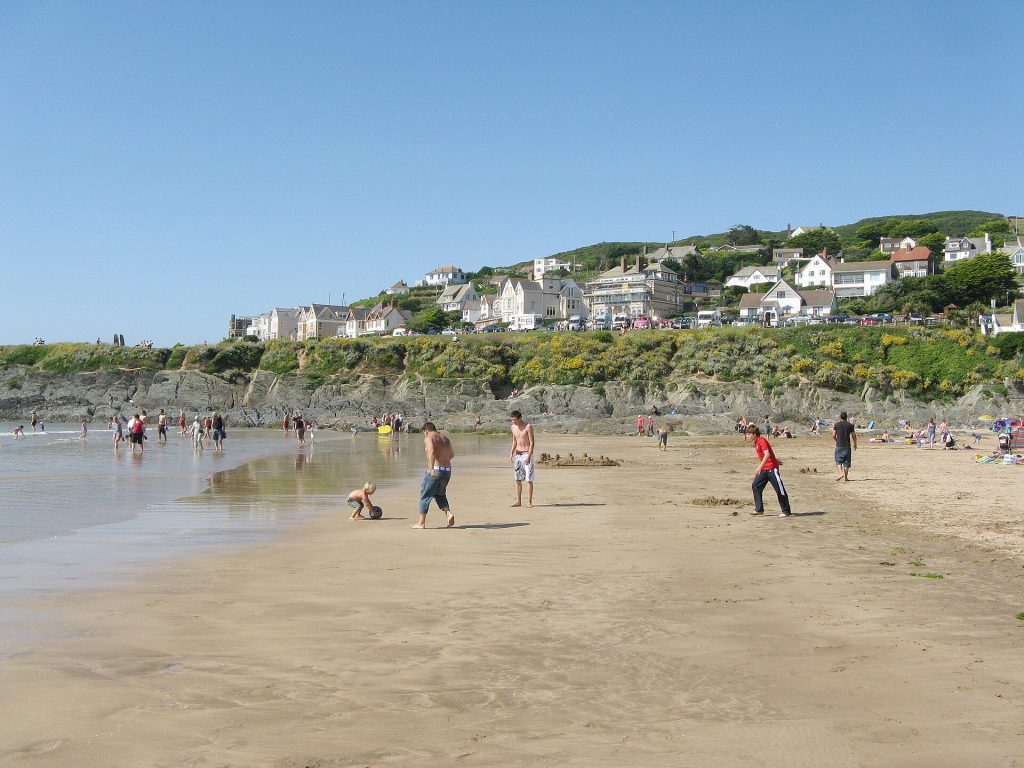
Woolacombe’s long, gently sloping sweep of sand faces the Atlantic on Devon’s north coast, with grassy headlands at each end. RNLI lifeguards patrol it daily from 2 May in the 2026 season. The surf is usually gentler than Cornwall’s big breaks, which makes it good for beginners.
Best for: Families and beginner surfers.
5. Studland Bay, Dorset
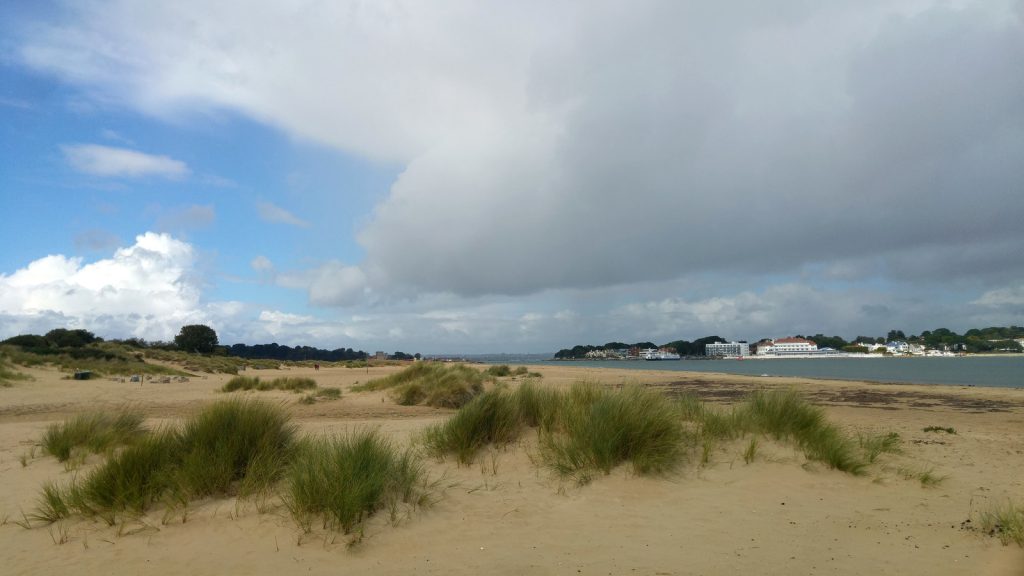
The National Trust looks after about four miles of sand at Studland, split into Knoll, Middle, South and Shell Bay beaches. It is sheltered and slopes gently into the sea, with heath and dunes behind. There are toilets at Knoll, Middle and Shell Bay, plus a café, shop and Changing Places toilet at Knoll. You can arrive in style on the chain ferry from Sandbanks.
Best for: Families with young children and a slower pace.
6. Bournemouth, Dorset
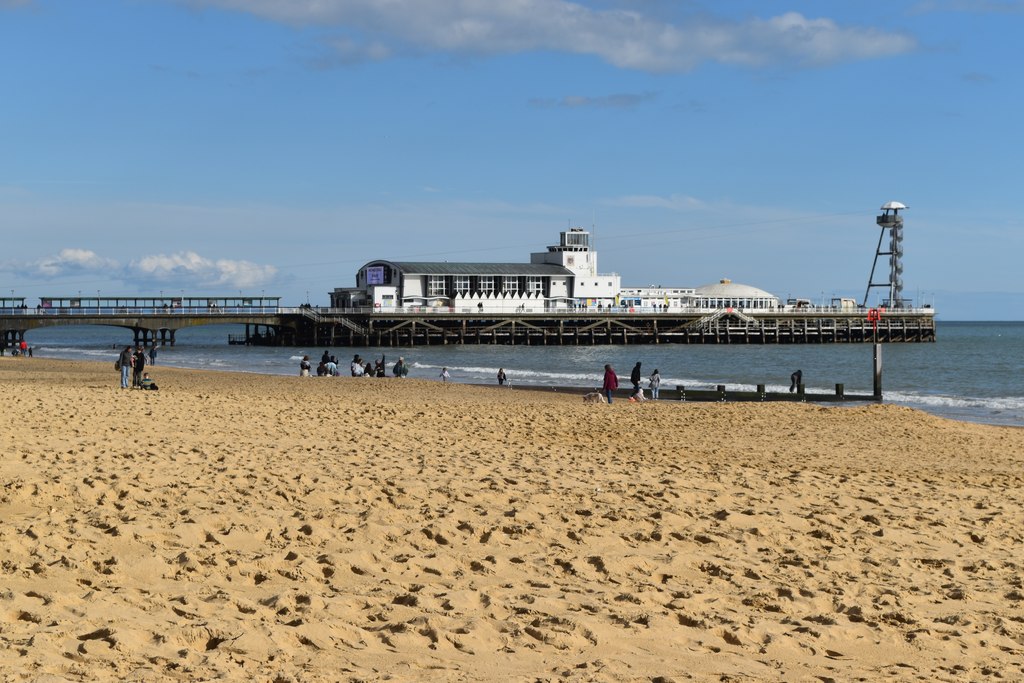
About seven miles of golden sand, two piers and a long promenade make Bournemouth the easiest big beach town on the south coast. Lifeguards patrol the beaches next to the pier from late March to late September. See our Bournemouth beach guide for dog zones and the best stretches.
Best for: A beach weekend with a town on the doorstep.
7. West Wittering, West Sussex
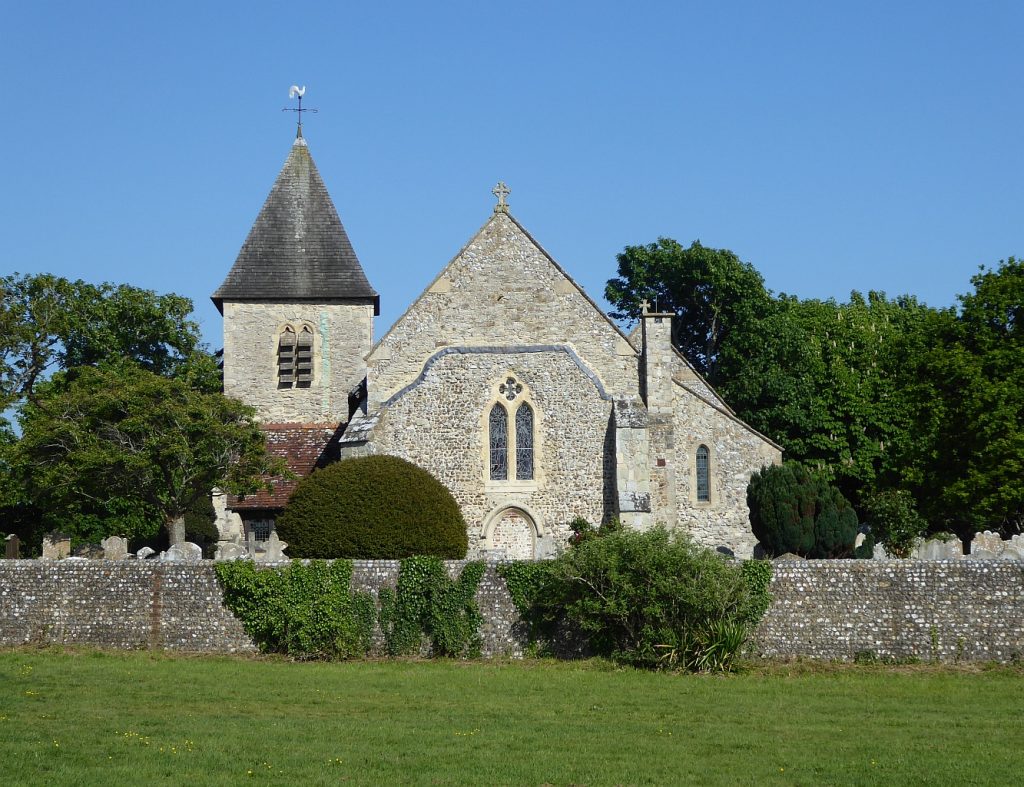
A wide, unspoilt sandy beach at the mouth of Chichester Harbour, with shallow lagoons at low tide and the dunes of East Head at one end. Parking can be pre-booked until 11pm the night before, which is a must on summer weekends. Our West Wittering guide covers the booking rules and safety.
Best for: Young families and windsurfers.
8. Compton Bay, Isle of Wight
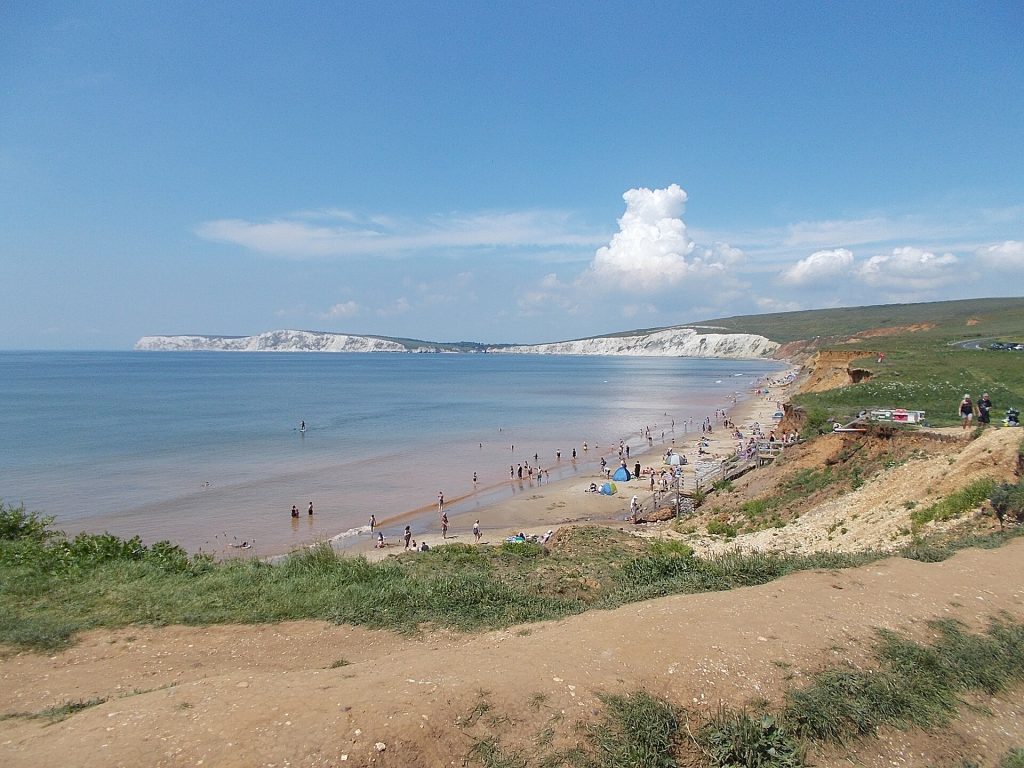
On the island’s south-west coast, Compton Bay is a long stretch of sand under crumbling chalk and sandstone cliffs, with views west to the Needles. It is wild and undeveloped, so bring what you need. Low tide is a good time to look for fossils and dinosaur footprint casts on the foreshore.
Best for: Fossil hunters and walkers.
9. Ventnor, Isle of Wight
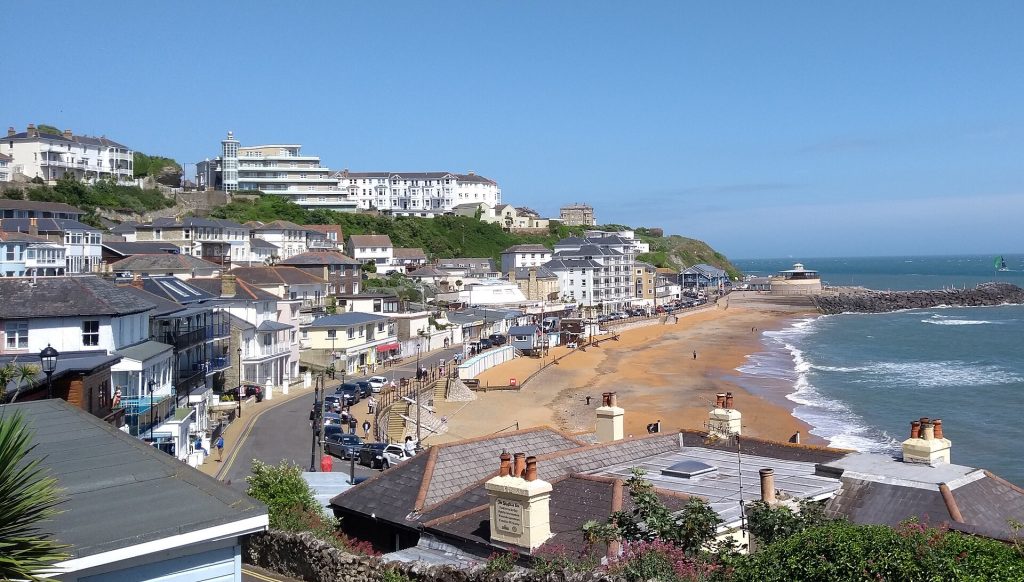
Ventnor’s small beach sits below a steep Victorian resort town on the island’s sunny south coast. It is sheltered, with cafés along a pretty esplanade. Combine it with Compton Bay for a two-beach island weekend.
Best for: A gentle seaside break with an old-fashioned feel.
10. Wells-next-the-Sea, Norfolk
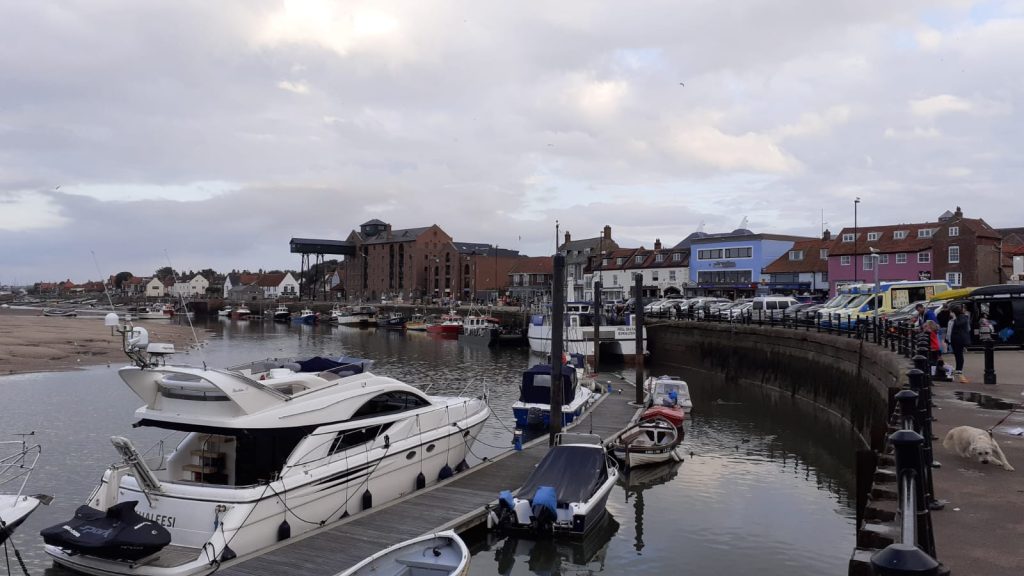
Wells beach is a vast, flat expanse of sand backed by pinewoods and a line of colourful stilted beach huts. It runs on into Holkham’s famous sands to the west. The tide goes out a very long way and comes back fast across the flats, so keep an eye on the time.
Best for: Long walks, birdwatchers and big skies.
11. Bamburgh, Northumberland
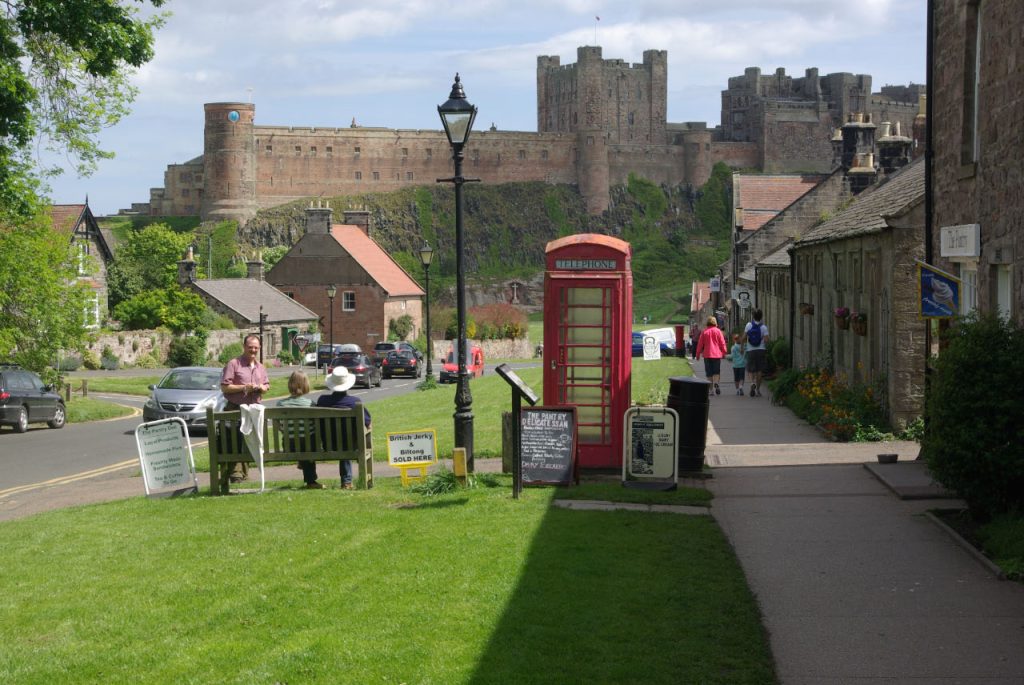
Few beaches have a backdrop like Bamburgh: miles of empty sand and dunes with a huge castle on the rock above. On a clear day you can see out to the Farne Islands. The water is cold, but it was rated "Excellent" in 2025.
Best for: Castle lovers and bracing coastal walks.
12. Whitby, North Yorkshire

Whitby’s West Cliff beach stretches north from the harbour towards Sandsend, with the ruined abbey on the opposite cliff. It is backed by beach huts and has easy access to the town’s fish and chips. Walk to Sandsend at low tide for one of the best short beach walks in the north.
Best for: A beach weekend with a historic town.
How to choose
- For surf, go to Fistral, Perranporth or Woolacombe.
- For young children, pick sheltered, shallow beaches like Studland or West Wittering.
- For drama and walks, head north to Bamburgh or to the Isle of Wight’s Compton Bay.
- For a beach with a town attached, choose Bournemouth or Whitby.
Tip: Before any beach day, check the tide times and look for the red and yellow flags. No flags means no lifeguards.
For city breaks to pair with the coast, see the best places to visit in England, or our guides to Brighton beach and Margate beach.
FAQ
What is the best beach in England?
It depends on what you want. Fistral is the pick for surfing, Studland and West Wittering for families, and Bamburgh for scenery. All three were rated "Excellent" for water quality in 2025.
Which English beaches have the cleanest water?
Eleven of the twelve beaches on this list were rated "Excellent" in the Environment Agency’s 2025 bathing water classifications. Perranporth was rated "Good". Check the government’s bathing water pages for the latest results before you swim.
When is the best time to visit English beaches?
June and September are often the sweet spot, with warmer water, longer days and fewer crowds than the August school holidays. Many lifeguard services run from May to September.
Are there sandy beaches near London?
Yes. West Wittering in West Sussex and Margate in Kent are both sandy and reachable for a day trip from London.