Sofia packs nearly two thousand years into a centre you can cross on foot. Gold domes rise over a Roman crossroads, the metro runs past the walls of an ancient town, and a mountain stands at the end of the main shopping street. Two days covers the great churches, the best museums and a short trip to a frescoed medieval church. It suits history lovers, art fans and anyone who wants a winter capital that feels calm rather than crowded.
Why go
Sofia is one of Europe’s oldest cities, and you see its layers everywhere. The Roman town of Serdica lies under the centre, a 4th-century rotunda hides in a courtyard, and an early Christian basilica gave the city its name. On top sit the gilded Alexander Nevsky Cathedral, a former royal palace and grand civic buildings from the early 20th century.
It is also an easy winter weekend. The sights are close together, the museums are quiet out of season, and the metro links the airport straight to the city. When the sky is clear, Vitosha mountain stands white with snow just beyond the southern suburbs.
Sofia
Don’t miss
The places that make the trip, and why each one deserves your time.

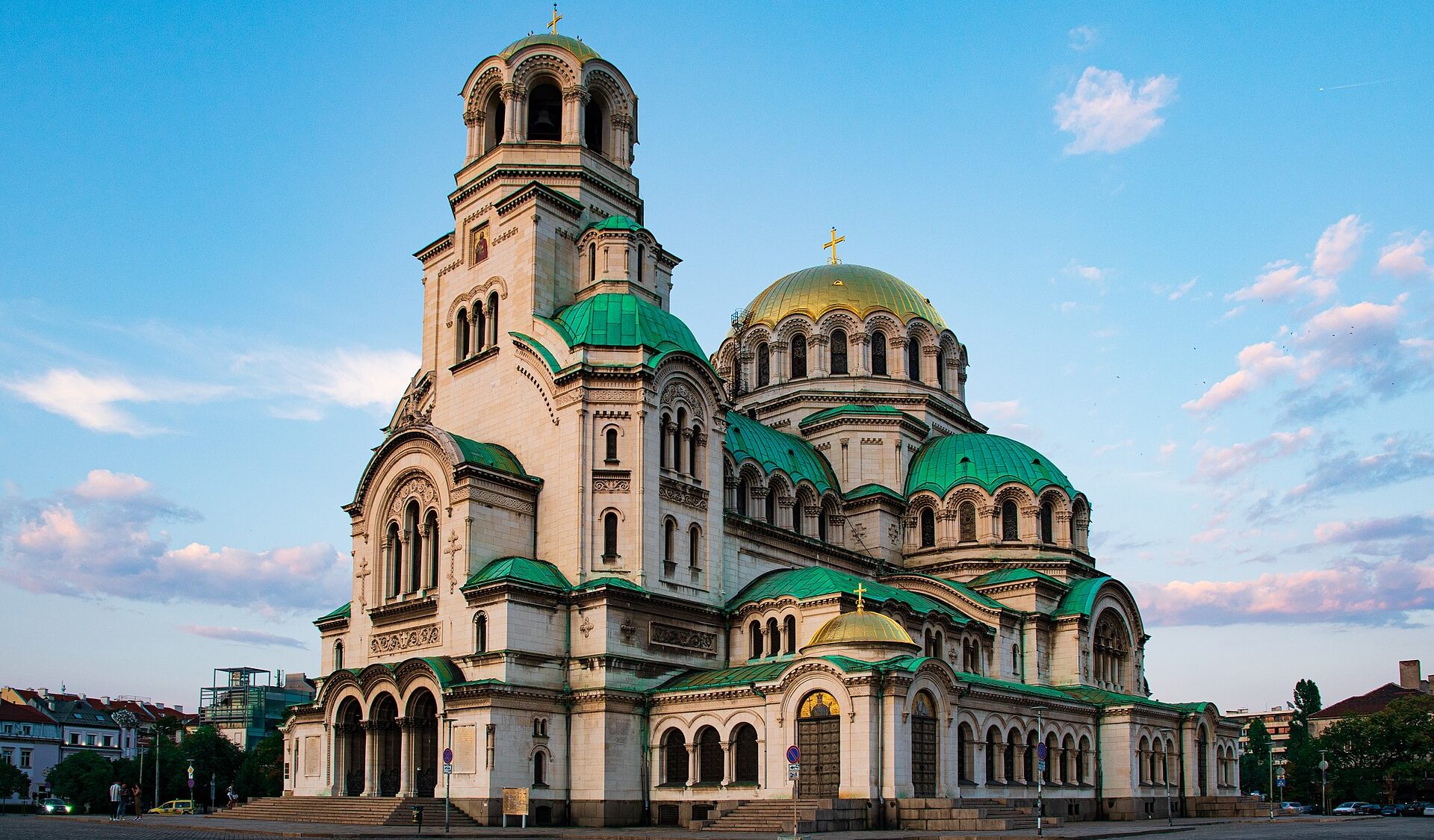
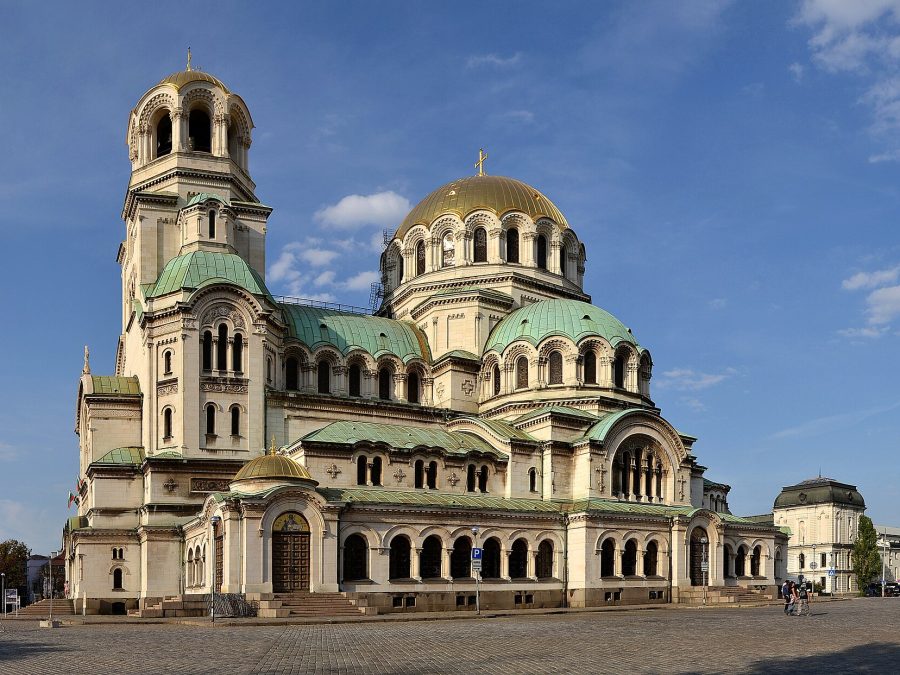
Pudelek (Marcin Szala) / Wikimedia Commons, CC BY-SA 3.0 Alexander Nevsky Cathedral
Sofia's great Neo-Byzantine cathedral, its gilded domes rising over the square, with a crypt that holds icons, fresco fragments and manuscripts from the 4th century to the National Revival.
The crypt museum closes on Mondays.
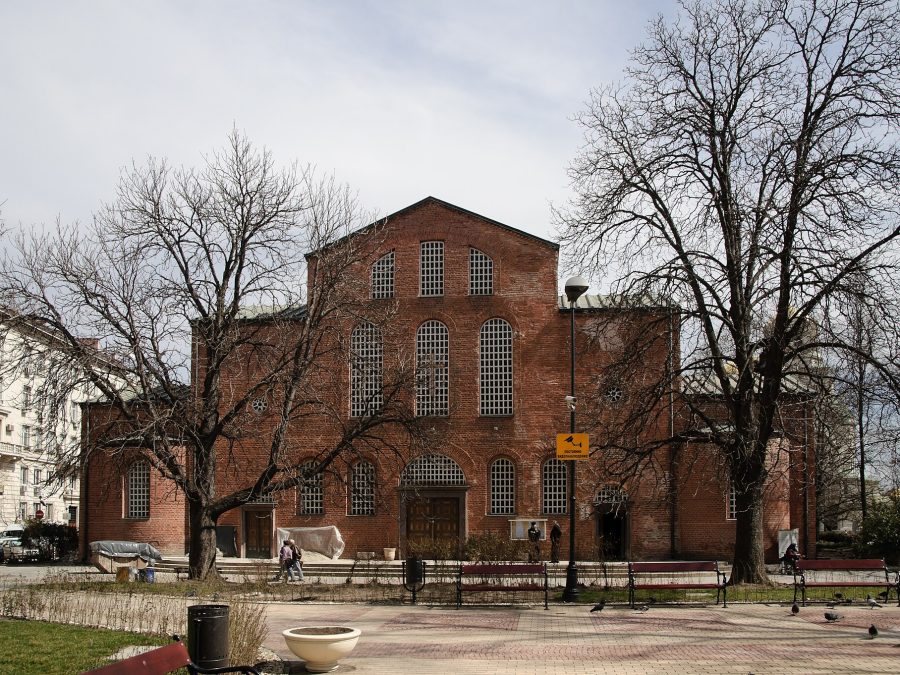
MrPanyGoff / Wikimedia Commons, CC BY-SA 3.0 Saint Sofia Church
A plain, powerful early Christian brick basilica that gave the city its name, standing just across the square from the cathedral, with an archaeological level beneath it.
Pair it with the cathedral; they are next door.
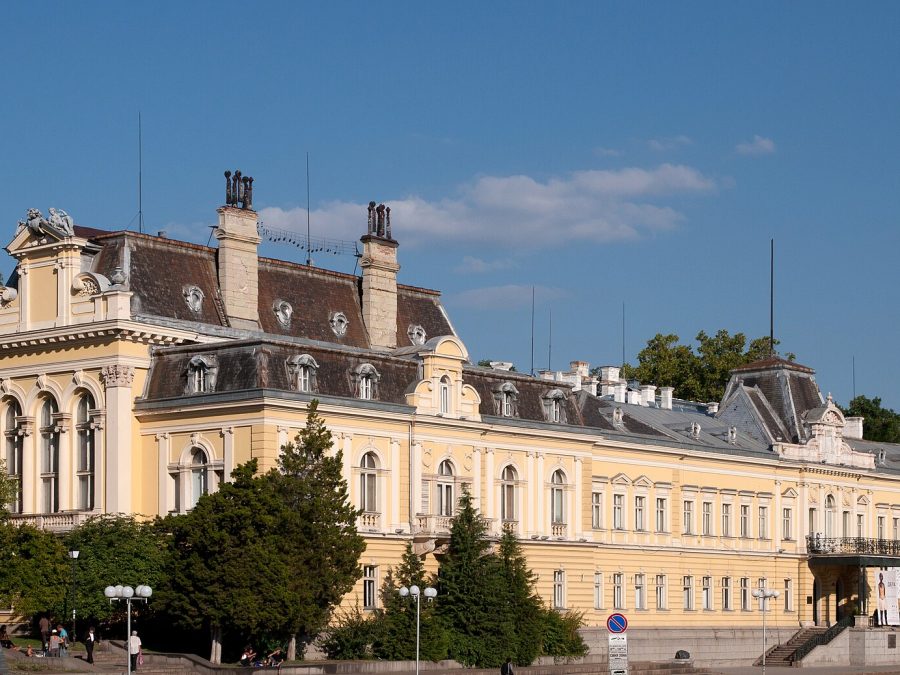
MrPanyGoff / Wikimedia Commons, CC BY-SA 3.0 National Gallery at the Palace
The former royal palace, built after Bulgaria's liberation from Ottoman rule, was the National Gallery's first home and now hosts temporary exhibitions of Bulgarian and foreign art.
Open Tuesday to Sunday, 10am to 6pm.
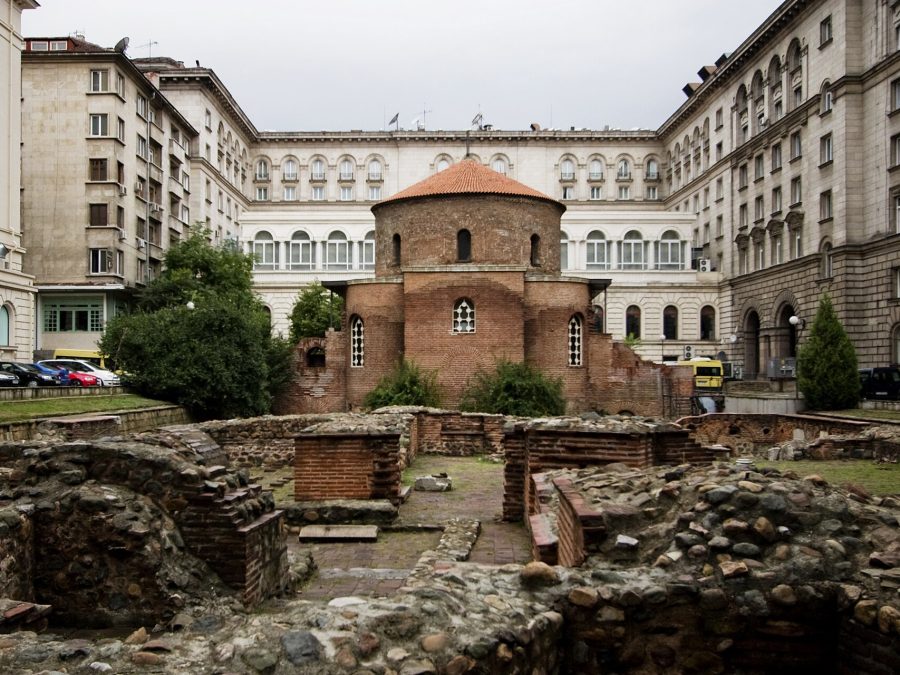
Ann Wuyts / Wikimedia Commons, CC BY 2.0 Rotunda of St George and Serdica
A red-brick Roman rotunda set among the excavated streets of ancient Serdica, whose remains continue right into the Serdica metro station below the city centre.
Walk through the Serdica metro station to see the ruins.
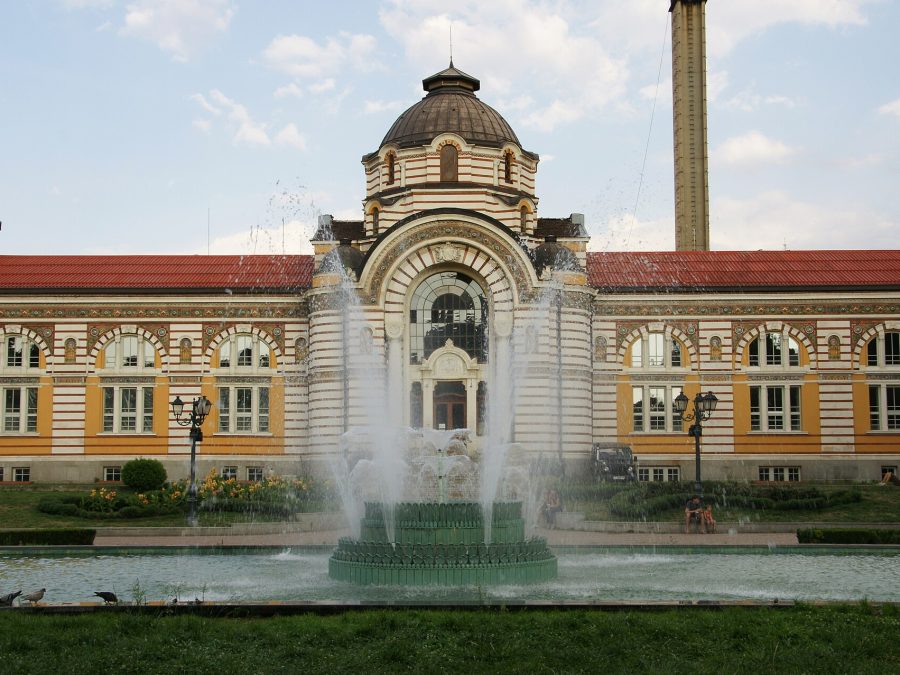
Jaimrsilva / Wikimedia Commons, CC BY-SA 4.0 Central Mineral Baths
A striped, tiled bathhouse that opened in 1913 on Banski Square and now holds the Museum of History of Sofia, telling the city's story from prehistory onwards.
Closed on Mondays from November to April.
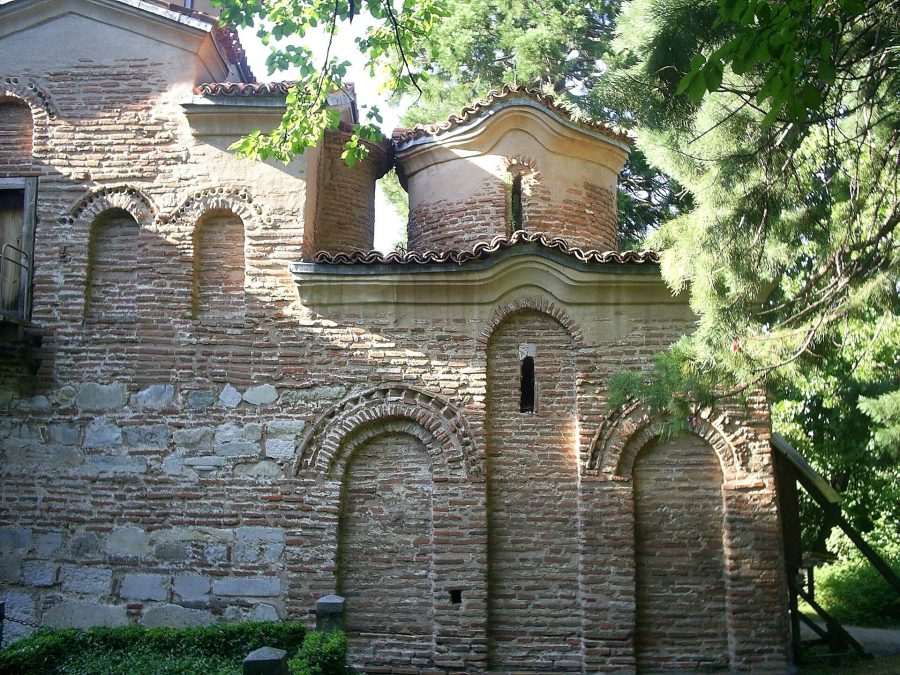
Svilen Enev / Wikimedia Commons, CC BY-SA 3.0 Boyana Church
A small medieval church at the foot of Vitosha, its walls covered in frescoes from 1259 by an unknown master, on the UNESCO World Heritage List since 1979.
Only nine visitors inside at once, for ten minutes.
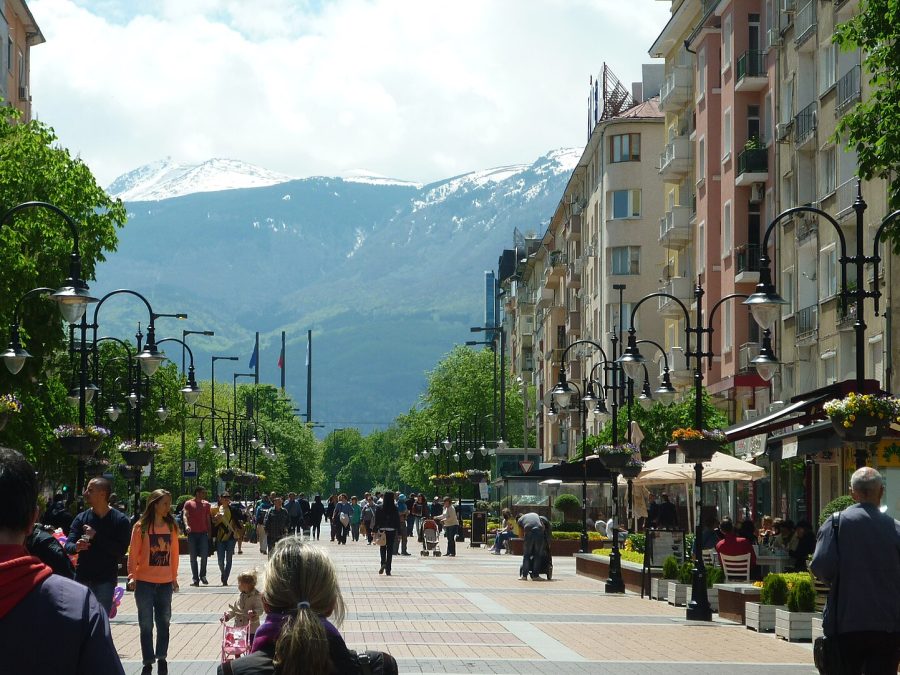
Stolichanin / Wikimedia Commons, CC BY-SA 4.0 Vitosha Boulevard
Sofia's pedestrian high street runs south towards the National Palace of Culture, with Vitosha mountain filling the view at the far end on a clear winter day.
Walk it at dusk, ending at the National Palace of Culture.
A Sofia weekend guide: the 48-hour route
Plan around Mondays. The Museum of Christian Art in the cathedral crypt, the National Gallery at the Palace and the Museum of History of Sofia all close on Mondays in winter, so a Saturday and Sunday fits everything below.
Day 1
Morning: Start at Alexander Nevsky Cathedral, the cathedral church of the Bulgarian Patriarch and the city’s signature view. Walk around the outside first to take in the domes, then step into the dim, candlelit interior. Afterwards, go down to the crypt, home to the Museum of Christian Art, part of the National Gallery. It is open Tuesday to Sunday from 10am to 6pm, with the ticket office closing at 5.30pm. Inside are icons, fresco fragments, manuscripts and church plate from the 4th century to the Bulgarian National Revival of the 18th and 19th centuries.
Late morning: Cross the square to Saint Sofia Church, the early Christian basilica that gave Sofia its name. Its bare brick walls make a striking contrast with the cathedral’s gold. The Museum of History of Sofia includes the basilica’s archaeological level among the sites on its Ancient Sofia walking tours.
Afternoon: Walk west to Knyaz Alexander I Square and the Palace. Built as the royal palace after Bulgaria’s liberation from Ottoman rule, it was the first home of the National Gallery and now hosts temporary exhibitions of Bulgarian and foreign art. It keeps the same hours as the crypt: Tuesday to Sunday, 10am to 6pm. From here, a short walk brings you to the Rotunda of St George, a small Roman brick church in a courtyard surrounded by the excavated remains of Serdica.
Tip: Walk through the Serdica metro station on Sveta Nedelya Square. The line passes under the archaeological site near the west gate of the ancient town, and the station’s design takes in the remains found above it.
Evening: Finish around Banski Square, where the Central Mineral Baths, with its striped and tiled facade, looks especially fine after dark. Then head to dinner nearby and try Bulgarian classics such as shopska salad and kavarma.
Day 2
Morning: Head out to Boyana Church, at the foot of Vitosha. Take metro line M2 towards Vitosha to the end of the line, then bus 64 to the Boyansko hanche stop and walk about 500 metres uphill. The city’s tourist board puts the journey at about an hour from Vitosha Boulevard. From 1 November to 31 March the church opens daily from 9am to 5.30pm, with tickets on sale until 5pm. Its frescoes date from 1259, painted by an unknown master, and the church has been on the UNESCO World Heritage List since 1979.
Tip: Only nine people may be inside Boyana Church at once, for up to ten minutes. Pre-booked groups get set half-hour slots, so arrive at opening for the calmest visit.
Late morning: Combine Boyana with the National Museum of History, which runs the church. It sits on a hill near the ring road, and from November to March it opens daily from 9am to 5.30pm, with the cash desk closing at 4.45pm. The tourist board suggests bus 111 and bus 107 to link the two. To go back to the centre, take bus 64 to Vitosha metro station and the M2 towards Obelya.
Afternoon: Spend the rest of the afternoon in the Central Mineral Baths, home to the Museum of History of Sofia since 2015. The large building opened on 13 May 1913, and its exhibitions follow the city from its earliest settlers to modern times. From 1 November to 30 April it opens Tuesday to Sunday, 10am to 6pm, with last admission at 5.30pm.
Evening: Stroll down Vitosha Boulevard, Sofia’s pedestrian high street, as the lights come on. It ends by the National Palace of Culture, where the city hosts its Christmas Fest in winter. Look for the mountain at the end of the view before dinner.
Sofia in winter 2026–27
Winter is a good time to come. The museums and churches are quiet, the cafés are warm, and the snow on Vitosha makes a fine backdrop to the city. Bring a warm coat, gloves and shoes with good grip for icy pavements.
Sofia Christmas Fest: Sofia Municipality holds its Christmas Fest in front of the National Palace of Culture. The 2026 dates had not been announced on sofia.bg when we checked, so look there before you travel. For more festive trips, see the best Christmas markets in Europe or our Sibiu Christmas market guide.
Holiday closures: The National Museum of History and Boyana Church close on 24 and 25 December, 1 January and Easter Sunday. The National Gallery sites close on Mondays, official Bulgarian holidays, Christmas, New Year’s Day and Easter.
| Sight | Winter hours (Nov–Mar) | Closed | Good to know |
|---|---|---|---|
| Museum of Christian Art (cathedral crypt) | Tue–Sun 10:00–18:00 | Monday | Ticket office closes 17:30 |
| National Gallery, the Palace | Tue–Sun 10:00–18:00 | Monday | Temporary exhibitions |
| Museum of History of Sofia (Central Mineral Baths) | Tue–Sun 10:00–18:00 | Monday (Nov–Apr) | Last admission 17:30 |
| Boyana Church | Daily 09:00–17:30 | 24–25 Dec, 1 Jan, Easter Sunday | Tickets until 17:00; nine visitors at a time |
| National Museum of History | Daily 09:00–17:30 | 24–25 Dec, 1 Jan, Easter Sunday | Cash desk closes 16:45 |
Where to stay
- City centre around Serdica and Sveta Nedelya: Between the Rotunda, the baths and the metro interchange. Best for first-timers who want everything on foot.
- Around Alexander Nevsky Cathedral: Quieter, elegant streets near the cathedral and the university. Best for couples and early starts at the sights.
- Vitosha Boulevard and Lozenets: Near the shops, restaurants and the National Palace of Culture, on metro line M2. Best for evening strolls and an easy run to Boyana.
- Along metro line M4: Handy for the airport. Best for short stays and early flights.
What to eat and drink
- Banitsa: Flaky filo pastry baked with white cheese and egg, the classic Bulgarian breakfast.
- Shopska salad: Tomato, cucumber, peppers and onion under a snowfall of grated white cheese.
- Kavarma: A slow-cooked stew of meat and vegetables, often served in a clay pot. Ideal winter food.
- Kebapche and kyufte: Grilled minced-meat sausages and patties, a staple of the Bulgarian table.
- Lyutenitsa: A thick relish of roasted peppers and tomatoes, spread on bread.
- Rakia and Bulgarian wine: Fruit brandy sipped with the salad, and reds made from local grapes such as Mavrud.
Please drink responsibly. 18+ only.
Most of the route above passes plenty of places to eat. Look for a traditional mehana, a Bulgarian tavern serving grilled meats and stews, in the streets around the centre and off Vitosha Boulevard. For more wine-led trips, see the best wine regions in Europe.
Getting around
The centre is compact. The cathedral, Saint Sofia, the Palace, the Rotunda and the baths are all within a short walk of each other.
Getting there: Sofia Airport’s metro station is in the eastern part of Terminal 2; follow the blue floor markings. Line M4 runs between Obelya and Sofia Airport, and the airport says the journey to the city centre takes about 18 minutes. Trains on the airport route run from 5.30am to midnight every day. Free shuttle buses link the two terminals around the clock. For a taxi, the airport recommends using the desks of its official operator in the arrivals halls rather than offers outside.
The metro: Sofia has four lines. M1 runs from Slivnitsa to Business Park, M2 from Obelya to Vitosha, M3 from Hadzhi Dimitar to Gorna Banya, and M4 from Obelya to Sofia Airport. Serdica, in the heart of the city, is an interchange with Serdica II on line M2.
To Boyana: Take M2 to Vitosha, then bus 64 to Boyansko hanche. Bus 107 also serves Boyana Church.
Good to know
- Monday closures: The cathedral crypt museum, the Palace and the Museum of History of Sofia all close on Mondays in winter.
- Boyana rules: Visits are limited to ten minutes, with nine people inside at a time. Reservations are not accepted on free-admission days.
- Free afternoons at Boyana: Entry is free on the last Monday of each month after 3pm, and on 18 May, 17 September and 1 November.
- Ancient Sofia tours: The Museum of History of Sofia runs a 30-minute walking tour of the Roman sites on the third Wednesday of each month in English, starting at 12.30pm outside the museum at 1 Banski Square.
- More ideas: See this weekend’s picks for events, our January city breaks for winter trips, and pair Sofia with Istanbul or Athens for a longer Balkan journey.
FAQ
Is a weekend in Sofia enough?
Yes. Two days covers Alexander Nevsky Cathedral and its crypt, Saint Sofia, the Palace, the Rotunda, the Museum of History of Sofia and a half-day trip to Boyana Church. Add a third day for Vitosha mountain.
How do you get from Sofia Airport to the city centre?
Take metro line M4 from the station in Terminal 2. The airport says the journey to the centre takes about 18 minutes, with trains from 5.30am to midnight.
How do you get to Boyana Church?
Take metro line M2 to Vitosha, then bus 64 to the Boyansko hanche stop and walk about 500 metres uphill. Allow about an hour from the centre.
What is in the crypt of Alexander Nevsky Cathedral?
The Museum of Christian Art, part of the National Gallery, with icons, fresco fragments, manuscripts and church plate. It is open Tuesday to Sunday, 10am to 6pm.
Is there a Christmas market in Sofia?
Yes. Sofia Municipality holds its Christmas Fest in front of the National Palace of Culture. Check sofia.bg for the 2026 dates, which had not been announced when we checked.