Fuerteventura is the Canary Island for people who want space. It has more sand than anywhere else in the archipelago, a steady trade wind that draws surfers and kiters, and long stretches of road where the only traffic is goats. These are the best things to do in Fuerteventura in three or four days, from the north to the volcanic interior and the wild south, plus what to expect in winter.
Why go
The island sits about 100 km off the African coast, so the winter sun is reliable when most of Europe is grey. It is less built-up than Tenerife or Gran Canaria, and the landscape is the draw: ochre mountains, black lava fields and beaches that run for kilometres. It suits couples, families who want calm lagoon swimming, and anyone who likes to drive, walk and stop for a long lunch.
Fuerteventura
Don’t miss
The places that make the trip, and why each one deserves your time.

Benjamín Núñez González / Wikimedia Commons, CC BY-SA 4.0 Corralejo dunes
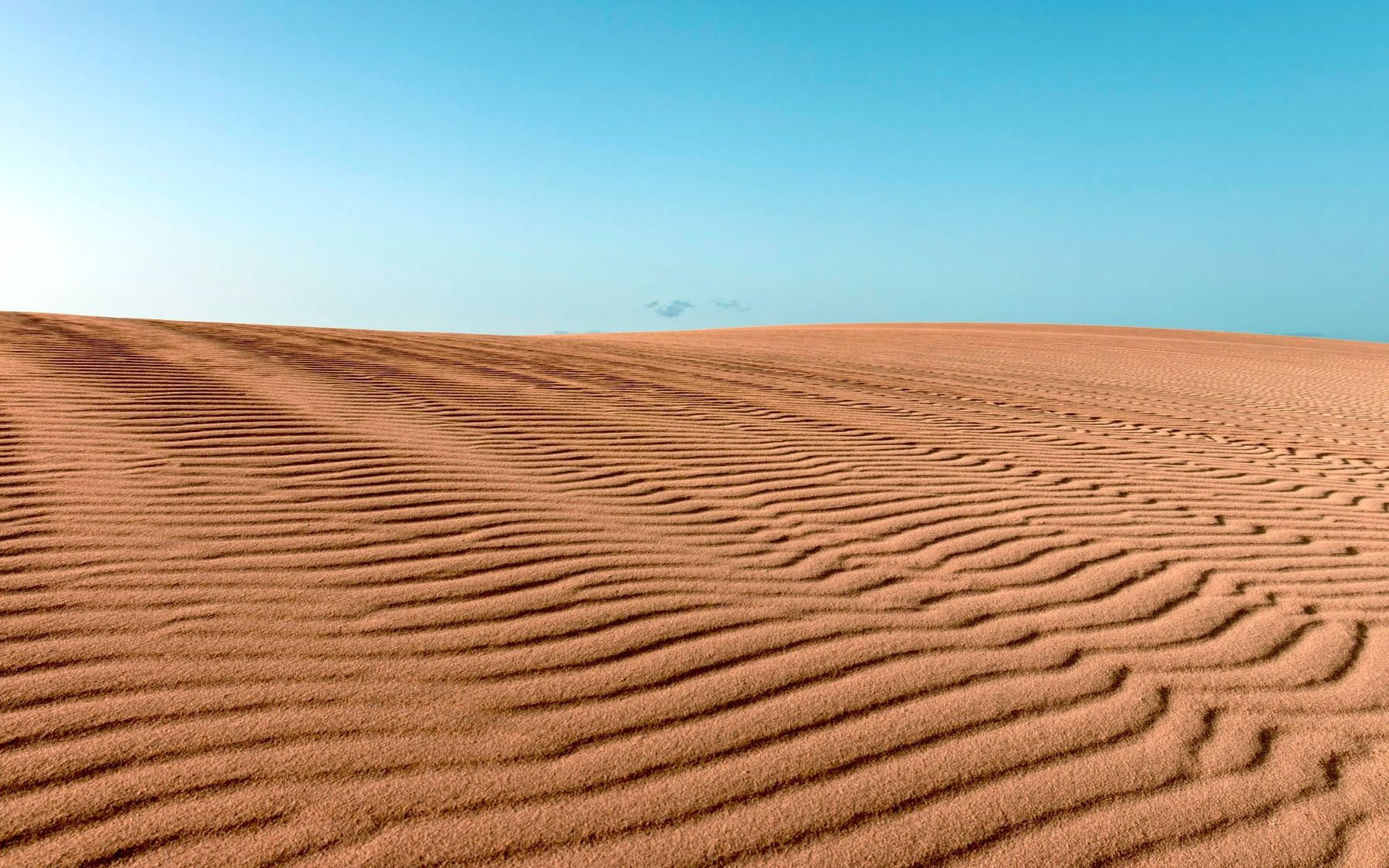
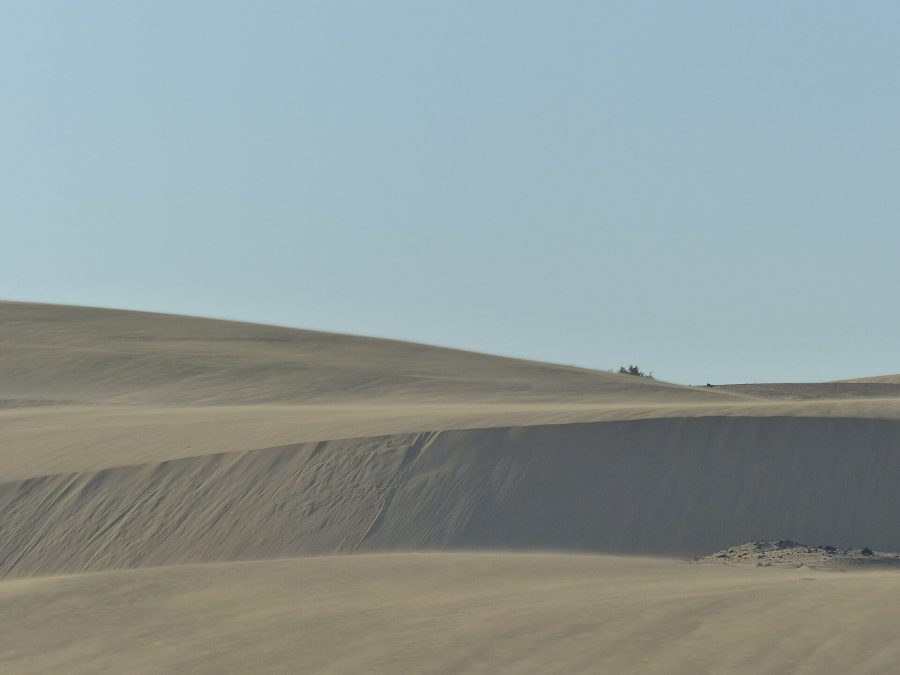
Around 11 km of pale sand dunes roll down the north-east coast and drop straight into turquoise water, a short hop from Corralejo town.
Go early or late, when the light is soft and the sand cooler.
Photograph by Mike Peel (www.mikepeel.net). / Wikimedia Commons, CC BY-SA 4.0 Isla de Lobos
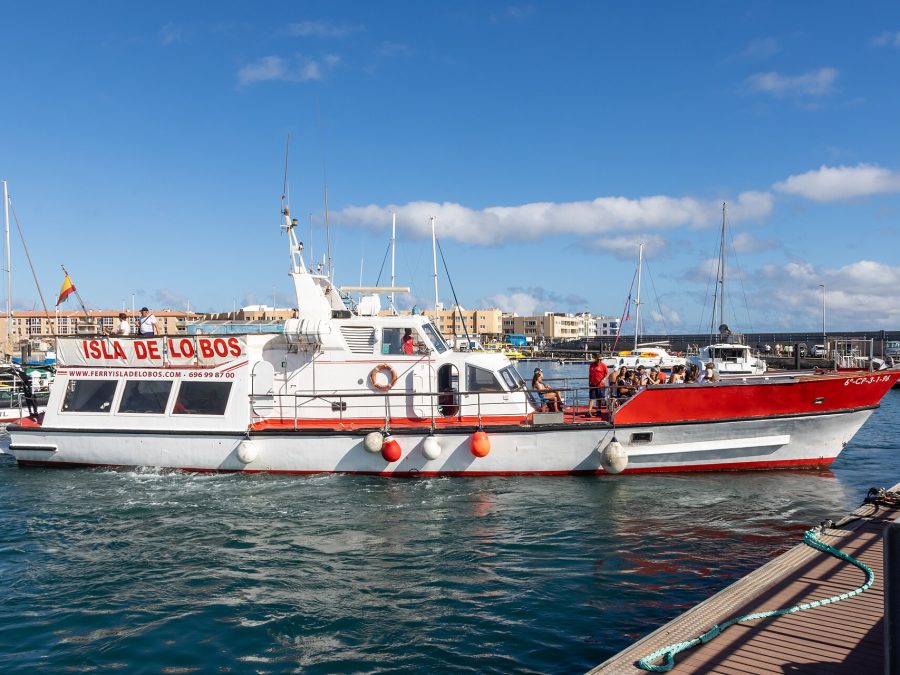
A protected islet 20 minutes by boat from Corralejo, with calm, clear water for snorkelling at Playa de La Concha and views of Lanzarote from the Montaña de la Caldera.
Apply for the free Cabildo permit as soon as you know your dates.
H. Zell / Wikimedia Commons, CC BY-SA 3.0 Cofete
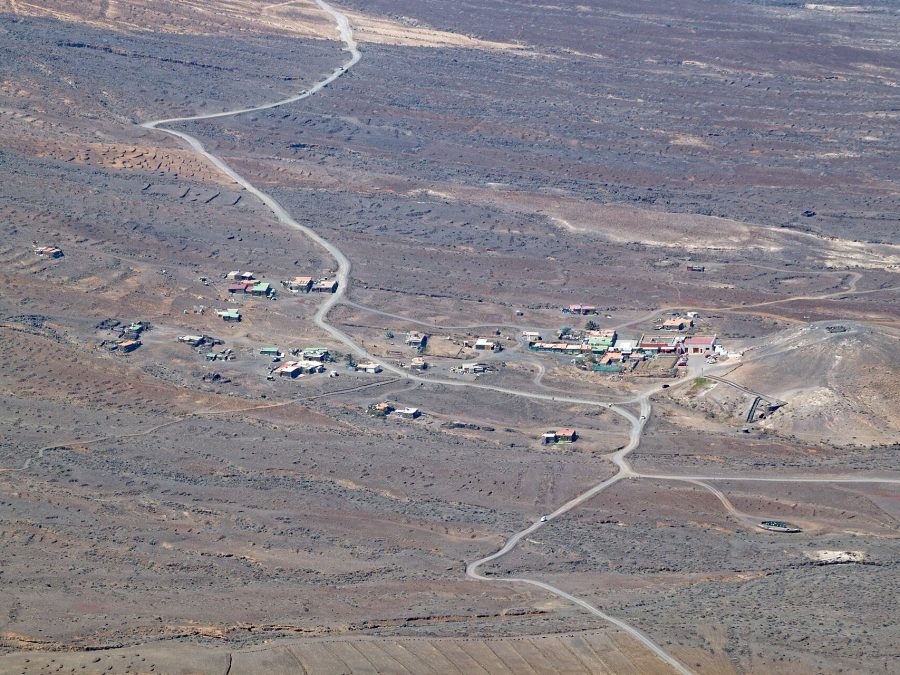
More than 12 km of empty sand under a wall of mountains on the far side of Jandía, with the mysterious Villa Winter above the hamlet. It feels like the end of the world.
Walk, don't swim: strong currents and no lifeguards.
Dirk Vorderstraße / Wikimedia Commons, CC BY 2.0 El Cotillo
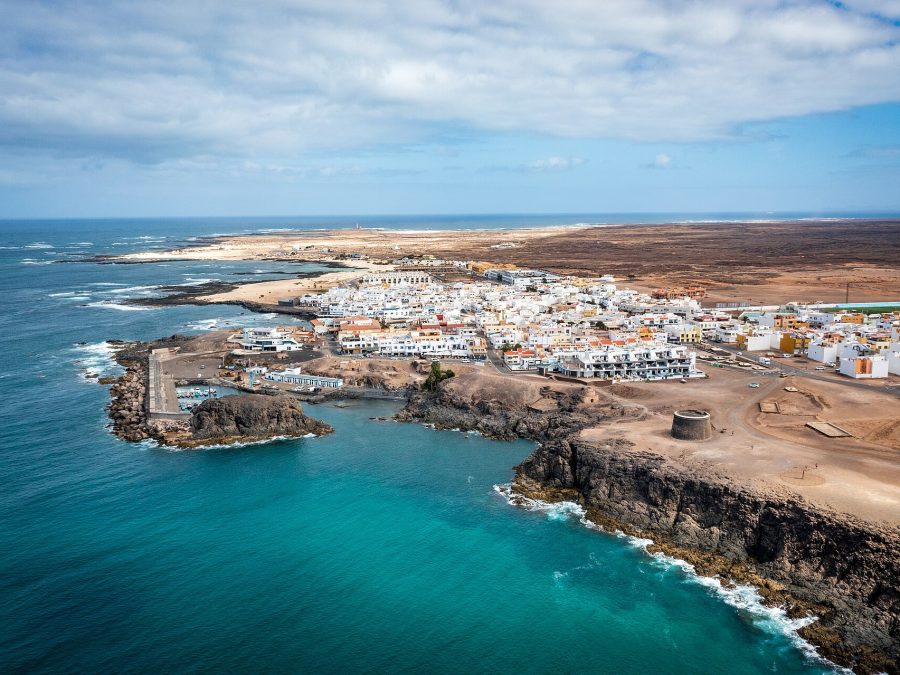
A fishing village on the north-west coast with shallow, sheltered lagoons just north of town, ideal for children, and the best sunsets on the island.
Stay on for sunset, then drive to the Tostón lighthouse.
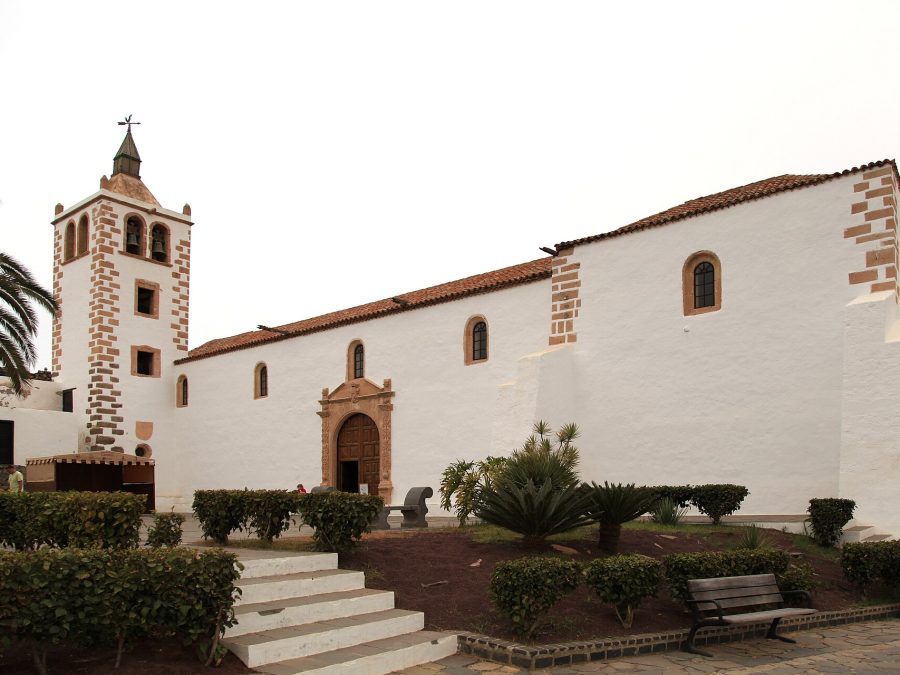
Frank Vincentz / Wikimedia Commons, CC BY-SA 3.0 Betancuria
The island's first capital and one of the oldest towns in the Canaries: whitewashed houses and the church of Santa María in a green mountain valley.
Drive in on the FV-30 and stop at the viewpoints.
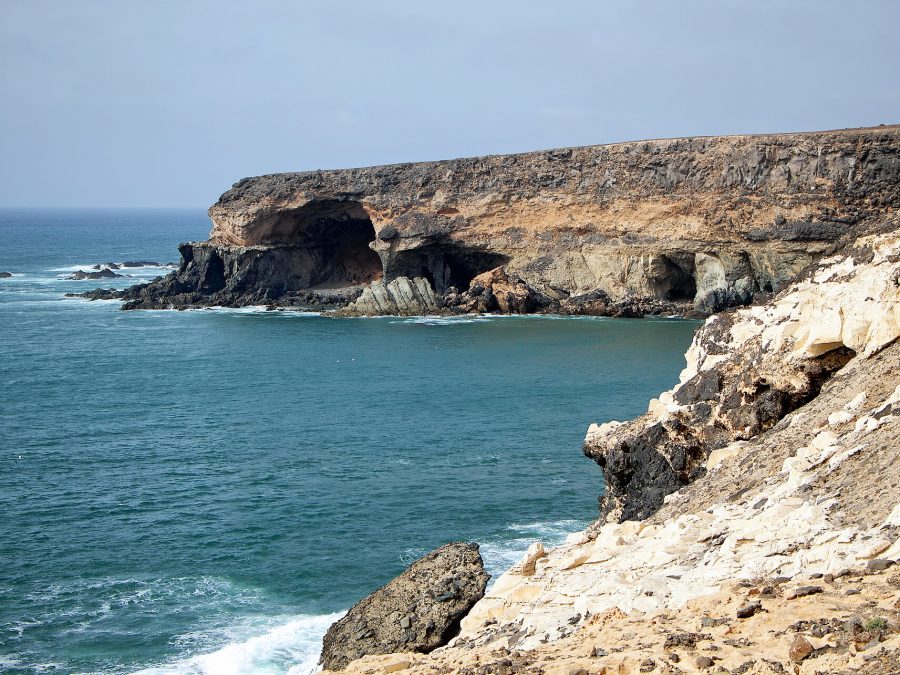
H. Zell / Wikimedia Commons, CC BY-SA 3.0 Ajuy caves
From a black-sand beach, a cliff path leads to sea caves cut into some of the oldest rock in the Canary Islands, a short and dramatic walk.
The path and steps are steep and uneven; wear proper shoes.
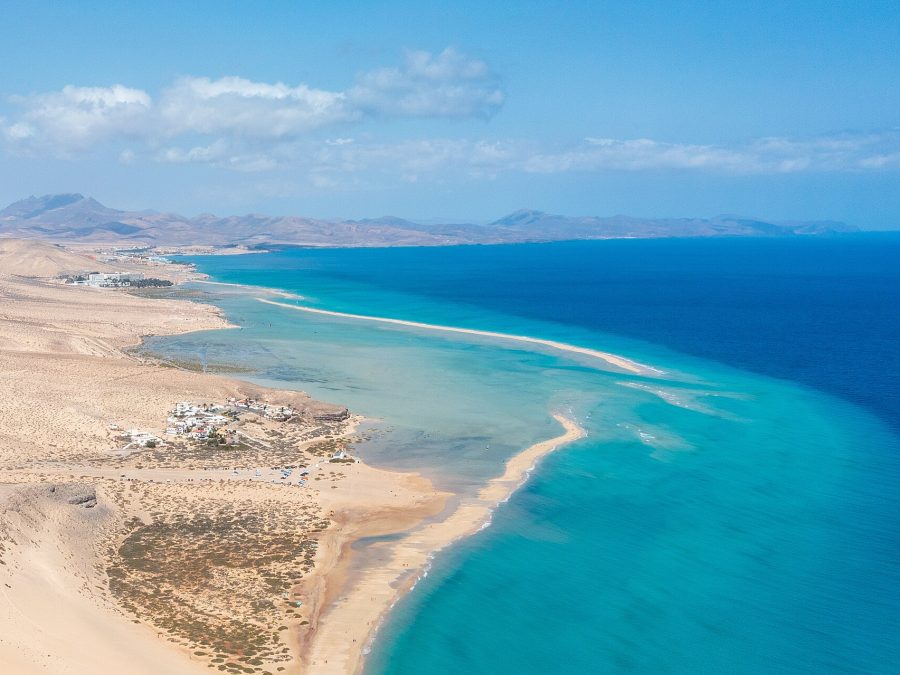
dirkvorderstrasse / Wikimedia Commons, CC BY 2.0 Sotavento
A huge beach near Costa Calma where a tidal lagoon forms behind a sandbar at low tide, famous for windsurfing and kitesurfing.
Time your visit around low tide to see the lagoon.
Things to do in Fuerteventura
1. Walk the Corralejo dunes
The Parque Natural de Corralejo runs for around 11 km down the north-east coast, a sweep of pale sand dunes that drops straight into turquoise water. The main FV-1 road runs through it, with lay-bys for parking. Go early or late in the day, when the light is soft and the sand is cooler. Bring water and a hat, and never drive onto the sand.
Best for: Sunrise walks and easy beach days close to Corralejo town.
2. Cross to Isla de Lobos
The small islet of Lobos lies a 20-minute boat ride from Corralejo harbour. It is a protected natural park, and visitor numbers are capped. You need a free personal permit from the island government (Cabildo), issued for either a morning or an afternoon slot of about four hours. Many ferry tickets bundle the permit, but check that yours does. On the island, walk up the Montaña de la Caldera for views over Lanzarote, swim at Playa de La Concha, or follow the track to the lighthouse at the far end.
Tip: Apply for your Lobos permit as soon as you know your dates. Requests open a few days ahead and summer slots go fast. The permit is free, so ignore any site that charges for it.
Best for: A half-day of walking and snorkelling in calm, clear water.
3. Drive to Cofete
On the far side of the Jandía peninsula, Cofete is 12-plus kilometres of empty sand under a wall of mountains. You reach it on an unsurfaced 18 km track from Morro Jable that takes about 50 minutes in a normal car. Drive slowly and check your hire agreement, as some exclude unpaved roads. An off-road bus also runs from Morro Jable. The sea here has strong currents and big waves, with no lifeguards or facilities, so treat it as a place to walk rather than swim. The mysterious Villa Winter, built by a German engineer in the mid-20th century, stands just above the hamlet.
Best for: Big landscapes and a sense of being at the end of the world.
4. Swim in El Cotillo’s lagoons
On the north-west coast, the fishing village of El Cotillo has a string of shallow, sheltered lagoons just north of the town, ideal for children and lazy swimmers. The Tostón lighthouse is a short drive further on. Stay for sunset, which is the best on the island.
Best for: Families and a slower pace than Corralejo.
5. Explore Betancuria
Founded in the early 15th century, Betancuria was the island’s first capital and is one of the oldest towns in the Canaries. Its whitewashed houses and the church of Santa María sit in a green valley in the mountains. The drive in, through viewpoints on the FV-30, is half the pleasure.
Best for: History, a shaded wander and a long Canarian lunch.
6. See the caves at Ajuy
On the west coast, the village of Ajuy has a black-sand beach and a cliff path to sea caves cut into some of the oldest rock in the Canary Islands. The caves are free to visit. The path and steps are steep and uneven, so wear proper shoes.
Best for: Geology fans and a short, dramatic walk.
7. Watch the kiters at Sotavento
On the south-east coast near Costa Calma, Sotavento is a huge beach where a tidal lagoon forms behind a sandbar at low tide. It is famous for windsurfing and kitesurfing, and the lagoon is a good place for a lesson. Time your visit around low tide to see the lagoon at its best.
Best for: Water sports and long beach walks.
8. Visit Oasis Wildlife Fuerteventura
Formerly Oasis Park, this zoo and botanical park at La Lajita in the south is the island’s best rainy-day or family stop. It runs animal shows and a camel route. Check the official site for current hours.
Best for: Families with younger children.
Fuerteventura in winter
Winter is the island’s busiest season for visitors from northern Europe, and for good reason. Daytime temperatures usually sit around the low 20s °C from December to February, with plenty of sun and little rain. Evenings are cooler, so pack a light jumper.
- The sea: the Atlantic is at its coolest in late winter, at around 18–19°C. Bracing but swimmable for many, and a wetsuit helps for surfing.
- The wind: the trade wind usually eases in winter compared with summer, so it is a calmer time for beach days, though Atlantic swells make it peak season for surfers on the north coast.
- What’s open: the resorts, restaurants and main sights run all year, so a winter trip doesn’t mean shutters down. Daylight is shorter, so plan the drive to Cofete for the morning.
- Best beaches in winter: the lagoons at El Cotillo and the long, sheltered sands of the south around Costa Calma and Morro Jable.
Tip: For winter, base yourself in the south if you want the most sun, or in Corralejo if you want restaurants and the Lobos ferry on the doorstep.
Fuerteventura weather by month
These are typical conditions, not forecasts. Daytime highs are AEMET’s 1981–2010 averages for Fuerteventura Airport, and rainy days count days with at least 1 mm of rain. Sea temperatures are typical monthly averages for Corralejo from seatemperatu.re, rounded to the nearest degree. The west and the far south can feel a touch warmer or windier than the airport.
| Month | Typical daytime high | Sea temperature | Rain | Best for |
|---|---|---|---|---|
| January | 21°C | 19°C | Mostly dry, two or three rainy days | Winter sun and walking |
| February | 21°C | 18–19°C | Mostly dry, two or three rainy days | Winter sun and north-coast surf |
| March | 22°C | 19°C | Very dry, about two rainy days | Drives and sightseeing |
| April | 23°C | 19°C | Rain is rare, about one rainy day | Walking and Easter breaks |
| May | 24°C | 21°C | Almost no rain | Beach days with fewer crowds |
| June | 26°C | 22°C | Dry | Beaches as the wind picks up |
| July | 27°C | 22°C | Dry | Kitesurfing and windsurfing |
| August | 28°C | 23°C | Dry | Heat-seekers and water sports |
| September | 28°C | 23°C | Rain is rare | Swimming in the warmest sea |
| October | 26°C | 23°C | Occasional showers, one or two rainy days | Warm sea and lighter winds |
| November | 24°C | 22°C | A few showers, about two rainy days | Autumn sun |
| December | 22°C | 21°C | The wettest month, about three rainy days, still mostly dry | Winter sun and Christmas breaks |
The trade wind is strongest from June to August. The Met Office calls August the hottest, driest and windiest month, and Weatherspark’s data puts the breeziest days in July. Between February and April, the occasional calima can blow in from the Sahara, bringing dusty, hazy skies for a day or two.
Where to stay
- Corralejo: The liveliest base, with restaurants, the Lobos ferry and the dunes on the doorstep. Good for first-timers and couples.
- El Cotillo: Smaller and quieter, with lagoons and sunsets. Good for families and slow travellers.
- Costa Calma: Close to Sotavento and the long southern beaches. Good for water sports.
- Morro Jable: The southern tip, with a long beach and the easiest access to Cofete.
What to eat and drink
- Queso majorero: The island’s goat’s cheese, protected by its own designation of origin. It comes fresh, semi-cured or cured, often rubbed with paprika or gofio.
- Papas arrugadas with mojo: Small wrinkled potatoes boiled in salty water, served with red and green sauces.
- Cabrito: Slow-cooked kid goat, a staple in the inland villages.
- Fresh fish: Look for the catch of the day grilled in the harbour restaurants of Corralejo, El Cotillo and Morro Jable.
- Gofio: Toasted grain flour, stirred into stews or desserts.
Getting around
A hire car is the easy answer. The FV-1 and FV-2 roads run the length of the island, and the drive from Corralejo to Morro Jable takes around an hour and a half. Public buses link Puerto del Rosario, the airport and the main resorts, but they are slower and less frequent for the west coast and the mountains.
Tip: Pick up your car at the airport rather than in a resort. The choice is wider and you avoid paying for transfers twice.
Good to know
- The wind is part of the deal. It keeps temperatures pleasant but can make some beaches uncomfortable, so pick sheltered spots on blustery days.
- Many beaches have no lifeguards outside the main resorts. Respect red flags and currents, especially on the west coast.
- The sun is strong all year. Bring high-factor sunscreen even in winter.
- Fuerteventura shares the UK’s time zone, which makes it easy for a short break.
- The island is a UNESCO Biosphere Reserve. Stick to marked tracks and leave nothing behind, particularly on Lobos.
FAQ
Do you need a permit to visit Lobos Island?
Yes. Every visitor needs a free personal permit from the Cabildo de Fuerteventura for a morning or afternoon slot. Some ferry tickets include it, so check when you book.
Can you drive a hire car to Cofete?
The track from Morro Jable is unpaved but passable in a normal car with care. Some hire companies exclude unpaved roads from cover, so read your agreement or take the off-road bus.
Is Fuerteventura warm in winter?
Yes, by European standards. Typical highs are 21–22°C from December to February with lots of sun, but the wind and a sea of around 18–19°C make it feel fresher than the numbers suggest. Bring layers for the evenings.
What is the warmest month in Fuerteventura?
August and September are the warmest, with typical highs of around 28°C. The sea is usually at its warmest from August to October, at about 23°C.
What are the windiest months in Fuerteventura?
June to August, when the north-east trade wind blows most steadily, which is why summer is peak season on the kitesurf beaches. October to December is usually the calmest stretch.
What is there to do in Fuerteventura in winter?
All the main things to do in Fuerteventura work in winter: the Corralejo dunes, a Lobos crossing, the lagoons at El Cotillo, Betancuria and surfing on the north coast, which has its best swells at this time of year.
Is Fuerteventura good for a long weekend?
Yes. With direct flights from the UK and much of Europe, three or four days covers the north, the interior and one trip south.
Which part of Fuerteventura is best to stay in?
Corralejo is the most convenient base for first-timers. Choose El Cotillo for quiet and Costa Calma or Morro Jable for the long southern beaches.
For more island ideas, read our Canary Islands tips and our pick of the best holiday destinations in Spain. If you prefer nature to beaches, see the best national parks in Europe, or check this weekend’s picks.