Porto is a city of steep streets, blue tiles and a river that turns gold at sunset. In two days you can walk through a tiled station, climb a Baroque tower, cross a two-deck iron bridge and taste port in the lodges where it has aged for centuries. It suits food and wine lovers, couples and anyone who wants a compact city with real character.
Why go
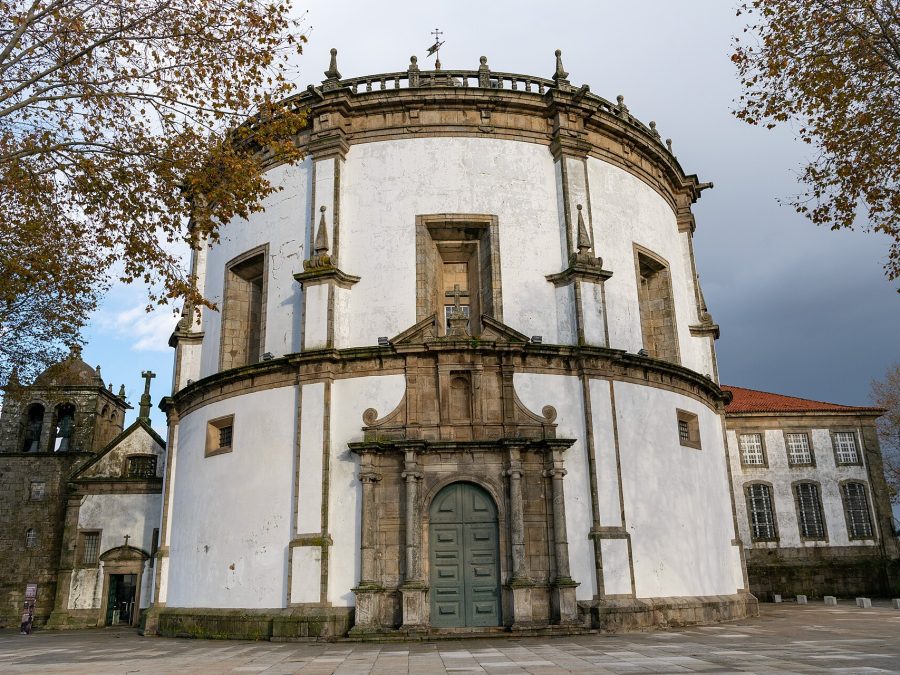
Porto’s historic centre, together with the Dom Luís I Bridge and the Monastery of Serra do Pilar, has been a UNESCO World Heritage Site since 1996. The old town tumbles down to the Douro in layers of granite churches, tiled facades and washing hung from iron balconies. Across the water, Vila Nova de Gaia is lined with the lodges of the great port houses.
The city is small enough to cross on foot, and almost every climb ends at a viewpoint. Food is hearty and generous, from the francesinha sandwich to grilled sardines and salt cod. And the Atlantic is only a tram ride away at Foz do Douro, where the river finally meets the sea.
Porto
Don’t miss
The places that make the trip, and why each one deserves your time.

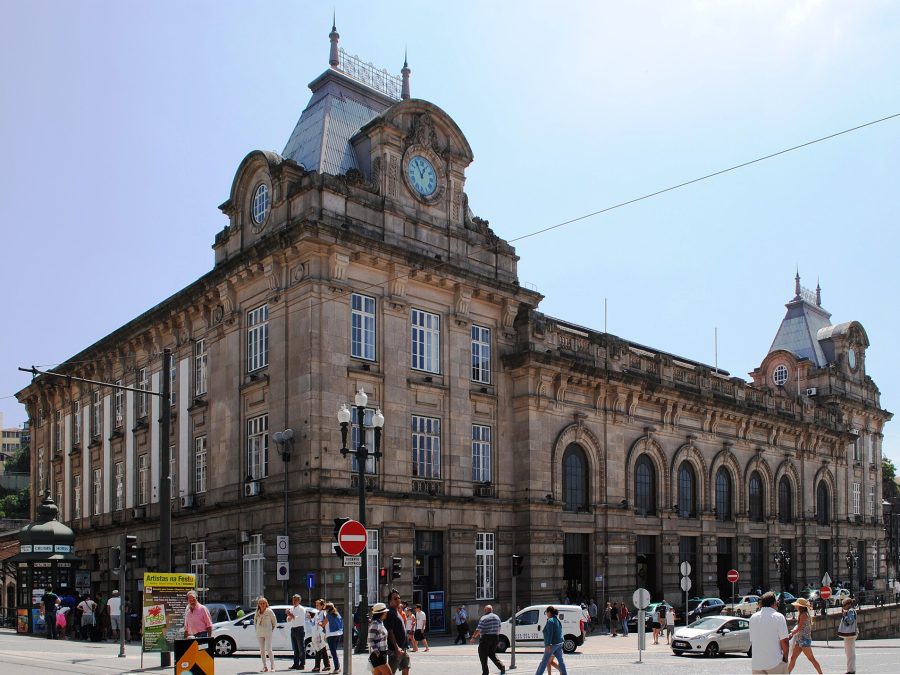
HombreDHojalata / Wikimedia Commons, CC BY-SA 4.0 São Bento station
Around 20,000 blue-and-white tiles by Jorge Colaço cover the entrance hall, telling Portuguese history from battles to royal weddings above a frieze of grape harvests and river boats.
Free to walk in; come early before the tour groups.
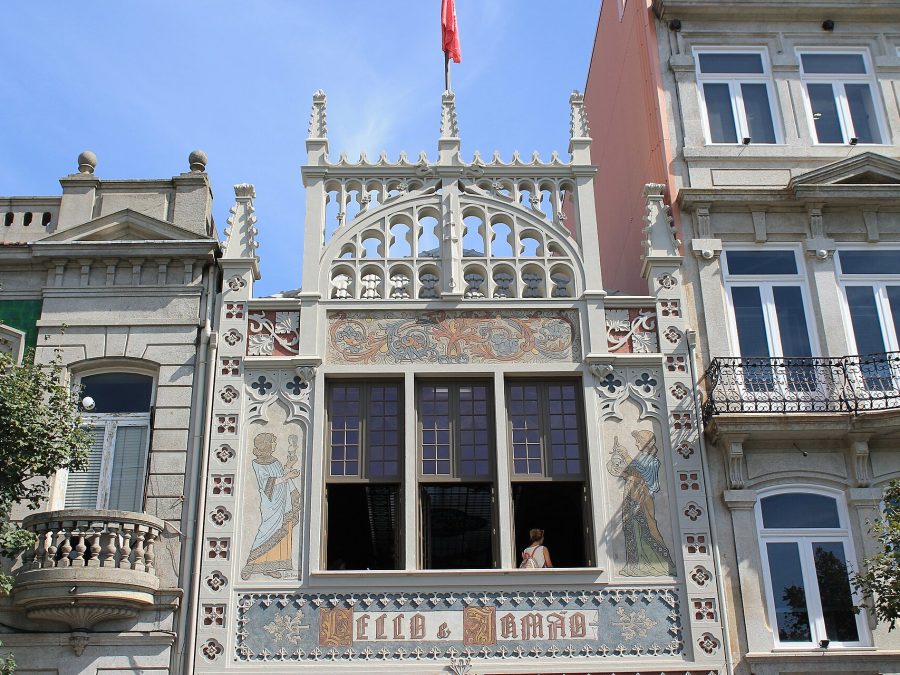
John Samuel / Wikimedia Commons, CC BY-SA 4.0 Livraria Lello
A neo-Gothic bookshop with a curving crimson staircase, carved wood and a stained-glass skylight, still selling books to the readers who queue to see it.
Book a ticket-voucher online; it counts towards a book.
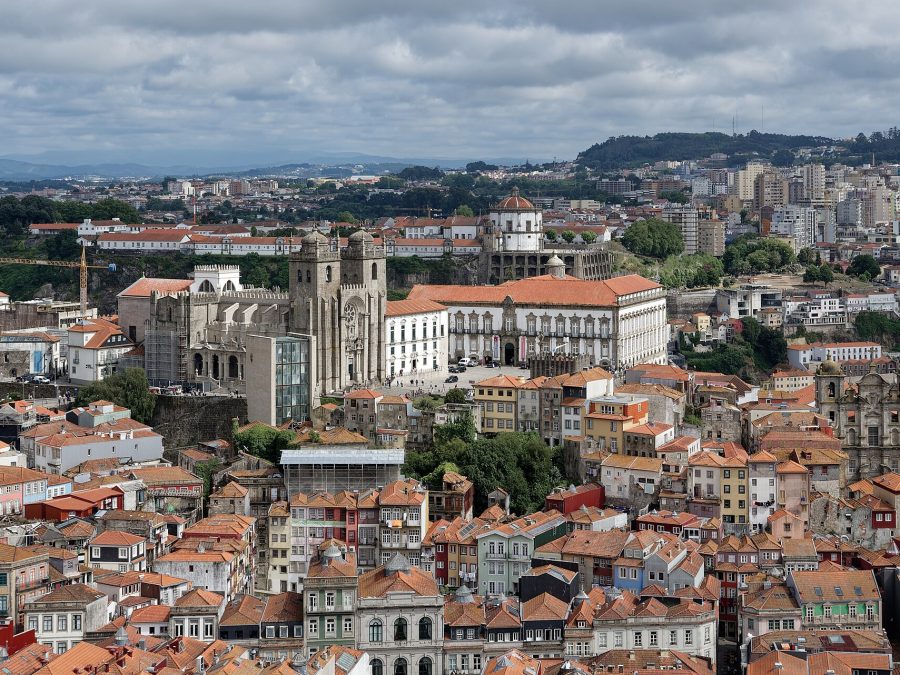
Jakub Hałun / Wikimedia Commons, CC BY 4.0 Clérigos Tower
Nicolau Nasoni's Baroque bell tower rises above the old town, and 240 steps take you to a ring of views over the rooftops to the river and Gaia.
Go late afternoon for the softest light on the roofs.
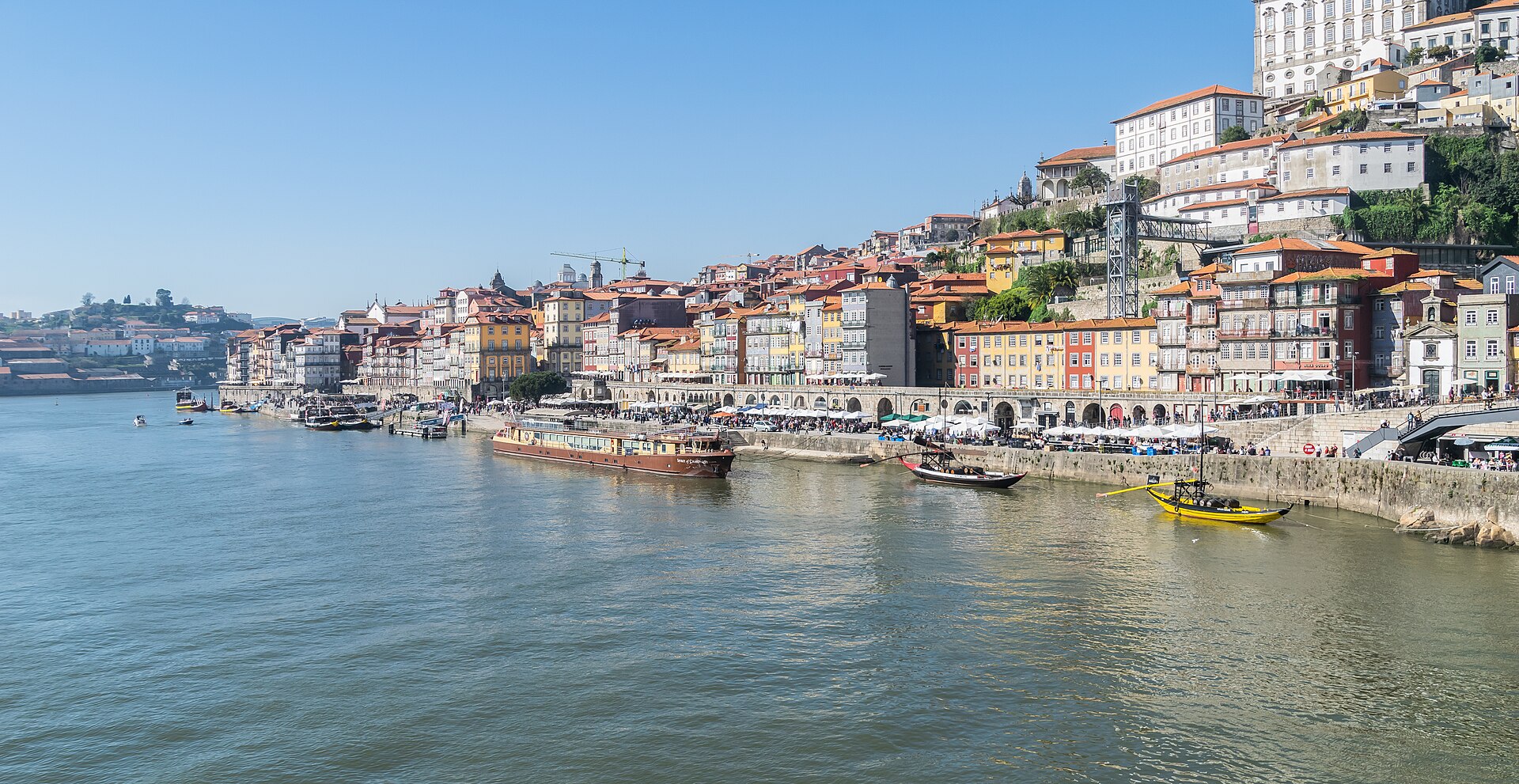
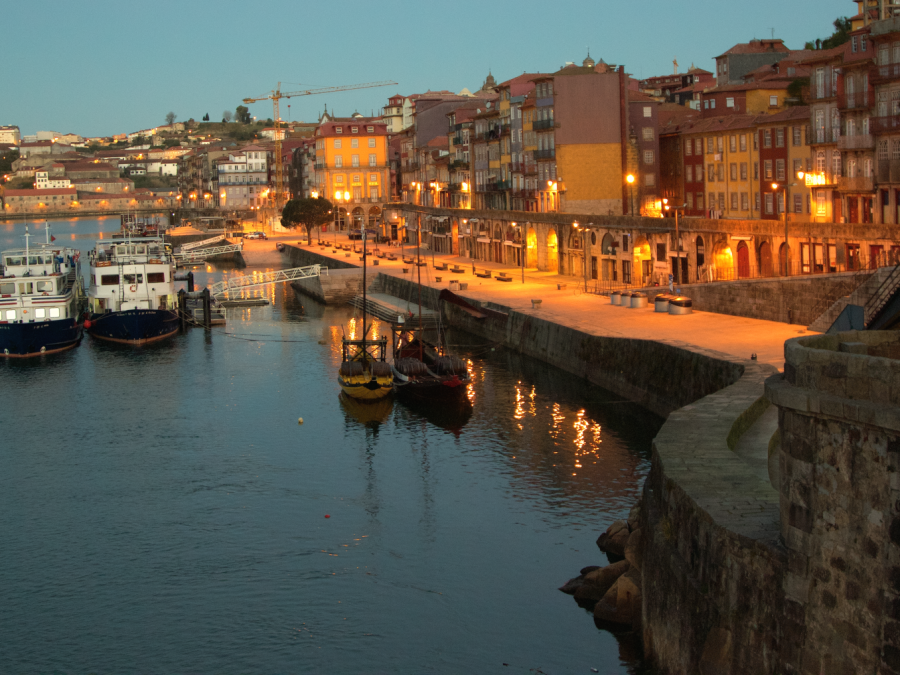
Terry Kearney from liverpool, merseyside / Wikimedia Commons, CC0 Ribeira
Porto's old riverfront, part of the UNESCO-listed historic centre, stacks tall, tiled and painted houses above the quay, with steep alleys climbing behind.
Walk it at dusk when the bridge lights come on.
Deensel / Wikimedia Commons, CC BY 2.0 Dom Luís I Bridge
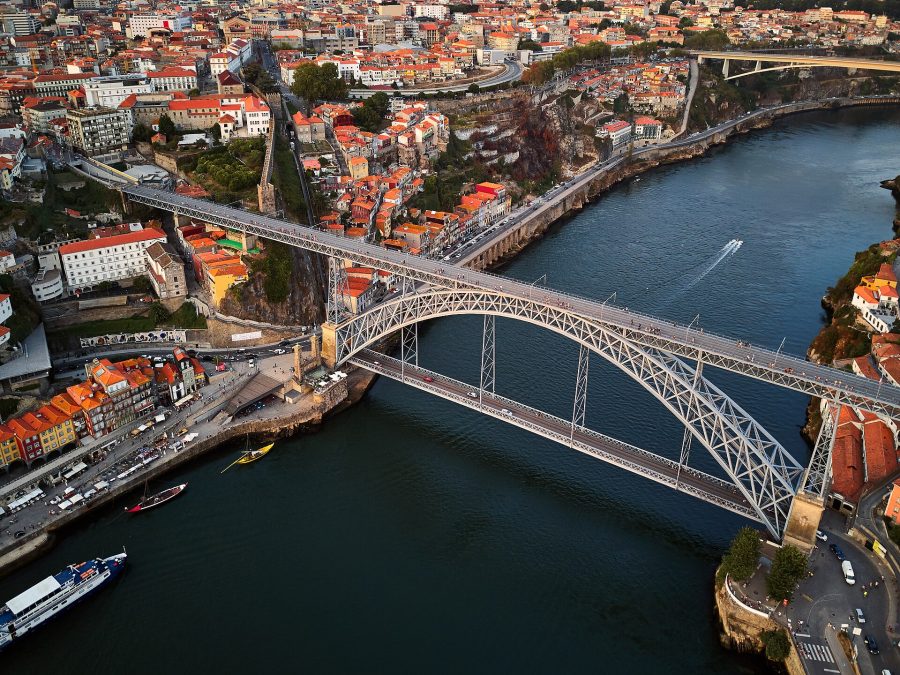
Théophile Seyrig's iron arch of 1886 carries metro trams and walkers on its upper deck high above the Douro, with the whole of Ribeira spread below.
Cross the top deck on foot, then walk down to Gaia.
xiquinhosilva from Cacau / Wikimedia Commons, CC BY 2.0 Vila Nova de Gaia port lodges
Across the river, the port houses age their wines in cool lodges lined with barrels, and tastings end with the best view of Porto's skyline.
Book cellar tours ahead, especially at weekends.
Foz do Douro
Where the Douro meets the Atlantic, a seafront promenade runs past a lighthouse pier, old forts and rock pools, with salty air after a day in the city.
Ride vintage tram 1 there along the river.
A weekend in Porto: the 48-hour route
Day 1
Morning: Start at São Bento station, which opened in 1916. Its entrance hall is covered with about 20,000 azulejo tiles by Jorge Colaço, placed between 1905 and 1916. The big blue-and-white panels show scenes from Portuguese history, including the Conquest of Ceuta and King João I entering Porto with Philippa of Lancaster. Above them runs a coloured frieze on the history of transport. It is a working station, so you can simply walk in.
From there, climb up through the Avenida dos Aliados area to Livraria Lello, the neo-Gothic bookshop famous for its forked red staircase and stained-glass ceiling. Entry works by ticket-voucher: you buy it on the official site, show it at the door, and its value is then taken off a book if you buy one in the shop. You can’t go in without one. Children up to and including three years old need a free child voucher, also from the official site. The shop is open daily from 9am to 7.30pm.
Tip: Book Livraria Lello for the first slot of the day, then go straight on to the Clérigos Tower a few minutes’ walk away.
Afternoon: Climb the Clérigos Tower, the Baroque bell tower designed by Nicolau Nasoni in the first half of the 18th century. There are 240 steps to the top, and the reward is a full circle of rooftops, the cathedral and the river. It opens daily from 9am to 7pm, and tickets are sold through the tower’s online ticket office. Then wander downhill past the cathedral terrace, through the lanes of the Sé and Barredo, towards the river.
Evening: Reach Ribeira as the light fades. This is the old riverside quarter, a row of tall, narrow houses facing the water, with cafés and restaurants along the Cais da Ribeira. Eat by the river or in the alleys just behind, then watch the Dom Luís I Bridge light up.
Day 2
Morning: Walk across the upper deck of the Dom Luís I Bridge. Designed by Théophile Seyrig, a former partner of Gustave Eiffel, it opened in 1886, and its main arch spans more than 395 metres. The top deck carries metro line D and pedestrians; the lower deck, at river level, is open to walkers, cyclists, taxis and public transport. On the Gaia side, stop at the terrace by the Monastery of Serra do Pilar for the classic view back over Ribeira.
Afternoon: Walk down into Vila Nova de Gaia, where the port lodges line the riverfront and the slopes behind it. Tours take you through cool cellars of barrels and vats and end with a tasting. Taylor’s, Graham’s, Cálem and Sandeman all run visits. Tours at the big houses can fill up, so book ahead.
Tip: Graham’s and Taylor’s sit uphill from the quay. Do the climb before the tasting, not after.
Evening: Cross back over the lower deck to Ribeira and head west along the river to the Infante stop, the start of heritage tram line 1. It rattles along the Douro to Passeio Alegre in Foz do Douro, where the river meets the Atlantic. Walk the seafront to the lighthouse pier at sunset, then have dinner in Foz before a taxi or bus back to the centre.
Porto in winter
In plain words: Porto in winter is mild but wet, much like a soft, rainy British autumn. Portugal’s weather service, IPMA, records average highs at Porto Airport of about 15°C in December, 14°C in January and 15°C in February (1991–2020 normals). Nights drop to around 6–8°C. It rains on 12 or 13 days a month from November to January, and the wettest months each bring around 150mm or more. February and March are noticeably drier, with about 10 rainy days each.
Pack a waterproof jacket and shoes with good grip, because the granite streets and steep lanes get slippery in the rain. The upside is quieter viewpoints, easier cellar bookings and plenty of reasons to linger indoors over port.
Where to stay
- Ribeira and the Sé: Old townhouses close to the river and the cathedral. Best for first-timers and couples who want the views on the doorstep, but expect steep walks home.
- Baixa and Aliados: The flatter heart of the city, near São Bento, Trindade metro and the shops. Best for a practical base with good transport links.
- Cedofeita and Bombarda: West of the centre, with galleries, independent shops and cafés. Best for repeat visitors and a more local feel.
- Vila Nova de Gaia riverfront: Across the bridge, close to the port lodges, with the best views of Porto itself. Best for wine lovers.
What to eat and drink
- Francesinha: Porto’s famous sandwich of layered meats, covered in melted cheese and a rich beer and tomato sauce, often with chips.
- Tripas à moda do Porto: A tripe and bean stew. The people of Porto are still nicknamed tripeiros after it.
- Bacalhau: Salt cod, cooked in endless ways, from baked with potatoes and olive oil to deep-fried pastéis.
- Bifana: A thin, garlicky pork steak in a soft roll, the city’s classic quick lunch.
- Port wine: Try a white port and tonic as an aperitif, then a ruby or aged tawny after dinner.
- Vinho verde: The fresh, light wine of northern Portugal, a good match for grilled fish.
Where to go:
- Mercado do Bolhão (Baixa): Porto’s historic covered market, restored and reopened, with fruit, fish, flowers and counters for a light lunch. Check the market’s hours before you go, as they can vary.
- Taylor’s (Gaia): One of the oldest port houses, with self-guided cellar visits uphill from the river.
- Graham’s (Gaia): A lodge high on the slope with a view straight across to Porto, known for longer guided tours with tastings.
- Cálem (Gaia): Right on the quay, with an interactive museum on how port is made.
For more on Portugal’s wine country, see our guide to the best wine regions in Europe, which includes the Douro Valley upriver from Porto.
Getting around
Porto’s centre is walkable, but it is hilly. Allow extra time for the climbs, and use the metro for longer hops.
Getting there: Porto Airport lies north of the city. Metro line E (violet) runs from the Aeroporto station to Trindade in the centre, where you can change to other lines or walk downhill to Aliados and São Bento. Metro do Porto’s own example shows this trip crosses four zones, so you need a Z4 ticket. Long-distance trains from Lisbon arrive at Campanhã, and local trains continue to São Bento.
Andante card: The rechargeable blue Andante card works on the metro, STCP buses, CP Porto trains and some other bus lines. Load the right number of zones for your trip and validate every time you board, including each change of line. A single ticket covers one hour of travel from the first validation.
Trams: STCP runs three heritage tram lines: line 1 (Infante to Passeio Alegre, along the river to Foz), line 18 (Carmo to Passeio Alegre) and line 22 (Carmo to Batalha). Line 1 is the most scenic ride in the city.
Funicular dos Guindais: The funicular between Batalha and Ribeira has been closed since 18 July 2026, while a replacement cable is imported. The city has said it should not reopen before the end of the year, so plan to walk the steps or take a taxi instead.
Good to know
- Lello entry: You need a ticket-voucher to enter, bought on the official site. Its value comes off a book bought in the shop.
- Footwear: Granite streets are steep and slippery when wet. Wear shoes with grip.
- Validate your Andante: Inspectors check, and an unvalidated card counts as no ticket.
- Day trip: São Bento is the end of the Douro line, so the river valley’s vineyards make an easy rail day trip if you add a third day.
- More Portugal: Pair Porto with our Lisbon weekend guide, or head south for sun with Madeira in winter. See also our best city breaks in Europe and this weekend’s picks.
FAQ
Is a weekend in Porto enough?
Yes. Two days covers São Bento, Livraria Lello, the Clérigos Tower, Ribeira, the Dom Luís I Bridge, a port lodge tour and Foz at an easy pace. Add a third day for the Douro Valley or Serralves.
Do you need a ticket for Livraria Lello?
Yes. Entry is only possible with a ticket-voucher from the official site, shown at the door. Its value counts towards a book if you buy one there, and under-fours need a free child voucher.
How do you get from Porto Airport to the city centre?
Take metro line E (violet) from the Aeroporto station to Trindade. You need an Andante card loaded with a Z4 ticket, validated before you board.
Is Porto worth visiting in winter?
Yes, if you pack for rain. IPMA averages give highs of around 14–15°C from December to February, and the main sights and port lodges stay open, with fewer crowds than in summer.
Is the Guindais funicular running?
Not at the moment. It has been closed since July 2026 while a new cable is fitted, and Porto’s mayor has said it is not expected back before the end of the year.