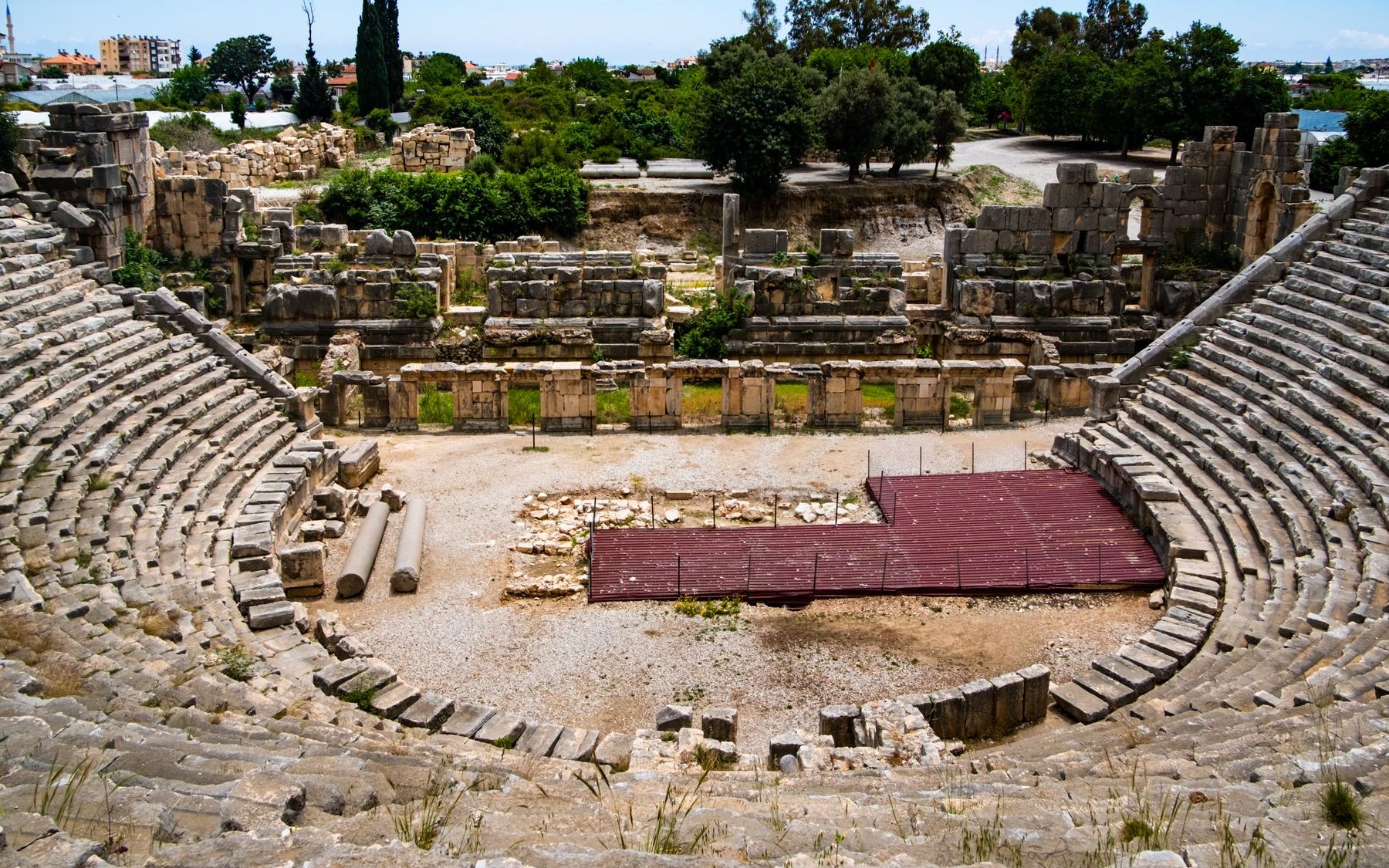
The Romans built amphitheatres across their empire, and the best survivors still stop you in your tracks. Several are working venues, with opera, concerts and bullfights inside walls that went up two thousand years ago. This guide ranks the biggest Roman amphitheatres in Europe by size, then picks eight that make a strong core for a 2–4 day trip, especially for history lovers and anyone who prefers ruins with a city attached.
Biggest Roman amphitheatres by size
Amphitheatres are oval, so size is usually given as the two outer axes of the building. These are the largest surviving examples in Europe, using the external dimensions listed in Wikipedia’s list of Roman amphitheatres. Seating capacities are often quoted too, but estimates vary widely, so we leave them out.
| Rank | Amphitheatre | Location | Outer axes (m) |
|---|---|---|---|
| 1 | Colosseum | Rome, Italy | 189 × 156 |
| 2 | Amphitheatre of Capua | Santa Maria Capua Vetere, Italy | 167 × 137 |
| 3 | Amphitheatre of Itálica | Santiponce, near Seville, Spain | 157 × 134 |
| 4 | Amphitheatre of Autun | Autun, France | 154 × 130 |
| 5 | Arena di Verona | Verona, Italy | 152 × 123 |
| 6 | Flavian Amphitheatre | Pozzuoli, Italy | 147 × 117 |
| 7 | Arles Amphitheatre | Arles, France | 136 × 109 |
| 8 | Amphitheatre of Pompeii | Pompeii, Italy | 135 × 104 |
| 9 | Arènes de Nîmes | Nîmes, France | 133 × 101 |
| 10 | Pula Arena | Pula, Croatia | 132 × 105 |
Autun’s amphitheatre has almost entirely disappeared, so it is a size record rather than a sight. Outside Europe, El Djem in Tunisia (148 × 122 m) would sit between Verona and Pozzuoli.
The amphitheatres
1. The Colosseum, Italy

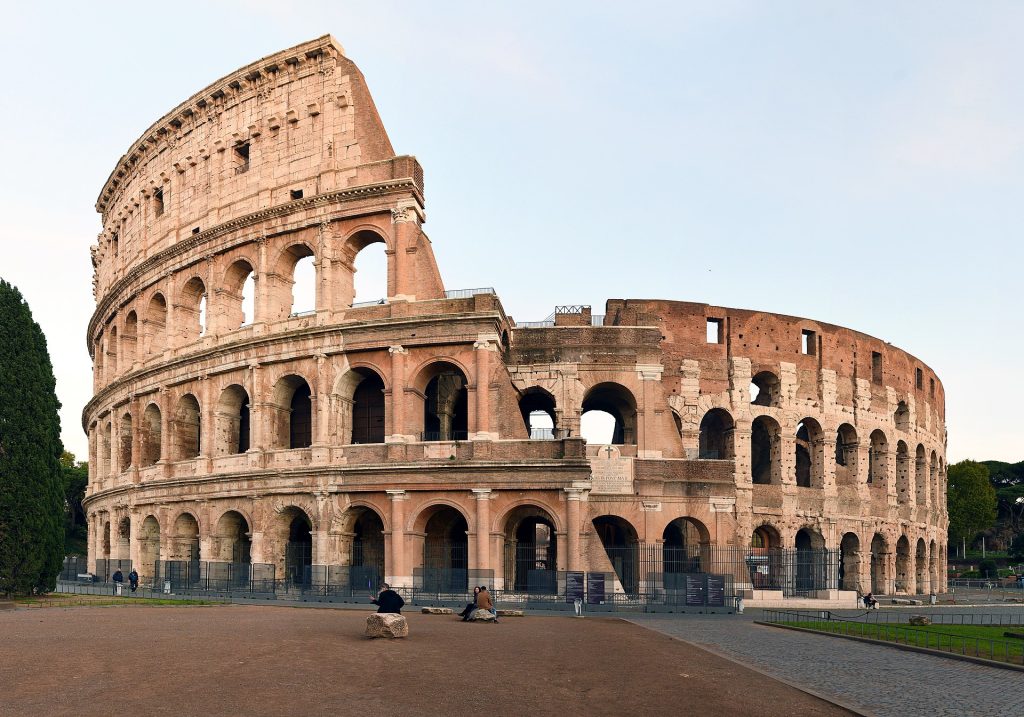
Rome’s Flavian Amphitheatre is the largest ever built and the one every other arena gets compared with. Opened in AD 80, it held tens of thousands of spectators for gladiator fights and animal hunts. A standard visit takes in the upper and lower rings. Special tours add the arena floor and the underground passages where animals and fighters waited. Book on the official Parco archeologico del Colosseo site well ahead, and combine it with the Roman Forum and Palatine Hill next door. Our Rome weekend guide has the full route.
Best for: First-timers who want the definitive Roman experience.
2. Arena di Verona, Italy

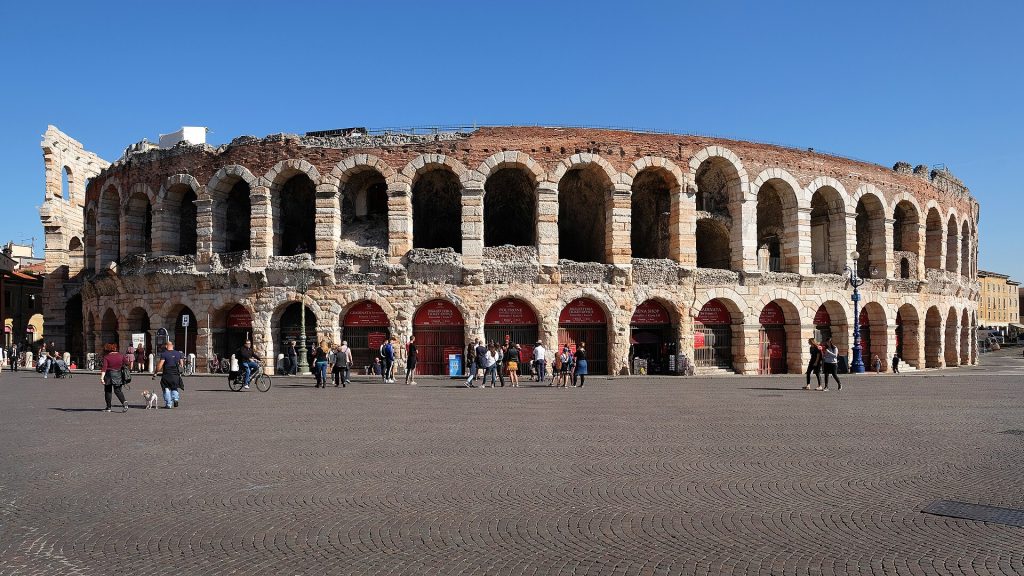
Verona’s pink-limestone arena is one of the best preserved anywhere, and it still fills on summer nights. The Arena di Verona Opera Festival 2027 runs from 11 June to 11 September, with Aida and La Traviata among the productions. Sitting on the ancient stone steps as the candles flicker before curtain-up is one of Italy’s great travel moments. By day, walk the arcades around Piazza Bra, then head into the old town for Piazza delle Erbe and the river views from Castel San Pietro. Verona is also an easy hop from Lake Garda and from Milan by fast train.
Best for: Opera lovers and couples planning a summer weekend.
Tip: Opera tickets for the most popular summer nights go early. Book once the programme is published, then build the rest of the trip around your date.
3. Arènes de Nîmes, France

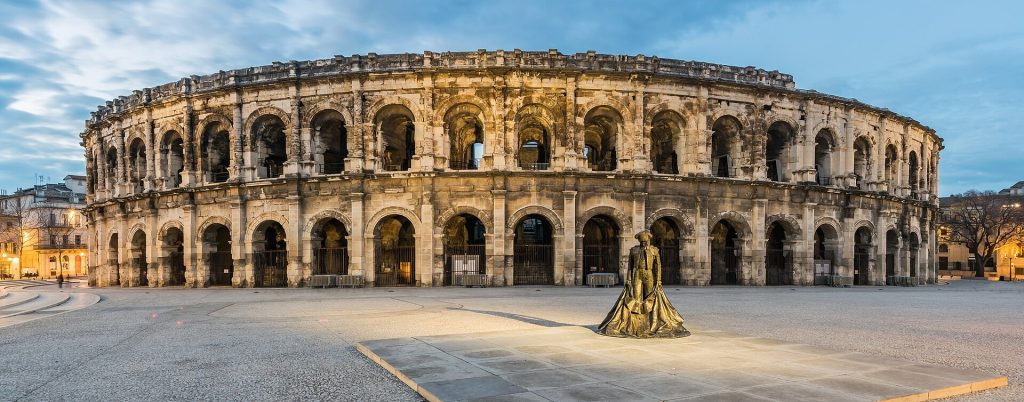
Nîmes has the best-preserved amphitheatre in France, and it’s open every day of the year. Hours run longest in July and August and shortest from November to February. It closes for some concerts, ferias and events, so check the closure calendar before you travel. Buy the combined pass for the Maison Carrée temple and the Tour Magne. Arles, with its own amphitheatre, is a short train ride away.
Best for: A Provence-style weekend with Roman sights at every turn.
4. Pula Arena, Croatia

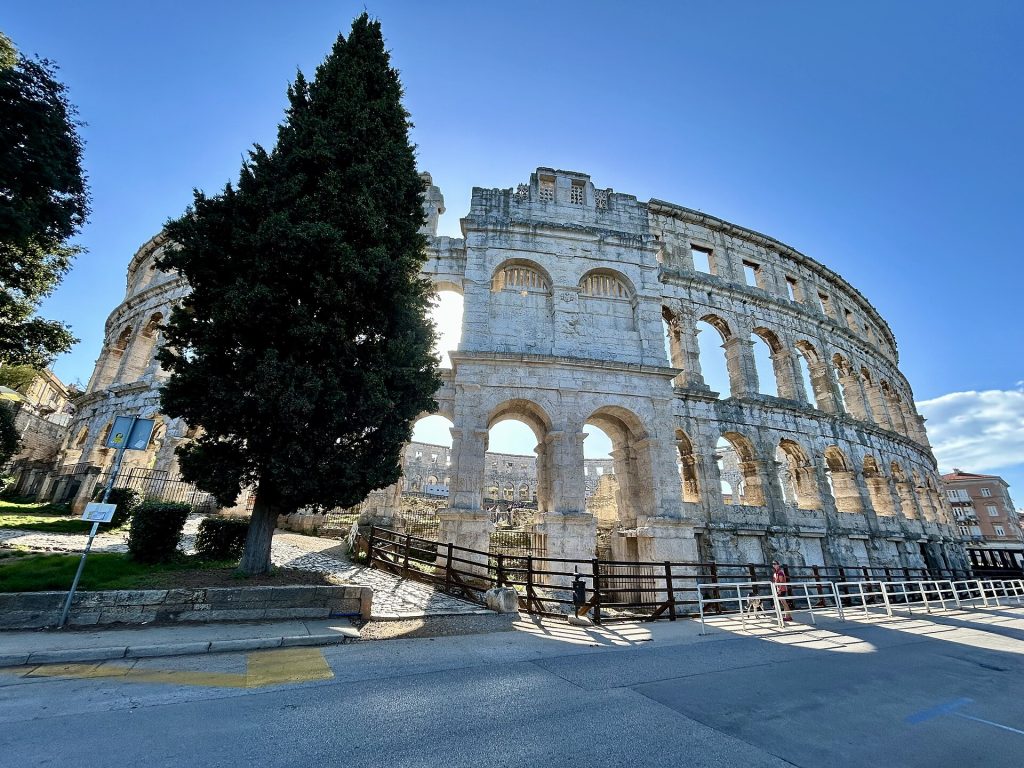
Pula’s arena is the only surviving Roman amphitheatre with all four side towers intact, and it sits right by the Adriatic. It’s open all year, from 9am to 5pm between November and March and until late evening in summer. It sometimes closes for events, including summer concerts and film screenings. Pair it with the beaches of southern Istria, the Temple of Augustus in the old forum, and seafood along the harbour. Rovinj, up the coast, makes a pretty second base for a longer weekend.
Best for: Combining ancient history with a sea swim.
5. Pompeii Amphitheatre, Italy
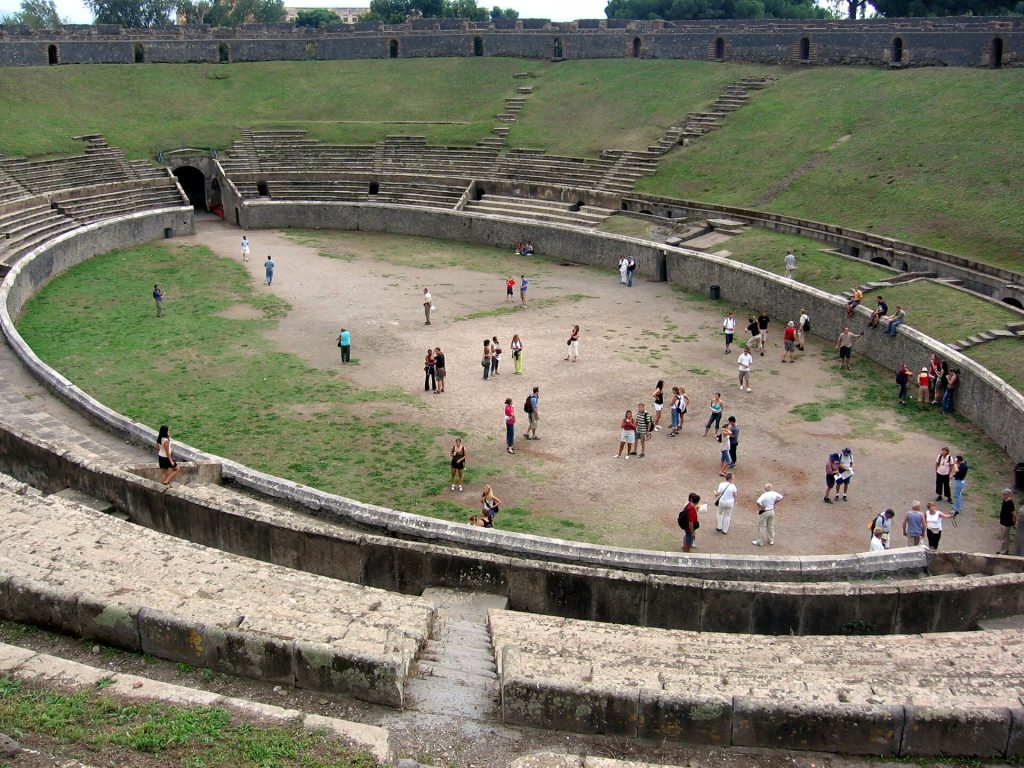
Built around 70 BC, Pompeii’s amphitheatre is the oldest surviving stone amphitheatre and sits at the eastern edge of the excavated city. Pompeii now issues tickets in visitors’ names and caps entry at 20,000 people a day. Arrive early and give the site a full day. It works as a day trip from Naples or as part of an Amalfi Coast break.
Best for: Travellers who want a whole Roman town, not a single monument.
6. Flavian Amphitheatre, Pozzuoli, Italy

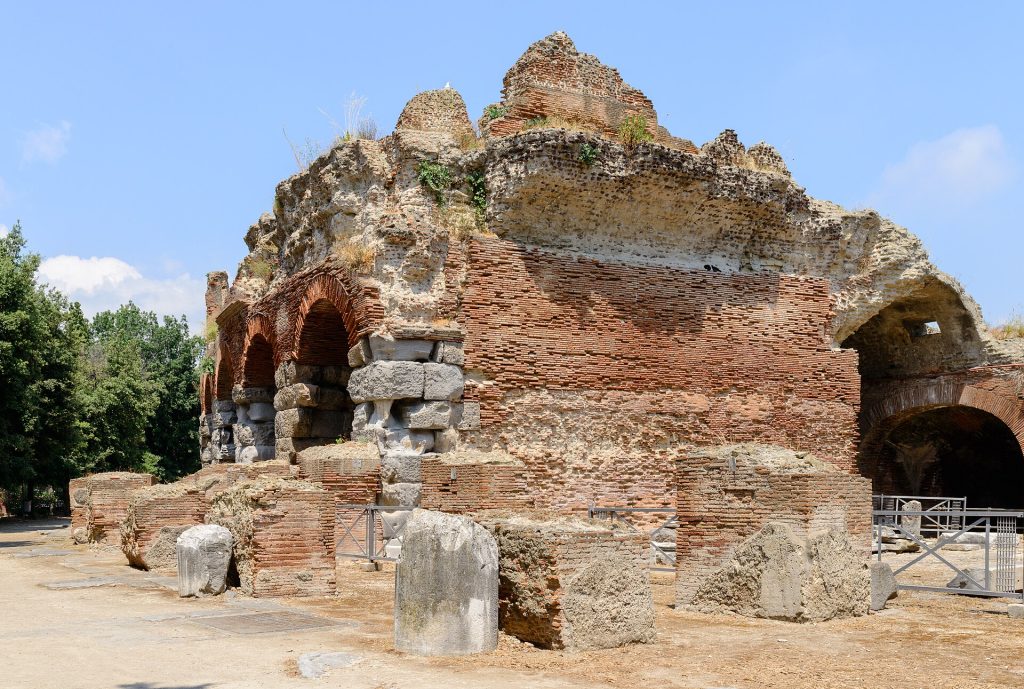
Pozzuoli, west of Naples, has one of the largest amphitheatres in Italy. Its underground galleries are unusually complete, so you can see the lifts and trapdoors that sent animals into the arena. It’s far quieter than Rome or Pompeii, which makes it a good contrast to them. Pozzuoli also sits in the volcanic Campi Flegrei, and its seafront Macellum (once thought to be a temple of Serapis) is a short walk away.
Best for: Repeat visitors to Naples who want to escape the crowds.
7. Amphitheatre of Capua, Italy

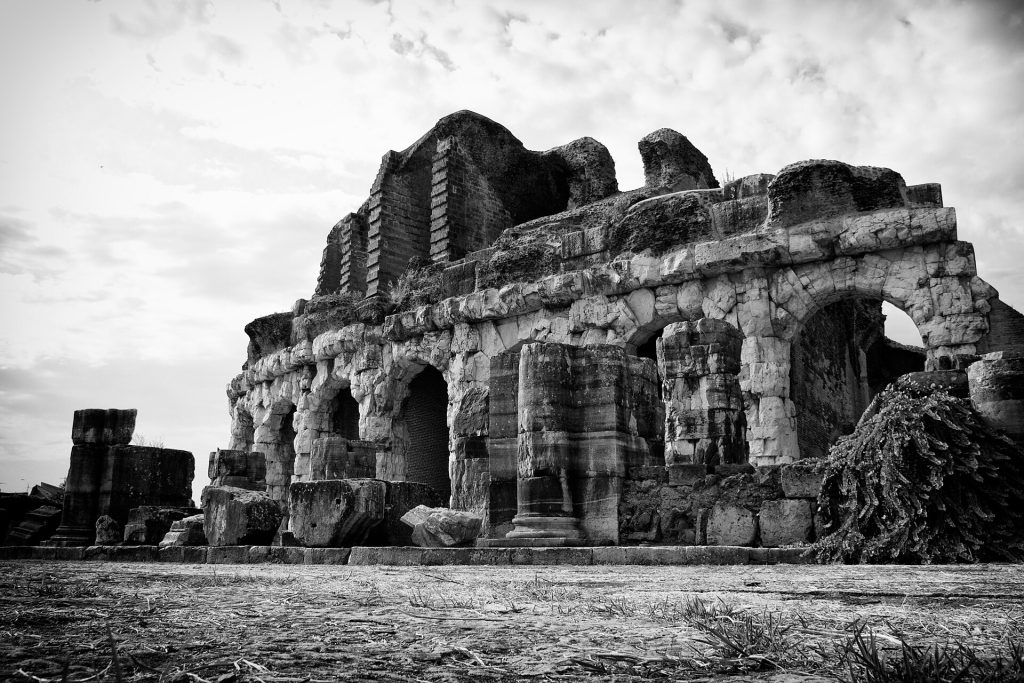
At Santa Maria Capua Vetere, north of Naples, stand the remains of one of the biggest arenas in the Roman world, second only to the Colosseum. The gladiator school here is linked to Spartacus’s revolt. The site is partly ruined but atmospheric, and a small gladiator museum adds context.
Best for: Spartacus fans and history buffs.
8. Itálica, Spain

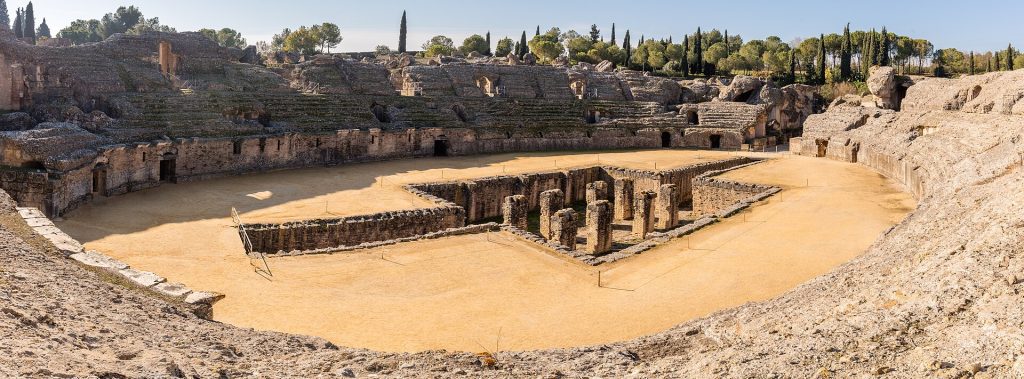
Just outside Seville, Itálica was the birthplace of the emperors Trajan and Hadrian. Its huge amphitheatre is one of the largest in the empire, and the city around it has fine mosaic floors. It’s an easy half-day from Seville, so you can spend the evening on tapas back in town. Find more ideas in Spain’s best holiday destinations.
Best for: Adding a Roman morning to an Andalusian city break.
Beyond Europe
The Amphitheatre of El Djem in Tunisia rivals the Colosseum in size and is remarkably intact. Further east, Leptis Magna in Libya is spectacular, but check your government’s travel advice before considering it.
How to choose
- One city, maximum impact: Rome. The Colosseum, Forum and Palatine fill a weekend on their own.
- A night at the arena: Verona in opera season, or Nîmes and Pula on event nights.
- Roman plus beach: Pula, then the Istrian coast.
- Fewer crowds: Pozzuoli, Capua and Itálica.
- Winter trips: Nîmes and Pula open all year, with shorter hours.
When you visit, give yourself time to sit in the stands. Amphitheatres make more sense once you picture the crowd, the awnings stretched overhead and the noise. Go early or late for softer light and fewer people, and wear shoes with grip, because the worn stone steps can be slippery.
Planning around the Bay of Naples? Read our guides to Capri and Sicily for more southern Italy.
FAQ
What is the best-preserved Roman amphitheatre?
Verona, Nîmes and Pula are among the best preserved in Europe. Pula stands out for having all four side towers intact.
Can you still see shows in Roman amphitheatres?
Yes. Verona hosts its opera festival every summer, Pula stages concerts and film screenings, and Nîmes holds concerts and ferias.
When is the Verona opera festival in 2027?
The Arena di Verona Opera Festival 2027 runs from 11 June to 11 September.
Which is the largest Roman amphitheatre?
The Colosseum in Rome is the largest ever built, at about 189 by 156 metres. Capua’s amphitheatre was the second largest in the Roman world.
What are the biggest Roman amphitheatres in Europe?
After the Colosseum come Capua and Itálica, then Autun in France and the Arena di Verona. Pozzuoli, Arles, Pompeii, Nîmes and Pula complete the top ten by outer size.
Are there Roman amphitheatres in Rome besides the Colosseum?
Yes, though little survives. Fragments of the Amphitheatrum Castrense, a smaller imperial arena, are built into the Aurelian Walls near Santa Croce in Gerusalemme. For a full arena, the Colosseum is the one to see.