Europe’s national parks pack huge variety into short distances: sandstone towers an hour from Dresden, Pyrenean canyons, Icelandic glaciers and Arctic wilderness. Most can be reached from a city airport in an afternoon. These eight suit walkers, photographers and anyone who wants a weekend with more sky than streets.
The parks
1. Saxon Switzerland, Germany

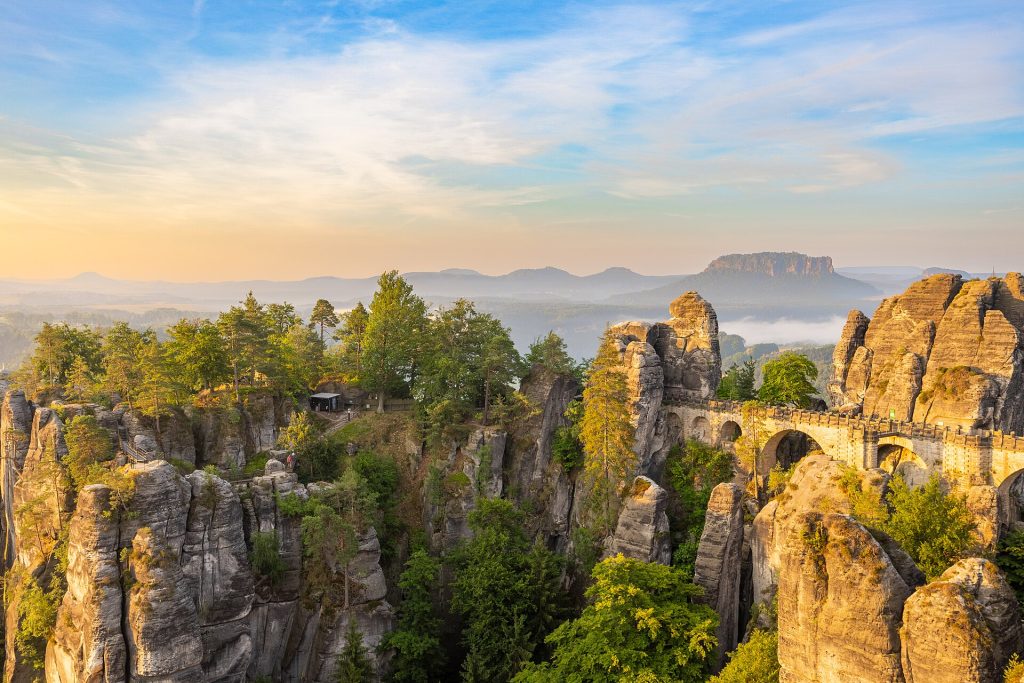
Sandstone pillars, gorges and table mountains rise above the Elbe, less than an hour by S-Bahn from Dresden. The Bastei rock formation and its old stone bridge are the classic viewpoint, so arrive early or late in the day to see it without the tour groups. Rathen, on the river below, is a good starting point, and passenger ferries link the villages on either bank. Quieter trails lead through the Schrammsteine and Kirnitzsch valley. Some paths have closed in recent years after fire damage and rockfall, so check the park’s notices before choosing a route.
Best for: A walking weekend combined with a city break in Dresden or Berlin.
2. Dolomiti Bellunesi, Italy

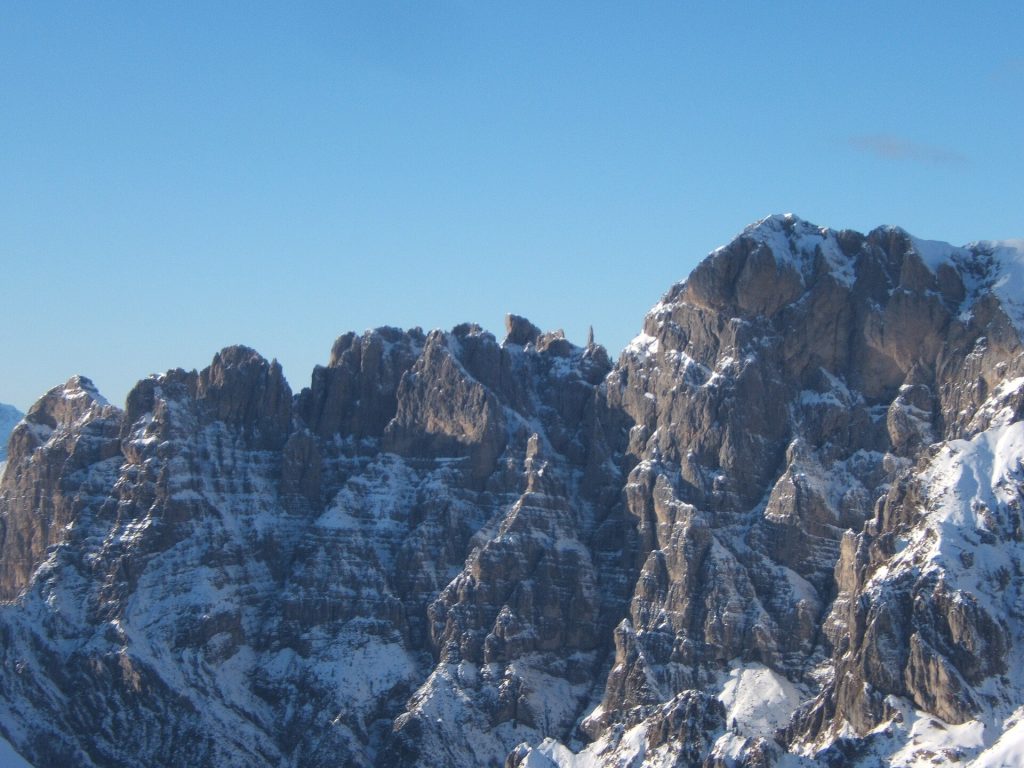
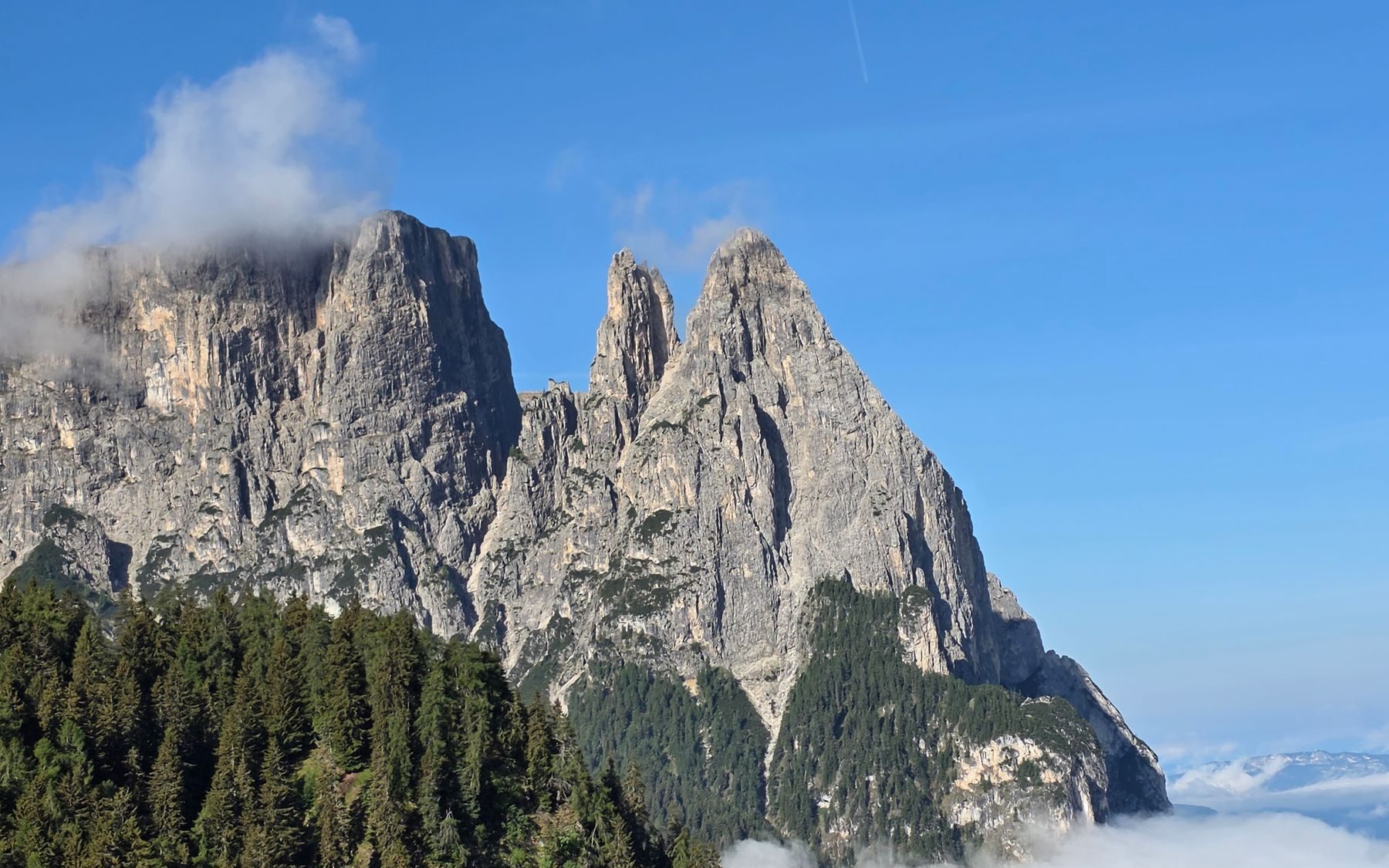
The Belluno Dolomites are the wilder, less crowded side of Italy’s most famous mountains, and part of the Dolomites UNESCO site. Expect limestone peaks, beech forest and mountain huts rather than ski lifts and resorts. Belluno and Feltre make easy bases, with Venice airports within driving distance. Both towns have arcaded old centres and good trattorias, so you can walk all day and eat well at night. Late spring and early autumn bring the most settled walking weather.
Best for: Hikers who want Dolomite scenery without the summer crowds of the big passes.
3. Ordesa y Monte Perdido, Spain
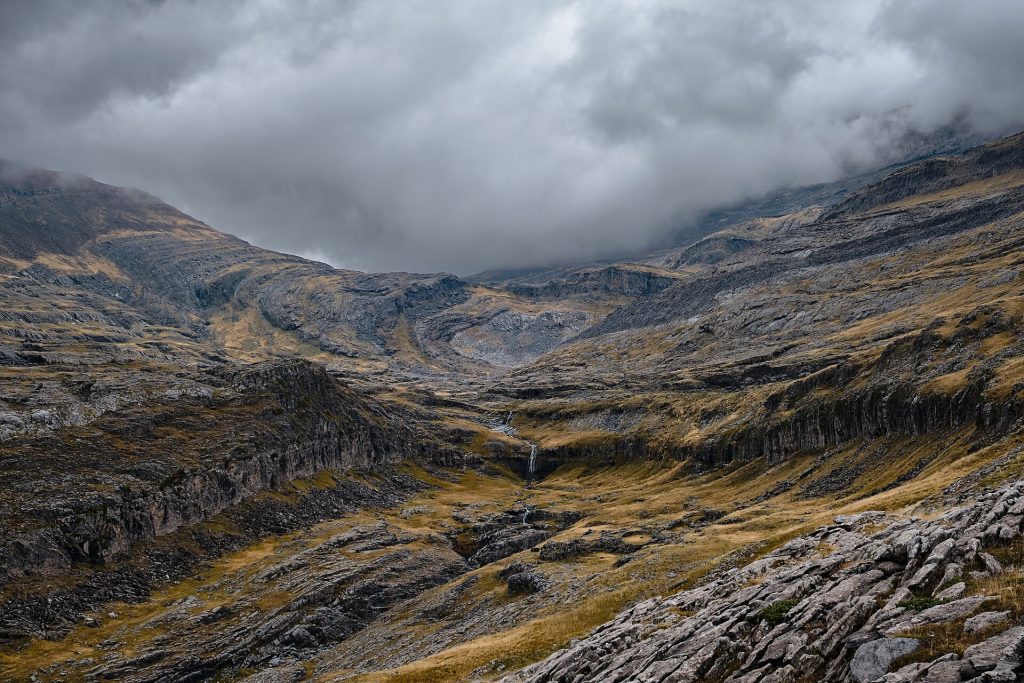
In the Aragonese Pyrenees, the Ordesa canyon is one of Europe’s great day walks. The trail follows the river past waterfalls to the Cola de Caballo (horsetail) falls beneath Monte Perdido. In peak periods, the road from Torla to the Pradera de Ordesa closes to private cars and a shuttle bus takes over, so check the dates before you travel.
Best for: Strong walkers who want big-canyon scenery.
Tip: Start the Ordesa walk early. The return leg is long, and summer afternoons in the canyon can bring storms.
4. Göreme National Park, Türkiye
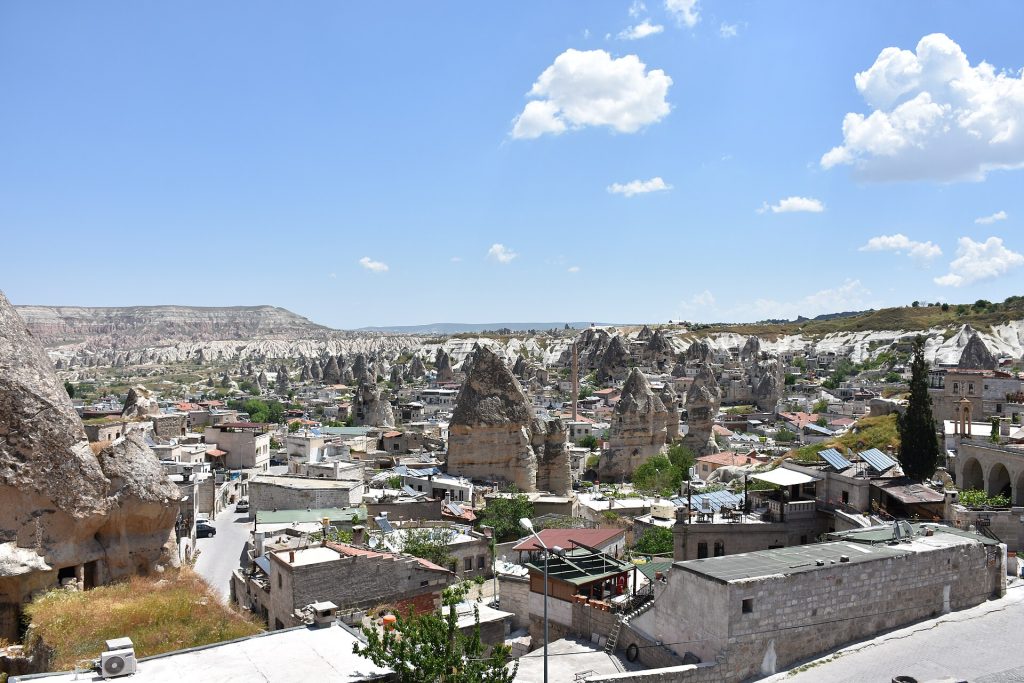
Cappadocia’s fairy chimneys, rock-cut churches and cave villages form a UNESCO-listed landscape unlike anywhere else in Europe or Asia Minor. The Göreme Open-Air Museum holds frescoed Byzantine churches. Sunrise hot-air balloon flights are the region’s signature experience, but they depend on the weather and can be cancelled at short notice. Fly into Kayseri or Nevşehir, or combine with a few days in Istanbul.
Best for: Photographers and couples who want something genuinely different.
5. Vatnajökull National Park, Iceland

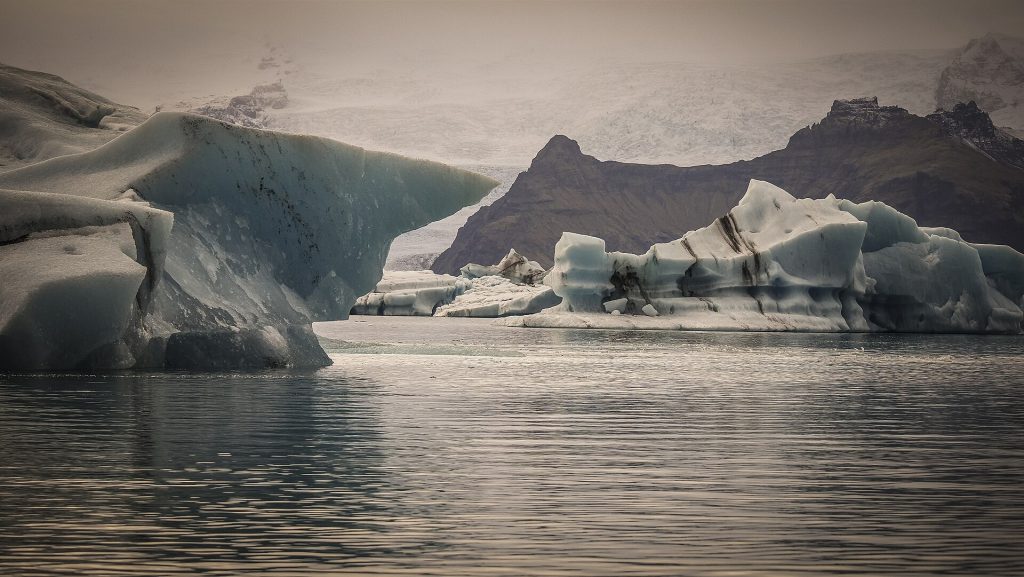
Vatnajökull covers a huge area of southeast Iceland around Europe’s largest ice cap by volume. Skaftafell has easy glacier walks, including a short loop to the Skaftafellsjökull glacier tongue. Jökulsárlón glacier lagoon is close by. Ice-cave tours run in the colder months with licensed guides only, because glacier conditions change fast. Regional parking fees apply at the main sites.
Best for: A once-in-a-lifetime long weekend from Reykjavík.
6. Écrins National Park, France

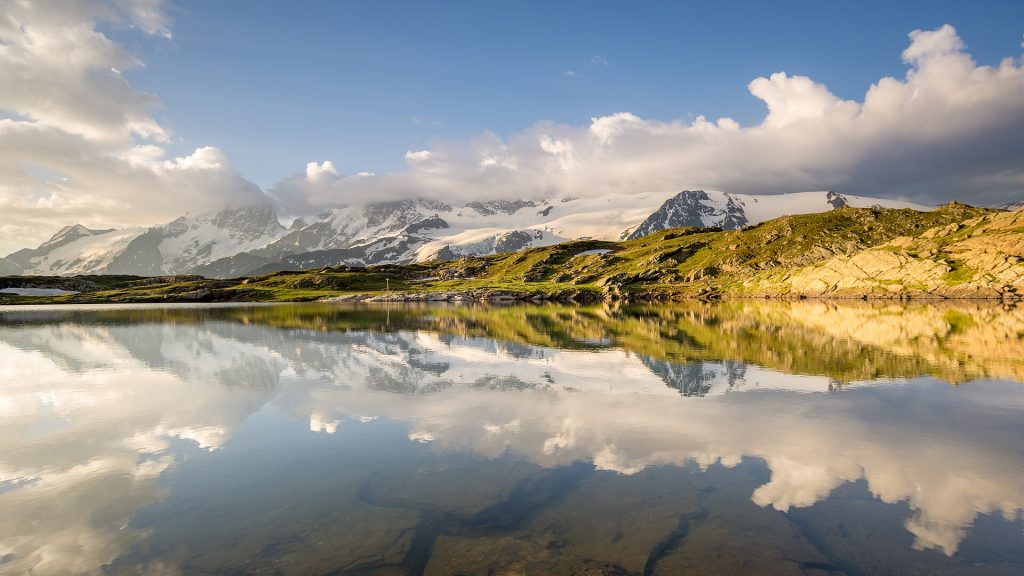
In the French Alps between Grenoble and Briançon, the Écrins is a high-mountain park of glaciers, larch forests and peaks above 4,000 metres. Valleys such as the Vallouise and Valgaudemar give access to well-marked trails and refuges. The park also has some of the darkest night skies in the Alps, so a night in a refuge is worth planning in. Summer is hiking season, and winter brings snowshoeing and ski touring.
Best for: Alpine hikers who want a less commercial side of the French Alps.
7. Soomaa National Park, Estonia
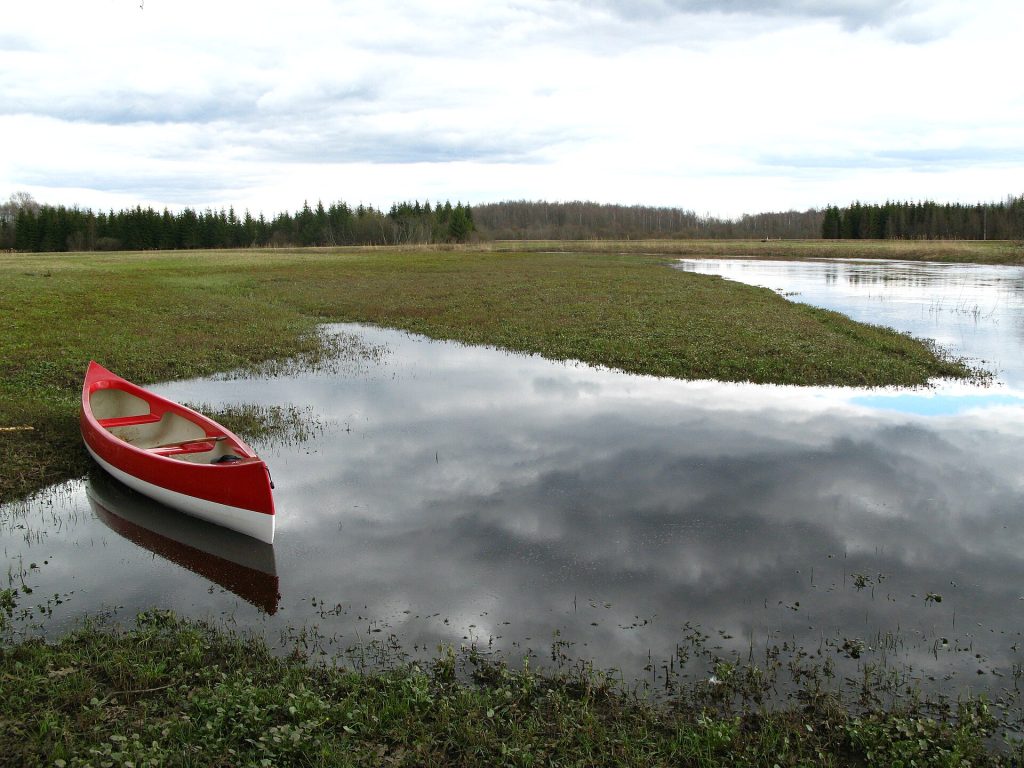
Soomaa means "land of bogs". The park is known for its "fifth season", when spring floods spread across the forests and meadows and you can canoe where people walk in summer. Boardwalks cross the raised bogs, and guided canoe and bog-shoe trips run from nearby. The coastal town of Pärnu is the nearest easy base.
Best for: Slow travellers and wildlife watchers who want silence.
8. Sarek National Park, Sweden
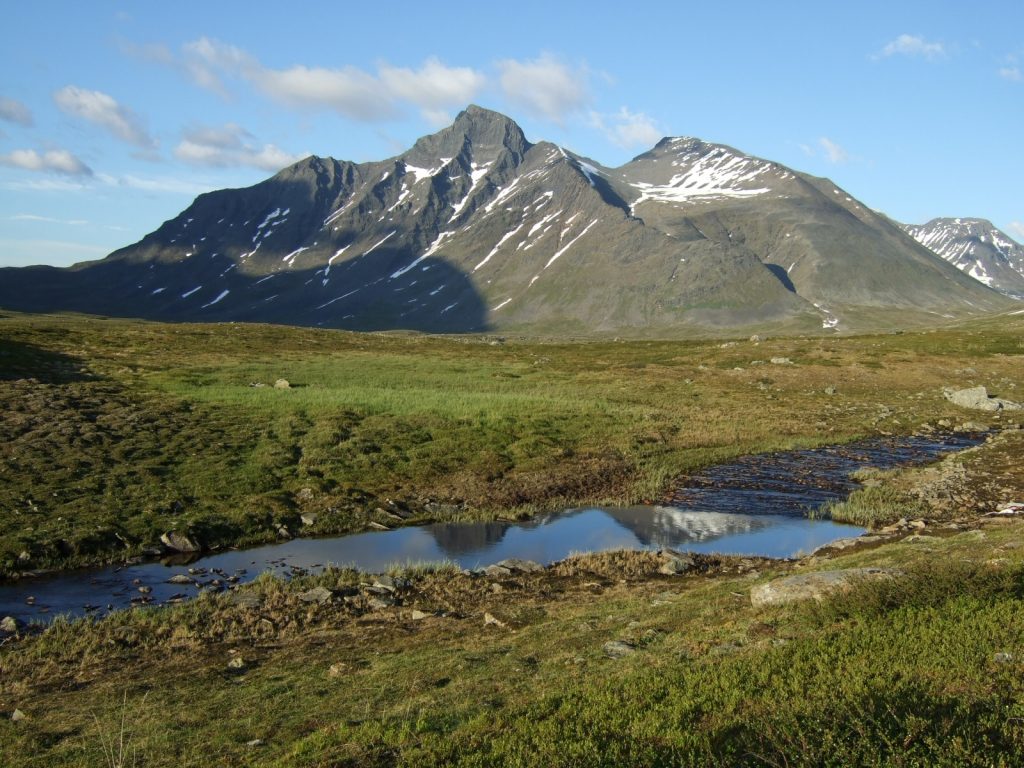
Sarek is part of the Laponia World Heritage area in Swedish Lapland and one of Europe’s last true wildernesses. It has no marked trails, huts or bridges inside the park, so it suits experienced hikers with navigation skills. Most visitors enter from the Kungsleden trail, and the hiking season is short and centred on summer.
Best for: Experienced trekkers who want genuine wilderness.
How to choose
- Easy from a city: Saxon Switzerland (Dresden) and Göreme (via Istanbul or Kayseri).
- Big day hikes: Ordesa, the Belluno Dolomites and the Écrins.
- Ice and glaciers: Vatnajökull.
- True wilderness: Sarek, only with experience and proper kit.
- Something different: Soomaa in spring flood or Göreme at sunrise.
Whichever park you pick, check the official notices a few days before you go. Mountain and wilderness trails can close at short notice after storms, rockfall or snow, and the parks post changes before they reach guidebooks. Pack layers even in summer, carry water and tell someone your route on longer walks.
For a softer outdoor weekend, see the best places to visit in Scotland or our guide to the Canary Islands.
FAQ
What is the most beautiful national park in Europe?
It depends on what you like. The Dolomites and Vatnajökull top many lists for sheer drama, while Ordesa is hard to beat for a single day’s walk.
Which European national parks can you visit without a car?
Saxon Switzerland is the easiest, with S-Bahn trains from Dresden. Ordesa has a shuttle bus from Torla in peak periods, but you’ll need public transport to reach Torla first.
When is the best time to visit Vatnajökull?
Summer is best for hiking and long daylight. The colder months are the season for guided ice-cave tours.
Can you visit Sarek without a guide?
Yes, but only if you have wilderness experience. Sarek has no marked trails, huts or bridges inside the park, so solo trips need solid navigation skills.